
If you are suffering from tenderness, pain, or stiffness in the joints of your feet or ankles, call us to schedule an appointment.
If you are suffering from tenderness, pain, or stiffness in the joints of your feet or ankles, call us to schedule an appointment.
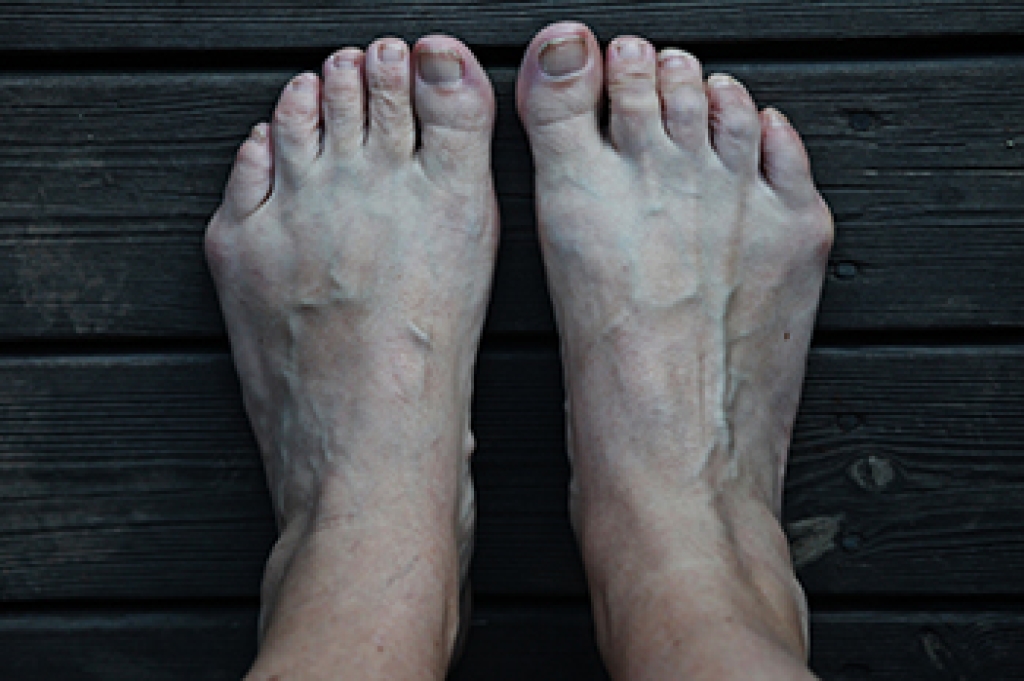
A tailor’s bunion is a bony prominence that develops along the outside edge of the foot near the base of the little toe. Commonly called a bunionette, it forms when the fifth metatarsal bone shifts outward as the little toe angles inward. Symptoms include a bump, tenderness, and pain when wearing narrow shoes. People may develop thickened skin or irritation over the area. Although a tailor’s bunion is not usually dangerous, discomfort can interfere with walking and activities.
Several factors can contribute to a tailor’s bunion. Genetics may influence foot structure, making some people more likely to develop abnormal toe bones or changes in alignment. Flat feet can alter how pressure moves through the foot and may increase stress along the forefoot. Other foot and ankle conditions can also affect alignment and contribute to bunionette formation. Tight or pointed shoes may worsen pressure around the little toe. Risk factors include inherited foot structure, flat feet, and repeated stress from activities that place pressure on the forefoot.
A podiatrist begins treatment by examining the foot and reviewing symptoms, footwear, and history. X-rays may be recommended to evaluate bone position and joint alignment. Treatment often starts with wearing wider shoes that provide adequate toe room. Additionally, padding can protect the bump from friction, while orthotics may help improve pressure distribution. A podiatrist may also recommend medication to reduce discomfort. If pain remains despite conservative care, surgery may be considered to realign the affected bone and improve function.
Understanding the cause of a tailor’s bunion can make treatment more effective. Early care may reduce irritation and prevent symptoms from becoming limiting. If you have a painful tailor’s bunion, it is suggested that you consult a podiatrist who can provide effective relief, treatment, and management solutions.
If you are suffering from bunion pain, contact Jeffrey Radack, DPM of Texas Regional Foot & Ankle Clinics. Our doctor can provide the care you need to keep you pain-free and on your feet.
What Is a Bunion?
Bunions are painful bony bumps that usually develop on the inside of the foot at the joint of the big toe. As the deformity increases over time, it may become painful to walk and wear shoes. Women are more likely to exacerbate existing bunions since they often wear tight, narrow shoes that shift their toes together. Bunion pain can be relieved by wearing wider shoes with enough room for the toes.
Causes
Symptoms
In order to diagnose your bunion, your podiatrist may ask about your medical history, symptoms, and general health. Your doctor might also order an x-ray to take a closer look at your feet. Nonsurgical treatment options include orthotics, padding, icing, changes in footwear, and medication. If nonsurgical treatments don’t alleviate your bunion pain, surgery may be necessary.
If you have any questions, please feel free to contact our office located in McKinney and Coppell, TX . We offer the newest diagnostic and treatment technologies for all your foot care needs.
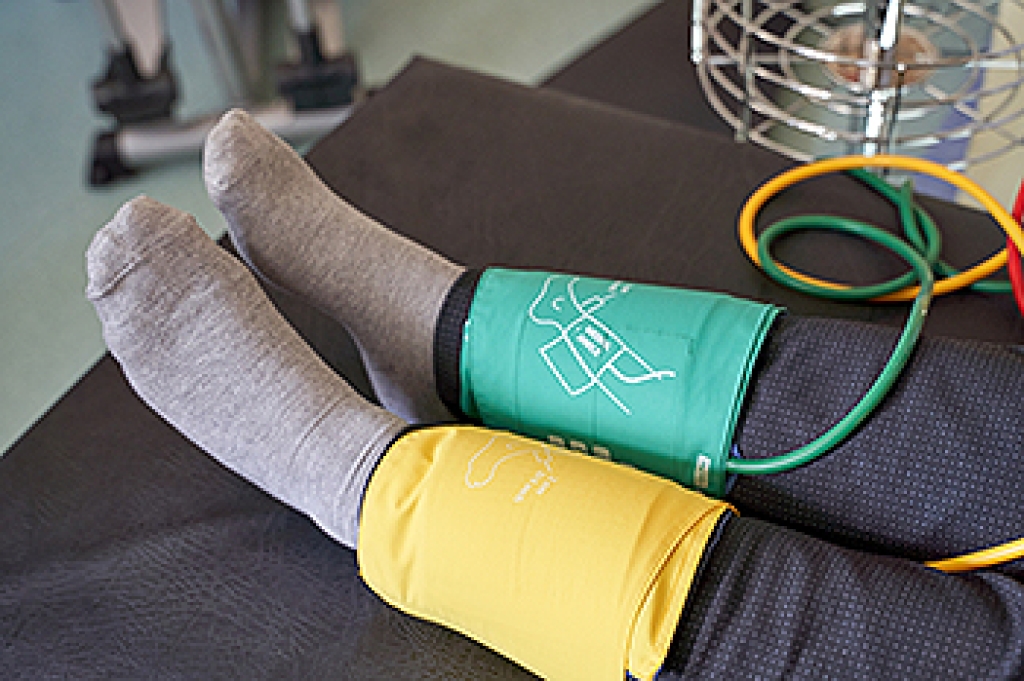
Peripheral artery disease, or PAD, affects the blood vessels that carry blood to the legs and feet. It develops when arteries in the legs become narrowed, reducing the amount of blood that reaches nearby tissues. A common cause is atherosclerosis, which occurs when fatty material called plaque builds up along artery walls. Reduced circulation means the muscles may not receive enough blood and oxygen during activity. As PAD becomes more severe, circulation can remain limited even while a person is resting. Diabetes, high blood pressure, and high cholesterol can increase the risk of developing PAD.
Poor circulation from PAD can cause noticeable symptoms in the lower legs and feet. Pain, aching, or burning may occur during walking or exercise and improve after several minutes of rest. Some people develop numbness in the legs or feet while resting. The affected foot may also feel cool or appear pale. As the condition progresses, pain may begin with less activity and eventually occur at rest. Severe PAD can cause slow-healing sores on the feet or toes. Skin discoloration and changes in the toenails may also develop. These symptoms are important because reduced circulation can make it harder for damaged tissues to heal properly.
A podiatrist can examine the feet for signs that may be associated with poor circulation and determine when further medical evaluation is necessary. An examination may reveal a weak pulse, skin changes, or slow-healing sores. PAD can be evaluated with tests that compare blood pressure in the arms and legs or examine blood flow through the arteries. Because severe PAD can lead to serious complications, changes such as new foot sores should not be ignored. A foot that suddenly becomes cool, pale, or numb also requires medical attention. If poor circulation is causing persistent foot pain or noticeable changes in your feet, it is suggested that you consult a podiatrist for an evaluation and appropriate care options.
Poor circulation is a serious condition and needs immediate medical attention. If you have any concerns with poor circulation in your feet contact Jeffrey Radack, DPM of Texas Regional Foot & Ankle Clinics. Our doctor will treat your foot and ankle needs.
Poor Circulation in the Feet
Poor blood circulation in the feet and legs is can be caused by peripheral artery disease (PAD), which is the result of a buildup of plaque in the arteries.
Plaque buildup or atherosclerosis results from excess calcium and cholesterol in the bloodstream. This can restrict the amount of blood which can flow through the arteries. Poor blood circulation in the feet and legs are sometimes caused by inflammation in the blood vessels, known as vasculitis.
Causes
Lack of oxygen and oxygen from poor blood circulation restricts muscle growth and development. It can also cause:
Those who have diabetes or smoke are at greatest risk for poor circulation, as are those who are over 50. If you have poor circulation in the feet and legs it may be caused by PAD and is important to make changes to your lifestyle in order to reduce risk of getting a heart attack or stroke. Exercise and maintaining a healthy lifestyle will dramatically improve conditions.
As always, see a podiatrist as he or she will assist in finding a regimen that suits you. A podiatrist can also prescribe you any needed medication.
If you have any questions, please feel free to contact our office located in McKinney and Coppell, TX . We offer the newest diagnostic and treatment technologies for all your foot care needs.
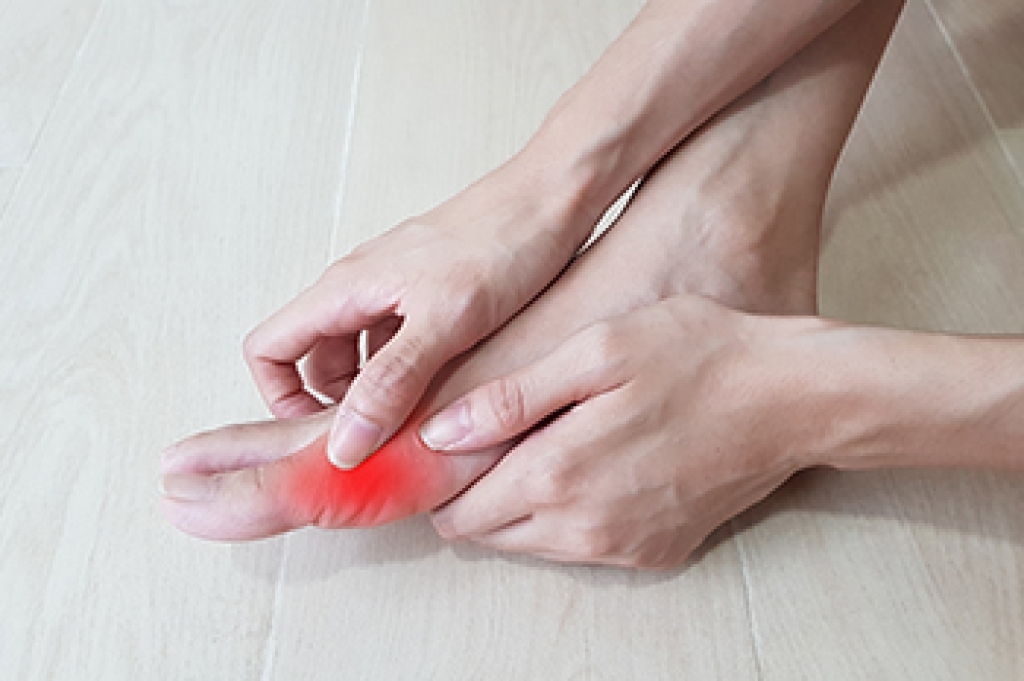
Gout is a form of arthritis that can cause sudden and intense joint pain. It develops when uric acid crystals collect in a joint and cause inflammation. Uric acid is a substance the body produces when it breaks down certain foods and drinks. Gout frequently affects the joint at the base of the big toe, although other joints can be involved. Symptoms include severe pain, redness, and swelling. The affected joint can also feel warm and extremely sensitive to touch. A gout attack can develop within a few hours and make standing or walking very uncomfortable.
High levels of uric acid in the blood increase the risk of gout, although not everyone with a high level develops the condition. Certain health problems can increase the risk, including kidney disease, high blood pressure, and obesity. Some medications can also contribute to gout. A podiatrist can examine a painful, swollen foot and review the patient's symptoms and medical history. Testing can include blood work or imaging tests to help evaluate the affected joint. In some cases, fluid can be removed from a swollen joint and examined for uric acid crystals. Proper diagnosis is important because an infection can cause similar joint symptoms.
Treatment for gout focuses on controlling inflammation and reducing the risk of future attacks. Prescription medications can reduce pain and inflammation during an attack. Other medications can lower uric acid levels and help prevent repeated attacks. A podiatrist can also monitor the affected foot for joint damage and other complications. Repeated gout attacks can eventually damage joints and interfere with normal movement. Severe gout can also cause hard deposits of uric acid crystals beneath the skin. Proper medical management can help protect joint health and maintain comfortable movement. If you have symptoms of gout, it is suggested that you are under the care of a podiatrist who can help you to manage this serious condition.
Gout is a painful condition that can be treated. If you are seeking treatment, contact Jeffrey Radack, DPM from Texas Regional Foot & Ankle Clinics. Our doctor will treat your foot and ankle needs.
What Is Gout?
Gout is a form of arthritis that is characterized by sudden, severe attacks of pain, redness, and tenderness in the joints. The condition usually affects the joint at the base of the big toe. A gout attack can occur at any random time, such as the middle of the night while you are asleep.
Symptoms
Risk Factors
Prior to visiting your podiatrist to receive treatment for gout, there are a few things you should do beforehand. If you have gout you should write down your symptoms--including when they started and how often you experience them, important medical information you may have, and any questions you may have. Writing down these three things will help your podiatrist in assessing your specific situation so that he or she may provide the best route of treatment for you.
If you have any questions, please feel free to contact our office located in McKinney and Coppell, TX . We offer the newest diagnostic and treatment technologies for all your foot care needs.

Tingling in the feet can feel like pins and needles, buzzing, or mild electric shocks. It can affect one foot or both feet. Tingling that continues or returns can signal a problem. Nerve pressure, poor blood flow, and diabetes are possible causes. An injury to the foot, ankle, or lower back can also irritate a nerve. In some patients, vitamin shortages or other health conditions affect nerve function.
Other symptoms can help a podiatrist understand what is happening. Tingling can occur with numbness, burning pain, or unusual sensitivity. Some patients also notice weakness or trouble with balance. A compressed nerve near the ankle can send tingling into the heel or sole. Nerve damage related to diabetes can begin in the toes and spread through the feet. Reduced blood flow can make the feet feel cold or change their color. Tingling that starts suddenly with severe weakness requires prompt medical attention. A foot wound, swelling, or redness also deserves timely care, especially for a patient with diabetes.
A podiatrist can review when the tingling began and what affects it. The examination includes checking skin condition, blood flow, and muscle strength. The podiatrist can test feelings in different parts of the feet and look for nerve pressure. Imaging, blood tests, or nerve tests can help identify the cause. Treatment depends on the findings. A podiatrist can protect areas with reduced feeling and address pressure caused by foot structure. The doctor can recommend properly fitted shoes or custom orthotics. Regular foot checks can help detect injuries that a patient may not feel. Early evaluation can reduce the risk of complications and help preserve safe movement. If you have tingling in the feet that does not go away, it is suggested that you schedule an appointment with a podiatrist for a diagnosis and appropriate treatment.
Neuropathy
Neuropathy can be a potentially serious condition, especially if it is left undiagnosed. If you have any concerns that you may be experiencing nerve loss in your feet, consult with Jeffrey Radack, DPM from Texas Regional Foot & Ankle Clinics. Our doctor will assess your condition and provide you with quality foot and ankle treatment for neuropathy.
What Is Neuropathy?
Neuropathy is a condition that leads to damage to the nerves in the body. Peripheral neuropathy, or neuropathy that affects your peripheral nervous system, usually occurs in the feet. Neuropathy can be triggered by a number of different causes. Such causes include diabetes, infections, cancers, disorders, and toxic substances.
Symptoms of Neuropathy Include:
Those with diabetes are at serious risk due to being unable to feel an ulcer on their feet. Diabetics usually also suffer from poor blood circulation. This can lead to the wound not healing, infections occurring, and the limb may have to be amputated.
Treatment
To treat neuropathy in the foot, podiatrists will first diagnose the cause of the neuropathy. Figuring out the underlying cause of the neuropathy will allow the podiatrist to prescribe the best treatment, whether it be caused by diabetes, toxic substance exposure, infection, etc. If the nerve has not died, then it’s possible that sensation may be able to return to the foot.
Pain medication may be issued for pain. Electrical nerve stimulation can be used to stimulate nerves. If the neuropathy is caused from pressure on the nerves, then surgery may be necessary.
If you have any questions, please feel free to contact our office located in McKinney and Coppell, TX . We offer the newest diagnostic and treatment technologies for all your foot care needs.
Connect With Us
