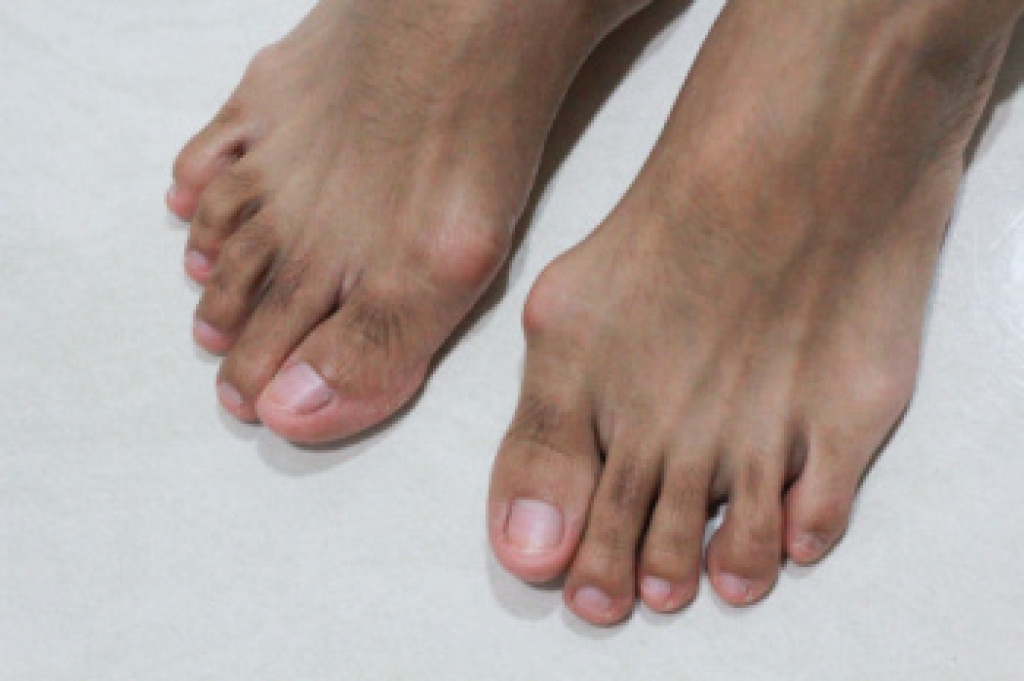
A bunion results when a bony bump forms at the base of the big toe, as the tip of the toe pushes against the other toes. This deformity can cause pain, redness, and swelling. Bunions also make wearing certain shoes uncomfortable while walking or standing for long periods of time. Causes include inherited foot structure, arthritis, and shoes that squeeze the toes together. Some people develop bunions because of poor foot alignment or abnormal walking patterns. A podiatrist can examine the foot, check joint movement, and use X-rays to determine the severity of the bunion. Treatment options include custom orthotics, padding, and wearing supportive shoes with a wider toe box. More advanced bunions may require surgery to straighten the toe joint and improve alignment. Early treatment can help slow the condition and reduce discomfort. If you have pain from a bunion, it is suggested that you schedule an appointment with a podiatrist for effective relief and management tips.
If you are suffering from bunions, contact Jeffrey Radack, DPM of Texas Regional Foot & Ankle Clinics. Our doctor can provide the care you need to keep you pain-free and on your feet.
What Is a Bunion?
A bunion is formed of swollen tissue or an enlargement of boney growth, usually located at the base joint of the toe that connects to the foot. The swelling occurs due to the bones in the big toe shifting inward, which impacts the other toes of the foot. This causes the area around the base of the big toe to become inflamed and painful.
Why Do Bunions Form?
Genetics – Susceptibility to bunions are often hereditary
Stress on the feet – Poorly fitted and uncomfortable footwear that places stress on feet, such as heels, can worsen existing bunions
How Are Bunions Diagnosed?
Podiatrists often perform two tests – blood tests and x-rays – when trying to diagnose bunions, especially in the early stages of development. Blood tests help determine if the foot pain is being caused by something else, such as arthritis, while x-rays provide a clear picture of your bone structure to your provider.
How Are Bunions Treated?
- Refrain from wearing heels or similar shoes that cause discomfort
- Select wider shoes that can provide more comfort and reduce pain
- Anti-inflammatory and pain management drugs
- Orthotics or foot inserts
- Surgery
If you have any questions, please feel free to contact our office located in McKinney and Coppell, TX . We offer the newest diagnostic and treatment technologies for all your foot care needs.
