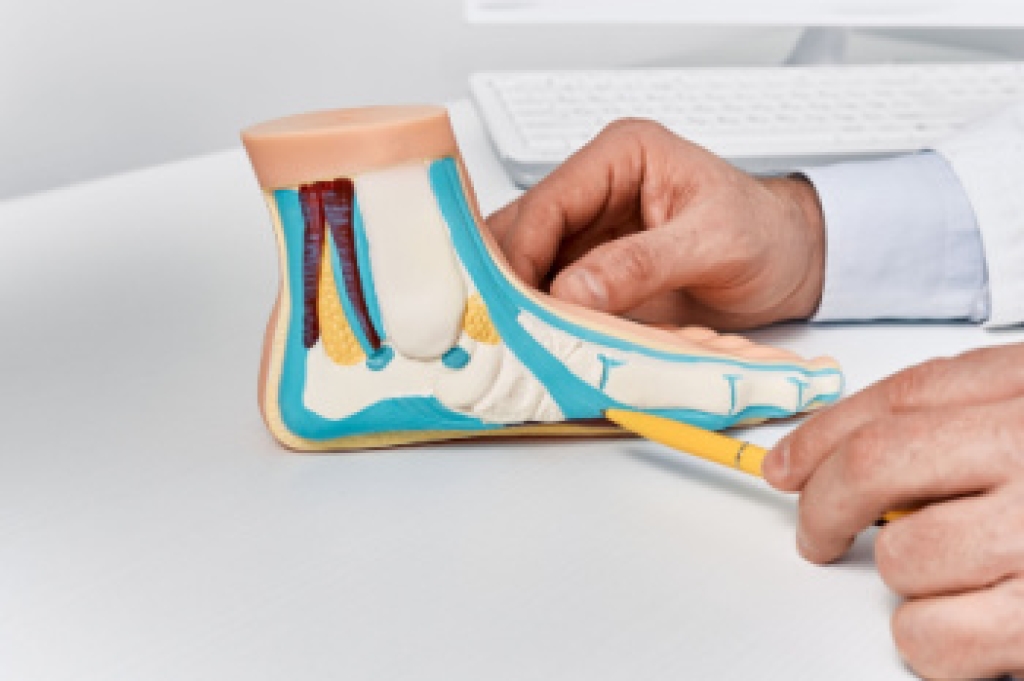
Definition of Flat Feet

Flat feet occur when the arches of the feet collapse or fail to develop properly, causing the entire sole to touch the ground. This condition can lead to biomechanical imbalances that affect how weight is distributed across the feet. Flat feet are often associated with poor posture, reduced stability, and discomfort in the feet, ankles, knees, or lower back. A podiatrist can assess the severity of the condition and determine how it influences your gait and alignment. Treatment options may include custom orthotics, supportive footwear, and exercises to strengthen the foot muscles. If you have flat feet and experience pain or balance issues, it is suggested that you schedule an appointment with a podiatrist who can provide effective relief and treatment solutions.

Flatfoot is a condition many people suffer from. If you have flat feet, contact Jeffrey Radack, DPM from Texas Regional Foot & Ankle Clinics. Our doctor will treat your foot and ankle needs.

What Are Flat Feet?

Flatfoot is a condition in which the arch of the foot is depressed and the sole of the foot is almost completely in contact with the ground. About 20-30% of the population generally has flat feet because their arches never formed during growth.

Conditions & Problems:

Having flat feet makes it difficult to run or walk because of the stress placed on the ankles.

Alignment – The general alignment of your legs can be disrupted, because the ankles move inward which can cause major discomfort.

Knees – If you have complications with your knees, flat feet can be a contributor to arthritis in that area.  

Symptoms

  • Pain around the heel or arch area
  • Trouble standing on the tip toe
  • Swelling around the inside of the ankle
  • Flat look to one or both feet
  • Having your shoes feel uneven when worn

Treatment

If you are experiencing pain and stress on the foot you may weaken the posterior tibial tendon, which runs around the inside of the ankle. 

If you have any questions, please feel free to contact our office located in McKinney and Coppell, TX . We offer the newest diagnostic and treatment technologies for all your foot care needs.

Read more about Flatfoot

Understanding Swollen Ankles and Feet During Pregnancy

Swelling in the ankles and feet is a common part of pregnancy, especially in the later months when the body holds more fluid and the growing uterus places extra pressure on blood vessels. While mild puffiness is normal, noticeable or uneven swelling can signal that circulation is being compromised. Standing for long periods of time, warm weather, and wearing tight shoes can all make swelling worse. A podiatrist can evaluate whether the swelling is typical or related to another condition, and may recommend gentle movement, proper footwear, or custom orthotics to improve comfort and circulation. Caring for your feet during pregnancy not only eases daily strain but also supports balance and stability as your body changes. If swelling becomes painful, persistent, or is accompanied by redness or discomfort, it is suggested that you see a podiatrist for assessment and appropriate care.

Pregnant women with swollen feet can be treated with a variety of different methods that are readily available. For more information about other cures for swollen feet during pregnancy, consult with Jeffrey Radack, DPM from Texas Regional Foot & Ankle Clinics. Our doctor will attend to all of your foot and ankle needs.

What Foot Problems Can Arise During Pregnancy?

One problem that can occur is overpronation, which occurs when the arch of the foot flattens and tends to roll inward.  This can cause pain and discomfort in your heels while you’re walking or even just standing up, trying to support your baby.  

Another problem is edema, or swelling in the extremities. This often affects the feet during pregnancy but tends to occur in the later stages. 

How Can I Keep My Feet Healthy During Pregnancy?

  • Wearing orthotics can provide extra support for the feet and help distribute weight evenly
  • Minimize the amount of time spent walking barefoot
  • Wear shoes with good arch support
  • Wear shoes that allow for good circulation to the feet
  • Elevate feet if you experience swelling
  • Massage your feet
  • Get regular, light exercise, such as walking, to promote blood circulation to the feet

If you have any questions, please feel free to contact our office located in McKinney and Coppell, TX . We offer the newest diagnostic and treatment technologies for all your foot care needs.

Read more about Foot Care for Pregnant Women

Athlete’s Foot and Podiatric Care

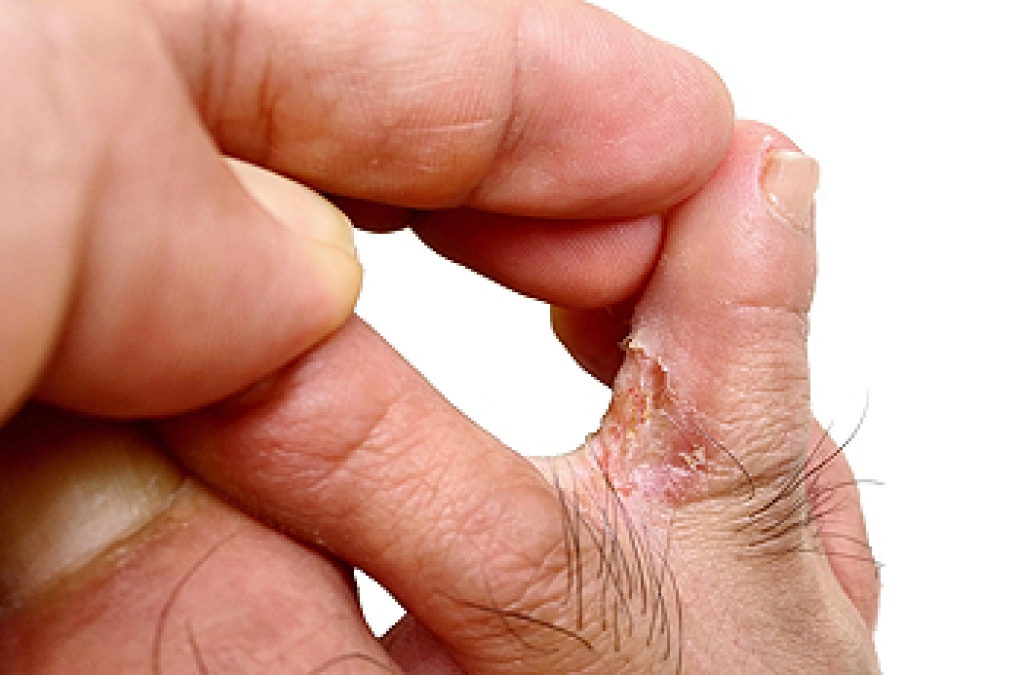
Athlete’s foot, also known as tinea pedis, is a fungal infection and the most widespread form of dermatophytosis affecting the feet. It develops when fungi grow on the skin, often in warm and moist environments. Excessive foot sweating can easily facilitate fungal growth, making the condition more likely to appear between the toes or on the soles. Symptoms include itching, burning, peeling skin, redness, and an unpleasant odor. A podiatrist can confirm the diagnosis, recommend effective treatments, address moisture issues, and provide guidance to prevent the infection from returning. If you are noticing irritation or persistent changes in your skin, it is suggested that you seek professional podiatric care to begin effective treatment.

Athlete’s foot is an inconvenient condition that can be easily reduced with the proper treatment. If you have any concerns about your feet and ankles, contact Jeffrey Radack, DPM from Texas Regional Foot & Ankle Clinics.  Our doctor will treat your foot and ankle needs.

Athlete’s Foot: The Sole Story

Athlete's foot, also known as tinea pedis, can be an extremely contagious foot infection. It is commonly contracted in public changing areas and bathrooms, dormitory style living quarters, around locker rooms and public swimming pools, or anywhere your feet often come into contact with other people.

Solutions to Combat Athlete’s Foot

  • Hydrate your feet by using lotion
  • Exfoliate
  • Buff off nails
  • Use of anti-fungal products
  • Examine your feet and visit your doctor if any suspicious blisters or cuts develop

Athlete’s foot can cause many irritating symptoms such as dry and flaking skin, itching, and redness. Some more severe symptoms can include bleeding and cracked skin, intense itching and burning, and even pain when walking. In the worst cases, Athlete’s foot can cause blistering as well. Speak to your podiatrist for a better understanding of the different causes of Athlete’s foot, as well as help in determining which treatment options are best for you.

If you have any questions please feel free to contact our office located in McKinney and Coppell, TX . We offer the newest diagnostic and treatment technologies for all your foot and ankle needs.

Read more about Athlete’s Foot

Wounds That Don't Heal Need to Be Checked

Your feet are covered most of the day. If you're diabetic, periodic screening is important for good health. Numbness is often a sign of diabetic foot and can mask a sore or wound.

Choosing the Right Shoes for Marathon Running

Finding the right shoes for marathon running is essential for comfort, performance, and injury prevention. Shoes should provide enough length to allow natural toe movement, proper width to avoid pressure, and a secure heel fit that prevents slipping. The overall feel should support your stride without causing rubbing or tightness. Wearing the wrong shoes can lead to blisters, calluses, plantar fasciitis, or even stress fractures, over time. A podiatrist can assess your foot structure, gait and any existing conditions, as well as recommend footwear that match your needs. If you are training for a marathon, it is suggested that you consult a podiatrist to ensure you have the right support for your feet and reduce your risk of painful setbacks.

You should always make sure your running shoes fit properly in order to avoid injury. For more information, contact Jeffrey Radack, DPM from Texas Regional Foot & Ankle Clinics. Our doctor can provide the care you need to keep you pain-free and on your feet.

Choosing the Right Running Shoe for Your Foot Type

Improper shoe sizing can cause a myriad of problems for your feet. Shoes that don’t fit you properly can lead to muscular imbalances in your body, which can result in foot, knee, and hip injuries.

Tips for Finding the Right Running Shoe

  • Make sure you have a thumb’s width of wiggle room between the end of your longest toe and the front of the shoe.
  • There should be little to no slipping at the heel
  • Don’t assume your size in one shoe brand will be your size in another
  • Do not lace up your shoes too tightly
  • Walk around in the store with your new shoes before you buy them

If you have any questions, please feel free to contact our office located in McKinney and Coppell, TX . We offer the newest diagnostic and treatment technologies for all your foot care needs.

Read more about Choosing the Right Running Shoe

Types of Webbed Toes in Newborns

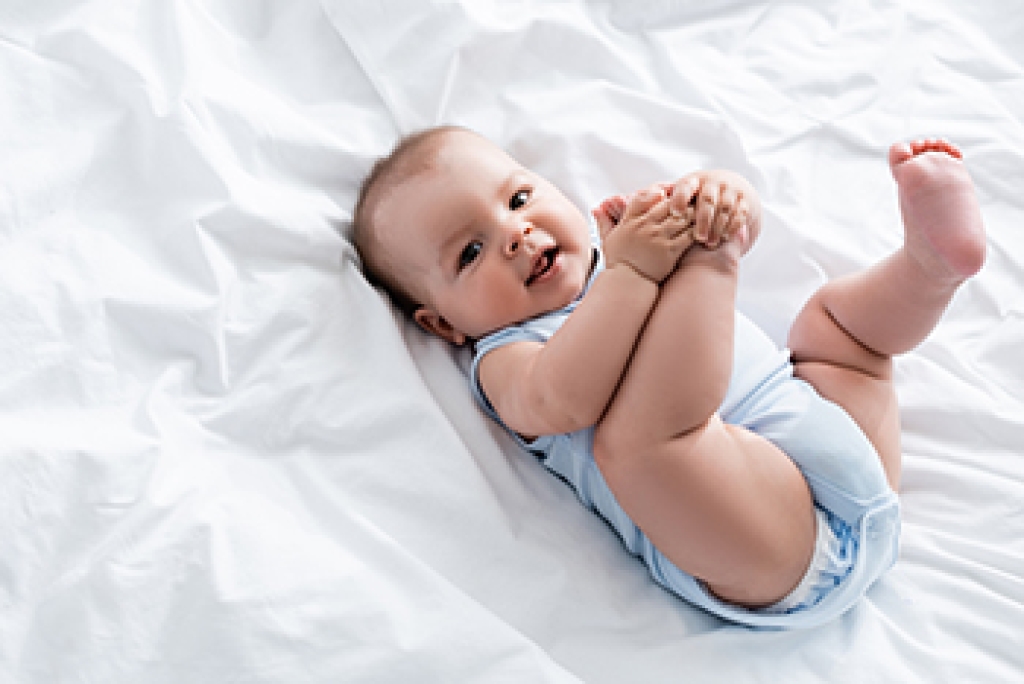
Webbed toes, also called syndactyly, occur when two or more toes are joined together at birth. This condition develops during fetal growth when the tissue between toes does not fully separate. Webbed toes may appear alone or as part of a genetic condition, and the type depends on how much tissue is involved. In simple syndactyly, only skin and soft tissue connect the toes. Complex syndactyly involves bones, with some or all toes fused together. Complicated syndactyly goes further, where abnormal bone or tendon formation creates additional changes in the foot. The most common form affects the second and third toes, but fusion can also occur between the fourth and fifth toes. A podiatrist can evaluate the extent of fusion, discuss whether surgery is needed to improve function or appearance, and guide the recovery process. If you have a child born with webbed toes, it is suggested that you schedule an appointment with a podiatrist for an exam, diagnosis, and treatment.

Congenital foot problems require immediate attention to avoid future complications. If you have any concerns, contact Jeffrey Radack, DPM of Texas Regional Foot & Ankle Clinics. Our doctor can provide the care you need to keep you pain-free and on your feet.

Congenital foot problems are deformities affecting the feet, toes, and/or ankles that children are born with. Some of these conditions have a genetic cause while others just happen. Some specific foot ailments that children may be born with include clubfeet, polydactyly/macrodactyly, and cleft foot. There are several other foot anomalies that can occur congenitally. What all of these conditions have in common is that a child may experience difficulty walking or performing everyday activities, as well as trouble finding footwear that fits their foot deformity. Some of these conditions are more serious than others. Consulting with a podiatrist as early as possible will help in properly diagnosing a child’s foot condition while getting the necessary treatment underway.

What are Causes of Congenital Foot Problem?

A congenital foot problem is one that happens to a child at birth. These conditions can be caused by a genetic predisposition, developmental or positional abnormalities during gestation, or with no known cause.

What are Symptoms of Congenital Foot Problems?

Symptoms vary by the congenital condition. Symptoms may consist of the following:

  • Clubfoot, where tendons are shortened, bones are shaped differently, and the Achilles tendon is tight, causing the foot to point in and down. It is also possible for the soles of the feet to face each other.
  • Polydactyly, which usually consists of a nubbin or small lump of tissue without a bone, a toe that is partially formed but has no joints, or an extra toe.
  • Vertical talus, where the talus bone forms in the wrong position causing other bones in the foot to line up improperly, the front of the foot to point up, and the bottom of the foot to stiffen, with no arch, and to curve out.
  • Tarsal coalition, when there is an abnormal connection of two or more bones in the foot leading to severe, rigid flatfoot.
  • Cleft foot, where there are missing toes, a V-shaped cleft, and other anatomical differences.
  • Macrodactyly, when the toes are abnormally large due to overgrowth of the underlying bone or soft tissue.

Treatment and Prevention

While there is nothing one can do to prevent congenital foot problems, raising awareness and receiving neonatal screenings are important. Early detection by taking your child to a podiatrist leads to the best outcome possible.

If you have any questions, please feel free to contact our office located in McKinney and Coppell, TX . We offer the newest diagnostic and treatment technologies for all your foot care needs.
Read more about Congenital Foot Problems

Injuries That Cause Foot Pain in Runners

The feet are made up of a variety of bones, tendons and ligaments, and running can put stress on any them.  While runners can experience different minor issues with the feet, there are many issues that can lead to severe pain and sideline a runner.  One common cause of foot pain in runners is plantar fasciitis. This occurs when the plantar fascia ligament that runs along the bottom of the foot becomes inflamed, leading to heel pain.  Stress fractures, which are hairline fractures in the bones of the feet, are also common among runners.  Runners should also be aware of extensor tendonitis, which results in the inflammation of the tendons that help with the movement of the toes.  A tight abductor or adductor hallucis, both muscles that help with movement of the feet, can lead to debilitating pain as well.  If you are a runner and you notice severe pain in your feet, it is suggested that you make an appointment podiatrist for a diagnosis and treatment.

Sports related foot and ankle injuries require proper treatment before players can go back to their regular routines. For more information, contact Jeffrey Radack, DPM of Texas Regional Foot & Ankle Clinics. Our doctor can provide the care you need to keep you pain-free and on your feet.

Sports Related Foot and Ankle Injuries

Foot and ankle injuries are a common occurrence when it comes to athletes of any sport. While many athletes dismiss the initial aches and pains, the truth is that ignoring potential foot and ankle injuries can lead to serious problems. As athletes continue to place pressure and strain the area further, a mild injury can turn into something as serious as a rupture and may lead to a permanent disability. There are many factors that contribute to sports related foot and ankle injuries, which include failure to warm up properly, not providing support or wearing bad footwear. Common injuries and conditions athletes face, including:

  • Plantar Fasciitis
  • Achilles Tendinitis
  • Achilles Tendon Rupture
  • Ankle Sprains

Sports related injuries are commonly treated using the RICE method. This includes rest, applying ice to the injured area, compression and elevating the ankle. More serious sprains and injuries may require surgery, which could include arthroscopic and reconstructive surgery. Rehabilitation and therapy may also be required in order to get any recovering athlete to become fully functional again. Any unusual aches and pains an athlete sustains must be evaluated by a licensed, reputable medical professional.

If you have any questions please contact our office located in McKinney and Coppell, TX . We offer the newest diagnostic and treatment technologies for all your foot and ankle needs.

Read more about Sports Related Foot and Ankle Injuries

What Can Cause a Bunion to Develop?

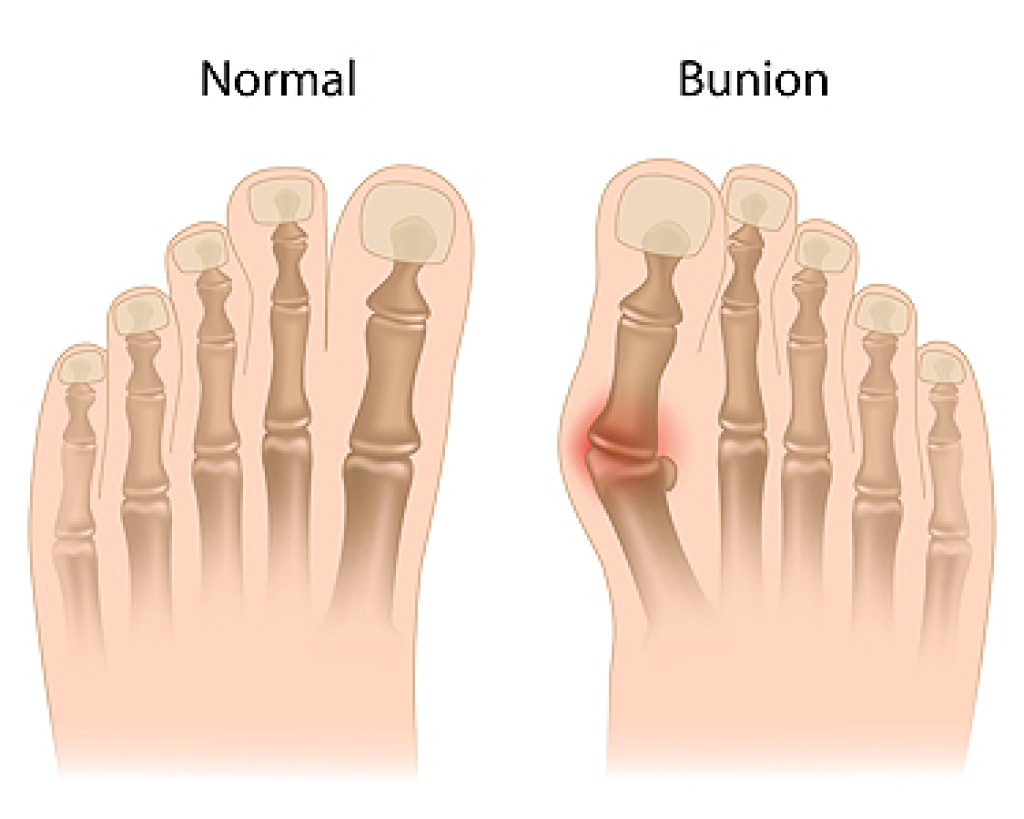
A small bump on the side of the big toe may be indicative of a bunion. This protrusion can become larger, and it may push the other toes closer to each other. Probable causes of a developing bunion can include genetics and wearing shoes that do not have adequate room for the toes to move freely in. Additionally, existing medical conditions such as certain types of arthritis may cause a bunion, or it may develop as a result of repetitive stress on the front of the foot. A bunion may cause difficulty in walking, and the foot may feel painful and stiff. There are effective methods that can be implemented which may help to manage bunion symptoms. Many patients find mild relief when there is ample room in the shoes that are worn, or from using a bunion pad or wearing custom made orthotics. If you notice a bunion that is beginning to form, it is recommended that you schedule a consultation with a podiatrist who can offer you the correct treatment options.

If you are suffering from bunions, contact Jeffrey Radack, DPM of Texas Regional Foot & Ankle Clinics. Our doctor can provide the care you need to keep you pain-free and on your feet.

What Is a Bunion?

A bunion is formed of swollen tissue or an enlargement of boney growth, usually located at the base joint of the toe that connects to the foot. The swelling occurs due to the bones in the big toe shifting inward, which impacts the other toes of the foot. This causes the area around the base of the big toe to become inflamed and painful.

Why Do Bunions Form?

Genetics – Susceptibility to bunions are often hereditary

Stress on the feet – Poorly fitted and uncomfortable footwear that places stress on feet, such as heels, can worsen existing bunions

How Are Bunions Diagnosed?

Doctors often perform two tests – blood tests and x-rays – when trying to diagnose bunions, especially in the early stages of development. Blood tests help determine if the foot pain is being caused by something else, such as arthritis, while x-rays provide a clear picture of your bone structure to your doctor.

How Are Bunions Treated?

  • Refrain from wearing heels or similar shoes that cause discomfort
  • Select wider shoes that can provide more comfort and reduce pain
  • Anti-inflammatory and pain management drugs
  • Orthotics or foot inserts
  • Surgery

If you have any questions, please feel free to contact our office located in McKinney and Coppell, TX . We offer the newest diagnostic and treatment technologies for all your foot care needs.

Read more about What Are Bunions?

Foot Cramps and Their Causes

Foot cramps are sudden, involuntary muscle contractions that cause sharp pain and tightness in the feet. They can indicate underlying issues, such as dehydration, poor circulation, nerve problems, or muscle fatigue. Symptoms include intense pain, hardening of the muscle, and temporary difficulty in moving the foot. Risk factors include overexertion, prolonged standing, inadequate stretching, or wearing unsupportive shoes. Common causes may also involve electrolyte imbalances, medical conditions like diabetes, or certain medications. A podiatrist can help by identifying contributing factors, recommending lifestyle changes, prescribing orthotics, and suggesting stretching routines to reduce recurrence. If you have frequent or severe foot cramps, it is suggested that you consult a podiatrist who can determine the cause, and offer effective treatment and relief solutions, 

Foot Pain

Foot pain can be extremely painful and debilitating. If you have a foot pain, consult with Jeffrey Radack, DPM from Texas Regional Foot & Ankle Clinics. Our doctor will assess your condition and provide you with quality foot and ankle treatment.

Causes

Foot pain is a very broad condition that could be caused by one or more ailments. The most common include:

  • Bunions
  • Hammertoes
  • Plantar Fasciitis
  • Bone Spurs
  • Corns
  • Tarsal Tunnel Syndrome
  • Ingrown Toenails
  • Arthritis (such as Gout, Rheumatoid, and Osteoarthritis)
  • Flat Feet
  • Injury (from stress fractures, broken toe, foot, ankle, Achilles tendon ruptures, and sprains)
  • And more

Diagnosis

To figure out the cause of foot pain, podiatrists utilize several different methods. This can range from simple visual inspections and sensation tests to X-rays and MRI scans. Prior medical history, family medical history, and any recent physical traumatic events will all be taken into consideration for a proper diagnosis.

Treatment

Treatment depends upon the cause of the foot pain. Whether it is resting, staying off the foot, or having surgery; podiatrists have a number of treatment options available for foot pain.

If you have any questions, please feel free to contact our office located in McKinney and Coppell, TX . We offer the newest diagnostic and treatment technologies for all your foot care needs.
Read more about Foot Pain

Connect With Us