Types of Webbed Toes in Newborns

Webbed toes, also called syndactyly, occur when two or more toes are joined together at birth. This condition develops during fetal growth when the tissue between toes does not fully separate. Webbed toes may appear alone or as part of a genetic condition, and the type depends on how much tissue is involved. In simple syndactyly, only skin and soft tissue connect the toes. Complex syndactyly involves bones, with some or all toes fused together. Complicated syndactyly goes further, where abnormal bone or tendon formation creates additional changes in the foot. The most common form affects the second and third toes, but fusion can also occur between the fourth and fifth toes. A podiatrist can evaluate the extent of fusion, discuss whether surgery is needed to improve function or appearance, and guide the recovery process. If you have a child born with webbed toes, it is suggested that you schedule an appointment with a podiatrist for an exam, diagnosis, and treatment.

Congenital foot problems require immediate attention to avoid future complications. If you have any concerns, contact Jeffrey Radack, DPM of Texas Regional Foot & Ankle Clinics. Our doctor can provide the care you need to keep you pain-free and on your feet.

Congenital foot problems are deformities affecting the feet, toes, and/or ankles that children are born with. Some of these conditions have a genetic cause while others just happen. Some specific foot ailments that children may be born with include clubfeet, polydactyly/macrodactyly, and cleft foot. There are several other foot anomalies that can occur congenitally. What all of these conditions have in common is that a child may experience difficulty walking or performing everyday activities, as well as trouble finding footwear that fits their foot deformity. Some of these conditions are more serious than others. Consulting with a podiatrist as early as possible will help in properly diagnosing a child’s foot condition while getting the necessary treatment underway.

What are Causes of Congenital Foot Problem?

A congenital foot problem is one that happens to a child at birth. These conditions can be caused by a genetic predisposition, developmental or positional abnormalities during gestation, or with no known cause.

What are Symptoms of Congenital Foot Problems?

Symptoms vary by the congenital condition. Symptoms may consist of the following:

  • Clubfoot, where tendons are shortened, bones are shaped differently, and the Achilles tendon is tight, causing the foot to point in and down. It is also possible for the soles of the feet to face each other.
  • Polydactyly, which usually consists of a nubbin or small lump of tissue without a bone, a toe that is partially formed but has no joints, or an extra toe.
  • Vertical talus, where the talus bone forms in the wrong position causing other bones in the foot to line up improperly, the front of the foot to point up, and the bottom of the foot to stiffen, with no arch, and to curve out.
  • Tarsal coalition, when there is an abnormal connection of two or more bones in the foot leading to severe, rigid flatfoot.
  • Cleft foot, where there are missing toes, a V-shaped cleft, and other anatomical differences.
  • Macrodactyly, when the toes are abnormally large due to overgrowth of the underlying bone or soft tissue.

Treatment and Prevention

While there is nothing one can do to prevent congenital foot problems, raising awareness and receiving neonatal screenings are important. Early detection by taking your child to a podiatrist leads to the best outcome possible.

If you have any questions, please feel free to contact our office located in McKinney and Coppell, TX . We offer the newest diagnostic and treatment technologies for all your foot care needs.

Read more about Congenital Foot Problems

Injuries That Cause Foot Pain in Runners

The feet are made up of a variety of bones, tendons and ligaments, and running can put stress on any them.  While runners can experience different minor issues with the feet, there are many issues that can lead to severe pain and sideline a runner.  One common cause of foot pain in runners is plantar fasciitis. This occurs when the plantar fascia ligament that runs along the bottom of the foot becomes inflamed, leading to heel pain.  Stress fractures, which are hairline fractures in the bones of the feet, are also common among runners.  Runners should also be aware of extensor tendonitis, which results in the inflammation of the tendons that help with the movement of the toes.  A tight abductor or adductor hallucis, both muscles that help with movement of the feet, can lead to debilitating pain as well.  If you are a runner and you notice severe pain in your feet, it is suggested that you make an appointment podiatrist for a diagnosis and treatment.

Sports related foot and ankle injuries require proper treatment before players can go back to their regular routines. For more information, contact Jeffrey Radack, DPM of Texas Regional Foot & Ankle Clinics. Our doctor can provide the care you need to keep you pain-free and on your feet.

Sports Related Foot and Ankle Injuries

Foot and ankle injuries are a common occurrence when it comes to athletes of any sport. While many athletes dismiss the initial aches and pains, the truth is that ignoring potential foot and ankle injuries can lead to serious problems. As athletes continue to place pressure and strain the area further, a mild injury can turn into something as serious as a rupture and may lead to a permanent disability. There are many factors that contribute to sports related foot and ankle injuries, which include failure to warm up properly, not providing support or wearing bad footwear. Common injuries and conditions athletes face, including:

  • Plantar Fasciitis
  • Achilles Tendinitis
  • Achilles Tendon Rupture
  • Ankle Sprains

Sports related injuries are commonly treated using the RICE method. This includes rest, applying ice to the injured area, compression and elevating the ankle. More serious sprains and injuries may require surgery, which could include arthroscopic and reconstructive surgery. Rehabilitation and therapy may also be required in order to get any recovering athlete to become fully functional again. Any unusual aches and pains an athlete sustains must be evaluated by a licensed, reputable medical professional.

If you have any questions please contact our office located in McKinney and Coppell, TX . We offer the newest diagnostic and treatment technologies for all your foot and ankle needs.

Read more about Sports Related Foot and Ankle Injuries

What Can Cause a Bunion to Develop?

A small bump on the side of the big toe may be indicative of a bunion. This protrusion can become larger, and it may push the other toes closer to each other. Probable causes of a developing bunion can include genetics and wearing shoes that do not have adequate room for the toes to move freely in. Additionally, existing medical conditions such as certain types of arthritis may cause a bunion, or it may develop as a result of repetitive stress on the front of the foot. A bunion may cause difficulty in walking, and the foot may feel painful and stiff. There are effective methods that can be implemented which may help to manage bunion symptoms. Many patients find mild relief when there is ample room in the shoes that are worn, or from using a bunion pad or wearing custom made orthotics. If you notice a bunion that is beginning to form, it is recommended that you schedule a consultation with a podiatrist who can offer you the correct treatment options.

If you are suffering from bunions, contact Jeffrey Radack, DPM of Texas Regional Foot & Ankle Clinics. Our doctor can provide the care you need to keep you pain-free and on your feet.

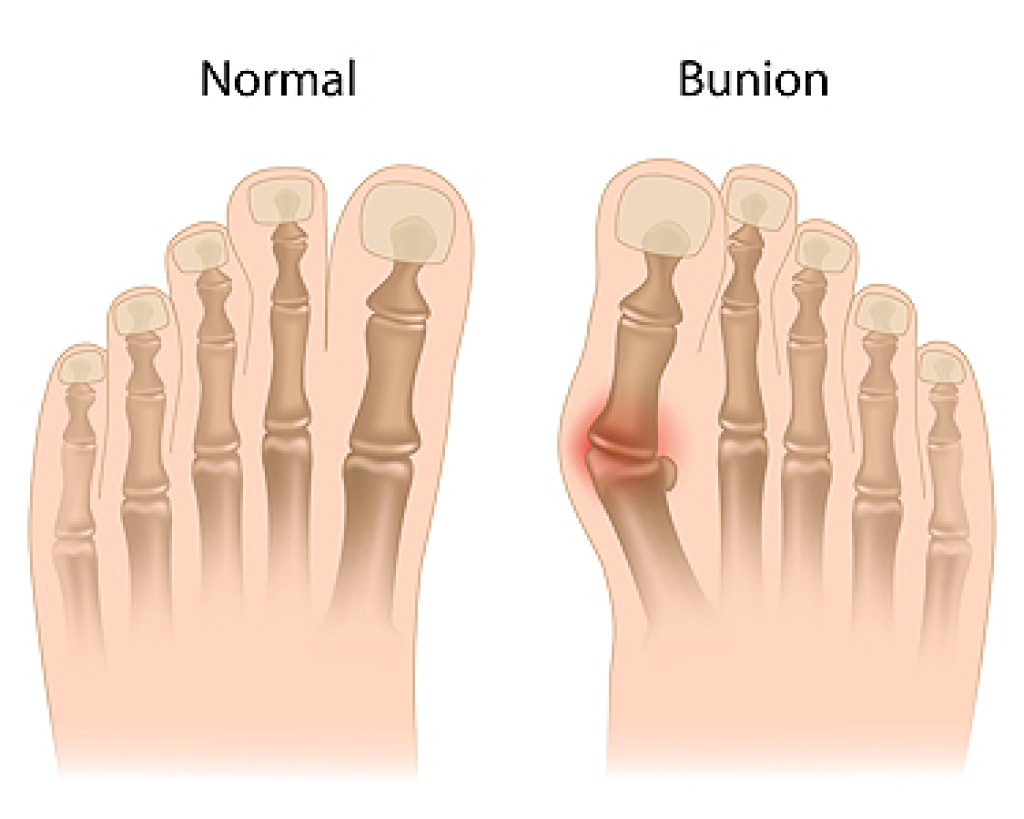
What Is a Bunion?

A bunion is formed of swollen tissue or an enlargement of boney growth, usually located at the base joint of the toe that connects to the foot. The swelling occurs due to the bones in the big toe shifting inward, which impacts the other toes of the foot. This causes the area around the base of the big toe to become inflamed and painful.

Why Do Bunions Form?

Genetics – Susceptibility to bunions are often hereditary

Stress on the feet – Poorly fitted and uncomfortable footwear that places stress on feet, such as heels, can worsen existing bunions

How Are Bunions Diagnosed?

Podiatrists often perform two tests – blood tests and x-rays – when trying to diagnose bunions, especially in the early stages of development. Blood tests help determine if the foot pain is being caused by something else, such as arthritis, while x-rays provide a clear picture of your bone structure to your provider.

How Are Bunions Treated?

  • Refrain from wearing heels or similar shoes that cause discomfort
  • Select wider shoes that can provide more comfort and reduce pain
  • Anti-inflammatory and pain management drugs
  • Orthotics or foot inserts
  • Surgery

If you have any questions, please feel free to contact our office located in McKinney and Coppell, TX . We offer the newest diagnostic and treatment technologies for all your foot care needs.

Read more about What Are Bunions?

Foot Cramps and Their Causes

Foot cramps are sudden, involuntary muscle contractions that cause sharp pain and tightness in the feet. They can indicate underlying issues, such as dehydration, poor circulation, nerve problems, or muscle fatigue. Symptoms include intense pain, hardening of the muscle, and temporary difficulty in moving the foot. Risk factors include overexertion, prolonged standing, inadequate stretching, or wearing unsupportive shoes. Common causes may also involve electrolyte imbalances, medical conditions like diabetes, or certain medications. A podiatrist can help by identifying contributing factors, recommending lifestyle changes, prescribing orthotics, and suggesting stretching routines to reduce recurrence. If you have frequent or severe foot cramps, it is suggested that you consult a podiatrist who can determine the cause, and offer effective treatment and relief solutions, 

Foot Pain

Foot pain can be extremely painful and debilitating. If you have a foot pain, consult with Jeffrey Radack, DPM from Texas Regional Foot & Ankle Clinics. Our doctor will assess your condition and provide you with quality foot and ankle treatment.

Causes

Foot pain is a very broad condition that could be caused by one or more ailments. The most common include:

  • Bunions
  • Hammertoes
  • Plantar Fasciitis
  • Bone Spurs
  • Corns
  • Tarsal Tunnel Syndrome
  • Ingrown Toenails
  • Arthritis (such as Gout, Rheumatoid, and Osteoarthritis)
  • Flat Feet
  • Injury (from stress fractures, broken toe, foot, ankle, Achilles tendon ruptures, and sprains)
  • And more

Diagnosis

To figure out the cause of foot pain, podiatrists utilize several different methods. This can range from simple visual inspections and sensation tests to X-rays and MRI scans. Prior medical history, family medical history, and any recent physical traumatic events will all be taken into consideration for a proper diagnosis.

Treatment

Treatment depends upon the cause of the foot pain. Whether it is resting, staying off the foot, or having surgery; podiatrists have a number of treatment options available for foot pain.

If you have any questions, please feel free to contact our office located in McKinney and Coppell, TX . We offer the newest diagnostic and treatment technologies for all your foot care needs.

Read more about Foot Pain

Risks and Causes of MTP Joint Pain

The toes are connected to the long bones of the foot with metatarsophalangeal, or MTP,  joints. These joints are essential for balance and forward motion while walking. Pain in this area, most often in the big toe, develops when the joint is exposed to excess stress, poor alignment, or conditions that cause inflammation. Common causes include bunions, turf toe, and certain forms of arthritis like gout, osteoarthritis, and rheumatoid arthritis. MTP joint problems can lead to swelling, stiffness, and tenderness that make it difficult to walk or stand comfortably. Risk factors include chronic inflammatory disease and foot or leg misalignment. Wearing shoes that lack adequate support or place pressure on the toes, such as high heels or narrow footwear, are other factors. A podiatrist can assess the underlying cause and provide effective treatment to reduce pain and improve alignment. If you have ongoing pain in an MTP joint, it is suggested that you make an appointment with a podiatrist for an exam and treatment options.

Toe pain can disrupt your daily activities. If you have any concerns, contact Jeffrey Radack, DPM of Texas Regional Foot & Ankle Clinics. Our doctor can provide the care you need to keep you pain-free and on your feet.

What Causes Toe Pain?

Most severe toe pain is caused due to a sports injury, trauma from dropping something heavy on the toe, or bumping into something rigid. Other problems can develop over time for various reasons.

Toe pain can be caused by one or more ailments. The most common include:

  • Trauma
  • Sports injury
  • Wearing shoes that are too tight
  • Arthritis
  • Gout
  • Corns and calluses
  • Hammertoe
  • Bunions
  • Blisters
  • Ingrown toenails
  • Sprains
  • Fractures (broken bones)
  • Dislocations

When to See a Podiatrist

  • Severe pain
  • Persistent pain that lasts more than a week
  • Signs of infection
  • Continued swelling
  • Pain that prevents walking

Diagnosis

In many cases the cause of toe pain is obvious, but in others, a podiatrist may want to use more advanced methods to determine the problem. These can range from simple visual inspections and sensation tests to X-rays and MRI scans. Prior medical history, family medical history, and any recent physical traumatic events will all be taken into consideration for a proper diagnosis.

Treatment

Treatments for toe pain and injuries vary and may include shoe inserts, padding, taping, medicines, injections, and in some cases, surgery. If you believe that you have broken a toe, please see a podiatrist as soon as possible.

If you have any questions please contact our office located in McKinney and Coppell, TX . We offer the newest diagnostic and treatment technologies for all your foot and ankle needs.

Read more about Toe Pain

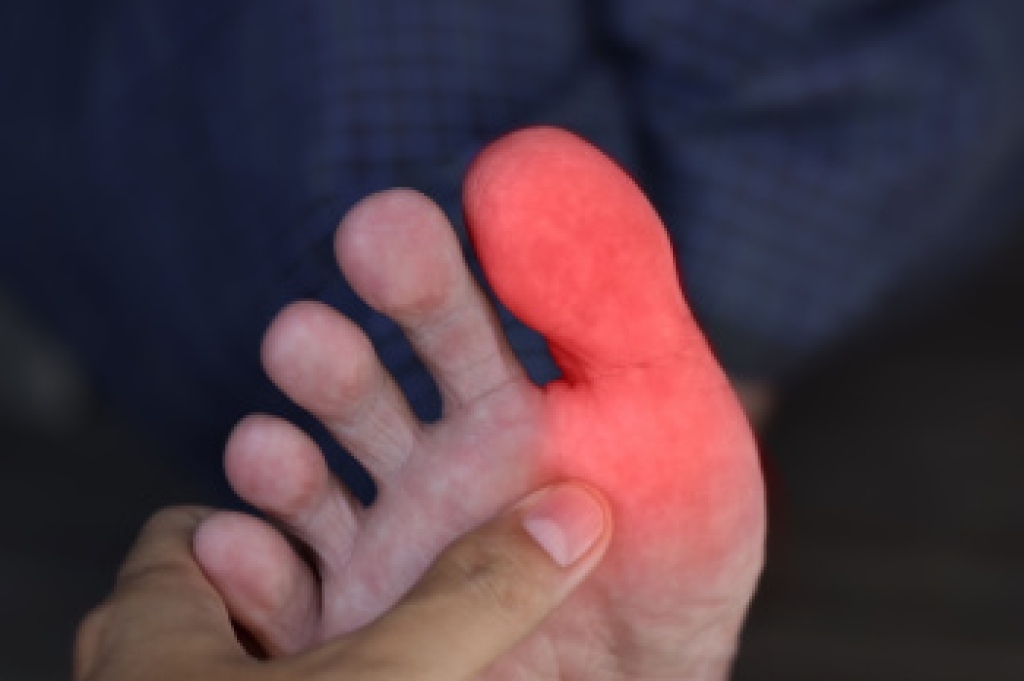
When Heel Pain Signals Plantar Fasciitis

Plantar fasciitis is one of the most common causes of heel discomfort, often producing sharp pain with the first steps in the morning or after long periods of rest. The condition develops when the plantar fascia, which is the strong band of tissue along the bottom of the foot, becomes irritated or inflamed. Contributing factors include flat feet, high arches, unsupportive shoes, excess weight, or repetitive strain from running and standing. Over time, the tissue tightens and microtears may form, leading to ongoing soreness. Stretching the calves and plantar fascia and using supportive footwear can ease symptoms. Night splints and orthotic inserts may also provide relief. While many cases improve with conservative care, untreated plantar fasciitis can become chronic and interfere with daily activity. If heel pain persists, it is suggested that you visit a podiatrist for an accurate diagnosis and a tailored treatment plan.

Plantar fasciitis can be very painful and inconvenient. If you are experiencing heel pain or symptoms of plantar fasciitis, contact Jeffrey Radack, DPM  from Texas Regional Foot & Ankle Clinics. Our doctor can provide the care you need to keep you pain-free and on your feet.

What Is Plantar Fasciitis?

Plantar fasciitis is the inflammation of the thick band of tissue that runs along the bottom of your foot, known as the plantar fascia, and causes mild to severe heel pain.

What Causes Plantar Fasciitis?

  • Excessive running
  • Non-supportive shoes
  • Overpronation
  • Repeated stretching and tearing of the plantar fascia

How Can It Be Treated?

  • Conservative measures – anti-inflammatories, ice packs, stretching exercises, physical therapy, orthotic devices
  • Shockwave therapy – sound waves are sent to the affected area to facilitate healing and are usually used for chronic cases of plantar fasciitis
  • Surgery – usually only used as a last resort when all else fails. The plantar fascia can be surgically detached from the heel

While very treatable, plantar fasciitis is definitely not something that should be ignored. Especially in severe cases, speaking to your doctor right away is highly recommended to avoid complications and severe heel pain. Your podiatrist can work with you to provide the appropriate treatment options tailored to your condition.

If you have any questions, please feel free to contact our office located in McKinney and Coppell, TX . We offer the newest diagnostic and treatment technologies for all your foot care needs.
Read more about Plantar Fasciitis

Growing Pains That Should Not Be Ignored

Sever's disease is a common cause of heel pain in growing children, especially those who are active in sports. It occurs when the growth plate in the heel becomes inflamed due to repetitive stress or tension from the Achilles tendon. Symptoms include heel pain during or after physical activity, limping, swelling, tenderness at the back of the heel, and stiffness in the foot upon waking. The heel may appear slightly red or swollen and often feels sore when squeezed. Sever's disease usually affects children between the ages of 8 and 14 during growth spurts. A podiatrist can diagnose the condition through a physical examination and a review of activity levels and symptoms. Imaging is rarely needed but may be used to rule out other issues. Treatment options include stretching exercises, heel lifts, supportive footwear, and temporary activity modification. It is suggested that you make an appointment with a podiatrist to manage symptoms and promote proper healing.

Sever's disease often occurs in children and teens. If your child is experiencing foot or ankle pain, see Jeffrey Radack, DPM from Texas Regional Foot & Ankle Clinics. Our doctor can treat your child’s foot and ankle needs.

Sever’s Disease

Sever’s disease is also known as calcaneal apophysitis, which is a medical condition that causes heel pain I none or both feet. The disease is known to affect children between the ages of 8 and 14.

Sever’s disease occurs when part of the child’s heel known as the growth plate (calcaneal epiphysis) is attached to the Achilles tendon. This area can suffer injury when the muscles and tendons of the growing foot do not keep pace with bone growth. Therefore, the constant pain which one experiences at the back of the heel will make the child unable to put any weight on the heel. The child is then forced to walk on their toes.

Symptoms

Acute pain – Pain associated with Sever’s disease is usually felt in the heel when the child engages in physical activity such as walking, jumping and or running.

Highly active – Children who are very active are among the most susceptible in experiencing Sever’s disease, because of the stress and tension placed on their feet.

If you have any questions, please feel free to contact our office located in McKinney and Coppell, TX . We offer the newest diagnostic and treatment technologies for all your foot care needs.
Read more about Sever's Disease

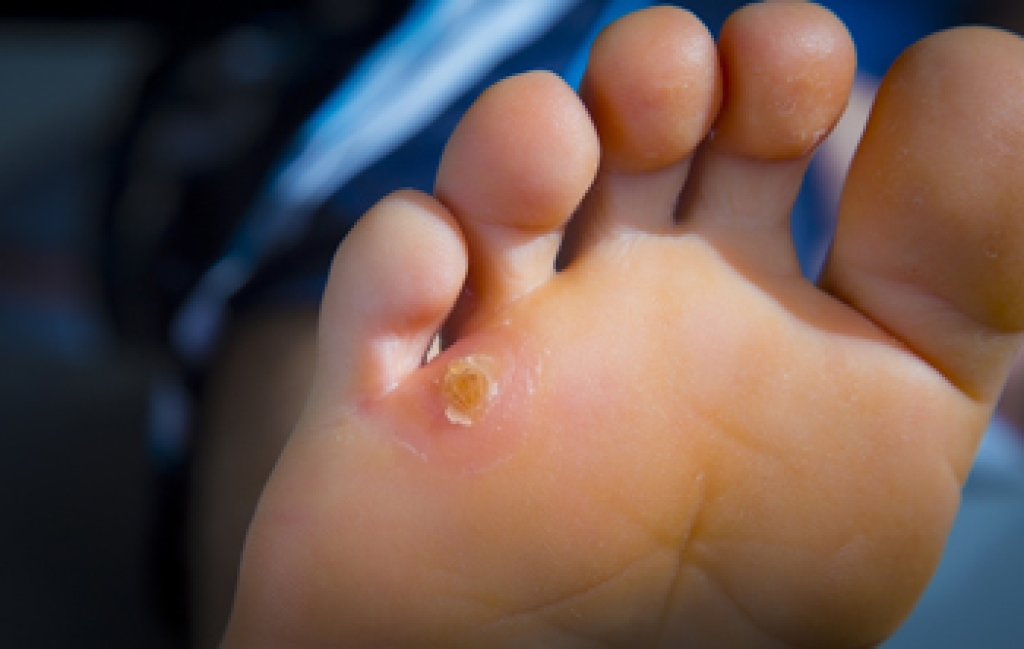
Types of Corns on the Feet

A corn on the foot can develop from excess pressure. This is often the result of wearing shoes that do not fit correctly. The types of corns that can form are referred to as hard and soft corns. The latter gradually develops between the toes and can cause severe pain and discomfort. The top of the corn is often moist, and toes that are crammed together for the majority of the day may cause this to occur. Hard corns can develop on top of the toes, or on the bottom of the feet. Patients who run barefoot may be susceptible to developing a hard corn. Additionally, they can form on top of the toes from wearing shoes that can cause excess friction as walking and running are pursued. If you have a corn on your foot, please consult with a podiatrist who can effectively treat any type of corn.

If you have any concerns regarding your feet and ankles, contact Jeffrey Radack, DPM of Texas Regional Foot & Ankle Clinics. Our doctor will treat your foot and ankle needs.

Corns: What Are They? and How Do You Get Rid of Them?
Corns can be described as areas of the skin that have thickened to the point of becoming painful or irritating. They are often layers and layers of the skin that have become dry and rough, and are normally smaller than calluses.

Ways to Prevent Corns
There are many ways to get rid of painful corns such as wearing:

  • Well-fitting socks
  • Comfortable shoes that are not tight around your foot
  • Shoes that offer support

Treating Corns
Treatment of corns involves removing the dead skin that has built up in the specific area of the foot. Consult with Our doctor to determine the best treatment option for your case of corns.

If you have any questions, please feel free to contact our office located in McKinney and Coppell, TX . We offer the newest diagnostic and treatment technologies for all your foot care needs.
Read more about Corns: What Are They, and How Do You Get Rid of Them

Do Your Child's Feet Hurt?

Have your child's feet been examined lately? Healthy feet are happy feet. If your child is complaining of foot pain, it may be a sign of underlying problems.

Connect With Us