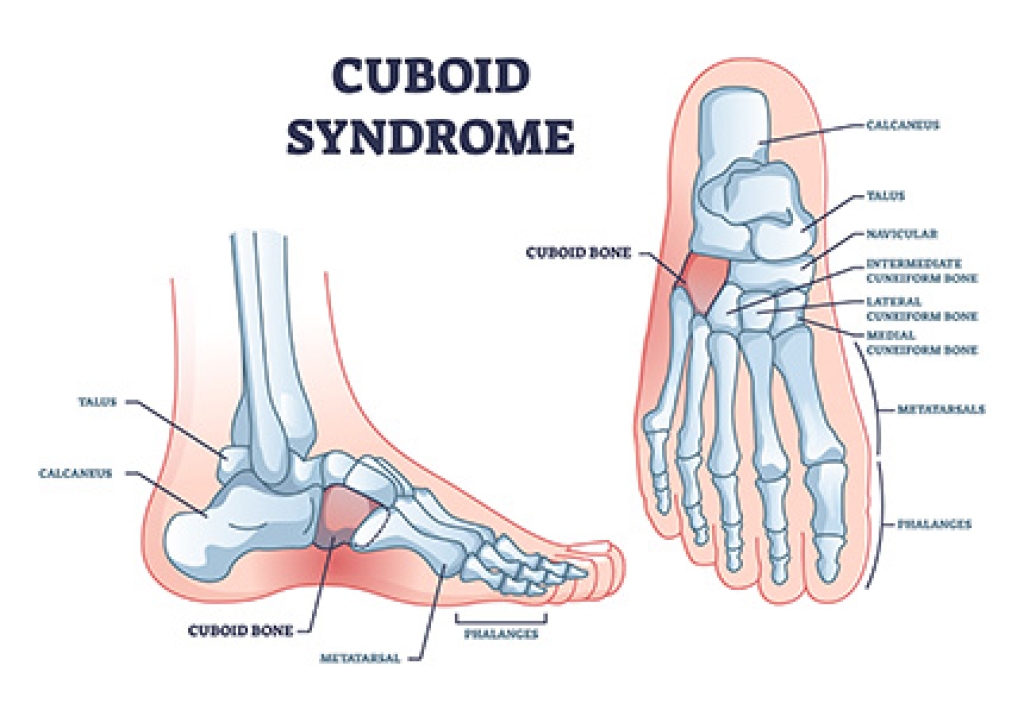
Cuboid syndrome is a foot condition that affects the cuboid bone, which is located on the outer side of the midfoot. This small bone plays an important role in maintaining foot stability and supporting normal walking mechanics. Cuboid syndrome occurs when the bone becomes partially displaced or misaligned, often due to excessive strain or sudden injury. This disruption can interfere with normal joint movement and lead to discomfort in the lateral midfoot. The condition is often seen in athletes and individuals who engage in repetitive weight-bearing activities.
The symptoms of cuboid syndrome typically include pain along the outer midfoot, especially during walking or standing. Patients may also notice swelling, tenderness, and a feeling of weakness in the foot. In some cases, the pain may worsen with push-off movements or side-to-side motion. Difficulty walking is a common concern, as the discomfort can limit mobility and affect balance. These symptoms can resemble other foot injuries, which makes accurate identification important for proper care.
Several causes and risk factors contribute to the development of cuboid syndrome. A common cause is an ankle sprain that places stress on the surrounding structures, leading to cuboid misalignment. Repetitive strain from running, jumping, or prolonged standing can also increase the risk. Wearing poor footwear that lacks proper support may contribute to uneven pressure on the foot. Individuals with high arches or abnormal foot mechanics may be more prone to this condition due to altered weight distribution.
Managing cuboid syndrome involves addressing both the symptoms and the underlying cause. Rest, wearing supportive footwear, and targeted therapies can help reduce pain and improve foot function. Early recognition and appropriate care are essential to prevent ongoing discomfort and mobility issues. Taking steps to protect the midfoot can support long-term foot health. If you have pain in this area of your foot, it is suggested that you consult a podiatrist who can accurately diagnose and treat cuboid syndrome.
Cuboid syndrome, also known as cuboid subluxation, occurs when the joints and ligaments near the cuboid bone in the foot become torn. If you have cuboid syndrome, consult with Jeffrey Radack, DPM from Texas Regional Foot & Ankle Clinics. Our doctor will assess your condition and provide you with quality foot and ankle treatment.
Cuboid syndrome is a common cause of lateral foot pain, which is pain on the outside of the foot. The condition may happen suddenly due to an ankle sprain, or it may develop slowly overtime from repetitive tension through the bone and surrounding structures.
Causes
The most common causes of cuboid syndrome include:
- Injury – The most common cause of this ailment is an ankle sprain.
- Repetitive Strain – Tension placed through the peroneus longus muscle from repetitive activities such as jumping and running may cause excessive traction on the bone causing it to sublux.
- Altered Foot Biomechanics – Most people suffering from cuboid subluxation have flat feet.
Symptoms
A common symptom of cuboid syndrome is pain along the outside of the foot which can be felt in the ankle and toes. This pain may create walking difficulties and may cause those with the condition to walk with a limp.
Diagnosis
Diagnosis of cuboid syndrome is often difficult, and it is often misdiagnosed. X-rays, MRIs and CT scans often fail to properly show the cuboid subluxation. Although there isn’t a specific test used to diagnose cuboid syndrome, your podiatrist will usually check if pain is felt while pressing firmly on the cuboid bone of your foot.
Treatment
Just as the range of causes varies widely, so do treatments. Some more common treatments are ice therapy, rest, exercise, taping, and orthotics.
If you have any questions, please feel free to contact our office located in McKinney and Coppell, TX . We offer the newest diagnostic and treatment technologies for all your foot care needs.
