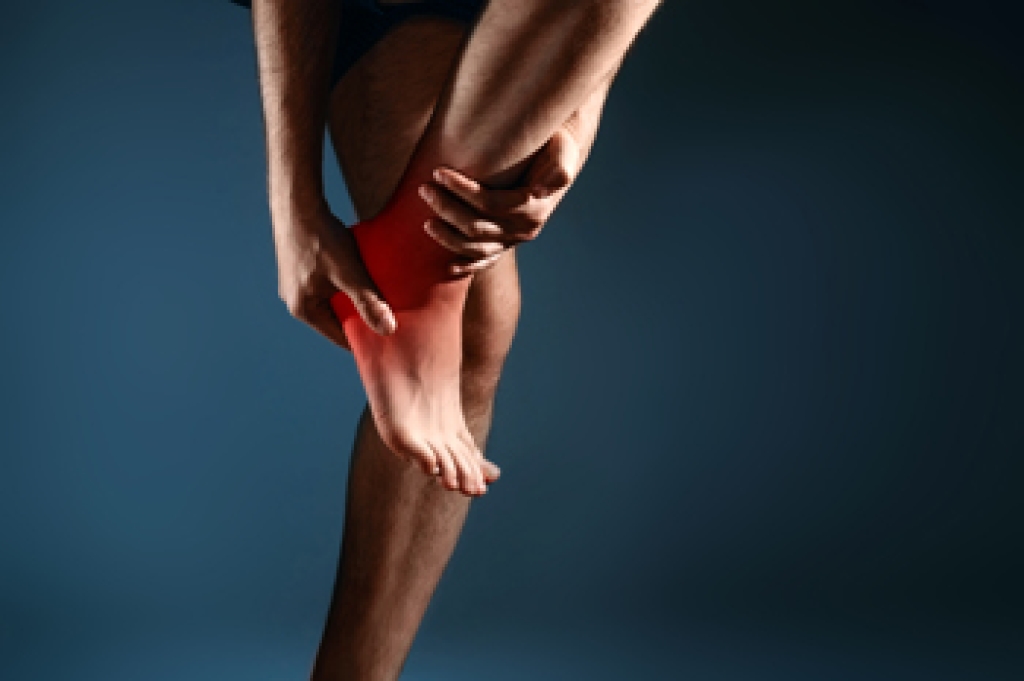
Possible Causes for Pain on the Outside of Your Foot

Pain on the outer, or lateral, side of your foot can occur due to a variety of reasons. You may have had a foot or ankle condition, like an ankle sprain, that was not treated or did not properly heal. Your cuboid bone, the most lateral bone in the midfoot, may have become partially dislocated due to excess tension or weight placed upon it. You may be compensating for a bunion on the inside of your foot by placing most of your weight on lateral side. The peroneal tendons, which run from the back of your calf to the lateral side of your foot, may be inflamed or swollen—a condition known as peroneal tendonitis. Other possible causes for lateral pain in your foot include stress fractures, arthritis, or even tarsal coalition—a rare congenital condition where bones located near the back of the foot are not connected properly. Consult with a podiatrist who can discover the underlying cause of your lateral foot pain and treat it accordingly.

Foot Pain

Foot pain can be extremely painful and debilitating. If you have a foot pain, consult with Jeffrey Radack, DPM from Texas Regional Foot & Ankle Clinics. Our doctor will assess your condition and provide you with quality foot and ankle treatment.

Causes

Foot pain is a very broad condition that could be caused by one or more ailments. The most common include:

  • Bunions
  • Hammertoes
  • Plantar Fasciitis
  • Bone Spurs
  • Corns
  • Tarsal Tunnel Syndrome
  • Ingrown Toenails
  • Arthritis (such as Gout, Rheumatoid, and Osteoarthritis)
  • Flat Feet
  • Injury (from stress fractures, broken toe, foot, ankle, Achilles tendon ruptures, and sprains)
  • And more

Diagnosis

To figure out the cause of foot pain, podiatrists utilize several different methods. This can range from simple visual inspections and sensation tests to X-rays and MRI scans. Prior medical history, family medical history, and any recent physical traumatic events will all be taken into consideration for a proper diagnosis.

Treatment

Treatment depends upon the cause of the foot pain. Whether it is resting, staying off the foot, or having surgery; podiatrists have a number of treatment options available for foot pain.

If you have any questions, please feel free to contact our office located in McKinney and Coppell, TX . We offer the newest diagnostic and treatment technologies for all your foot care needs.

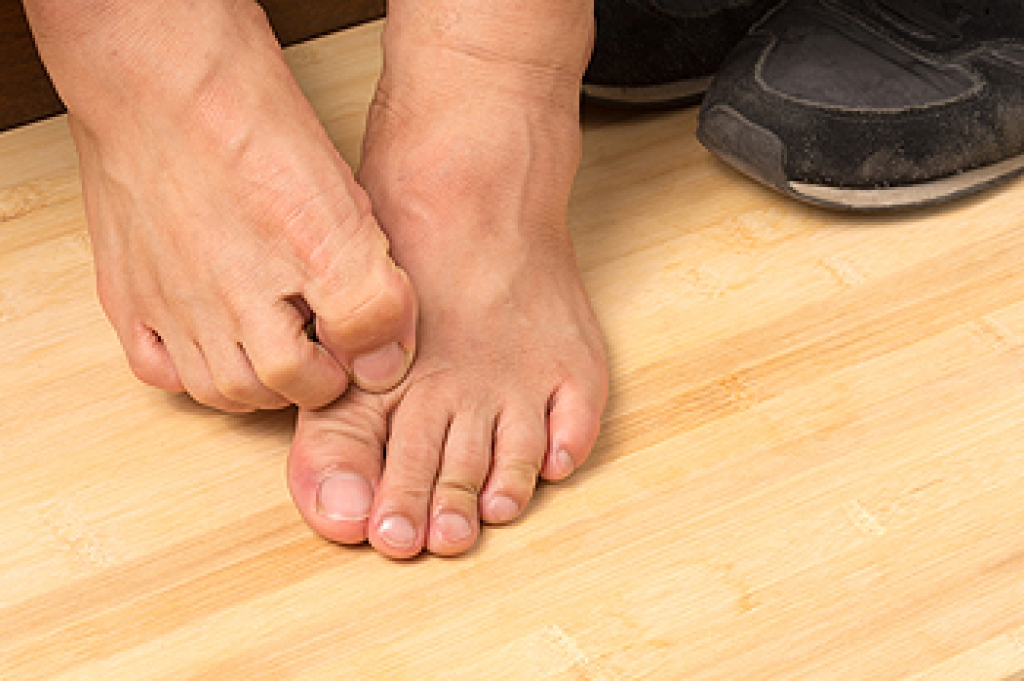
Read more about Foot Pain

How Contagious Is Athlete’s Foot?

Athlete’s foot is a fungal infection of the skin on the feet. It is characterized by an itchy, red rash and dry, peeling skin on the feet. Athlete’s foot is highly contagious. Many people catch it by walking barefoot in public areas such as swimming pools, locker rooms, and showers. These environments are warm and moist making them the perfect breeding ground for fungi. You can also catch this fungal infection by sharing personal items like towels, socks, or shoes with an infected individual. Athlete’s foot can spread from your feet to other parts of the body as well, so it is best to treat the infection as soon as possible. If you have symptoms of athlete’s foot, please seek the care of a podiatrist.  

Athlete’s Foot

Athlete’s foot is often an uncomfortable condition to experience. Thankfully, podiatrists specialize in treating athlete’s foot and offer the best treatment options. If you have any questions about athlete’s foot, consult with Jeffrey Radack, DPM from Texas Regional Foot & Ankle Clinics. Our doctor will assess your condition and provide you with quality treatment.

What Is Athlete’s Foot?

Tinea pedis, more commonly known as athlete’s foot, is a non-serious and common fungal infection of the foot. Athlete’s foot is contagious and can be contracted by touching someone who has it or infected surfaces. The most common places contaminated by it are public showers, locker rooms, and swimming pools. Once contracted, it grows on feet that are left inside moist, dark, and warm shoes and socks.

Prevention

The most effective ways to prevent athlete’s foot include:

  • Thoroughly washing and drying feet
  • Avoid going barefoot in locker rooms and public showers
  • Using shower shoes in public showers
  • Wearing socks that allow the feet to breathe
  • Changing socks and shoes frequently if you sweat a lot

Symptoms

Athlete’s foot initially occurs as a rash between the toes. However, if left undiagnosed, it can spread to the sides and bottom of the feet, toenails, and if touched by hand, the hands themselves. Symptoms include:

  • Redness
  • Burning
  • Itching
  • Scaly and peeling skin

Diagnosis and Treatment

Diagnosis is quick and easy. Skin samples will be taken and either viewed under a microscope or sent to a lab for testing. Sometimes, a podiatrist can diagnose it based on simply looking at it. Once confirmed, treatment options include oral and topical antifungal medications.

If you have any questions, please feel free to contact our office located in McKinney and Coppell, TX . We offer the newest diagnostic and treatment technologies for all your foot care needs.

Read more about Athlete's Foot

The Educational Path of a Podiatrist

Podiatrists can diagnose and treat a variety of conditions affecting the feet, ankles, and associated areas of the lower legs. Many podiatrists have a variety of specialties including, but not limited to, the treatment of diabetic foot conditions and wounds, sports medicine, pediatrics, ankle injuries, and bunion or hammertoe correction. To become a podiatrist, normally education starts with an undergraduate degree in biology, chemistry or physics, typically. To enter medical school, students must pass the Medical College Admission Test (MCAT). After four years of medical school, they will graduate with a DPM (Doctorate of Podiatric Medicine) from an accredited college. Podiatrists must then complete a minimum of three years in a podiatric medicine and surgery residency (PMSR) program. These residencies are in hospitals or medical centers which provide the podiatrist with hands-on experience in medical and surgical treatments and procedures. Podiatrists can also embark on additional training in specific fellowship areas.

If you are dealing with pain in your feet and ankles, you may want to seek help from a podiatrist. Feel free to contact Jeffrey Radack, DPM from Texas Regional Foot & Ankle Clinics. Our doctor can provide the care you need to keep you pain-free and on your feet.

What Is a Podiatrist?

A podiatrist diagnoses and treats conditions of the foot, ankle, and related structures of the leg. Your podiatrist may specialize in a certain field such as sports medicine, wound care, pediatrics, and diabetic care. Podiatrists have the ability to become board certified through training, clinical experience, and then taking an exam.

What Do Podiatrists Do?

On a daily basis, a podiatrist may perform the following activities:

  • Diagnose foot ailments such as ulcers, tumors, fractures, etc.
  • Use innovative methods to treat conditions
  • Use corrective orthotics, casts, and strappings to correct deformities
  • Correct walking patterns and balance
  • Provide individual consultations to patients

It is very important that you take care of your feet. It’s easy to take having healthy feet for granted, however foot problems tend to be among the most common health conditions. Podiatrists can help diagnose and treat a variety of feet related conditions, so it is crucial that you visit one if you need assistance.

If you have any questions, please feel free to contact our office located in McKinney and Coppell, TX . We offer the newest diagnostic and treatment technologies for all your foot care needs.

Read more about What is a Podiatrist?

Why Custom Orthotics Are Important

You may have seen or heard of over-the-counter shoe inserts in the form of insoles, heel liners, or arch supports. While they do provide minimal cushioning, none of these inserts are designed to fit to your individual feet, nor can they correct any particular gait or structural issues. Custom orthotics prescribed and fitted by a podiatrist are specifically designed to improve your body’s biomechanics (how it moves). Orthotics can help reduce pain, adjust an abnormal gait, compensate for a congenital foot deformity, create more support for your feet, and help distribute weight more evenly across your feet. If you live with any type of foot pain or discomfort, or have ambulatory issues, check with a podiatrist to see if custom orthotics can help your particular condition.

If you are having discomfort in your feet and would like to try orthotics, contact Jeffrey Radack, DPM from Texas Regional Foot & Ankle Clinics. Our doctor can provide the care you need to keep you pain-free and on your feet.

What Are Orthotics?

Orthotics are inserts you can place into your shoes to help with a variety of foot problems such as flat feet or foot pain. Orthotics provide relief and comfort for minor foot and heel pain but can’t correct serious biomechanical problems in your feet.

Over-the-Counter Inserts

Orthotics come in a wide variety of over-the-counter inserts that are used to treat foot pain, heel pain, and minor problems. For example, arch supports can be inserted into your shoes to help correct overarched or flat feet, while gel insoles are often used because they provide comfort and relief from foot and heel pain by alleviating pressure.

Prescription Orthotics

If over-the-counter inserts don’t work for you or if you have a more severe foot concern, it is possible to have your podiatrist prescribe custom orthotics. These high-quality inserts are designed to treat problems such as abnormal motion, plantar fasciitis, and severe forms of heel pain. They can even be used to help patients suffering from diabetes by treating foot ulcers and painful calluses and are usually molded to your feet individually, which allows them to provide full support and comfort.

If you are experiencing minor to severe foot or heel pain, it’s recommended to speak with your podiatrist about the possibilities of using orthotics. A podiatrist can determine which type of orthotic is right for you and allow you to take the first steps towards being pain-free.

If you have any questions, please feel free to contact our office located in McKinney and Coppell, TX . We offer the newest diagnostic and treatment technologies for all your foot care needs.

Read more about Foot Orthotics

Connect With Us