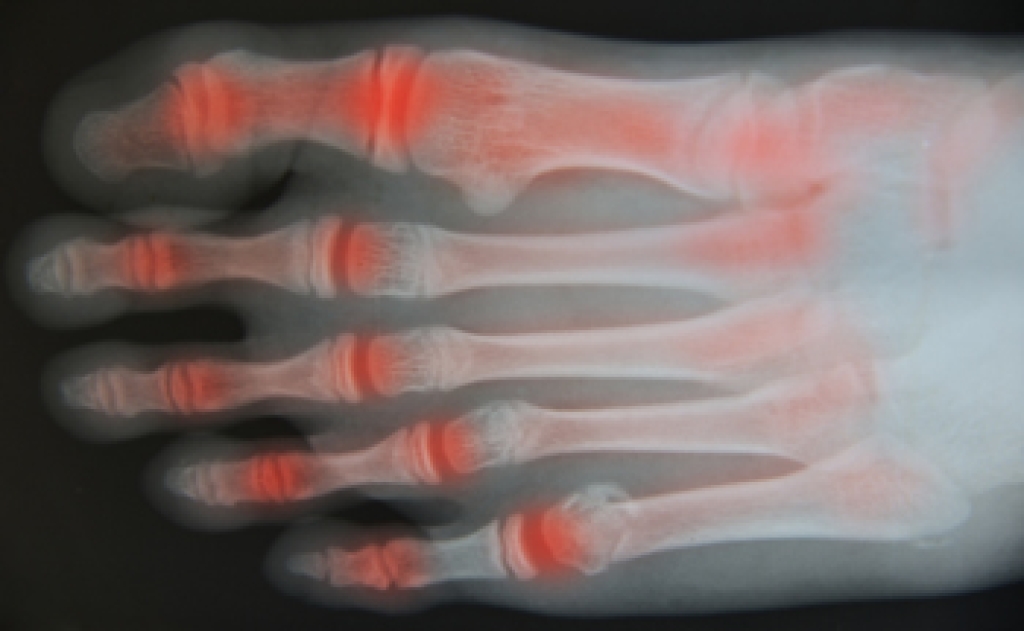
How the Foot Is Affected by Rheumatoid Arthritis

People who develop rheumatoid arthritis, or RA, are no strangers to the pain this condition can cause. The symptoms that often accompany this ailment can include stiffness, and the joints throughout the body may be swollen. The feet can be affected by rheumatoid arthritis, and it may be difficult to walk and complete daily activities. RA is considered to be an autoimmune disease, and it attacks the lining of the joints. Some patients can experience fevers, extreme fatigue, and possible weight loss. The components of the feet that are affected can include the cartilage, toe joints, and the joints that connect the foot and the ankle. Patients who are afflicted with RA look for relief, and may find it, by wearing custom-made orthotics, practicing a regular exercise routine, and maintaining a healthy weight. If you have foot pain, it is strongly suggested that you consult with a podiatrist who can diagnose and treat rheumatoid arthritis.

Because RA affects more than just your joints, including the joints in your feet and ankles, it is important to seek early diagnosis from your podiatrist if you feel like the pain in your feet might be caused by RA. For more information, contact Jeffrey Radack, DPM of Texas Regional Foot & Ankle Clinics. Our doctor will assist you with all of your podiatric concerns.

What Is Rheumatoid Arthritis?

Rheumatoid Arthritis (RA) is an autoimmune disorder in which the body’s own immune system attacks the membranes surrounding the joints. Inflammation of the lining and eventually the destruction of the joint’s cartilage and bone occur, causing severe pain and immobility.

Rheumatoid Arthritis of the Feet

Although RA usually attacks multiple bones and joints throughout the entire body, almost 90 percent of cases result in pain in the foot or ankle area.

Symptoms

  • Swelling and pain in the feet
  • Stiffness in the feet
  • Pain on the ball or sole of feet
  • Joint shift and deformation

Diagnosis

Quick diagnosis of RA in the feet is important so that the podiatrist can treat the area effectively. Your doctor will ask you about your medical history, occupation, and lifestyle to determine the origin of the condition. Rheumatoid Factor tests help to determine if someone is affected by the disease.

If you have any questions, please feel free to contact our office located in McKinney and Coppell, TX . We offer the newest diagnostic and treatment technologies for all your foot care needs.
Read more about Rheumatoid Arthritis in the Feet

Is Toenail Fungus Contagious?

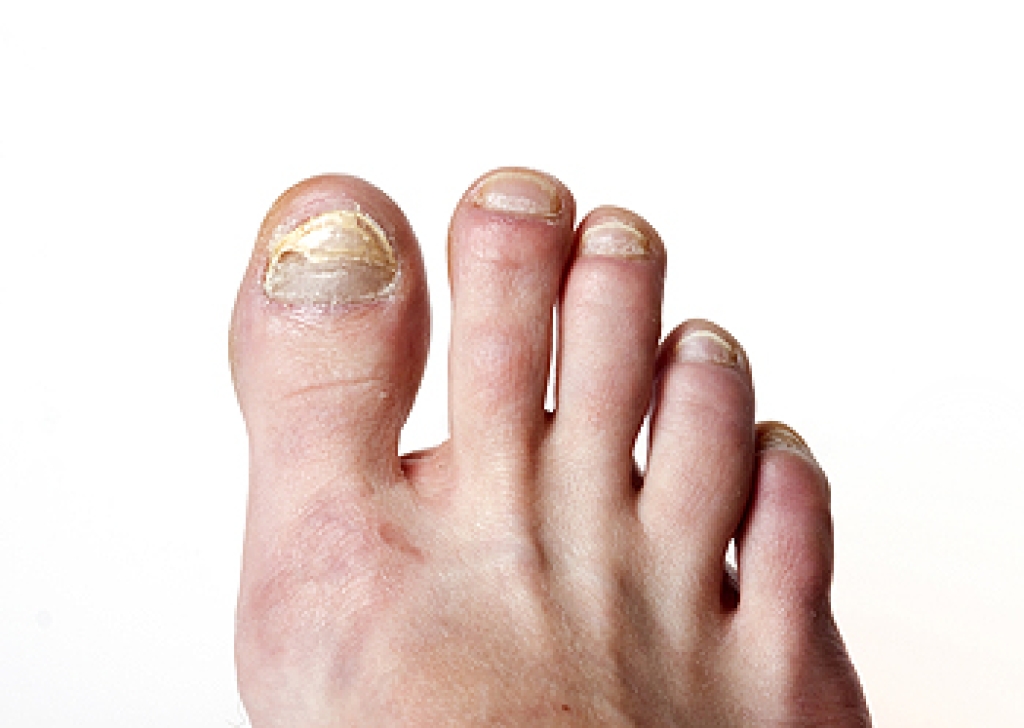
The toenails can look disfigured with a severe case of toenail fungus. It is caused by the human papillomavirus (HPV) and is considered to be highly contagious. This virus lives and thrives in warm and moist environments, such as public swimming pools, shower rooms, or similar areas. Some of the symptoms that are associated with toenail fungus can include yellowed nails that can become brittle, and the affected nails may emit an odor. It is beneficial to implement certain methods that are successful in preventing toenail fungus. These can consist of wearing appropriate shoes, such as flip flops or water shoes, and refraining from sharing shoes, socks, and towels. Toenail fungus does not improve without medical attention. If you have developed this condition, it is suggested that you confer with a podiatrist who can guide you toward the correct treatment options, which may include prescribed medicine.

For more information about treatment, contact Jeffrey Radack, DPM of Texas Regional Foot & Ankle Clinics. Our doctor can provide the care you need to keep you pain-free and on your feet.

Toenail Fungus Treatment

Toenail fungus is a condition that affects many people and can be especially hard to get rid of. Fortunately, there are several methods to go about treating and avoiding it.

Antifungals & Deterrence

Oral antifungal medicine has been shown to be effective in many cases. It is important to consult with a podiatrist to determine the proper regiment for you, or potentially explore other options.

Applying foot powder on the feet and shoes helps keep the feet free of moisture and sweat.

Sandals or open toed shoes – Wearing these will allow air movement and help keep feet dry. They also expose your feet to light, which fungus cannot tolerate. Socks with moisture wicking material also help as well.

If you have any questions please contact our office located in McKinney and Coppell, TX . We offer the newest diagnostic and treatment technologies for all your foot and ankle needs.

Read more about How to Treat Your Toenail Fungus

A Tell-Tale Symptom of Flat Feet

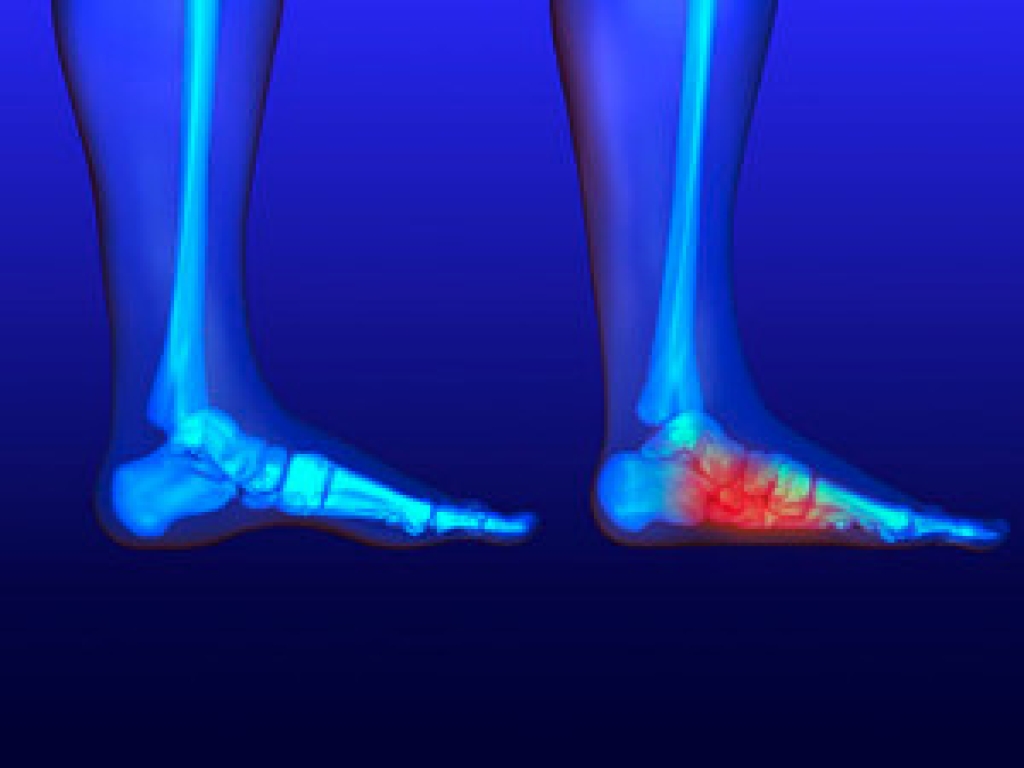
Flat feet are a common foot ailment that can be easy to observe. While standing up, does the entire foot lie flat on the floor? Most babies are born with flat feet, and the arch generally develops by the teenage years. This may not be the case for some adults, as genetics may contribute to having flat feet. Additionally, if a foot injury has occurred, flat feet may be the result. Many people do not experience pain with flat feet and can complete daily activities. Conversely, flat feet may cause pain and discomfort, and measures can be implemented to help reduce existing pain. These can include performing specific stretches that are tailored for patients with flat feet, in addition to wearing custom-made orthotics. If you have flat feet, it is strongly suggested that you are under the care of a podiatrist who can monitor your balance and general foot health. 

Flatfoot is a condition many people suffer from. If you have flat feet, contact Jeffrey Radack, DPM from Texas Regional Foot & Ankle Clinics. Our doctor will treat your foot and ankle needs.

What Are Flat Feet?

Flatfoot is a condition in which the arch of the foot is depressed and the sole of the foot is almost completely in contact with the ground. About 20-30% of the population generally has flat feet because their arches never formed during growth.

Conditions & Problems:

Having flat feet makes it difficult to run or walk because of the stress placed on the ankles.

Alignment – The general alignment of your legs can be disrupted, because the ankles move inward which can cause major discomfort.

Knees – If you have complications with your knees, flat feet can be a contributor to arthritis in that area.  

Symptoms

  • Pain around the heel or arch area
  • Trouble standing on the tip toe
  • Swelling around the inside of the ankle
  • Flat look to one or both feet
  • Having your shoes feel uneven when worn

Treatment

If you are experiencing pain and stress on the foot you may weaken the posterior tibial tendon, which runs around the inside of the ankle. 

If you have any questions, please feel free to contact our office located in McKinney and Coppell, TX . We offer the newest diagnostic and treatment technologies for all your foot care needs.

Read more about What is Flexible Flat Foot?

Are You Suffering From Nerve Damage?

Neuropathy is a condition that can lead to numbness or loss of sensation in the feet, but it can also cause pain. This condition is more likely to develop for those who are diabetic, obese, or with high blood pressure.

Toes May Fracture Easily

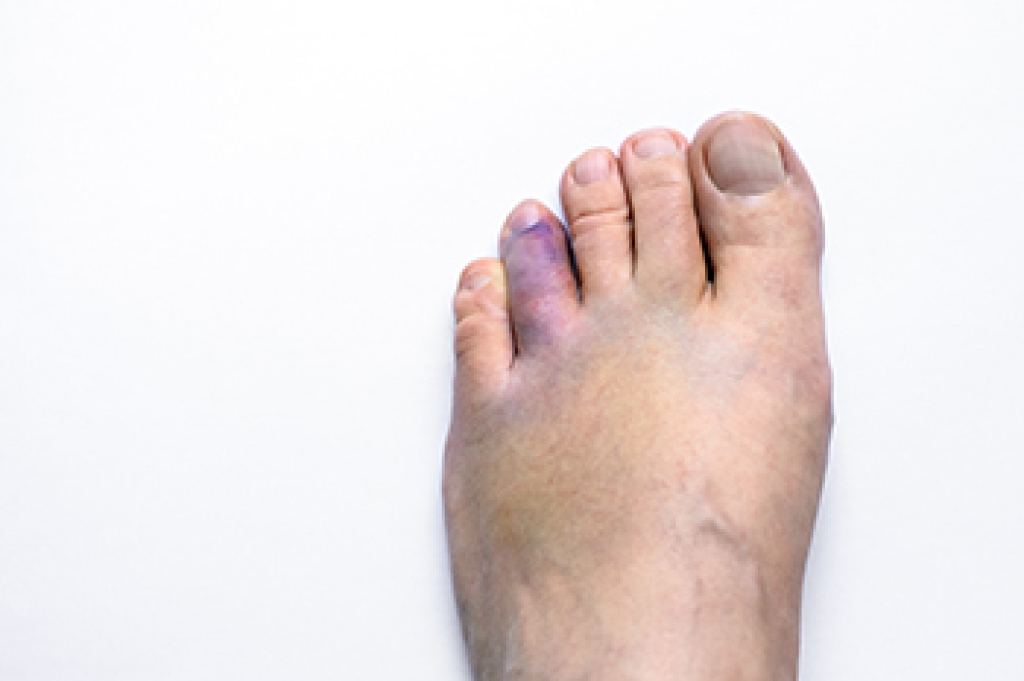
A broken toe can easily happen as a result of being located at the end of the body. Broken toes may occur if a heavy object drops on them, or if the toe is stubbed into a piece of furniture. Broken or fractured toes are easy to notice because swelling and bruising occurs immediately. It is a painful injury and an X-ray is often taken which can determine the severity of the fracture. Additional symptoms can include a popping sound at the time of injury and it is often difficult to walk. A mild break can be treated by using the buddy taping method, which is done by taping the affected toe to the toe next to it. Buddy taping is often successful in providing the necessary stability as the healing process takes place. For severely broken toes, surgery may be necessary to replace any protruding bones in addition to realigning the toes to their normal position. If you have broken your toe, it is suggested that you speak with a podiatrist who can help you with the treatment that is best for you.

A broken toe can be very painful and lead to complications if not properly fixed. If you have any concerns about your feet, contact Jeffrey Radack, DPM from Texas Regional Foot & Ankle Clinics. Our doctor will treat your foot and ankle needs.

What to Know About a Broken Toe

Although most people try to avoid foot trauma such as banging, stubbing, or dropping heavy objects on their feet, the unfortunate fact is that it is a common occurrence. Given the fact that toes are positioned in front of the feet, they typically sustain the brunt of such trauma. When trauma occurs to a toe, the result can be a painful break (fracture).

Symptoms of a Broken Toe

  • Throbbing pain
  • Swelling
  • Bruising on the skin and toenail
  • The inability to move the toe
  • Toe appears crooked or disfigured
  • Tingling or numbness in the toe

Generally, it is best to stay off of the injured toe with the affected foot elevated.

Severe toe fractures may be treated with a splint, cast, and in some cases, minor surgery. Due to its position and the pressure it endures with daily activity, future complications can occur if the big toe is not properly treated.

If you have any questions, please feel free to contact our office located in McKinney and Coppell, TX . We offer the newest diagnostic and treatment technologies for all your foot care needs.
Read more about What to Know About a Broken Toe

Foot Pain May Indicate Health Issues

Having persistent foot conditions may indicate there may be issues with overall health. Foot cramps can be a sign of dehydration, and may be remedied by drinking plenty of water. Morton’s neuroma can cause a tingling or burning sensation between the third and fourth toes and can happen from wearing shoes that do not have enough room for the toes to move freely in. Flakey skin may be a symptom of athlete's foot, which is caused by a fungal infection. Some patients have consistently cold feet, despite warm socks that are worn. This could mean there are circulatory issues, and it may be accompanied by fatigue. If you have foot pain for any reason, it is strongly suggested that you consult with a podiatrist who can provide treatment, in addition to determining if the foot pain represents an underlying health condition.

Foot Pain

Foot pain can be extremely painful and debilitating. If you have a foot pain, consult with Jeffrey Radack, DPM from Texas Regional Foot & Ankle Clinics. Our doctor will assess your condition and provide you with quality foot and ankle treatment.

Causes

Foot pain is a very broad condition that could be caused by one or more ailments. The most common include:

  • Bunions
  • Hammertoes
  • Plantar Fasciitis
  • Bone Spurs
  • Corns
  • Tarsal Tunnel Syndrome
  • Ingrown Toenails
  • Arthritis (such as Gout, Rheumatoid, and Osteoarthritis)
  • Flat Feet
  • Injury (from stress fractures, broken toe, foot, ankle, Achilles tendon ruptures, and sprains)
  • And more

Diagnosis

To figure out the cause of foot pain, podiatrists utilize several different methods. This can range from simple visual inspections and sensation tests to X-rays and MRI scans. Prior medical history, family medical history, and any recent physical traumatic events will all be taken into consideration for a proper diagnosis.

Treatment

Treatment depends upon the cause of the foot pain. Whether it is resting, staying off the foot, or having surgery; podiatrists have a number of treatment options available for foot pain.

If you have any questions, please feel free to contact our office located in McKinney and Coppell, TX . We offer the newest diagnostic and treatment technologies for all your foot care needs.

Read more about Foot Pain

Pain From Heel Spurs

Heel spurs are a bony growth that can develop on the underside of the heel bone, pointing towards the toes. Like many foot conditions, pain is a symptom linked to heel spurs. However, not all patients with heel spurs feel pain. Interestingly, only a fraction of those living with heel spurs experience pain. Often, heel spurs may be associated with plantar fasciitis, in which case pain can be felt at the bottom of the foot. Pain from heel spurs and plantar fasciitis can be more pronounced in the morning. If you are living with heel spurs, then it is suggested that you schedule an appointment with a podiatrist who can help you treat your condition. 

Heel spurs can be incredibly painful and sometimes may make you unable to participate in physical activities. To get medical care for your heel spurs, contact Jeffrey Radack, DPM from Texas Regional Foot & Ankle Clinics. Our doctor will do everything possible to treat your condition.

Heels Spurs

Heel spurs are formed by calcium deposits on the back of the foot where the heel is. This can also be caused by small fragments of bone breaking off one section of the foot, attaching onto the back of the foot. Heel spurs can also be bone growth on the back of the foot and may grow in the direction of the arch of the foot.

Older individuals usually suffer from heel spurs and pain sometimes intensifies with age. One of the main condition's spurs are related to is plantar fasciitis.

Pain

The pain associated with spurs is often because of weight placed on the feet. When someone is walking, their entire weight is concentrated on the feet. Bone spurs then have the tendency to affect other bones and tissues around the foot. As the pain continues, the feet will become tender and sensitive over time.

Treatments

There are many ways to treat heel spurs. If one is suffering from heel spurs in conjunction with pain, there are several methods for healing. Medication, surgery, and herbal care are some options.

If you have any questions, please feel free to contact our office located in McKinney and Coppell, TX . We offer the newest diagnostic and treatment technologies for all your foot care needs.
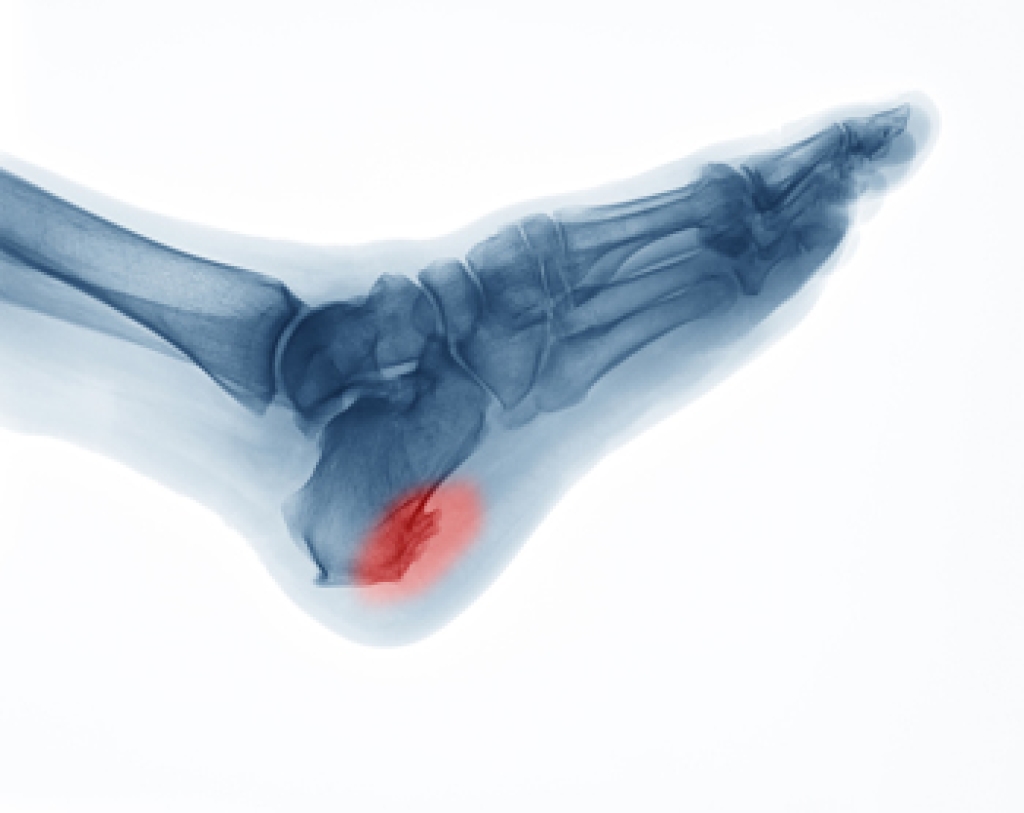
Read more about Heel Spurs

Hammertoe Deformities

A hammertoe is caused by the misalignment in one of the toe joints which results in the toe developing a Z-shaped deformity. It can develop from rheumatoid arthritis, neurologic foot disorders, or other causes. Typically, the second toe is affected, and this happens because of an elongated second metatarsal and pressure from a bunion on the big toe. Corns can progress on the hammertoe deformity and can be an additional source of pain. When one has a hammertoe, it is important to wear shoes with a wider toe box so the toes have enough room to move freely, as well as to accommodate the foot deformity. Toe pads and orthotics might also help those with hammertoes. If these conservative measures are not helpful, speak to your podiatrist and see if surgery is an option. If you suffer with a hammertoe, it is suggested that you visit a podiatrist for an examination and treatment.

Hammertoes can be a painful condition to live with. For more information, contact Jeffrey Radack, DPM of Texas Regional Foot & Ankle Clinics. Our doctor will answer any of your foot- and ankle-related questions.

Hammertoe

Hammertoe is a foot deformity that occurs due to an imbalance in the muscles, tendons, or ligaments that normally hold the toe straight. It can be caused by the type of shoes you wear, your foot structure, trauma, and certain disease processes.

Symptoms

  • Painful and/or difficult toe movement
  • Swelling
  • Joint stiffness
  • Calluses/Corns
  • Physical deformity

Risk Factors

  • Age – The risk of hammertoe increases with age
  • Sex – Women are more likely to have hammertoe compared to men
  • Toe Length – You are more likely to develop hammertoe if your second toe is longer than your big toe
  • Certain Diseases – Arthritis and diabetes may make you more likely to develop hammertoe

Treatment

If you have hammertoe, you should change into a more comfortable shoe that provides enough room for your toes. Exercises such as picking up marbles may strengthen and stretch your toe muscles. Nevertheless, it is important to seek assistance from a podiatrist in order to determine the severity of your hammertoe and see which treatment option will work best for you.

If you have any questions, please feel free to contact our office located in McKinney and Coppell, TX . We offer the newest diagnostic and treatment technologies for all your foot care needs.

Read more about Hammertoe

Get Professional Care for a Broken Foot or Ankle

Constant care and regular evaluation are important for a foot or ankle fracture. If left untreated, foot or ankle fractures can worsen over time and create more serious problems.

Don't wait to be examined if you believe you've experienced a foot or ankle fracture.

Flip Flops and Posture Problems

Flip flops may seem like the perfect summer shoe, however, they can wreak havoc on the health of your feet if worn for long periods of time. The negative health effects of flip flops are well known and documented, ranging from heel pain to nerve damage. Additionally, flip flops can cause an individual to develop problems with their posture. There are many different reasons for this. For example, since the feet are essentially the building blocks of the body’s posture, when we wear shoes that are not supportive, such as flip flops, the posture can collapse. Poorly supported feet can ultimately lead to misalignment, which results in bad posture throughout the body. If you are someone who enjoys wearing flip flops during the summer months, it is suggested that you schedule an appointment with a podiatrist who can provide you with knowledge about the pros and cons of wearing this type of shoe.

Flip-flops are not always the best choice of footwear. If you have any concerns about your feet or ankles, contact Jeffrey Radack, DPM from Texas Regional Foot & Ankle Clinics. Our doctor will assist you with all of your foot and ankle needs.

Flip-Flops and Feet

When the weather starts warming up, people enjoy wearing flip-flops.  Flip-flops are comfortable, stylish, and easy to slip on and off; they're perfect for any summer beach goer.  However, these shoes can cause harm to the feet.

How Can Flip-Flops Affect Me Long-Term?

  • Ankle problems
  • Hip problems
  • Lower back problems
  • Pain in the balls of the feet
  • Problems with foot arches
  • Changes in the way you walk

Are There Injuries Associated with Flip-Flops?

Yes.  Since flip-flops are relatively weak and do not provide the same amount of support as sneakers, people who wear flip-flops regularly are more susceptible to injuries. On top of that, the open nature of the shoe makes your feet more prone to other problems, such as cuts and even infections.  Common injuries and ailments include:

  • Sprained ankles
  • Blisters
  • Infections
  • Cuts and Scrapes

I like Wearing Flip-Flops. Are There Safe Alternatives?

When buying flip-flops, try to find ones that have sturdy soles and that are made of high-quality materials that will support for your feet.  These flip-flops will cost more but will also last longer as a result.

If you have any questions, please feel free to contact our office located in McKinney and Coppell, TX . We offer the newest diagnostic and treatment technologies for all your foot care needs.

Read more about Flip Flops and Feet

Connect With Us