Can Exercises Help Heel Spurs?

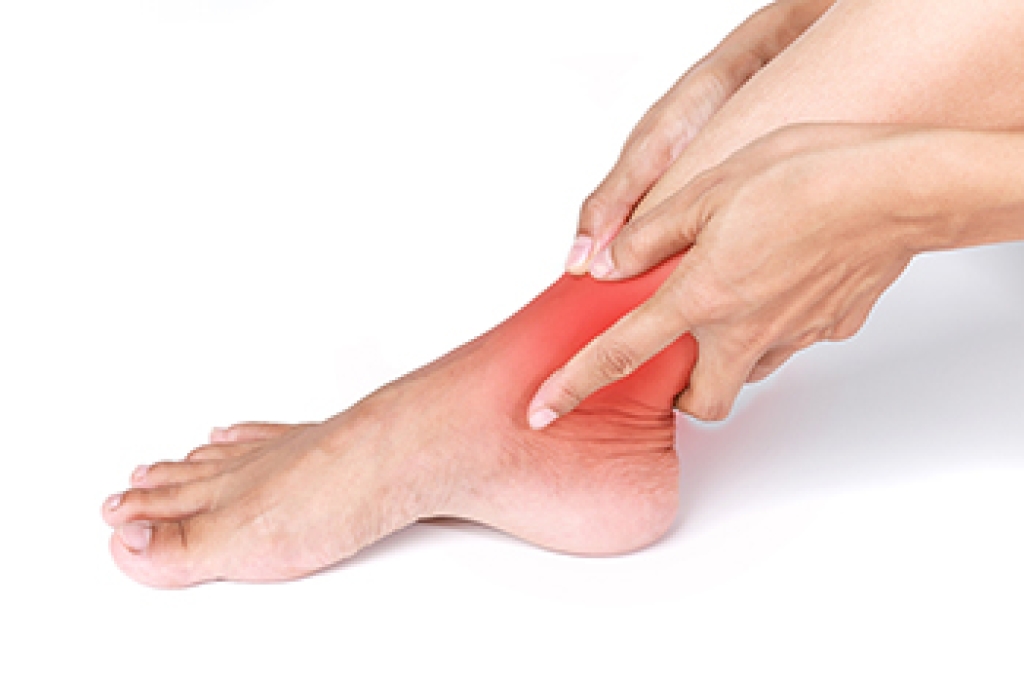
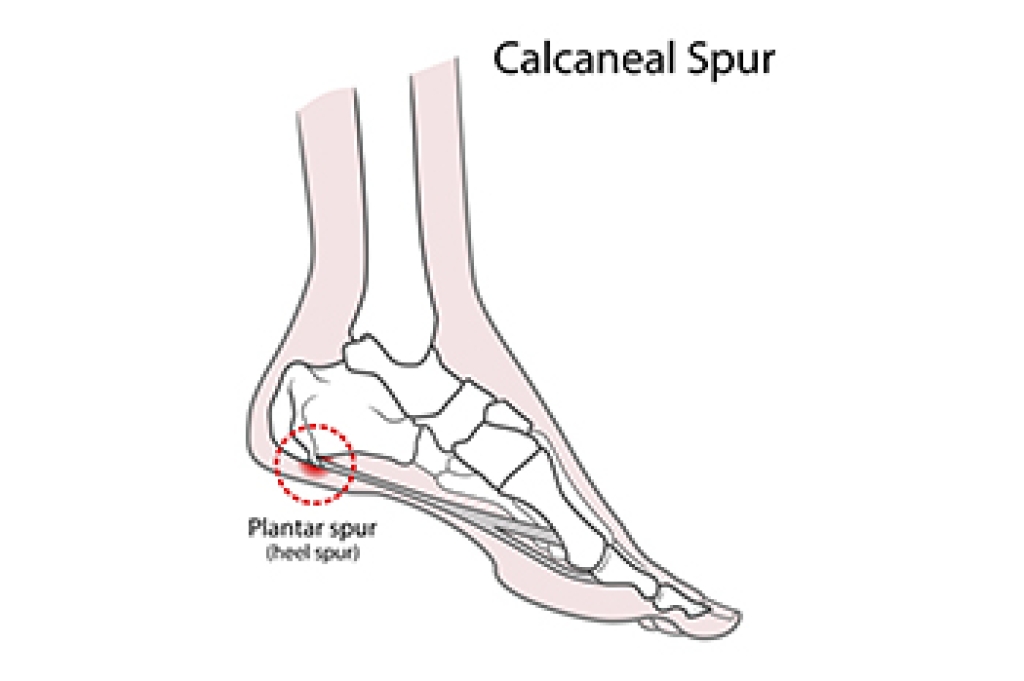
Heel spurs, bony outgrowths at the bottom of the heel bone, can be a source of persistent foot discomfort. Formed due to calcium deposits, heel spurs often accompany conditions like plantar fasciitis. The pain associated with heel spurs typically arises during weight-bearing activities, especially after rest periods. While rest and proper footwear are important components of managing heel spurs, specific exercises can provide relief. Stretching exercises, such as calf stretches and towel curls, may help to alleviate tension in the Achilles tendon and plantar fascia. Rolling a frozen water bottle under the foot can reduce inflammation. Strengthening exercises, like toe-tapping and marble pickups, enhance foot and ankle muscles, promoting better support. A podiatrist treats heel spurs. If you have developed this condition, it is suggested that you visit this type of doctor who can help you with appropriate treatment and guide you toward additional stretches. 

Heel spurs can be incredibly painful and sometimes may make you unable to participate in physical activities. To get medical care for your heel spurs, contact Jeffrey Radack, DPM from Texas Regional Foot & Ankle Clinics. Our doctor will do everything possible to treat your condition.

Heels Spurs

Heel spurs are formed by calcium deposits on the back of the foot where the heel is. This can also be caused by small fragments of bone breaking off one section of the foot, attaching onto the back of the foot. Heel spurs can also be bone growth on the back of the foot and may grow in the direction of the arch of the foot.

Older individuals usually suffer from heel spurs and pain sometimes intensifies with age. One of the main condition's spurs are related to is plantar fasciitis.

Pain

The pain associated with spurs is often because of weight placed on the feet. When someone is walking, their entire weight is concentrated on the feet. Bone spurs then have the tendency to affect other bones and tissues around the foot. As the pain continues, the feet will become tender and sensitive over time.

Treatments

There are many ways to treat heel spurs. If one is suffering from heel spurs in conjunction with pain, there are several methods for healing. Medication, surgery, and herbal care are some options.

If you have any questions, please feel free to contact our office located in McKinney and Coppell, TX . We offer the newest diagnostic and treatment technologies for all your foot care needs.


Read more about How to Treat Heel Spurs

Diagnosis of Plantar Warts

Plantar warts, also known as verrucae plantaris, are warts that appear on the bottom of the feet, often in areas that bear weight like the heels, toes, and the middle of the foot. These warts can be particularly painful and difficult to treat because walking puts pressure on them, causing them to grow inward. Sometimes, many warts can grow together, forming what is known as mosaic warts. It can be hard to tell plantar warts apart from corns or calluses. Corns are hard skin that forms over joints from pressure and rubbing. They have a hard core and do not have the small black dots that warts do. Soft corns form in moist areas between toes due to pressure and rubbing. Another condition often mistaken for plantar warts is black heel, which can be seen in athletes like tennis or basketball players. This is where tiny blood vessels break, causing small black or brown spots on the heel or side of the foot. Carefully removing the top layer of skin can help separate this condition from warts, calluses, corns, and serious issues such as malignant melanoma. If you have what appears to be a wart on your foot, it is suggested that you make an appointment with a podiatrist for a proper diagnosis and treatment.

Plantar warts can be very uncomfortable. If you need your feet checked, contact Jeffrey Radack, DPM from Texas Regional Foot & Ankle Clinics. Our doctor will assist you with all of your foot and ankle needs.

About Plantar Warts

Plantar warts are the result of HPV, or human papillomavirus, getting into open wounds on the feet. They are mostly found on the heels or balls of the feet.

While plantar warts are generally harmless, those experiencing excessive pain or those suffering from diabetes or a compromised immune system require immediate medical care. Plantar warts are easily diagnosed, usually through scraping off a bit of rough skin or by getting a biopsy.

Symptoms

  • Lesions on the bottom of your feet, usually rough and grainy
  • Hard or thick callused spots
  • Wart seeds, which are small clotted blood vessels that look like little black spots
  • Pain, discomfort, or tenderness of your feet when walking or standing

Treatment

  • Freezing
  • Electric tool removal
  • Laser Treatment
  • Topical Creams (prescription only)
  • Over-the-counter medications

To help prevent developing plantar warts, avoid walking barefoot over abrasive surfaces that can cause cuts or wounds for HPV to get into. Avoiding direct contact with other warts, as well as not picking or rubbing existing warts, can help prevent the further spread of plantar warts. However, if you think you have developed plantar warts, speak to your podiatrist. He or she can diagnose the warts on your feet and recommend the appropriate treatment options.

If you have any questions, please feel free to contact our office located in McKinney and Coppell, TX . We offer the newest diagnostic and treatment technologies for all your foot care needs.

Read more about What Are Plantar Warts?

Let the Expert Treat Your Ingrown Toenails

Ingrown toenails can be painful and can make wearing shoes or walking uncomfortable. Seek professional help if you believe you've developed an ingrown toenail and be treated safely. 

Insight into Foot Blisters

Foot blisters are fluid-filled pockets that form on the skin's surface, commonly caused by friction, heat, and moisture. These blisters can be painful and uncomfortable, affecting individuals of all ages. Friction is a primary culprit in blister formation. When the skin repeatedly rubs against footwear or other surfaces, it can lead to irritation, causing a blister to develop as a protective mechanism. Wearing ill-fitting shoes, especially those that are too tight or loose, can exacerbate this problem. Heat and moisture also contribute to blister development. When your feet sweat excessively, it creates a moist environment inside your shoes, increasing the risk of friction. In hot weather, sweat can make the skin more vulnerable to blistering. Another potential cause of blisters is burns, whether from hot surfaces, chemicals, or sunburn, as they can damage the skin and result in blister formation. Understanding the causes of foot blisters is essential for prevention. If you do develop a blister, it is important to protect and care for it to avoid infection and promote healing, and a podiatrist can help you accomplish this. It is suggested that you contact this type of doctor who can guide you toward healing and prevention techniques.

Blisters are prone to making everyday activities extremely uncomfortable. If your feet are hurting, contact Jeffrey Radack, DPM of Texas Regional Foot & Ankle Clinics. Our doctor can provide the care you need to keep you pain-free and on your feet.

Foot Blisters

Foot blisters develop as a result of constantly wearing tight or ill-fitting footwear. This happens due to the constant rubbing from the shoe, which can often lead to pain.

What Are Foot Blisters?

A foot blister is a small fluid-filled pocket that forms on the upper-most layer of the skin. Blisters are filled with clear fluid and can lead to blood drainage or pus if the area becomes infected.

How Do Blisters Form?

Blisters on the feet are often the result of constant friction of skin and material, usually by shoe rubbing. Walking in sandals, boots, or shoes that don’t fit properly for long periods of time can result in a blister. Having consistent foot moisture and humidity can easily lead to blister formation.

Prevention & Treatment

It is important to properly care for the affected area in order to prevent infection and ease the pain. Do not lance the blister and use a Band-Aid to provide pain relief. Also, be sure to keep your feet dry and wear proper fitting shoes. If you see blood or pus in a blister, seek assistance from a podiatrist.

If you have any questions, please feel free to contact our office located in McKinney and Coppell, TX . We offer the newest diagnostic and treatment technologies for all your foot care needs.
Read more about Blisters

Recognizing Diabetic Symptoms in the Feet

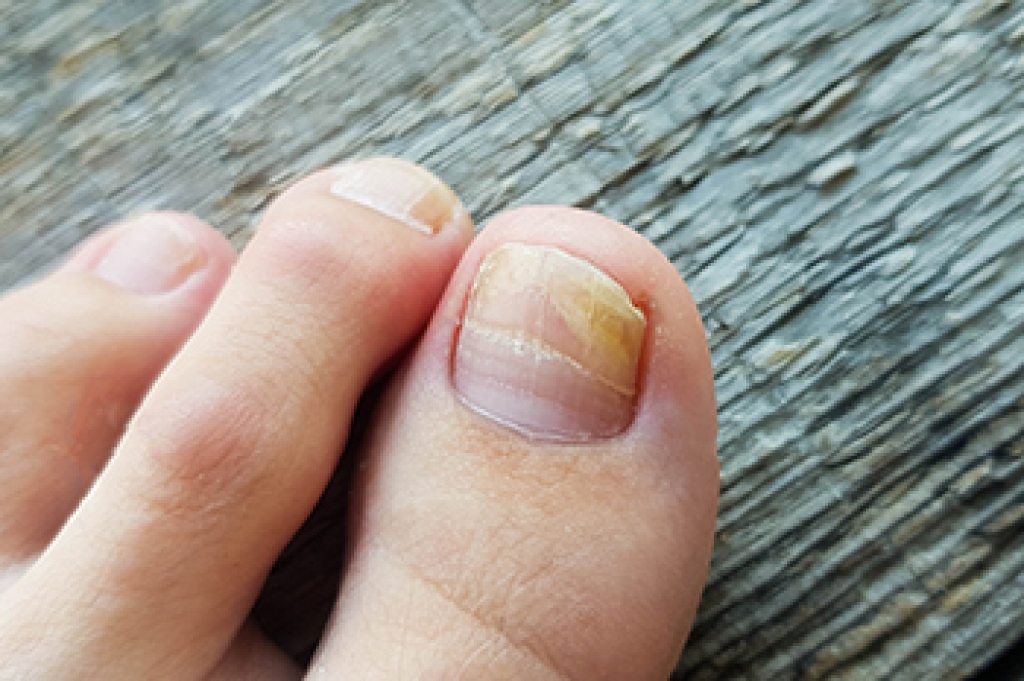
Diabetes is a condition that affects multiple aspects of your health, including your feet. Individuals living with diabetes need to be vigilant about potential foot-related symptoms, as they are at higher risk of developing complications. One common symptom is peripheral neuropathy, which can manifest as tingling, burning, or numbness in the feet. This occurs when high blood sugar damages the nerves, impairing sensation. Reduced blood flow to the feet is another issue, leading to cold or discolored skin and slower wound healing. Diabetes can also cause changes in the foot's shape, such as Charcot foot, where the arch collapses. This may lead to deformities and instability. Additionally, diabetic individuals are more prone to foot ulcers and infections. It is important to pay close attention to these symptoms, as early detection and proper management are key to preventing severe complications. If you have diabetes, it is strongly suggested that you are under the care of a podiatrist who can help you to manage this condition.

Diabetic foot care is important in preventing foot ailments such as ulcers. If you are suffering from diabetes or have any other concerns about your feet, contact Jeffrey Radack, DPM from Texas Regional Foot & Ankle Clinics. Our doctor can provide the care you need to keep you pain-free and on your feet.

Diabetic Foot Care

Diabetes affects millions of people every year. The condition can damage blood vessels in many parts of the body, especially the feet. Because of this, taking care of your feet is essential if you have diabetes, and having a podiatrist help monitor your foot health is highly recommended.

The Importance of Caring for Your Feet

  • Routinely inspect your feet for bruises or sores.
  • Wear socks that fit your feet comfortably.
  • Wear comfortable shoes that provide adequate support.

Patients with diabetes should have their doctor monitor their blood levels, as blood sugar levels play such a huge role in diabetic care. Monitoring these levels on a regular basis is highly advised.

It is always best to inform your healthcare professional of any concerns you may have regarding your feet, especially for diabetic patients. Early treatment and routine foot examinations are keys to maintaining proper health, especially because severe complications can arise if proper treatment is not applied.

If you have any questions, please feel free to contact our office located in McKinney and Coppell, TX . We offer the newest diagnostic and treatment technologies for all your foot care needs.
Read more about Diabetic Foot Care

A Closer Look At Onychomycosis Toenail Fungus

Toenail fungus, medically known as onychomycosis, is a common and bothersome condition that affects millions of people worldwide. It occurs when fungal organisms, usually dermatophytes, invade the toenail, causing infection. The fungi thrive in warm, moist environments, making your feet, particularly your toenails, an ideal breeding ground. The initial signs of toenail fungus often include discoloration, typically yellow or brown, and a change in the texture of the nail. Over time, the affected nail may become thickened and brittle, with crumbling or distorted edges. It may also emit an unpleasant odor. Toenail fungus can be both unsightly and uncomfortable, and in some cases, it can even lead to pain. If left untreated, it can spread to other toenails and become a chronic issue. Seeking prompt medical attention is vital in addressing toenail fungus effectively which may help to prevent further complications. If you have developed this condition, it is suggested that you confer with a podiatrist who can offer the appropriate treatment option for you.

If left untreated, toenail fungus may spread to other toenails, skin, or even fingernails. If you suspect you have toenail fungus it is important to seek treatment right away. For more information about treatment, contact Jeffrey Radack, DPM of Texas Regional Foot & Ankle Clinics. Our doctor can provide the care you need to keep you pain-free and on your feet.

Symptoms

  • Warped or oddly shaped nails
  • Yellowish nails
  • Loose/separated nail
  • Buildup of bits and pieces of nail fragments under the nail
  • Brittle, broken, thickened nail

Treatment

If self-care strategies and over-the-counter medications does not help your fungus, your podiatrist may give you a prescription drug instead. Even if you find relief from your toenail fungus symptoms, you may experience a repeat infection in the future.

Prevention

In order to prevent getting toenail fungus in the future, you should always make sure to wash your feet with soap and water. After washing, it is important to dry your feet thoroughly especially in between the toes. When trimming your toenails, be sure to trim straight across instead of in a rounded shape. It is crucial not to cover up discolored nails with nail polish because that will prevent your nail from being able to “breathe”.

In some cases, surgical procedure may be needed to remove the toenail fungus. Consult with your podiatrist about the best treatment options for your case of toenail fungus.  

If you have any questions please contact our office located in McKinney and Coppell, TX . We offer the newest diagnostic and treatment technologies for all your foot and ankle needs.

Read more about Toenail Fungus

Diagnosing Tarsal Tunnel Syndrome

Tarsal tunnel syndrome is a rare condition that affects the nerves in the foot and ankle. It can cause foot pain or tingly sensations and may weaken some foot muscles. This syndrome is usually caused by things like wearing shoes that do not fit well, or by a tight cast. Sometimes, injuries like sprains or fractures can also lead to this condition. Rarely, it could be caused by lumps, cysts, or infections. It can be hard to diagnose, but podiatrists rely on a clinical assessment and can use special tests like electromyography, EMG, or electroneurography, ENG. These diagnostic tools show which muscles are having problems because of nerve damage. If it is found that the issue is in the tarsal tunnel area of your foot, the next step is to find out what is causing the nerve to be pinched or squeezed. If you have foot or ankle pain, it is suggested that you make an appointment with a podiatrist for an evaluation, precise treatment, and management strategies for symptom relief.

Tarsal tunnel syndrome can be very uncomfortable to live with. If you are experiencing tarsal tunnel syndrome, contact Jeffrey Radack, DPM of Texas Regional Foot & Ankle Clinics. Our doctor can provide the care you need to keep you pain-free and on your feet.

Tarsal Tunnel Syndrome

Tarsal tunnel syndrome, which can also be called tibial nerve dysfunction, is an uncommon condition of misfiring peripheral nerves in the foot. The tibial nerve is the peripheral nerve in the leg responsible for sensation and movement of the foot and calf muscles. In tarsal tunnel syndrome, the tibial nerve is damaged, causing problems with movement and feeling in the foot of the affected leg.

Common Cause of Tarsal Tunnel Syndrome

  • Involves pressure or an injury, direct pressure on the tibial nerve for an extended period of time, sometimes caused by other body structures close by or near the knee.
  • Diseases that damage nerves, including diabetes, may cause tarsal tunnel syndrome.
  • At times, tarsal tunnel syndrome can appear without an obvious cause in some cases.

The Effects of Tarsal Tunnel Syndrome

  • Different sensations, an afflicted person may experience pain, tingling, burning or other unusual sensations in the foot of the affected leg.
  • The foot muscles, toes and ankle become weaker, and curling your toes or flexing your foot can become difficult.
  • If condition worsens, infections and ulcers may develop on the foot that is experiencing the syndrome.

A physical exam of the leg can help identify the presence of tarsal tunnel syndrome. Medical tests, such as a nerve biopsy, are also used to diagnose the condition. Patients may receive physical therapy and prescriptive medication. In extreme cases, some may require surgery.

If you have any questions please contact our office located in McKinney and Coppell, TX . We offer the newest diagnostic and treatment technologies for all your foot and ankle needs.

Read more about Treating Tarsal Tunnel Syndrome

Are Bunions Affecting Your Everyday Life?

Have you noticed a bony protrusion on the side of your big toe? If so, you may have developed the foot condition known as a bunion. Don't let bunions interfere with your daily activities.

Offloading for Foot Wounds

Pressure on the foot causes 90 percent of foot sores in diabetic patients. To heal these sores, it is necessary to reduce the pressure. Offloading in the context of foot wounds refers to the process of reducing or redistributing pressure away from a specific area of the foot that has a wound or is at risk of developing one. By offloading, the affected area gets relief, which allows it to heal without being constantly subjected to pressure or friction. This is especially critical for individuals with diabetes, as they may have neuropathy and might not feel pain from a developing wound. Methods for offloading include using specialized footwear, casts, orthotics, and padding. The goal is to protect the wound, give it the best environment to heal, and prevent further complications. If you have diabetes and suffer from foot sores, it is strongly suggested that you make an appointment with a podiatrist who can evaluate your condition and make appropriate treatment recommendations.

Wound care is an important part in dealing with diabetes. If you have diabetes and a foot wound or would like more information about wound care for diabetics, consult with Jeffrey Radack, DPM from Texas Regional Foot & Ankle Clinics. Our doctor will assess your condition and provide you with quality foot and ankle treatment.

What Is Wound Care?

Wound care is the practice of taking proper care of a wound. This can range from the smallest to the largest of wounds. While everyone can benefit from proper wound care, it is much more important for diabetics. Diabetics often suffer from poor blood circulation which causes wounds to heal much slower than they would in a non-diabetic. 

What Is the Importance of Wound Care?

While it may not seem apparent with small ulcers on the foot, for diabetics, any size ulcer can become infected. Diabetics often also suffer from neuropathy, or nerve loss. This means they might not even feel when they have an ulcer on their foot. If the wound becomes severely infected, amputation may be necessary. Therefore, it is of the upmost importance to properly care for any and all foot wounds.

How to Care for Wounds

The best way to care for foot wounds is to prevent them. For diabetics, this means daily inspections of the feet for any signs of abnormalities or ulcers. It is also recommended to see a podiatrist several times a year for a foot inspection. If you do have an ulcer, run the wound under water to clear dirt from the wound; then apply antibiotic ointment to the wound and cover with a bandage. Bandages should be changed daily and keeping pressure off the wound is smart. It is advised to see a podiatrist, who can keep an eye on it.

If you have any questions please contact our office located in McKinney and Coppell, TX . We offer the newest diagnostic and treatment technologies for all your foot and ankle needs.

Read more about Wound Care

Different Types of Foot Arthritis

Arthritis is characterized by inflammation in one or more joints, leading to pain and stiffness. It is prevalent in the small joints of the foot and ankle, impacting mobility and daily activities. While there is no cure for arthritis, treatment options can help manage symptoms and slow disease progression. The foot and ankle play vital roles in supporting, balancing, and absorbing shock during activities. These areas contain multiple joints and are susceptible to various forms of arthritis like osteoarthritis, rheumatoid arthritis, and gout. Osteoarthritis gradually erodes joint cartilage, causing pain, stiffness, and bone spurs. Risk factors include age, obesity, genetics, and poor foot alignment. Rheumatoid arthritis is a chronic autoimmune disease that can start in the foot and ankle, leading to joint inflammation, swelling, and deformity. Genetic and environmental factors can trigger this condition. Gout is a painful inflammation that often affects the big toe joint due to the accumulation of uric acid crystals. It can lead to sudden and severe joint pain. If you have foot or ankle discomfort from arthritis, it is suggested that you make an appointment with a podiatrist to determine which kind of arthritis is affecting you.

Arthritis can be a difficult condition to live with. If you are seeking treatment, contact Jeffrey Radack, DPM from Texas Regional Foot & Ankle Clinics. Our doctor can provide the care you need to keep you pain-free and on your feet.

Arthritic Foot Care  

Arthritis is a joint disorder that involves the inflammation of different joints in your body, such as those in your feet. Arthritis is often caused by a degenerative joint disease and causes mild to severe pain in all affected areas. In addition to this, swelling and stiffness in the affected joints can also be a common symptom of arthritis.

In many cases, wearing ill-fitting shoes can worsen the effects and pain of arthritis. Wearing shoes that have a lower heel and extra room can help your feet feel more comfortable. In cases of rheumatoid arthritis, the arch in your foot may become problematic. Buying shoes with proper arch support that contour to your feet can help immensely.

Alleviating Arthritic Pain

  • Exercises that stretch the foot can prevent further pain and injury and increase mobility
  • Most of the pain can be alleviated with anti-inflammatory drugs, heat, and topical medications
  • Massages can help temporarily alleviate pain.

It is best to see your doctor for the treatment that is right for your needs and symptoms. Conditions vary, and a podiatrist can help you determine the right method of care for your feet.

If you have any questions please feel free to contact our office located in McKinney and Coppell, TX . We offer the newest diagnostic tools and technology to treat your foot and ankle needs.

Read more about Arthritic Foot Care

Connect With Us