Foot Wound Healing Delayed in Diabetic Patients

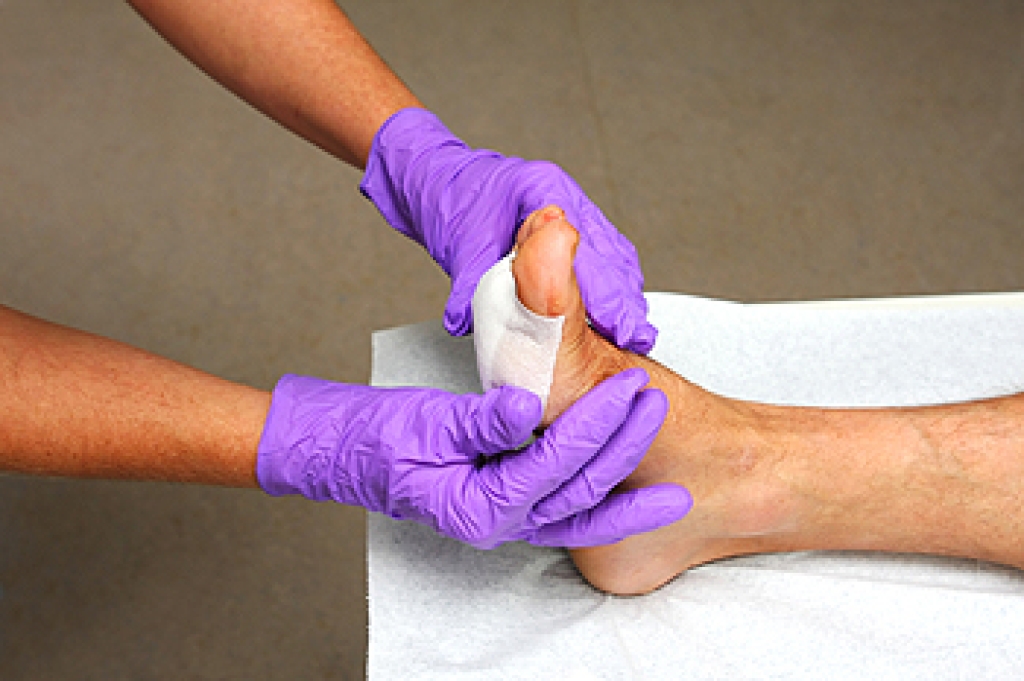
Foot wounds in diabetics often take longer to heal due to several interconnected factors. Elevated blood sugar levels can impair circulation, reducing blood flow to the extremities and hindering the delivery of essential nutrients and oxygen required for healing. Additionally, diabetes can damage nerves, leading to reduced sensation in the feet, which may cause injuries to go unnoticed and untreated. Furthermore, weakened immune responses in diabetic patients can increase the risk of infections, complicating the healing process. The combination of these factors creates a challenging environment for wound recovery, making it essential for diabetics to monitor their foot health closely. Regular check-ups from a podiatrist and proactive care can significantly reduce the risk of complications. If you have diabetes and have developed a foot wound, it is strongly suggested that you are under the care of this type of doctor who can help you to manage this condition.

Wound care is an important part in dealing with diabetes. If you have diabetes and a foot wound or would like more information about wound care for diabetics, consult with Jeffrey Radack, DPM from Texas Regional Foot & Ankle Clinics. Our doctor will assess your condition and provide you with quality foot and ankle treatment.

What Is Wound Care?

Wound care is the practice of taking proper care of a wound. This can range from the smallest to the largest of wounds. While everyone can benefit from proper wound care, it is much more important for diabetics. Diabetics often suffer from poor blood circulation which causes wounds to heal much slower than they would in a non-diabetic. 

What Is the Importance of Wound Care?

While it may not seem apparent with small ulcers on the foot, for diabetics, any size ulcer can become infected. Diabetics often also suffer from neuropathy, or nerve loss. This means they might not even feel when they have an ulcer on their foot. If the wound becomes severely infected, amputation may be necessary. Therefore, it is of the upmost importance to properly care for any and all foot wounds.

How to Care for Wounds

The best way to care for foot wounds is to prevent them. For diabetics, this means daily inspections of the feet for any signs of abnormalities or ulcers. It is also recommended to see a podiatrist several times a year for a foot inspection. If you do have an ulcer, run the wound under water to clear dirt from the wound; then apply antibiotic ointment to the wound and cover with a bandage. Bandages should be changed daily and keeping pressure off the wound is smart. It is advised to see a podiatrist, who can keep an eye on it.

If you have any questions please contact our office located in McKinney and Coppell, TX . We offer the newest diagnostic and treatment technologies for all your foot and ankle needs.

Read more about Wound Care

Causes of Swollen Feet in the Elderly

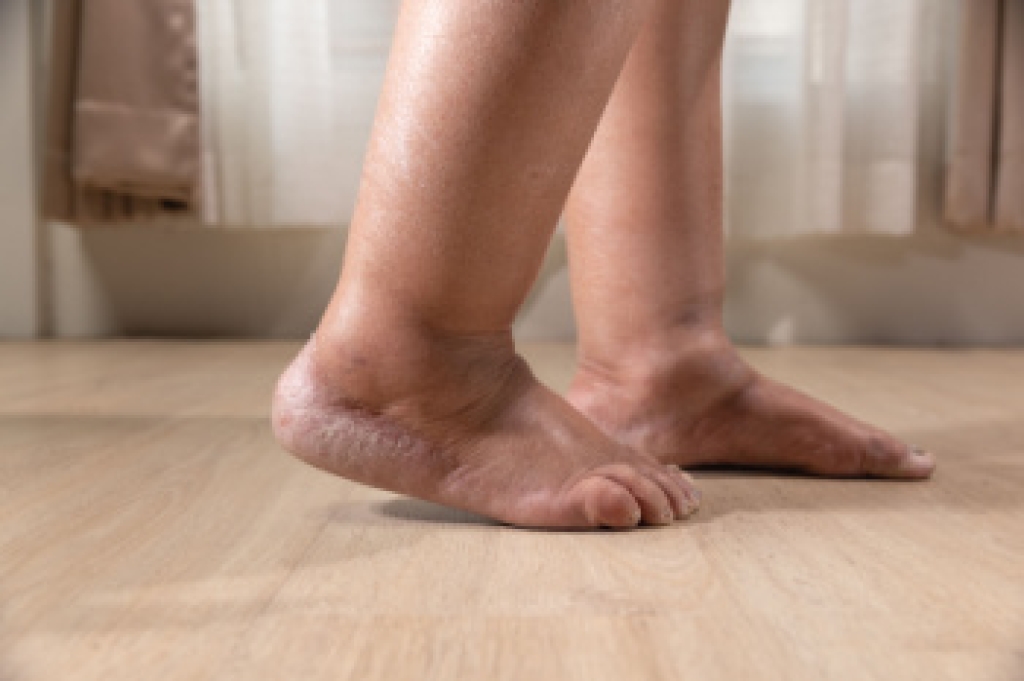
Swollen feet in elderly people can arise from several serious health conditions, including kidney or liver diseases, venous insufficiency, and congestive heart failure. These conditions often disrupt the body's ability to manage fluid balance, leading to swelling in the extremities. When blood flow is compromised due to venous insufficiency, fluid may accumulate in the feet and ankles, causing discomfort and limiting mobility. Reduced mobility can create a dangerous cycle, increasing the risk of falls and injuries. Seniors may find it challenging to navigate their surroundings, furthering possible health issues. Timely identification and management of the underlying causes of swelling are critical. Regular check-ups with a podiatrist can ensure appropriate interventions, ultimately enhancing mobility and minimizing fall risks. If you are a senior or are taking care of one, it is suggested that you consult this type of doctor to schedule regular appointments to monitor foot health.

Proper foot care is something many older adults forget to consider. If you have any concerns about your feet and ankles, contact Jeffrey Radack, DPM from Texas Regional Foot & Ankle Clinics. Our doctor can provide the care you need to keep you pain-free and on your feet.

The Elderly and Their Feet

As we age we start to notice many changes in our body, but the elder population may not notice them right away. Medical conditions may prevent the elderly to take notice of their foot health right away. Poor vision is a lead contributor to not taking action for the elderly.

Common Conditions 

  • Neuropathy – can reduce feeling in the feet and can hide many life-threatening medical conditions.
  • Reduced flexibility – prevents the ability of proper toenail trimming, and foot cleaning. If left untreated, it may lead to further medical issues.
  • Foot sores – amongst the older population can be serious before they are discovered. Some of the problematic conditions they may face are:
  • Gouging toenails affecting nearby toe
  • Shoes that don’t fit properly
  • Pressure sores
  • Loss of circulation in legs & feet
  • Edema & swelling of feet and ankles

Susceptible Infections

Diabetes and poor circulation can cause general loss of sensitivity over the years, turning a simple cut into a serious issue.

If you have any questions, please feel free to contact our office located in McKinney and Coppell, TX . We offer the newest diagnostic and treatment technologies for all your foot care needs.

Read more about Taking Care of Elderly Feet

We Can Treat Your Foot or Ankle Pain

Foot or ankle pain can negatively affect your day-to-day life and can occur due to several different conditions. Pain can also be an indicator of a more serious underlying condition, which is why you should seek professional help as soon as you notice any abnormalities in your feet.

Foot and Ankle Injuries in Basketball

Basketball is an exhilarating sport that can lead to various foot and ankle injuries due to its fast-paced nature. One common injury is a calf muscle strain that occurs from sudden movements or jumps, resulting in pain and stiffness in the lower leg. Plantar fasciitis is another frequent issue that results in inflammation of the tissue along the bottom of the foot, often causing sharp pain, especially the first steps after resting. Ankle sprains are prevalent as well, typically resulting from twisting or landing awkwardly, leading to swelling and bruising. Additionally, achilles tendonitis, an inflammation of the tendon connecting the calf to the heel, can develop over time due to repetitive stress. If you enjoy playing basketball and have endured a foot or ankle injury, it is suggested that you contact a podiatrist who can effectively treat these types of injuries.

Ankle and foot injuries are common among athletes and in many sports. They can be caused by several problems and may be potentially serious. If you are feeling pain or think you were injured in a sporting event or when exercising, consult with Jeffrey Radack, DPM from Texas Regional Foot & Ankle Clinics. Our doctor will assess your condition and provide you with quality foot and ankle treatment.

Common Injuries

The most common injuries that occur in sporting activities include:

  • Achilles Tendonitis
  • Achilles Tendon Rupture
  • Ankle Sprains
  • Broken Foot
  • Plantar Fasciitis
  • Stress Fractures
  • Turf Toe

Symptoms

Symptoms vary depending upon the injury and in some cases, there may be no symptoms at all. However, in most cases, some form of symptom is experienced. Pain, aching, burning, bruising, tenderness, tightness or stiffness, sensation loss, difficulty moving, and swelling are the most common symptoms.

Treatment

Just as symptoms vary depending upon the injury, so do treatment options. A common treatment method is known as the RICE method. This method involves rest, applying ice, compression and elevating the afflicted foot or ankle. If the injury appears to be more serious, surgery might be required, such as arthroscopic or reconstructive surgery. Lastly, rehabilitation or therapy might be needed to gain full functionality in the afflicted area. Any discomfort experienced by an athlete must be evaluated by a licensed, reputable medical professional.  

If you have any questions please contact our office located in McKinney and Coppell, TX . We offer the newest diagnostic and treatment technologies for all your foot and ankle needs.

Read more about Sports Related Foot and Ankle Injuries

Focus on Metatarsal Shaft Fractures

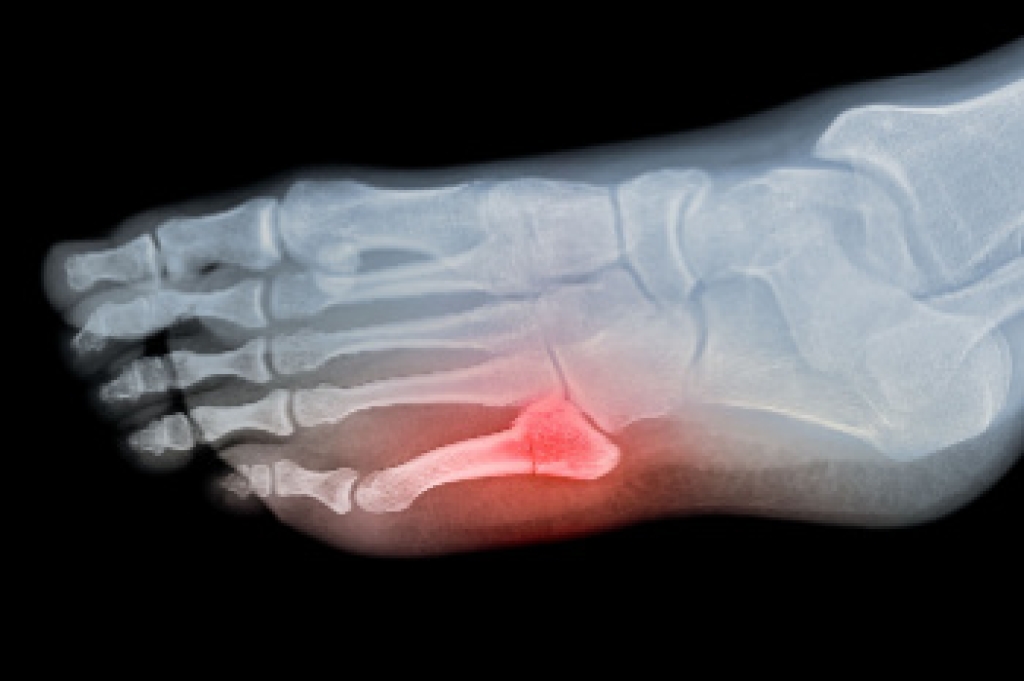
Diagnosing foot fractures, particularly metatarsal shaft fractures, involves a thorough evaluation by a podiatrist. These fractures commonly result from direct trauma, overuse, or sudden twisting movements. Symptoms patients typically experience include localized pain, swelling, bruising, and difficulty bearing weight on the affected foot. A physical examination is essential for assessing tenderness and deformity. Diagnostic imaging, primarily an X-ray, is used to confirm the fracture and determine its severity. In some cases, a CT scan or MRI may be recommended for a more detailed view of the injury. Timely and accurate diagnosis is essential for appropriate treatment, which may include rest, immobilization, or in severe cases, surgery. If you have broken your foot, it is suggested that you consult a podiatrist who can determine the type of fracture and offer appropriate treatment solutions.

A broken foot requires immediate medical attention and treatment. If you need your feet checked, contact Jeffrey Radack, DPM from Texas Regional Foot & Ankle Clinics. Our doctor can provide the care you need to keep you pain-free and on your feet.

Broken Foot Causes, Symptoms, and Treatment

A broken foot is caused by one of the bones in the foot typically breaking when bended, crushed, or stretched beyond its natural capabilities. Usually the location of the fracture indicates how the break occurred, whether it was through an object, fall, or any other type of injury. 

Common Symptoms of Broken Feet:

  • Bruising
  • Pain
  • Redness
  • Swelling
  • Blue in color
  • Numbness
  • Cold
  • Misshapen
  • Cuts
  • Deformities

Those that suspect they have a broken foot shoot seek urgent medical attention where a medical professional could diagnose the severity.

Treatment for broken bones varies depending on the cause, severity and location. Some will require the use of splints, casts or crutches while others could even involve surgery to repair the broken bones. Personal care includes the use of ice and keeping the foot stabilized and elevated.

If you have any questions, please feel free to contact our office located in McKinney and Coppell, TX . We offer the newest diagnostic and treatment technologies for all your foot care needs.

Read more about Causes, Symptoms, and Treatment for a Broken Foot

Symptoms and Causes of Heel Spurs

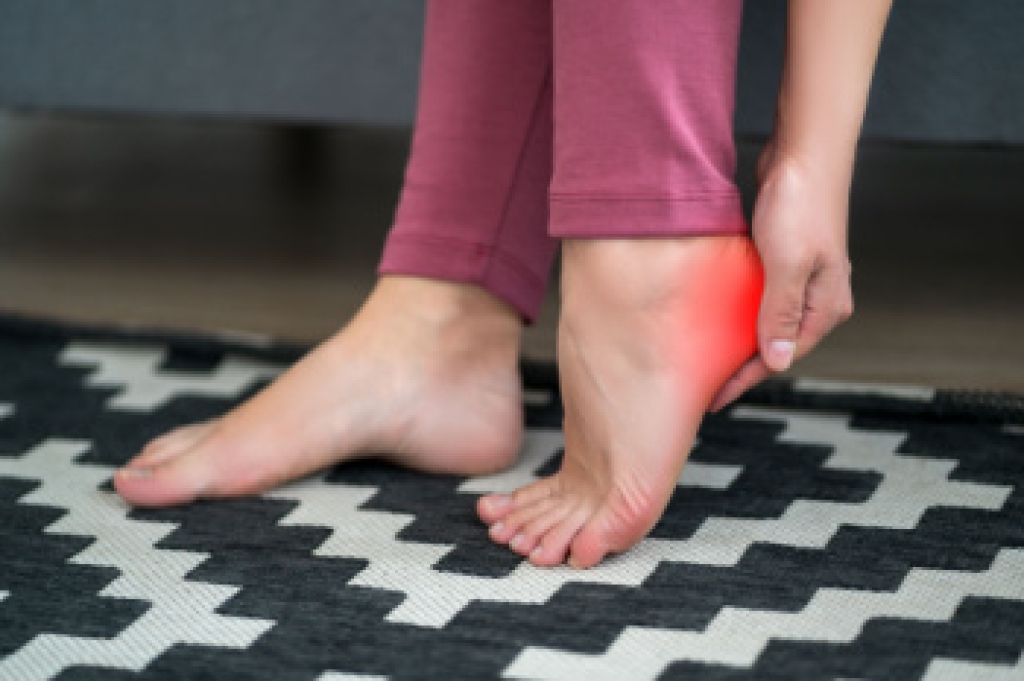
Heel spurs are bony growths that form on the bottom of the heel bone. They often form as a result of prolonged strain on the muscles and ligaments in the foot. Repetitive activities like walking, running, or standing on hard surfaces can contribute to the development of a heel spur. Wearing poorly fitted shoes without adequate cushioning can also contribute to their formation. People with arthritis or plantar fasciitis, or who are carrying excess weight are at higher risk for developing heel spurs. Symptoms of heel spurs include heel pain, swelling, and warmth in the affected area, but some people may experience no symptoms at all. For that reason these growths are often detected through X-rays taken for other foot issues. Treatment options for painful heel spurs include stretching exercises, footwear modifications, or medication to reduce pain and prevent further complications. If you have unexplained heel pain, it may be due to a heel spur, and it is suggested that you schedule an appointment with a podiatrist for an exam, diagnosis, and treatment.

Heel spurs can be incredibly painful and sometimes may make you unable to participate in physical activities. To get medical care for your heel spurs, contact Jeffrey Radack, DPM from Texas Regional Foot & Ankle Clinics. Our doctor will do everything possible to treat your condition.

Heels Spurs

Heel spurs are formed by calcium deposits on the back of the foot where the heel is. This can also be caused by small fragments of bone breaking off one section of the foot, attaching onto the back of the foot. Heel spurs can also be bone growth on the back of the foot and may grow in the direction of the arch of the foot.

Older individuals usually suffer from heel spurs and pain sometimes intensifies with age. One of the main condition's spurs are related to is plantar fasciitis.

Pain

The pain associated with spurs is often because of weight placed on the feet. When someone is walking, their entire weight is concentrated on the feet. Bone spurs then have the tendency to affect other bones and tissues around the foot. As the pain continues, the feet will become tender and sensitive over time.

Treatments

There are many ways to treat heel spurs. If one is suffering from heel spurs in conjunction with pain, there are several methods for healing. Medication, surgery, and herbal care are some options.

If you have any questions, please feel free to contact our office located in McKinney and Coppell, TX . We offer the newest diagnostic and treatment technologies for all your foot care needs.

Read more about Heel Spurs

Causes of Achilles Tendinopathy

Achilles tendinopathy is a an injury that affects the Achilles tendon, which connects the calf muscles to the heel bone. This ailment typically arises from overuse or repetitive stress on the tendon, often seen in athletes who engage in activities like running or jumping. It can also develop from sudden increases in physical activity or improper footwear. Symptoms usually include pain and stiffness along the back of the heel, which may worsen with activity and improve with rest. The pain is often felt in the lower part of the calf or directly above the heel. Swelling and tenderness in the affected area are also common. If you have endured an Achilles tendon injury, it is suggested that you visit a podiatrist for a proper diagnosis to determine the type of injury and offer appropriate treatment solutions. 

Achilles tendon injuries need immediate attention to avoid future complications. If you have any concerns, contact Jeffrey Radack, DPM of Texas Regional Foot & Ankle Clinics. Our doctor can provide the care you need to keep you pain-free and on your feet.

What Is the Achilles Tendon?

The Achilles tendon is a tendon that connects the lower leg muscles and calf to the heel of the foot. It is the strongest tendon in the human body and is essential for making movement possible. Because this tendon is such an integral part of the body, any injuries to it can create immense difficulties and should immediately be presented to a doctor.

What Are the Symptoms of an Achilles Tendon Injury?

There are various types of injuries that can affect the Achilles tendon. The two most common injuries are Achilles tendinitis and ruptures of the tendon.

Achilles Tendinitis Symptoms

  • Inflammation
  • Dull to severe pain
  • Increased blood flow to the tendon
  • Thickening of the tendon

Rupture Symptoms

  • Extreme pain and swelling in the foot
  • Total immobility

Treatment and Prevention

Achilles tendon injuries are diagnosed by a thorough physical evaluation, which can include an MRI. Treatment involves rest, physical therapy, and in some cases, surgery. However, various preventative measures can be taken to avoid these injuries, such as:

  • Thorough stretching of the tendon before and after exercise
  • Strengthening exercises like calf raises, squats, leg curls, leg extensions, leg raises, lunges, and leg presses

If you have any questions please feel free to contact our office located in McKinney and Coppell, TX . We offer the newest diagnostic tools and technology to treat your foot and ankle needs.

Read more about The Causes, Types, and Treatments of Achilles Tendon Injuries

Foot Exercises for Balance and Strength

Maintaining strong and balanced feet is essential for overall stability and mobility. One effective exercise is toe raises, which involves lifting your heels off the ground while standing on your toes to strengthen the calf muscles and improve balance. Another beneficial exercise is the toe and heel walk, where you walk on your toes for a few steps and then switch to walking on your heels. This helps enhance both strength and coordination. Foot doming is also useful. While sitting, try to create an arch in your foot by lifting the middle of the foot and keeping your toes and heel on the ground. Lastly, resistance band exercises like pulling the band with your toes while seated, can strengthen the foot’s intrinsic muscles. If you have sustained an injury due to weak foot muscles, it is suggested that you contact a podiatrist who can offer the correct treatment options.

Exercising your feet regularly with the proper foot wear is a great way to prevent injuries and build strength. If you have any concerns about your feet, contact Jeffrey Radack, DPM from Texas Regional Foot & Ankle Clinics. Our doctor can provide the care you need to keep you pain-free and on your feet.

Exercise for Your Feet

Exercise for your feet can help you gain strength, mobility and flexibility in your feet. They say that strengthening your feet can be just as rewarding as strengthening another part of the body. Your feet are very important, and we often forget about them in our daily tasks. But it is because of our feet that are we able to get going and do what we need to. For those of us fortunate enough to not have any foot problems, it is an important gesture to take care of them to ensure good health in the long run.

Some foot health exercises can include ankle pumps, tip-toeing, toe rises, lifting off the floor doing reps and sets, and flexing the toes. It is best to speak with Our doctor to determine an appropriate regimen for your needs. Everyone’s needs and bodies are different, and the activities required to maintain strength in the feet vary from individual to individual. 

Once you get into a routine of doing regular exercise, you may notice a difference in your feet and how strong they may become.

If you have any questions, please feel free to contact our office located in McKinney and Coppell, TX . We offer the newest diagnostic and treatment technologies for all your foot care needs.

Read more about Exercise for Your Feet

Keep Your Feet Healthy So You Can Stay Active

Have your feet inspected by a professional before starting a new sport or physical activity. Taking charge of your foot health will keep you in good physical condition and can help you avoid a potential injury, such as a fracture or sprained ankle.

Prevent injuries and see a foot specialist.

Using a Cane Effectively

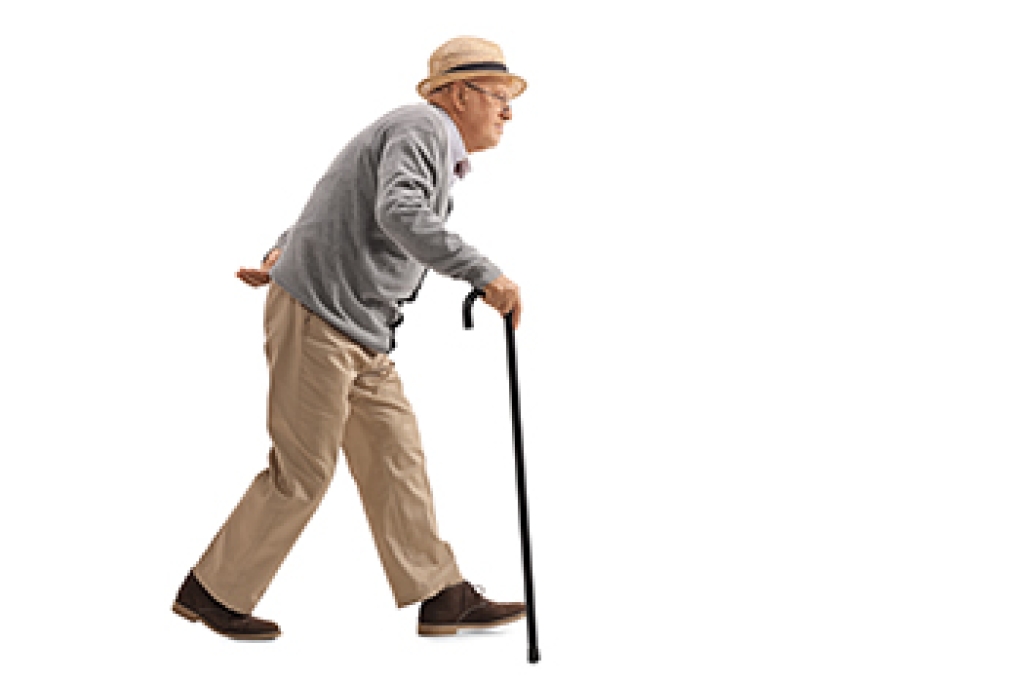
Using a cane properly is vital for maintaining balance and mobility, especially when recovering from foot or ankle injuries or after surgery. Selecting the right cane is important, and the choice typically depends on how much support you require. A cane should be held in the hand opposite your weaker leg to provide optimal stability. When walking, advance the cane and your weaker leg simultaneously. This allows the cane to absorb some of the pressure. Ensure the cane is adjusted to your height, with the handle level with your wrist and your elbow slightly bent. For additional safety, always plant the cane firmly on the ground before putting your weight on it. Be mindful of your surroundings to avoid tripping hazards, but try to look forward when you walk. Proper technique for using a cane is essential to prevent strain and further injury. If you foot conditions that require using a cane, it is suggested that you schedule an appointment with a podiatrist for guidance.

Proper foot care is something many older adults forget to consider. If you have any concerns about your feet and ankles, contact Jeffrey Radack, DPM from Texas Regional Foot & Ankle Clinics. Our doctor can provide the care you need to keep you pain-free and on your feet.

The Elderly and Their Feet

As we age we start to notice many changes in our body, but the elder population may not notice them right away. Medical conditions may prevent the elderly to take notice of their foot health right away. Poor vision is a lead contributor to not taking action for the elderly.

Common Conditions 

  • Neuropathy – can reduce feeling in the feet and can hide many life-threatening medical conditions.
  • Reduced flexibility – prevents the ability of proper toenail trimming, and foot cleaning. If left untreated, it may lead to further medical issues.
  • Foot sores – amongst the older population can be serious before they are discovered. Some of the problematic conditions they may face are:
  • Gouging toenails affecting nearby toe
  • Shoes that don’t fit properly
  • Pressure sores
  • Loss of circulation in legs & feet
  • Edema & swelling of feet and ankles

Susceptible Infections

Diabetes and poor circulation can cause general loss of sensitivity over the years, turning a simple cut into a serious issue.

If you have any questions, please feel free to contact our office located in McKinney and Coppell, TX . We offer the newest diagnostic and treatment technologies for all your foot care needs.

Read more about Elderly Foot Care

Connect With Us