
How Peripheral Neuropathy Affects the Feet

Peripheral neuropathy affects the nerves in the feet, leading to symptoms such as tingling, burning pain, numbness, and weakness. This occurs when the nerves that transmit signals between the brain and feet become damaged, disrupting normal sensation and muscle function. Common causes of peripheral neuropathy include diabetes, injury, infections, and certain medications. People with peripheral neuropathy may feel as if they are wearing socks when barefoot or experience difficulty maintaining balance. The condition often worsens at night, making foot pain more noticeable. Nerve damage can also weaken the muscles in the feet and ankles, leading to instability and increasing the risk of falling. If left untreated, neuropathy may contribute to foot ulcers or deformities due to a lack of sensation and pressure awareness. A podiatrist can assess your nerve function, identify underlying causes, and recommend treatment options to help manage symptoms and prevent complications. In severe cases, surgery may be necessary to relieve nerve compression. If you experience numbness and tingling in the feet, it is suggested that you promptly schedule an appointment with a podiatrist for an exam and appropriate treatment.

Neuropathy

Neuropathy can be a potentially serious condition, especially if it is left undiagnosed. If you have any concerns that you may be experiencing nerve loss in your feet, consult with Jeffrey Radack, DPM from Texas Regional Foot & Ankle Clinics. Our doctor will assess your condition and provide you with quality foot and ankle treatment for neuropathy.

What Is Neuropathy?

Neuropathy is a condition that leads to damage to the nerves in the body. Peripheral neuropathy, or neuropathy that affects your peripheral nervous system, usually occurs in the feet. Neuropathy can be triggered by a number of different causes. Such causes include diabetes, infections, cancers, disorders, and toxic substances.

Symptoms of Neuropathy Include:

  • Numbness
  • Sensation loss
  • Prickling and tingling sensations
  • Throbbing, freezing, burning pains
  • Muscle weakness

Those with diabetes are at serious risk due to being unable to feel an ulcer on their feet. Diabetics usually also suffer from poor blood circulation. This can lead to the wound not healing, infections occurring, and the limb may have to be amputated.

Treatment

To treat neuropathy in the foot, podiatrists will first diagnose the cause of the neuropathy. Figuring out the underlying cause of the neuropathy will allow the podiatrist to prescribe the best treatment, whether it be caused by diabetes, toxic substance exposure, infection, etc. If the nerve has not died, then it’s possible that sensation may be able to return to the foot.

Pain medication may be issued for pain. Electrical nerve stimulation can be used to stimulate nerves. If the neuropathy is caused from pressure on the nerves, then surgery may be necessary.

If you have any questions, please feel free to contact our office located in McKinney and Coppell, TX . We offer the newest diagnostic and treatment technologies for all your foot care needs.

Read more about Neuropathy

Causes and Symptoms of Gout

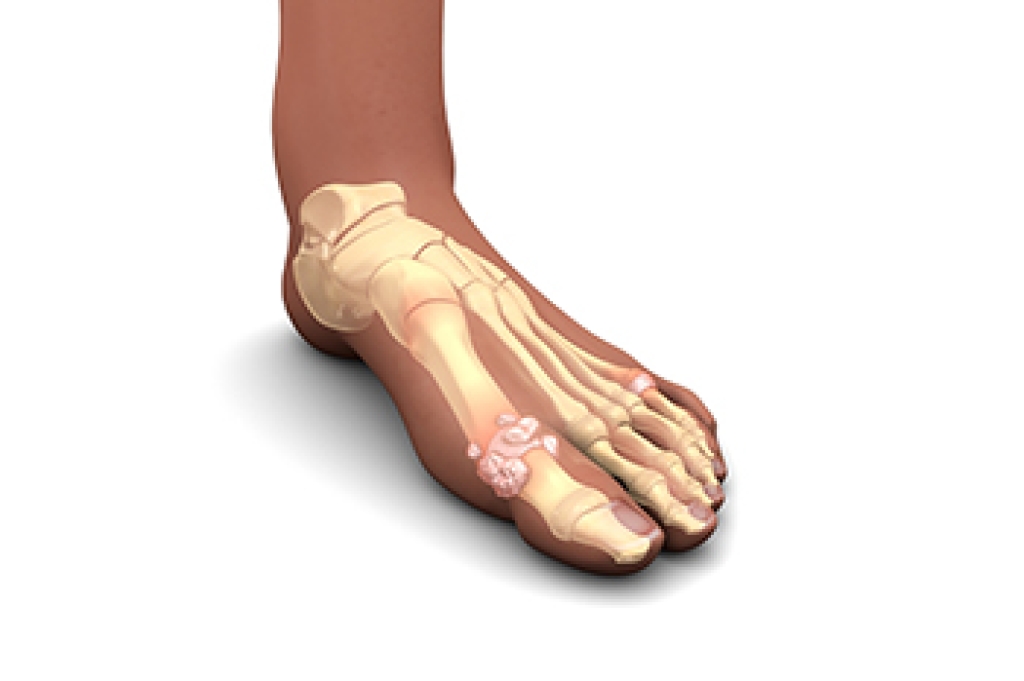
Gout is a form of arthritis that occurs when uric acid builds up in the blood, forming crystals in the joints. This leads to sudden, severe pain and inflammation, often affecting the big toe. The condition typically arises due to factors like a diet high in purines, obesity, dehydration, or kidney problems that prevent the proper excretion of uric acid. Symptoms of gout include intense joint pain, redness, swelling, and warmth in the affected area. The pain often comes on suddenly and can last for several hours or days. While gout can affect various joints, it most commonly targets the feet and ankles, especially the big toe. If you have developed this painful condition, it is suggested that you promptly consult a podiatrist who can offer appropriate treatment and management solutions.

Gout is a foot condition that requires certain treatment and care. If you are seeking treatment, contact Jeffrey Radack, DPM from Texas Regional Foot & Ankle Clinics. Our doctor will treat your foot and ankle needs.

What Is Gout?

Gout is a type of arthritis caused by a buildup of uric acid in the bloodstream. It often develops in the foot, especially the big toe area, although it can manifest in other parts of the body as well. Gout can make walking and standing very painful and is especially common in diabetics and the obese.

People typically get gout because of a poor diet. Genetic predisposition is also a factor. The children of parents who have had gout frequently have a chance of developing it themselves.

Gout can easily be identified by redness and inflammation of the big toe and the surrounding areas of the foot. Other symptoms include extreme fatigue, joint pain, and running high fevers. Sometimes corticosteroid drugs can be prescribed to treat gout, but the best way to combat this disease is to get more exercise and eat a better diet.

If you have any questions, please feel free to contact our office located in McKinney and Coppell, TX . We offer the newest diagnostic and treatment technologies for all your foot care needs.
Read more about Everything You Need to Know About Gout

Plantar Warts Can Be Treated!

Plantar warts are small growths that develop on parts of the feet that bear weight. They're typically found on the bottom of the foot. Don't live with plantar warts, and call us today!

Treatment Options for Diabetic Foot Ulcers

Diabetic foot ulcers develop when prolonged high blood sugar levels impair circulation and nerve function, increasing the risk of slow-healing wounds. Proper wound care for diabetic foot ulcers is essential to prevent complications, including infection. A podiatrist can assess the severity of the ulcer and recommend appropriate treatment, which may include debridement to remove dead tissue and specialized dressings that support healing. Offloading techniques, such as custom orthotics or specialized footwear, can help to reduce pressure on the affected area. In some cases, advanced treatments like negative pressure therapy may be used to promote tissue regeneration. Antibiotics may be prescribed if there are signs of infection. If conservative measures do not lead to improvement, surgery might be necessary to remove damaged tissue or correct structural deformities that contribute to ulcer formation. Regular monitoring by a podiatrist is essential to reduce the risk of more serious complications. If you have developed foot ulcers as a complication of diabetes, it is suggested that you schedule regular  appointments with a podiatrist for ongoing treatment.

Diabetic foot care is important in preventing foot ailments such as ulcers. If you are suffering from diabetes or have any other concerns about your feet, contact Jeffrey Radack, DPM from Texas Regional Foot & Ankle Clinics. Our doctor can provide the care you need to keep you pain-free and on your feet.

Diabetic Foot Care

Diabetes affects millions of people every year. The condition can damage blood vessels in many parts of the body, especially the feet. Because of this, taking care of your feet is essential if you have diabetes, and having a podiatrist help monitor your foot health is highly recommended.

The Importance of Caring for Your Feet

  • Routinely inspect your feet for bruises or sores.
  • Wear socks that fit your feet comfortably.
  • Wear comfortable shoes that provide adequate support.

Patients with diabetes should have their doctor monitor their blood levels, as blood sugar levels play such a huge role in diabetic care. Monitoring these levels on a regular basis is highly advised.

It is always best to inform your healthcare professional of any concerns you may have regarding your feet, especially for diabetic patients. Early treatment and routine foot examinations are keys to maintaining proper health, especially because severe complications can arise if proper treatment is not applied.

If you have any questions, please feel free to contact our office located in McKinney and Coppell, TX . We offer the newest diagnostic and treatment technologies for all your foot care needs.
Read more about Diabetic Foot Conditions

Causes and Symptoms of Acute Ankle Sprains

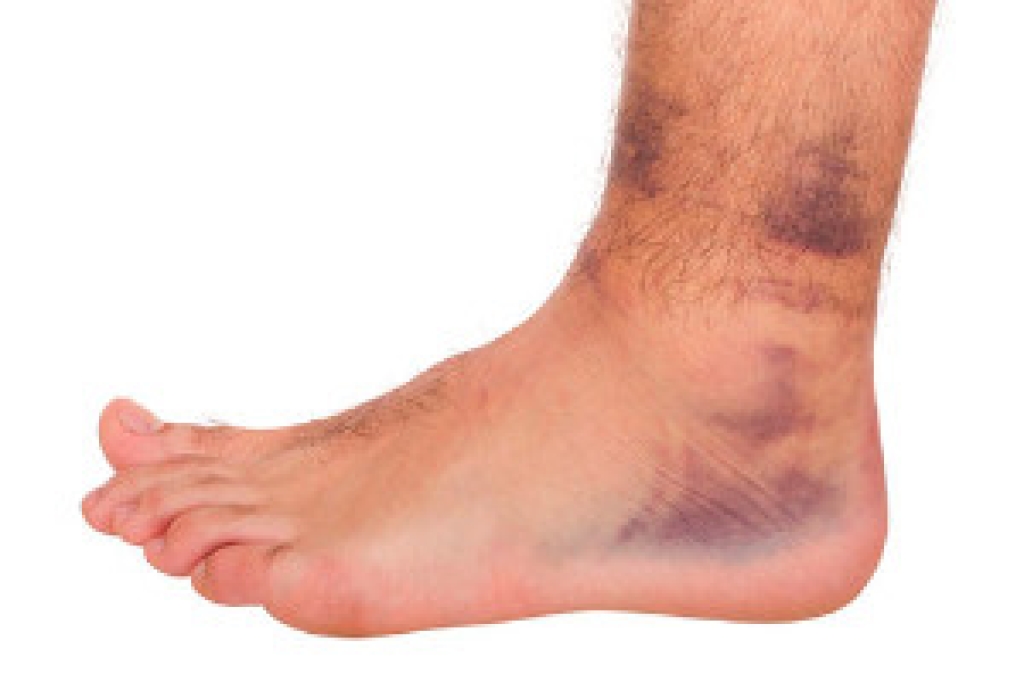
An acute ankle sprain occurs when the ligaments around the ankle are stretched or torn due to sudden twisting or impact. This injury typically happens during activities that involve jumping, running, or uneven surfaces, causing the ankle to roll or twist beyond its normal range of motion. The ligaments on the outside of the ankle are most often affected, although other ligaments can be injured as well. An acute sprain can occur in any age group, but it is especially common among athletes or individuals who engage in high-intensity physical activities. Risk factors include weak ankle muscles, improper footwear, or a previous ankle injury, which can make the ankle joint more vulnerable. The severity of the sprain can vary, with symptoms ranging from mild pain and swelling to more severe pain, bruising, and limited mobility. If you have injured or sprained your ankle, it is suggested that you promptly schedule an appointment with a podiatrist who can offer you appropriate treatment solutions.

Although ankle sprains are common, they aren’t always minor injuries. If you need your ankle injury looked at, contact Jeffrey Radack, DPM from Texas Regional Foot & Ankle Clinics. Our doctor can provide the care you need to keep you pain-free and on your feet.

How Does an Ankle Sprain Occur?

Ankle sprains are the result of a tear in the ligaments within the ankle. These injuries may happen when you make a rapid shifting movement while your foot is planted. A less common way to sprain your ankle is when your ankle rolls inward while your foot turns outward.

What Are the Symptoms?

  • Pain at the sight of the tear
  • Bruising/Swelling
  • Ankle area is tender to touch
  • In severe cases, may hear/feel something tear
  • Skin discoloration

Preventing a Sprain

  • Wearing appropriate shoes for the occasion
  • Stretching before exercises and sports
  • Knowing your limits

Treatment of a Sprain

In many cases, the RICE method (Rest, Ice, Compression, and Elevate) is used to treat ankle sprains. However, you should see a podiatrist to see which treatment option would work best with your injury. In severe cases, surgery may be required.

It is important to ask your doctor about rehab options after you receive treatment for your injury. Stretching, strength training, and balance exercises may help the ankle heal while also preventing further injury.

If you have any questions, please feel free to contact our office located in McKinney and Coppell, TX . We offer the newest diagnostic and treatment technologies for all your foot care needs.
Read more about Three Grades of Ankle Sprains

Plantar Fasciitis and the Best Shoes for Relief

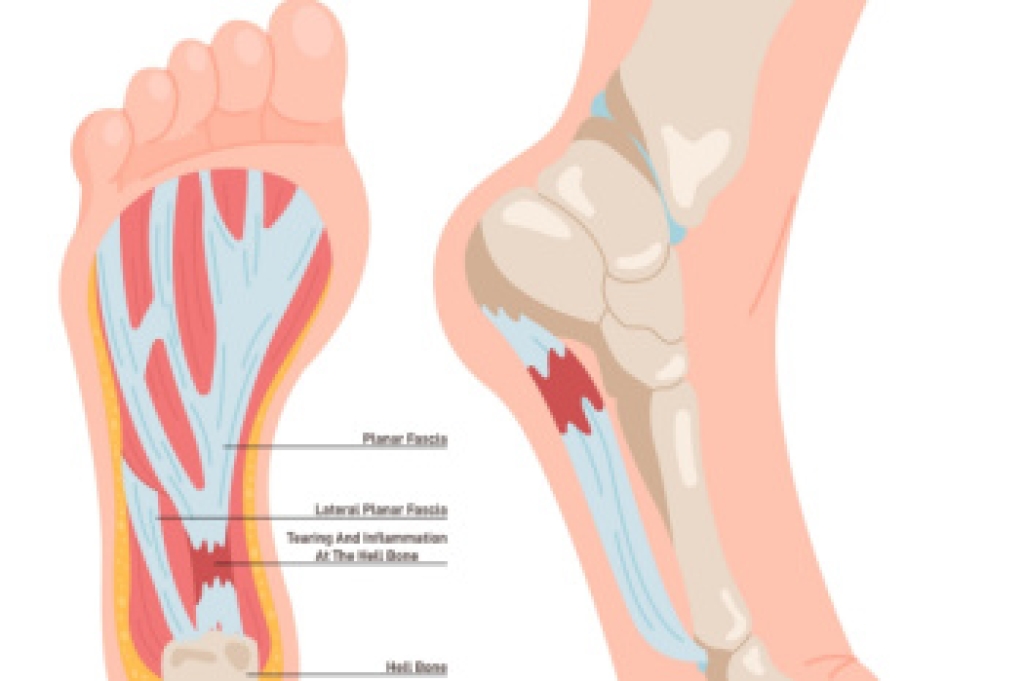
Plantar fasciitis is a common cause of heel pain, often resulting from inflammation of the thick band of tissue that runs along the bottom of the foot. This condition is typically aggravated by excessive pressure or overuse, leading to discomfort, particularly in the heel area. Wearing the right type of shoes is essential for managing and relieving plantar fasciitis. Shoes with good arch support help distribute pressure evenly across the foot, reducing strain on the plantar fascia. Cushioned soles provide shock absorption, which is especially beneficial for those who spend long hours standing or walking. Avoiding flat shoes or high heels is also important, as they do not offer adequate support. Instead, look for shoes with a low, supportive heel and a wide toe box that allows the toes to move freely. If you have heel pain, it is suggested that you consult a podiatrist who can accurately diagnose and treat this condition, in addition to guiding you toward optimum shoes to buy for relief.

Plantar fasciitis can be very painful and inconvenient. If you are experiencing heel pain or symptoms of plantar fasciitis, contact Jeffrey Radack, DPM  from Texas Regional Foot & Ankle Clinics. Our doctor can provide the care you need to keep you pain-free and on your feet.

What Is Plantar Fasciitis?

Plantar fasciitis is the inflammation of the thick band of tissue that runs along the bottom of your foot, known as the plantar fascia, and causes mild to severe heel pain.

What Causes Plantar Fasciitis?

  • Excessive running
  • Non-supportive shoes
  • Overpronation
  • Repeated stretching and tearing of the plantar fascia

How Can It Be Treated?

  • Conservative measures – anti-inflammatories, ice packs, stretching exercises, physical therapy, orthotic devices
  • Shockwave therapy – sound waves are sent to the affected area to facilitate healing and are usually used for chronic cases of plantar fasciitis
  • Surgery – usually only used as a last resort when all else fails. The plantar fascia can be surgically detached from the heel

While very treatable, plantar fasciitis is definitely not something that should be ignored. Especially in severe cases, speaking to your doctor right away is highly recommended to avoid complications and severe heel pain. Your podiatrist can work with you to provide the appropriate treatment options tailored to your condition.

If you have any questions, please feel free to contact our office located in McKinney and Coppell, TX . We offer the newest diagnostic and treatment technologies for all your foot care needs.

Read more about Plantar Fasciitis

Protect Your Ankles and Feet While Playing Pickleball

Pickleball, one of the fastest-growing sports, offers fun and fitness but comes with risks for sprains, fractures, and falls that affect the ankles and feet. Sudden pivots, quick lateral movements, and uneven court surfaces can strain ligaments or even lead to fractures. Proper warmups are essential to reduce injury. It is important to spend a few minutes stretching calves, Achilles tendons, and hamstrings, and practice gentle ankle rotations. Gradually increasing your heart rate with light jogging or dynamic stretches can prepare your muscles for the game’s demands. Wearing supportive footwear and paying attention to court conditions are additional ways to minimize falls. If you experience foot pain after a pickleball game, it is suggested that you consult a podiatrist who can assess the injury and provide treatment.

Sports related foot and ankle injuries require proper treatment before players can go back to their regular routines. For more information, contact Jeffrey Radack, DPM of Texas Regional Foot & Ankle Clinics. Our doctor can provide the care you need to keep you pain-free and on your feet.

Sports Related Foot and Ankle Injuries

Foot and ankle injuries are a common occurrence when it comes to athletes of any sport. While many athletes dismiss the initial aches and pains, the truth is that ignoring potential foot and ankle injuries can lead to serious problems. As athletes continue to place pressure and strain the area further, a mild injury can turn into something as serious as a rupture and may lead to a permanent disability. There are many factors that contribute to sports related foot and ankle injuries, which include failure to warm up properly, not providing support or wearing bad footwear. Common injuries and conditions athletes face, including:

  • Plantar Fasciitis
  • Achilles Tendinitis
  • Achilles Tendon Rupture
  • Ankle Sprains

Sports related injuries are commonly treated using the RICE method. This includes rest, applying ice to the injured area, compression and elevating the ankle. More serious sprains and injuries may require surgery, which could include arthroscopic and reconstructive surgery. Rehabilitation and therapy may also be required in order to get any recovering athlete to become fully functional again. Any unusual aches and pains an athlete sustains must be evaluated by a licensed, reputable medical professional.

If you have any questions please contact our office located in McKinney and Coppell, TX . We offer the newest diagnostic and treatment technologies for all your foot and ankle needs.

Read more about Sports Related Foot And Ankle Injuries

Do You Suffer From Painful Feet?

Painful deformities, such as hammertoes, can be treated. Stop living with foot pain, and have beautiful feet again!

Common Foot Injuries in Runners

Running can be an excellent way to stay active, but it places repetitive stress on the feet, ankles, and toes, often leading to injuries. Common foot-related injuries in runners include plantar fasciitis, stress fractures, and ankle sprains. Plantar fasciitis involves irritation of the broad ligament on the bottom of the foot, leading to heel pain, especially during morning steps. Stress fractures, hairline cracks in bones like those in the foot or heel, can develop from overuse and require proper care to prevent worsening. Ankle sprains, caused by overstretching ligaments, result in swelling, pain, and reduced mobility. Ingrown toenails are also prevalent among runners, often from wearing improperly fitted footwear, causing discomfort and possible infection if untreated. A podiatrist can provide an accurate diagnosis of your foot condition and recommend tailored treatment, based on the type and severity of the injury. Early intervention helps prevent minor injuries from progressing to chronic issues. If you have sustained a foot injury related to running, it is suggested that you schedule an appointment with a podiatrist for an exam and treatment.

All runners should take extra precaution when trying to avoid injury. If you have any concerns about your feet, contact Jeffrey Radack, DPM of Texas Regional Foot & Ankle Clinics. Our doctor will treat your foot and ankle needs.

How to Prevent Running Injuries

There are a lot of mistakes a runner can make prior to a workout that can induce injury. A lot of athletes tend to overstretch before running, instead of saving those workouts for a post-run routine. Deep lunges and hand-to-toe hamstring pulls should be performed after a workout instead of during a warmup. Another common mistake is jumping into an intense routine before your body is physically prepared for it. You should try to ease your way into long-distance running instead of forcing yourself to rush into it.

More Tips for Preventing Injury

  • Incorporate Strength Training into Workouts - This will help improve the body’s overall athleticism
  • Improve and Maintain Your Flexibility – Stretching everyday will help improve overall performance
  • “Warm Up” Before Running and “Cool Down” Afterward – A warm up of 5-10 minutes helps get rid of lactic acid in the muscles and prevents delayed muscle soreness
  • Cross-Training is Crucial
  • Wear Proper Running Shoes
  • Have a Formal Gait Analysis – Poor biomechanics can easily cause injury

If you have any questions, please feel free to contact our office located in McKinney and Coppell, TX . We offer the newest diagnostic and treatment technologies for all your foot care needs.

Read more about Preventing Running Injuries

Understanding Sever's Disease

Sever's disease, also known as calcaneal apophysitis, is a source of heel pain in growing children and adolescents. It is particularly common among those involved in sports with a lot of running, like soccer, or basketball. It occurs when the growth plate in the heel becomes irritated or inflamed due to repetitive stress, often worsened by activities that involve running or jumping. The main symptoms of Sever's disease include heel pain, tenderness, and swelling at the back of the heel, especially after physical activity. Children may also limp or complain of discomfort when walking or standing for long periods. Treatment typically focuses on relieving pain and reducing inflammation. This may include rest and stretching exercises for the Achilles tendon. Custom orthotics or heel pads can also help reduce pressure on the heel. In severe cases, a podiatrist may recommend a period of restricted activity. If your child is dealing with this condition, it is suggested that you schedule an appointment with a podiatrist.

Sever's disease often occurs in children and teens. If your child is experiencing foot or ankle pain, see Jeffrey Radack, DPM from Texas Regional Foot & Ankle Clinics. Our doctor can treat your child’s foot and ankle needs.

Sever’s Disease

Sever’s disease is also known as calcaneal apophysitis, which is a medical condition that causes heel pain I none or both feet. The disease is known to affect children between the ages of 8 and 14.

Sever’s disease occurs when part of the child’s heel known as the growth plate (calcaneal epiphysis) is attached to the Achilles tendon. This area can suffer injury when the muscles and tendons of the growing foot do not keep pace with bone growth. Therefore, the constant pain which one experiences at the back of the heel will make the child unable to put any weight on the heel. The child is then forced to walk on their toes.

Symptoms

Acute pain – Pain associated with Sever’s disease is usually felt in the heel when the child engages in physical activity such as walking, jumping and or running.

Highly active – Children who are very active are among the most susceptible in experiencing Sever’s disease, because of the stress and tension placed on their feet.

If you have any questions, please feel free to contact our office located in McKinney and Coppell, TX . We offer the newest diagnostic and treatment technologies for all your foot care needs.

Read more about Sever's Disease

Connect With Us