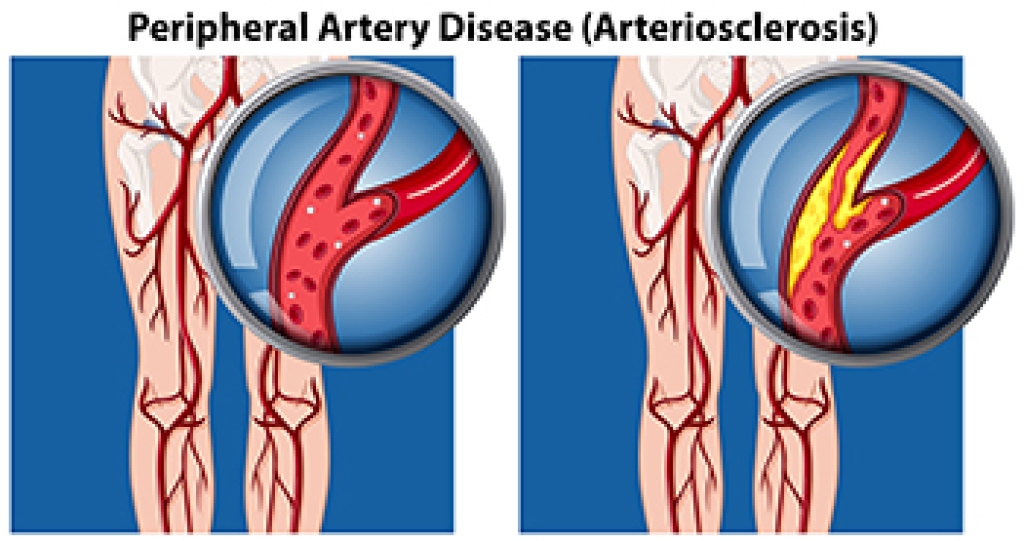
Peripheral Artery Disease Can Affect Your Feet

Peripheral artery disease is a cardiovascular condition that can seriously affect the health of your feet. When fatty deposits build up in the arteries that serve the legs, the flow of blood to the feet and toes can be restricted. Common symptoms of peripheral artery disease, or PAD, include hair loss and weakness in the legs and feet, brittle or slow-growing toenails, and numbness in the lower extremities. One of the more serious results of PAD is the increased inability of sores or cuts on the feet and ankles to heal normally. If these wounds are not noticed or left unattended, they can become ulcerous. This is a common side effect of diabetes as the result of high levels of blood sugar. Foot ulcers can become gangrenous and increase the danger of losing a limb. Eating a healthy diet, quitting smoking and drinking, along with losing weight can all help to reduce the effects of peripheral artery disease. For help with this condition as it affects the feet, it is suggested that you make an appointment with a podiatrist. 

Peripheral artery disease can pose a serious risk to your health. It can increase the risk of stroke and heart attack. If you have symptoms of peripheral artery disease, consult with Jeffrey Radack, DPM from Texas Regional Foot & Ankle Clinics. Our doctor will assess your condition and provide you with quality foot and ankle treatment.

Peripheral artery disease (PAD) is when arteries are constricted due to plaque (fatty deposits) build-up. This results in less blood flow to the legs and other extremities. The main cause of PAD is atherosclerosis, in which plaque builds up in the arteries.

Symptoms

Symptoms of PAD include:

  • Claudication (leg pain from walking)
  • Numbness in legs
  • Decrease in growth of leg hair and toenails
  • Paleness of the skin
  • Erectile dysfunction
  • Sores and wounds on legs and feet that won’t heal
  • Coldness in one leg

It is important to note that a majority of individuals never show any symptoms of PAD.

Diagnosis

While PAD occurs in the legs and arteries, Podiatrists can diagnose PAD. Podiatrists utilize a test called an ankle-brachial index (ABI). An ABI test compares blood pressure in your arm to you ankle to see if any abnormality occurs. Ultrasound and imaging devices may also be used.

Treatment

Fortunately, lifestyle changes such as maintaining a healthy diet, exercising, managing cholesterol and blood sugar levels, and quitting smoking, can all treat PAD. Medications that prevent clots from occurring can be prescribed. Finally, in some cases, surgery may be recommended.

If you have any questions, please feel free to contact our office located in McKinney and Coppell, TX . We offer the newest diagnostic and treatment technologies for all your foot care needs.
Read more about Peripheral Artery Disease

How the Foot Is Affected by Rheumatoid Arthritis

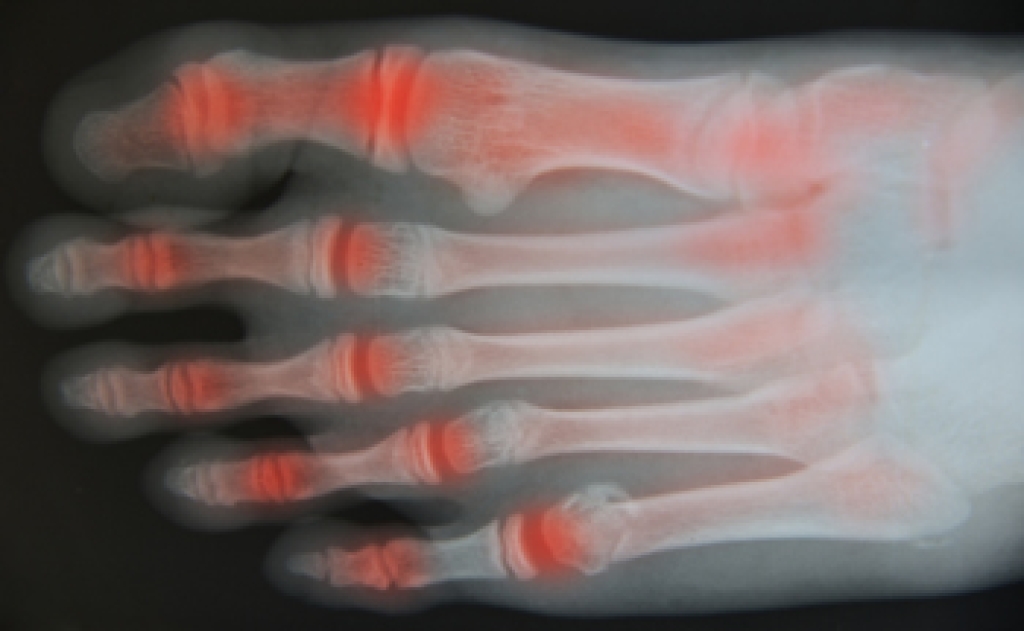
People who develop rheumatoid arthritis, or RA, are no strangers to the pain this condition can cause. The symptoms that often accompany this ailment can include stiffness, and the joints throughout the body may be swollen. The feet can be affected by rheumatoid arthritis, and it may be difficult to walk and complete daily activities. RA is considered to be an autoimmune disease, and it attacks the lining of the joints. Some patients can experience fevers, extreme fatigue, and possible weight loss. The components of the feet that are affected can include the cartilage, toe joints, and the joints that connect the foot and the ankle. Patients who are afflicted with RA look for relief, and may find it, by wearing custom-made orthotics, practicing a regular exercise routine, and maintaining a healthy weight. If you have foot pain, it is strongly suggested that you consult with a podiatrist who can diagnose and treat rheumatoid arthritis.

Because RA affects more than just your joints, including the joints in your feet and ankles, it is important to seek early diagnosis from your podiatrist if you feel like the pain in your feet might be caused by RA. For more information, contact Jeffrey Radack, DPM of Texas Regional Foot & Ankle Clinics. Our doctor will assist you with all of your podiatric concerns.

What Is Rheumatoid Arthritis?

Rheumatoid Arthritis (RA) is an autoimmune disorder in which the body’s own immune system attacks the membranes surrounding the joints. Inflammation of the lining and eventually the destruction of the joint’s cartilage and bone occur, causing severe pain and immobility.

Rheumatoid Arthritis of the Feet

Although RA usually attacks multiple bones and joints throughout the entire body, almost 90 percent of cases result in pain in the foot or ankle area.

Symptoms

  • Swelling and pain in the feet
  • Stiffness in the feet
  • Pain on the ball or sole of feet
  • Joint shift and deformation

Diagnosis

Quick diagnosis of RA in the feet is important so that the podiatrist can treat the area effectively. Your doctor will ask you about your medical history, occupation, and lifestyle to determine the origin of the condition. Rheumatoid Factor tests help to determine if someone is affected by the disease.

If you have any questions, please feel free to contact our office located in McKinney and Coppell, TX . We offer the newest diagnostic and treatment technologies for all your foot care needs.
Read more about Rheumatoid Arthritis in the Feet

Is Toenail Fungus Contagious?

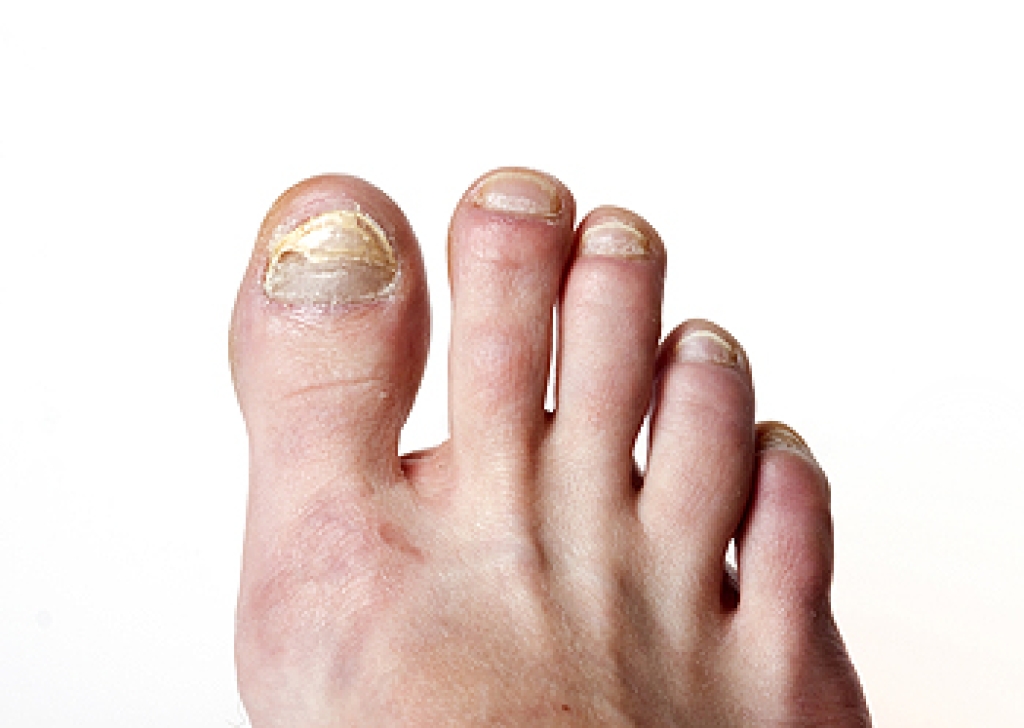
The toenails can look disfigured with a severe case of toenail fungus. It is caused by the human papillomavirus (HPV) and is considered to be highly contagious. This virus lives and thrives in warm and moist environments, such as public swimming pools, shower rooms, or similar areas. Some of the symptoms that are associated with toenail fungus can include yellowed nails that can become brittle, and the affected nails may emit an odor. It is beneficial to implement certain methods that are successful in preventing toenail fungus. These can consist of wearing appropriate shoes, such as flip flops or water shoes, and refraining from sharing shoes, socks, and towels. Toenail fungus does not improve without medical attention. If you have developed this condition, it is suggested that you confer with a podiatrist who can guide you toward the correct treatment options, which may include prescribed medicine.

For more information about treatment, contact Jeffrey Radack, DPM of Texas Regional Foot & Ankle Clinics. Our doctor can provide the care you need to keep you pain-free and on your feet.

Toenail Fungus Treatment

Toenail fungus is a condition that affects many people and can be especially hard to get rid of. Fortunately, there are several methods to go about treating and avoiding it.

Antifungals & Deterrence

Oral antifungal medicine has been shown to be effective in many cases. It is important to consult with a podiatrist to determine the proper regiment for you, or potentially explore other options.

Applying foot powder on the feet and shoes helps keep the feet free of moisture and sweat.

Sandals or open toed shoes – Wearing these will allow air movement and help keep feet dry. They also expose your feet to light, which fungus cannot tolerate. Socks with moisture wicking material also help as well.

If you have any questions please contact our office located in McKinney and Coppell, TX . We offer the newest diagnostic and treatment technologies for all your foot and ankle needs.

Read more about How to Treat Your Toenail Fungus

A Tell-Tale Symptom of Flat Feet

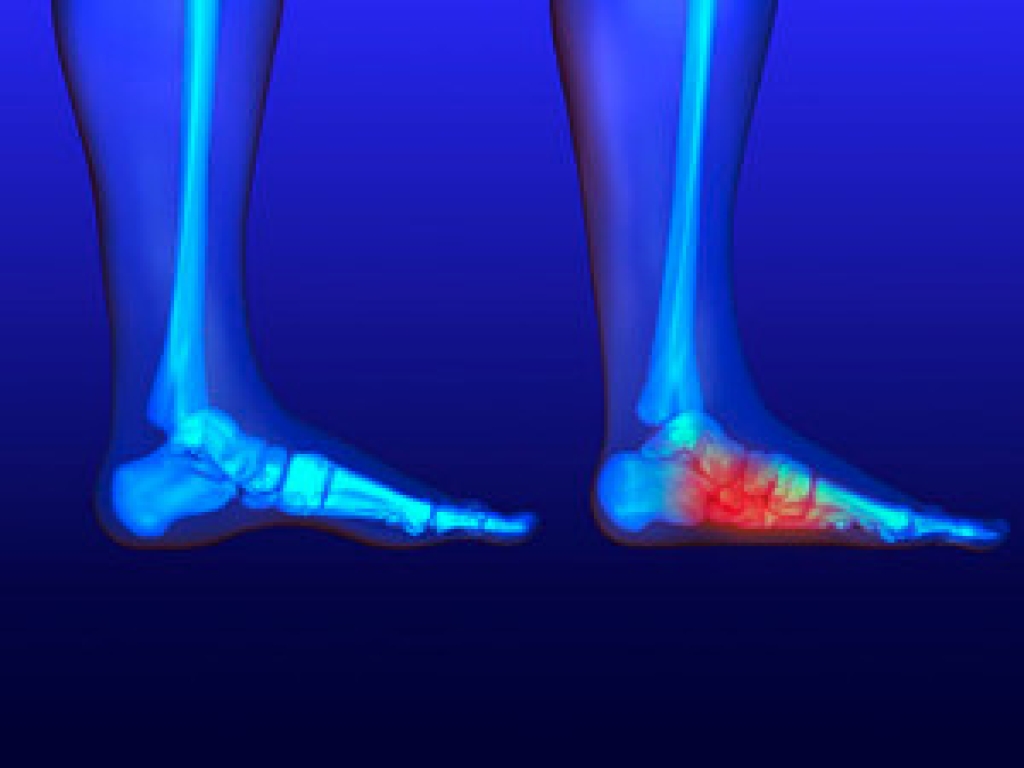
Flat feet are a common foot ailment that can be easy to observe. While standing up, does the entire foot lie flat on the floor? Most babies are born with flat feet, and the arch generally develops by the teenage years. This may not be the case for some adults, as genetics may contribute to having flat feet. Additionally, if a foot injury has occurred, flat feet may be the result. Many people do not experience pain with flat feet and can complete daily activities. Conversely, flat feet may cause pain and discomfort, and measures can be implemented to help reduce existing pain. These can include performing specific stretches that are tailored for patients with flat feet, in addition to wearing custom-made orthotics. If you have flat feet, it is strongly suggested that you are under the care of a podiatrist who can monitor your balance and general foot health. 

Flatfoot is a condition many people suffer from. If you have flat feet, contact Jeffrey Radack, DPM from Texas Regional Foot & Ankle Clinics. Our doctor will treat your foot and ankle needs.

What Are Flat Feet?

Flatfoot is a condition in which the arch of the foot is depressed and the sole of the foot is almost completely in contact with the ground. About 20-30% of the population generally has flat feet because their arches never formed during growth.

Conditions & Problems:

Having flat feet makes it difficult to run or walk because of the stress placed on the ankles.

Alignment – The general alignment of your legs can be disrupted, because the ankles move inward which can cause major discomfort.

Knees – If you have complications with your knees, flat feet can be a contributor to arthritis in that area.  

Symptoms

  • Pain around the heel or arch area
  • Trouble standing on the tip toe
  • Swelling around the inside of the ankle
  • Flat look to one or both feet
  • Having your shoes feel uneven when worn

Treatment

If you are experiencing pain and stress on the foot you may weaken the posterior tibial tendon, which runs around the inside of the ankle. 

If you have any questions, please feel free to contact our office located in McKinney and Coppell, TX . We offer the newest diagnostic and treatment technologies for all your foot care needs.

Read more about What is Flexible Flat Foot?

Are You Suffering From Nerve Damage?

Neuropathy is a condition that can lead to numbness or loss of sensation in the feet, but it can also cause pain. This condition is more likely to develop for those who are diabetic, obese, or with high blood pressure.

Connect With Us