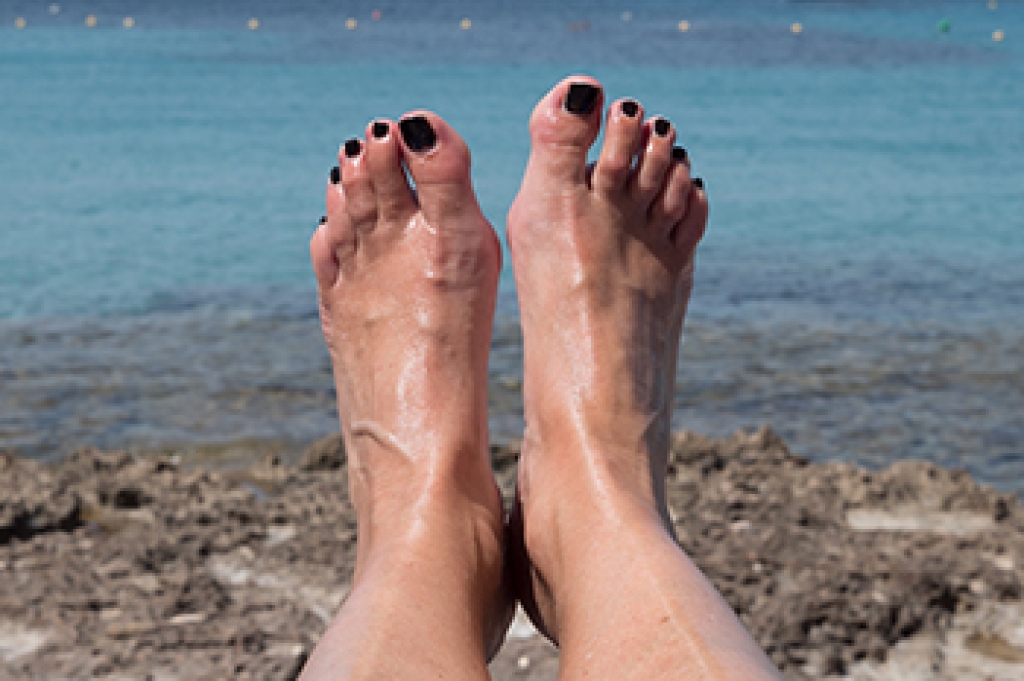
What Is Freiberg’s Disease?

Rare foot diseases will obviously not affect a wide majority of individuals across the country. However, it can be important and helpful to learn more about these unique conditions, such as Freiberg’s disease. This condition has a negative impact on the second or third metatarsal bones, which can lead to sensations of stiffness at the affected area. If you have Freiberg’s disease, you might even experience swelling or feel pain in the front of the foot. Typically, putting weight on the feet when walking, running, or jumping can exacerbate these symptoms. Although the precise cause of Freiberg’s disease is still elusive, it may be caused by microtrauma near the metaphysis. If you want to learn more about Freiberg’s disease and other rare foot conditions, contact a podiatrist today. 

Some foot conditions may require additional professional care. If you have any concerns, contact Jeffrey Radack, DPM of Texas Regional Foot & Ankle Clinics. Our doctor can provide the care you need to keep you pain-free and on your feet.

Rare Foot Conditions

The majority of foot conditions are common and can be treated by a podiatrist.  Standard diagnostic procedures are generally used to identify specific conditions and treatment can be rendered. A podiatrist also treats rare foot conditions which can be difficult to diagnose and may need extra attention and care. 

There are many rare foot conditions that can affect children. Some of these can include:

  • Freiberg’s disease
  • Kohler’s disease
  • Maffucci syndrome

Freiberg’s disease - This can be seen as a deterioration and flattening of a metatarsal bone that exists in the ball of the foot. It typically affects pre-teen and teenage girls, but can affect anyone at any age. Symptoms that can accompany this can be swelling, stiffness, and the patient may limp. 

Kohler’s disease - This often targets the bone in the arch of the foot and affects younger boys. It can lead to an interruption of the blood supply which ultimately can lead to bone deterioration. The patient may limp or experience tenderness, swelling, and redness.

Maffucci syndrome - This affects the long bones in a child’s foot leading to the development of abnormal bone lesions. They are benign growths and typically develop in early childhood and the bones may be susceptible to breaking. 

A podiatrist can properly diagnose and treat all types of rare foot conditions. If your child is affected by any of these symptoms or conditions, please don’t hesitate to call our office so the correct treatment method can begin.

If you have any questions, please feel free to contact our office located in McKinney and Coppell, TX . We offer the newest diagnostic and treatment technologies for all your foot care needs.
Read more about Rare Foot Conditions

How Peroneal Neuropathy Affects the Feet

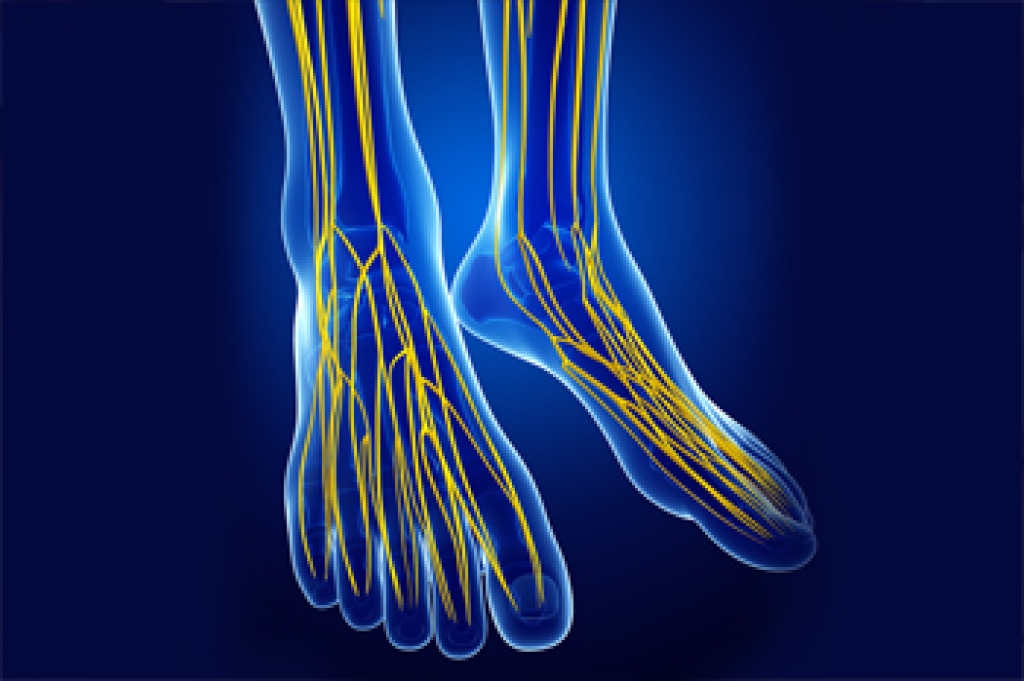
The peroneal nerve runs from the outside of the knee, down through the leg, and into the foot. It supplies movement and sensation to the lower leg, foot, and toes. When this nerve is damaged, usually by a direct trauma, it can result in numbness, tingling, or weakness in the foot. This condition is known as peroneal neuropathy. The result is a reduced ability to lift the foot to extend the toes or turn the foot outward, and may cause a kind of slapping gait while walking. This further leads to a tendency to trip, and an increased risk of a sprained ankle. It also can bring on foot drop, causing a need to lift the leg higher than normal, as in marching, to clear the floor or ground when taking a step. A loss of sensation in the sole of the foot is a common symptom. A number of imaging tests may be needed to determine the exact nature and severity of the peroneal neuropathy. Non-surgical treatment includes orthotics, braces or foot splints. In some cases surgery is required. If you are experiencing trouble lifting and moving your foot, it is a good idea to consult with a podiatrist for a full exam and diagnosis. A few neurologic conditions, such as multiple sclerosis and Parkinson’s disease, may cause similar symptoms. 

Neuropathy

Neuropathy can be a potentially serious condition, especially if it is left undiagnosed. If you have any concerns that you may be experiencing nerve loss in your feet, consult with Jeffrey Radack, DPM from Texas Regional Foot & Ankle Clinics. Our doctor will assess your condition and provide you with quality foot and ankle treatment for neuropathy.

What Is Neuropathy?

Neuropathy is a condition that leads to damage to the nerves in the body. Peripheral neuropathy, or neuropathy that affects your peripheral nervous system, usually occurs in the feet. Neuropathy can be triggered by a number of different causes. Such causes include diabetes, infections, cancers, disorders, and toxic substances.

Symptoms of Neuropathy Include:

  • Numbness
  • Sensation loss
  • Prickling and tingling sensations
  • Throbbing, freezing, burning pains
  • Muscle weakness

Those with diabetes are at serious risk due to being unable to feel an ulcer on their feet. Diabetics usually also suffer from poor blood circulation. This can lead to the wound not healing, infections occurring, and the limb may have to be amputated.

Treatment

To treat neuropathy in the foot, podiatrists will first diagnose the cause of the neuropathy. Figuring out the underlying cause of the neuropathy will allow the podiatrist to prescribe the best treatment, whether it be caused by diabetes, toxic substance exposure, infection, etc. If the nerve has not died, then it’s possible that sensation may be able to return to the foot.

Pain medication may be issued for pain. Electrical nerve stimulation can be used to stimulate nerves. If the neuropathy is caused from pressure on the nerves, then surgery may be necessary.

If you have any questions, please feel free to contact our office located in McKinney and Coppell, TX . We offer the newest diagnostic and treatment technologies for all your foot care needs.
Read more about Neuropathy

Foot and Toe Arthritis

Many people develop arthritis in the feet, and it may be more prevalent in the toes. It is often a result of worn cartilage as this may cause the bones to rub together. Inflammation may occur as well as pain. Toe arthritis may happen from having gout, a past toe injury, obesity, or possibly from genetic reasons. Additionally, women who frequently wear high heels may have an increased risk of getting toe arthritis and this may be due to limited room in the toe area of the shoes. One of the first symptoms of arthritis in the feet or toes is pain. It can range from an achy sensation to a stabbing feeling when trying to move the feet. This can be followed by the feet or toes becoming stiff and it often hurts when walking. In more severe cases, a popping or clicking sound may be heard and this happens from the deterioration of the cartilage that acts as a cushion between the bones. If you have this type of pain in your feet, please consult with a podiatrist who can determine if you have developed arthritis and offer you the correct treatment options.

Arthritis can be a difficult condition to live with. If you are seeking treatment, contact Jeffrey Radack, DPM from Texas Regional Foot & Ankle Clinics. Our doctor can provide the care you need to keep you pain-free and on your feet.

Arthritic Foot Care  

Arthritis is a term that is commonly used to describe joint pain.  The condition itself can occur to anyone of any age, race, or gender, and there are over 100 types of it.  Nevertheless, arthritis is more commonly found in women compared to men, and it is also more prevalent in those who are overweight. The causes of arthritis vary depending on which type of arthritis you have. Osteoarthritis for example, is often caused by injury, while rheumatoid arthritis is caused by a misdirected immune system.

Symptoms

  • Swelling
  • Pain
  • Stiffness
  • Decreased Range of Motion

Arthritic symptoms range in severity, and they may come and go. Some symptoms stay the same for several years but could potentially get worse with time. Severe cases of arthritis can prevent its sufferers from performing daily activities and make walking difficult.

Risk Factors

  • Occupation – Occupations requiring repetitive knee movements have been linked to osteoarthritis
  • Obesity – Excess weight can contribute to osteoarthritis development
  • Infection – Microbial agents can infect the joints and trigger arthritis
  • Joint Injuries – Damage to joints may lead to osteoarthritis
  • Age – Risk increases with age
  • Gender –Most types are more common in women
  • Genetics – Arthritis can be hereditary

If you suspect your arthritis is affecting your feet, it is crucial that you see a podiatrist immediately. Your doctor will be able to address your specific case and help you decide which treatment method is best for you.

If you have any questions please feel free to contact our office located in McKinney and Coppell, TX . We offer the newest diagnostic tools and technology to treat your foot and ankle needs.

Read more about How to Care for Your Arthritic Foot

Symptoms of an Achilles Tendon Rupture

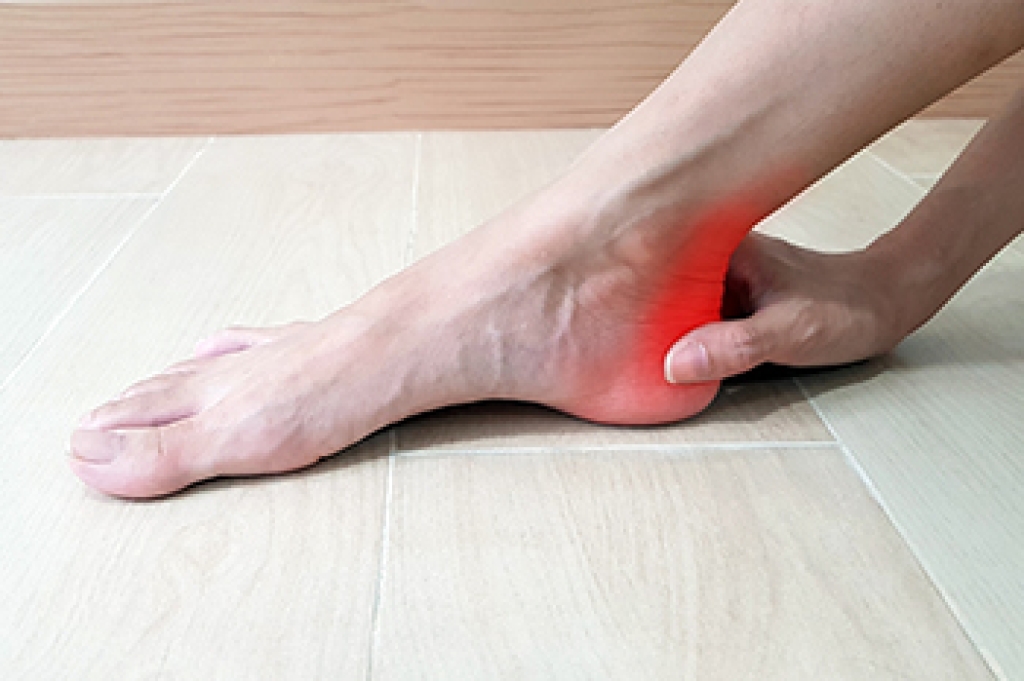
The Achilles tendon plays an integral role in the functioning of the feet. The tendon essentially connects the calf muscle to the heel bone, facilitating movement of all kinds. Since this tendon is so important, suffering an Achilles tendon injury is nothing to take lightly. An Achilles tendon rupture occurs in an individual when the tendon is stretched or torn. Typically, the tendon can stretch or tear when a person is running and they accelerate their pace too quickly. The symptoms that an individual might feel after suffering from an Achilles tendon rupture can vary. Generally speaking, however, an individual with this tendon rupture is likely to feel pain that comes in sharp, sudden bursts. This pain is typically felt in the ankle or calf. Additionally, if you are suffering from an Achilles tendon rupture, you might sense a feeling of swelling where the Achilles tendon is located, between the heel bone and the calf. Lastly, another common symptom of an Achilles tendon rupture is experiencing discomfort and difficulty when moving the feet. Specifically, walking and moving the toes can be particularly difficult. If you suspect that you have ruptured your Achilles tendon, contact your podiatrist immediately.

Achilles tendon injuries need immediate attention to avoid future complications. If you have any concerns, contact Jeffrey Radack, DPM of Texas Regional Foot & Ankle Clinics. Our doctor can provide the care you need to keep you pain-free and on your feet.

What Is the Achilles Tendon?

The Achilles tendon is a tendon that connects the lower leg muscles and calf to the heel of the foot. It is the strongest tendon in the human body and is essential for making movement possible. Because this tendon is such an integral part of the body, any injuries to it can create immense difficulties and should immediately be presented to a doctor.

What Are the Symptoms of an Achilles Tendon Injury?

There are various types of injuries that can affect the Achilles tendon. The two most common injuries are Achilles tendinitis and ruptures of the tendon.

Achilles Tendinitis Symptoms

  • Inflammation
  • Dull to severe pain
  • Increased blood flow to the tendon
  • Thickening of the tendon

Rupture Symptoms

  • Extreme pain and swelling in the foot
  • Total immobility

Treatment and Prevention

Achilles tendon injuries are diagnosed by a thorough physical evaluation, which can include an MRI. Treatment involves rest, physical therapy, and in some cases, surgery. However, various preventative measures can be taken to avoid these injuries, such as:

  • Thorough stretching of the tendon before and after exercise
  • Strengthening exercises like calf raises, squats, leg curls, leg extensions, leg raises, lunges, and leg presses

If you have any questions please feel free to contact our office located in McKinney and Coppell, TX . We offer the newest diagnostic tools and technology to treat your foot and ankle needs.

Read more about Achilles Tendon Injuries

Connect With Us