Hammertoe Surgery Complications

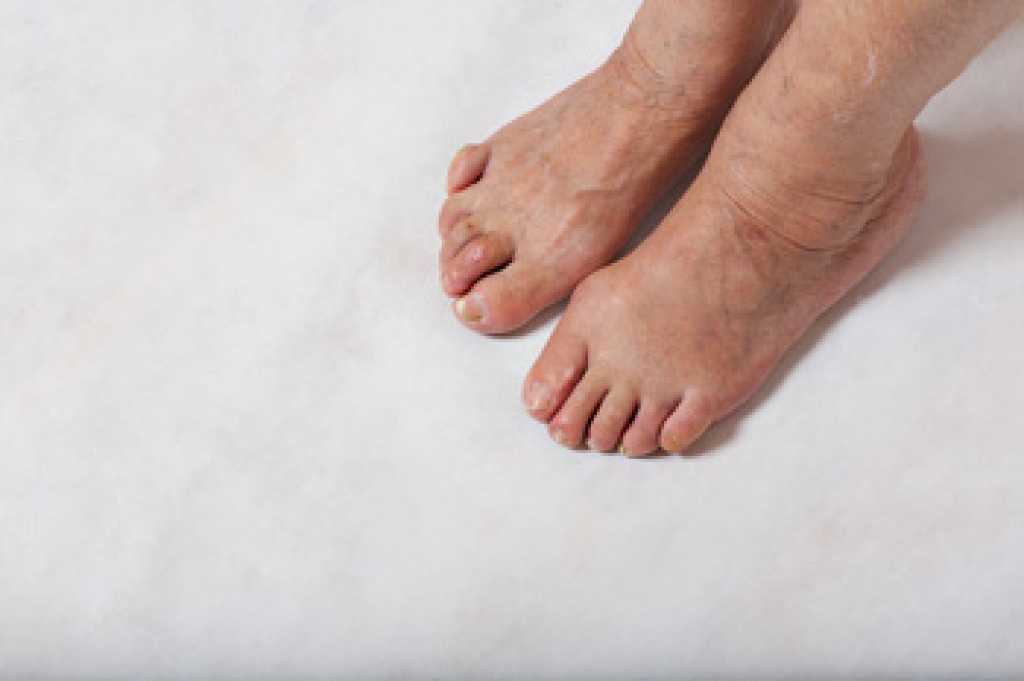
A hammertoe gets its name from a deformity of the toe that has the appearance of a hammer. The deformed toe gets curled because of a bend that occurs in the middle joint of the affected toe. This often happens due to wearing improperly fitting footwear, such as high heels or shoes that do not have sufficient room in the toe box. The toes are forced to move into a space that is too small or that does not allow for them to lie flat comfortably. This process causes the muscles to tighten and tendons to contract. Other factors that can cause hammertoes include genetics, a broken toe, a sedentary lifestyle, and diseases that inhibit blood flow to the foot. The affected toe(s) may become painful to move and, due to their odd positions, might rub against the inside of shoes causing corns and calluses to form. Often changing footwear and getting orthotics is enough to relieve pain, but if that does not help or the toe has become inflexible or rigid, surgery might be required. Risks of hammertoe surgery include pain and swelling at the site of the operation. If the pain radiates to other parts of the foot, the surgery may have caused nerve damage. Other complications can be numbness, limited range of motion, and infection. The surgery and side effects often depend on the severity of the condition. If you have a hammertoe, it is advised that you see a podiatrist as soon as possible. Tending to this early may help prevent the need for surgery and any complications that could arise.

Hammertoe

Hammertoes can be a painful condition to live with. For more information, contact Jeffrey Radack, DPM from Texas Regional Foot & Ankle Clinics. Our doctor will answer any of your foot- and ankle-related questions.

Hammertoe is a foot deformity that affects the joints of the second, third, fourth, or fifth toes of your feet. It is a painful foot condition in which these toes curl and arch up, which can often lead to pain when wearing footwear.

Symptoms

  • Pain in the affected toes
  • Development of corns or calluses due to friction
  • Inflammation
  • Redness
  • Contracture of the toes

Causes

Genetics – People who are genetically predisposed to hammertoe are often more susceptible

Arthritis – Because arthritis affects the joints in your toes, further deformities stemming from arthritis can occur

Trauma – Direct trauma to the toes could potentially lead to hammertoe

Ill-fitting shoes – Undue pressure on the front of the toes from ill-fitting shoes can potentially lead to the development of hammertoe

Treatment

Orthotics – Custom made inserts can be used to help relieve pressure placed on the toes and therefore relieve some of the pain associated with it

Medications – Oral medications such as anti-inflammatories or NSAIDs could be used to treat the pain and inflammation hammertoes causes. Injections of corticosteroids are also sometimes used

Surgery – In more severe cases where the hammertoes have become more rigid, foot surgery is a potential option

If you have any questions, please feel free to contact our office located in McKinney and Coppell, TX . We offer the newest diagnostic and treatment technologies for all your foot care needs.

Read more about What Are Hammertoes?

Simple Measures to Ensure Good Foot Health in the Elderly

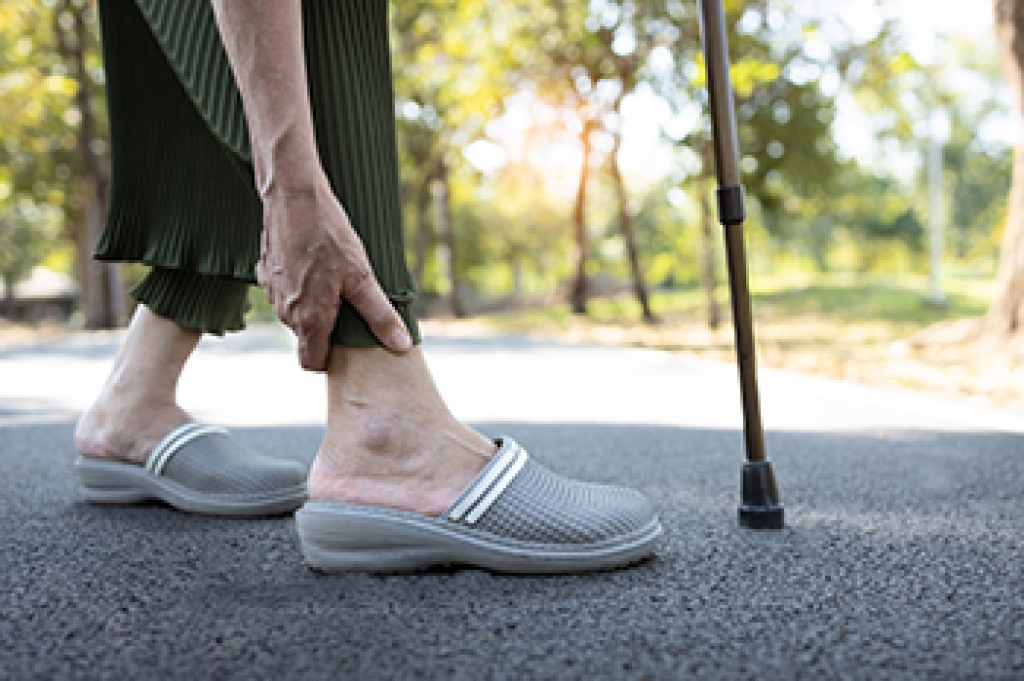
Each foot consists of 26 bones, as well as numerous ligaments, tendons, and muscles. As the aging process occurs, the feet can become weakened by daily stress, but there are measures that can be taken to maintain the health of the feet. These include washing and drying the feet thoroughly, especially between the toes, and trimming the toenails correctly, which may help to prevent ingrown toenails from developing. Blood circulation may be improved, which can contribute to having good foot health. This is accomplished by frequently practicing a gentle exercise routine. It is also beneficial to check the soles of the feet for existing cuts, bruises, and scrapes that may have developed, in addition to wearing socks that can absorb sweat. The feet can feel the most comfortable in shoes with a lower heel, made of breathable materials, and having adequate cushioning that may help to balance the weight of the body. If you have questions and would like more information about how to take care of elderly feet, please confer with a podiatrist.

Everyday foot care is very important to prevent infection and other foot ailments. If you need your feet checked, contact Jeffrey Radack, DPM from Texas Regional Foot & Ankle Clinics. Our doctor can provide the care you need to keep you pain-free and on your feet.

Everyday Foot Care

Often, people take care of their bodies, face and hair more so than they do for their feet. But the feet are a very important aspect of our bodies, and one that we should pay more attention to. Without our feet, we would not be able to perform most daily tasks.

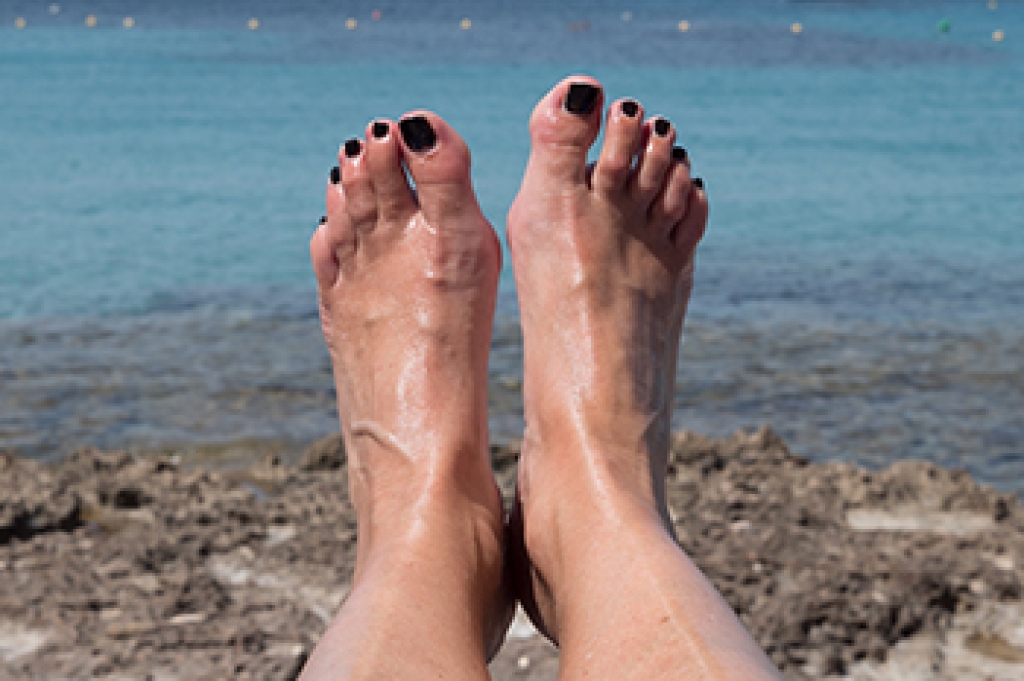
It is best to check your feet regularly to make sure there are no new bruises or cuts that you may not have noticed before. For dry feet, moisturizer can easily be a remedy and can be applied as often as necessary to the affected areas. Wearing shoes that fit well can also help you maintain good foot health, as well as making it easier to walk and do daily activities without the stress or pain of ill-fitting shoes, high heels, or even flip flops. Wearing clean socks with closed shoes is important to ensure that sweat and bacteria do not accumulate within the shoe. Clean socks help to prevent Athlete’s foot, fungi problems, bad odors, and can absorb sweat.

If you have any questions, please feel free to contact our office located in McKinney and Coppell, TX . We offer the newest diagnostic and treatment technologies for all your foot care needs.
Read more about Everyday Foot Care

Wounds That Don't Heal Need to Be Checked

Your feet are covered most of the day. If you're diabetic, periodic screening is important for good health. Numbness is often a sign of diabetic foot and can mask a sore or wound.

What Is Freiberg’s Disease?

Rare foot diseases will obviously not affect a wide majority of individuals across the country. However, it can be important and helpful to learn more about these unique conditions, such as Freiberg’s disease. This condition has a negative impact on the second or third metatarsal bones, which can lead to sensations of stiffness at the affected area. If you have Freiberg’s disease, you might even experience swelling or feel pain in the front of the foot. Typically, putting weight on the feet when walking, running, or jumping can exacerbate these symptoms. Although the precise cause of Freiberg’s disease is still elusive, it may be caused by microtrauma near the metaphysis. If you want to learn more about Freiberg’s disease and other rare foot conditions, contact a podiatrist today. 

Some foot conditions may require additional professional care. If you have any concerns, contact Jeffrey Radack, DPM of Texas Regional Foot & Ankle Clinics. Our doctor can provide the care you need to keep you pain-free and on your feet.

Rare Foot Conditions

The majority of foot conditions are common and can be treated by a podiatrist.  Standard diagnostic procedures are generally used to identify specific conditions and treatment can be rendered. A podiatrist also treats rare foot conditions which can be difficult to diagnose and may need extra attention and care. 

There are many rare foot conditions that can affect children. Some of these can include:

  • Freiberg’s disease
  • Kohler’s disease
  • Maffucci syndrome

Freiberg’s disease - This can be seen as a deterioration and flattening of a metatarsal bone that exists in the ball of the foot. It typically affects pre-teen and teenage girls, but can affect anyone at any age. Symptoms that can accompany this can be swelling, stiffness, and the patient may limp. 

Kohler’s disease - This often targets the bone in the arch of the foot and affects younger boys. It can lead to an interruption of the blood supply which ultimately can lead to bone deterioration. The patient may limp or experience tenderness, swelling, and redness.

Maffucci syndrome - This affects the long bones in a child’s foot leading to the development of abnormal bone lesions. They are benign growths and typically develop in early childhood and the bones may be susceptible to breaking. 

A podiatrist can properly diagnose and treat all types of rare foot conditions. If your child is affected by any of these symptoms or conditions, please don’t hesitate to call our office so the correct treatment method can begin.

If you have any questions, please feel free to contact our office located in McKinney and Coppell, TX . We offer the newest diagnostic and treatment technologies for all your foot care needs.
Read more about Rare Foot Conditions

How Peroneal Neuropathy Affects the Feet

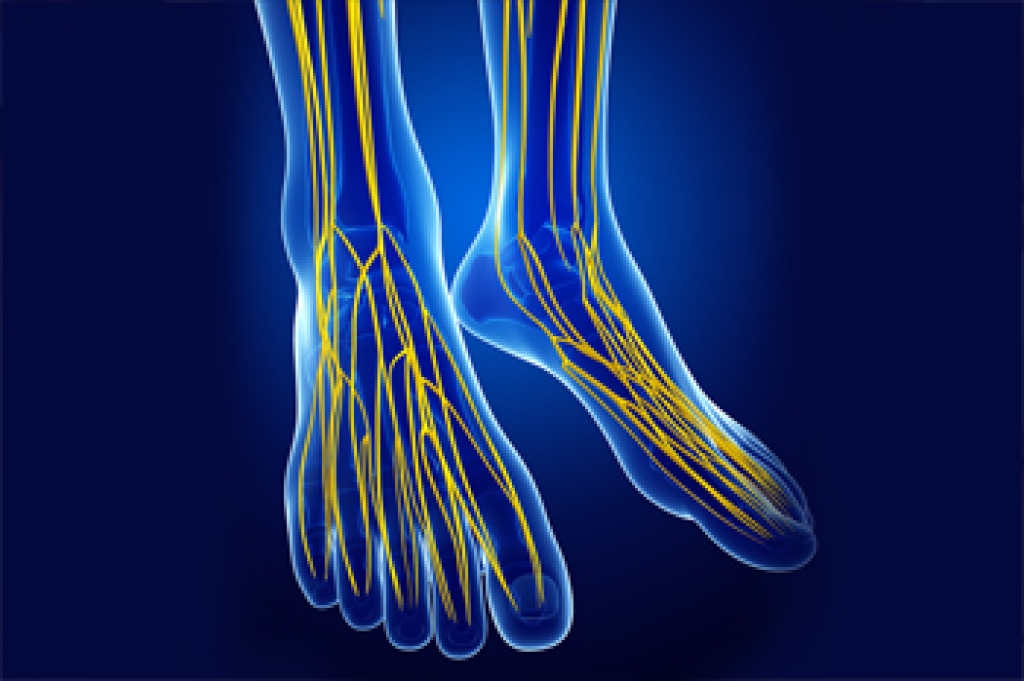
The peroneal nerve runs from the outside of the knee, down through the leg, and into the foot. It supplies movement and sensation to the lower leg, foot, and toes. When this nerve is damaged, usually by a direct trauma, it can result in numbness, tingling, or weakness in the foot. This condition is known as peroneal neuropathy. The result is a reduced ability to lift the foot to extend the toes or turn the foot outward, and may cause a kind of slapping gait while walking. This further leads to a tendency to trip, and an increased risk of a sprained ankle. It also can bring on foot drop, causing a need to lift the leg higher than normal, as in marching, to clear the floor or ground when taking a step. A loss of sensation in the sole of the foot is a common symptom. A number of imaging tests may be needed to determine the exact nature and severity of the peroneal neuropathy. Non-surgical treatment includes orthotics, braces or foot splints. In some cases surgery is required. If you are experiencing trouble lifting and moving your foot, it is a good idea to consult with a podiatrist for a full exam and diagnosis. A few neurologic conditions, such as multiple sclerosis and Parkinson’s disease, may cause similar symptoms. 

Neuropathy

Neuropathy can be a potentially serious condition, especially if it is left undiagnosed. If you have any concerns that you may be experiencing nerve loss in your feet, consult with Jeffrey Radack, DPM from Texas Regional Foot & Ankle Clinics. Our doctor will assess your condition and provide you with quality foot and ankle treatment for neuropathy.

What Is Neuropathy?

Neuropathy is a condition that leads to damage to the nerves in the body. Peripheral neuropathy, or neuropathy that affects your peripheral nervous system, usually occurs in the feet. Neuropathy can be triggered by a number of different causes. Such causes include diabetes, infections, cancers, disorders, and toxic substances.

Symptoms of Neuropathy Include:

  • Numbness
  • Sensation loss
  • Prickling and tingling sensations
  • Throbbing, freezing, burning pains
  • Muscle weakness

Those with diabetes are at serious risk due to being unable to feel an ulcer on their feet. Diabetics usually also suffer from poor blood circulation. This can lead to the wound not healing, infections occurring, and the limb may have to be amputated.

Treatment

To treat neuropathy in the foot, podiatrists will first diagnose the cause of the neuropathy. Figuring out the underlying cause of the neuropathy will allow the podiatrist to prescribe the best treatment, whether it be caused by diabetes, toxic substance exposure, infection, etc. If the nerve has not died, then it’s possible that sensation may be able to return to the foot.

Pain medication may be issued for pain. Electrical nerve stimulation can be used to stimulate nerves. If the neuropathy is caused from pressure on the nerves, then surgery may be necessary.

If you have any questions, please feel free to contact our office located in McKinney and Coppell, TX . We offer the newest diagnostic and treatment technologies for all your foot care needs.

Read more about Neuropathy

Connect With Us