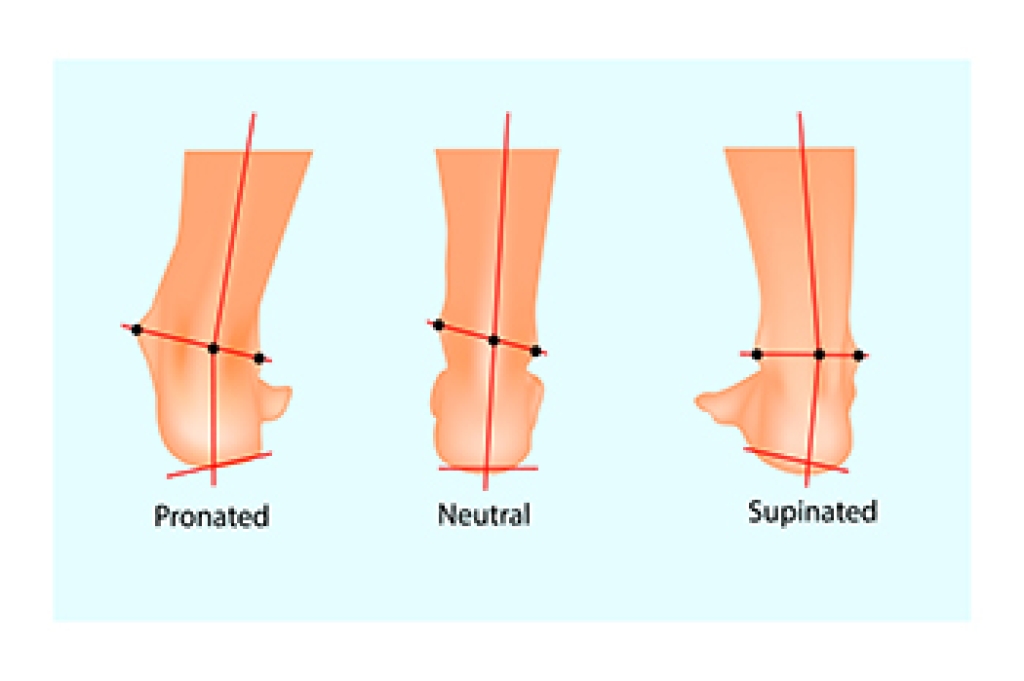
Pronation and Supination Affect Foot Health

The way you walk can affect the health of your feet as well as other body parts, including the knees, hips, and back. When you take a step, the foot either rolls outward or inward. This is referred to as the running gait. When the foot rolls inward, it is termed pronation. When the foot rolls outward, it is termed supination. A certain amount of pronation and supination is considered normal. But if the foot rolls too far inward, called overpronation, the arch flattens out and causes damage to the tendons, ligaments, and muscles under the foot. In the case of supination, the foot rolls outward. Oversupination puts extra strain on the muscles and tendons in the ankle joint, causing instability. This action can result in an ankle sprain or ligament rupture. Overpronation and supination can also contribute to several other foot, heel, and ankle ailments, including plantar fasciitis, Achilles tendonitis, and flat feet. If you have experienced symptoms connected to overpronation or supination, please consult a podiatrist who can prescribe custom orthotics that may help to correct the problem.

If you have any concerns about your feet, contact Jeffrey Radack, DPM from Texas Regional Foot & Ankle Clinics. Our doctor can provide the care you need to keep you pain-free and on your feet.

Biomechanics in Podiatry

Podiatric biomechanics is a particular sector of specialty podiatry with licensed practitioners who are trained to diagnose and treat conditions affecting the foot, ankle and lower leg. Biomechanics deals with the forces that act against the body, causing an interference with the biological structures. It focuses on the movement of the ankle, the foot and the forces that interact with them.

A History of Biomechanics

  • Biomechanics dates back to the BC era in Egypt where evidence of professional foot care has been recorded.
  • In 1974, biomechanics gained a higher profile from the studies of Merton Root, who claimed that by changing or controlling the forces between the ankle and the foot, corrections or conditions could be implemented to gain strength and coordination in the area.

Modern technological improvements are based on past theories and therapeutic processes that provide a better understanding of podiatric concepts for biomechanics. Computers can provide accurate information about the forces and patterns of the feet and lower legs.

Understanding biomechanics of the feet can help improve and eliminate pain, stopping further stress to the foot.

If you have any questions please feel free to contact our office located in McKinney and Coppell, TX . We offer the newest diagnostic and treatment technologies for all your foot and ankle needs.
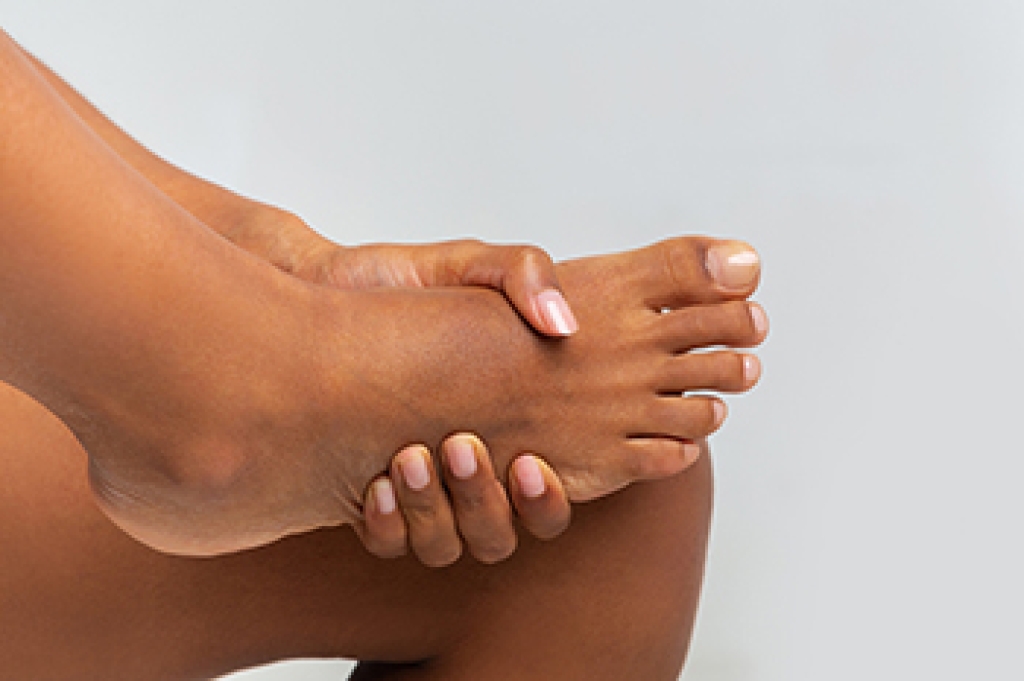
Read more about The Importance of Biomechanics in Podiatry

Foot Pain and Heart Disease

The feet are integral parts of the human body in their own right. However, the health of our feet can also tell us important things about our overall health and the health of other parts of our body. For example, the state of our feet can sometimes be an early warning sign for other health complications, such as heart disease. Specifically, pain in the muscles in the feet is sometimes associated with early signs of heart disease. This pain in the foot muscles might even travel up the calves and thighs. Besides foot pain, feelings of numbness in the feet when motionless might also indicate in some individuals a potential for experiencing heart disease. Additionally, swelling in the feet, which is also known as edema, can be associated with heart disease. If you are experiencing any of these symptoms and want to learn more about what they might mean, contact a podiatrist today for more information.


Foot Pain

Foot pain can be extremely painful and debilitating. If you have a foot pain, consult with Jeffrey Radack, DPM from Texas Regional Foot & Ankle Clinics. Our doctor will assess your condition and provide you with quality foot and ankle treatment.

Causes

Foot pain is a very broad condition that could be caused by one or more ailments. The most common include:

  • Bunions
  • Hammertoes
  • Plantar Fasciitis
  • Bone Spurs
  • Corns
  • Tarsal Tunnel Syndrome
  • Ingrown Toenails
  • Arthritis (such as Gout, Rheumatoid, and Osteoarthritis)
  • Flat Feet
  • Injury (from stress fractures, broken toe, foot, ankle, Achilles tendon ruptures, and sprains)
  • And more

Diagnosis

To figure out the cause of foot pain, podiatrists utilize several different methods. This can range from simple visual inspections and sensation tests to X-rays and MRI scans. Prior medical history, family medical history, and any recent physical traumatic events will all be taken into consideration for a proper diagnosis.

Treatment

Treatment depends upon the cause of the foot pain. Whether it is resting, staying off the foot, or having surgery; podiatrists have a number of treatment options available for foot pain.

If you have any questions, please feel free to contact our office located in McKinney and Coppell, TX . We offer the newest diagnostic and treatment technologies for all your foot care needs.

Read more about Foot Pain

How Dancers Stretch Their Feet

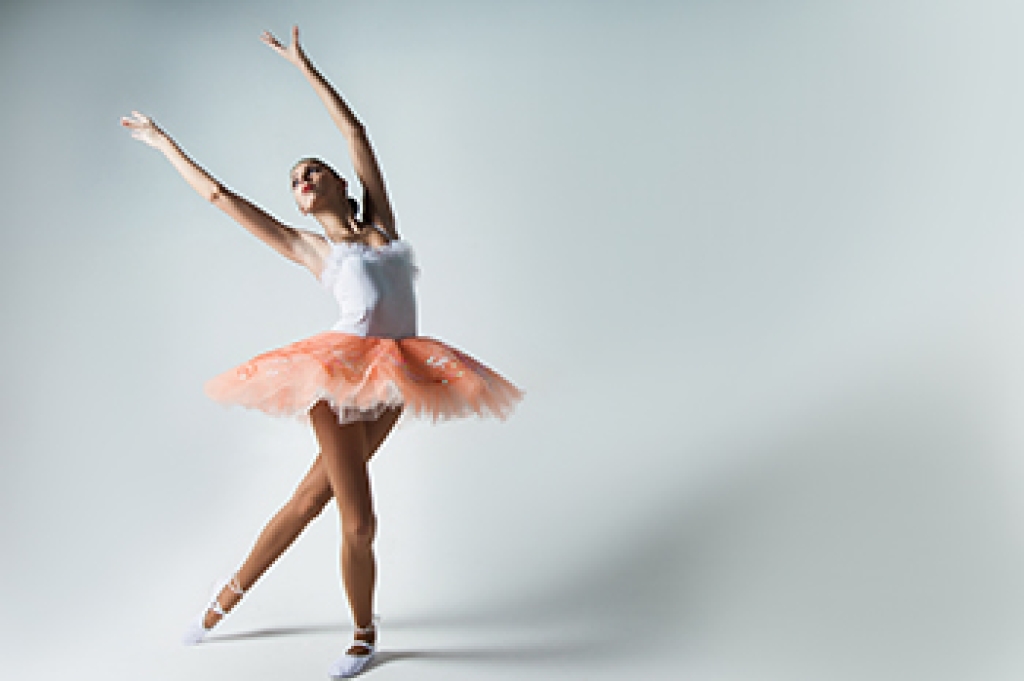
Stretching the feet, no matter who you are or how frequently you engage in physical activity, can be beneficial for a number of different reasons. However, if you are a dancer, then stretching the feet can be all the more important and necessary. There are several different explanations for this phenomenon. By stretching the feet, a dancer is essentially building strength in their feet. This ultimately helps a dancer better handle the significant physical demands of dancing. Ballet, for example, is a particular kind of dance that is highly demanding on the feet. Therefore, ballet dancers stand to benefit to a great degree by stretching their feet. If you are a dancer looking to strengthen their feet through stretches and exercises, consider performing a hand towel or thera-band stretch. Contact a podiatrist today for more information about stretching the feet.  

Stretching the feet is a great way to prevent injuries. If you have any concerns with your feet consult with Jeffrey Radack, DPM from Texas Regional Foot & Ankle Clinics. Our doctor will assess your condition and provide you with quality foot and ankle treatment.

Stretching the Feet

Being the backbone of the body, the feet carry your entire weight and can easily become overexerted, causing cramps and pain. As with any body part, stretching your feet can serve many benefits. From increasing flexibility to even providing some pain relief, be sure to give your feet a stretch from time to time. This is especially important for athletes or anyone performing aerobic exercises, but anyone experiencing foot pain or is on their feet constantly should also engage in this practice.

Great ways to stretch your feet:

  • Crossing one leg over the others and carefully pull your toes back. Do 10-20 repetitions and repeat the process for each foot
  • Face a wall with your arms out and hands flat against the wall. Step back with one foot and keep it flat on the floor while moving the other leg forward. Lean towards the wall until you feel a stretch. Hold for 30 seconds and perform 10 repetitions for each foot
  • Be sure not to overextend or push your limbs too hard or you could risk pulling or straining your muscle

Individuals who tend to their feet by regular stretching every day should be able to minimize foot pain and prevent new problems from arising.

If you have any questions please contact our office located in McKinney and Coppell, TX . We offer the newest diagnostic and treatment technologies for all your foot and ankle needs.

Read more about Stretching Your Feet

Exploring Walking and Running Shoes

Walking and running activities might seem similar to many different individuals. Both activities involve the movement of feet and motion. However, despite their similarities, walking and running are extremely different. As a result, both activities require significantly different kinds of shoes, and one shoe will not necessarily work with the other activity. There are many different reasons to help explain this. Importantly, individuals use different strike patterns when they are walking versus running. When running, the feet will strike with the heel, but not necessarily immediately roll forward onto the toes. This is not the case with walking. Additionally, running puts more force from the body's weight onto the feet when compared to walking. Consequently, both running and walking require different things in shoes tailored for that activity. If you are interested in learning more about walking and running shoes, contact a podiatrist today. 

For more information about walking shoes versus running shoes, consult with Jeffrey Radack, DPM from Texas Regional Foot & Ankle Clinics. Our doctor can measure your feet to determine what your needs are and help you find an appropriate pair of footwear.

Foot Health: The Differences between Walking & Running Shoes

There are great ways to stay in shape: running and walking are two great exercises to a healthy lifestyle. It is important to know that running shoes and walking shoes are not interchangeable. There is a key difference on how the feet hit the ground when someone is running or walking. This is why one should be aware that a shoe is designed differently for each activity.

You may be asking yourself what the real differences are between walking and running shoes and the answers may shock you.

Differences

Walking doesn’t involve as much stress or impact on the feet as running does. However, this doesn’t mean that you should be any less prepared. When you’re walking, you land on your heels and have your foot roll forward. This rolling motion requires additional support to the feet.

Flexibility – Walking shoes are designed to have soft, flexible soles. This allows the walker to push off easily with each step.

If you have any questions, please feel free to contact our office located in McKinney and Coppell, TX . We offer the newest diagnostic and treatment technologies for all your foot care needs.

Read more about Differences between Walking and Running Shoes

Reminder: When Was the Last Time...?

Custom orthotics, or shoe inserts, should be periodically replaced. Orthotics must fit properly to give you the best results. Protect your feet and ankles!

Connect With Us