Should I Walk On a Sprained Ankle?

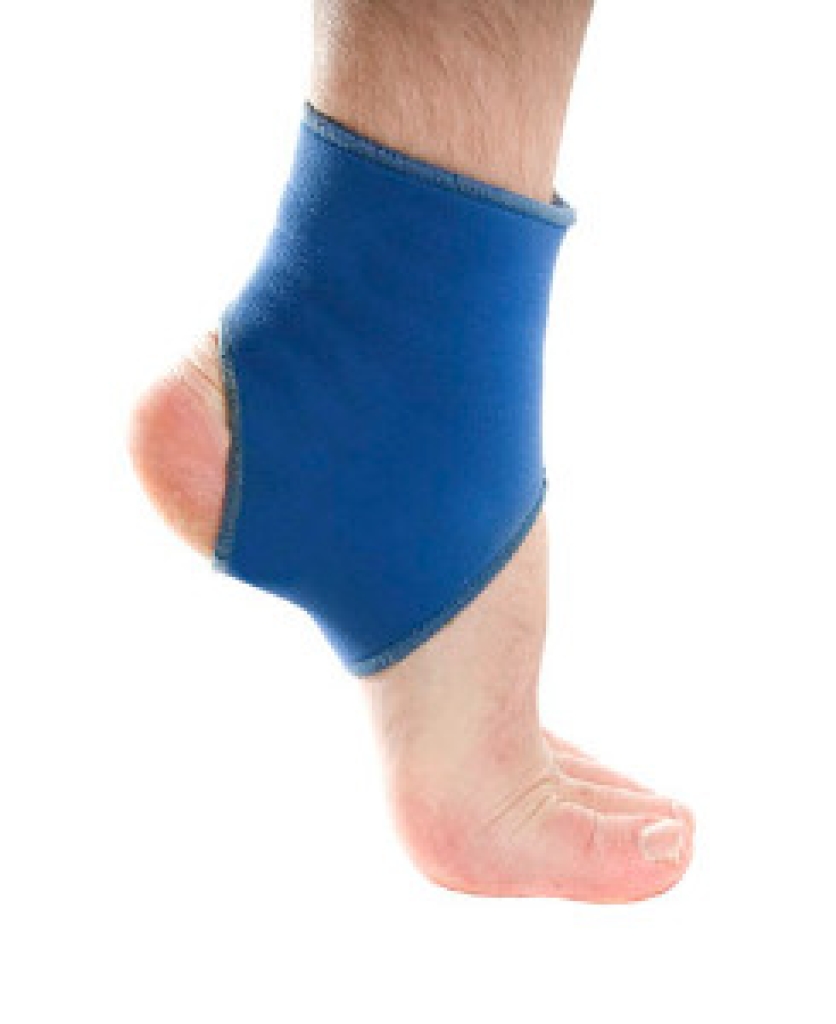
Ankle sprains are fairly common among active adults. A sprained ankle is usually caused by the overstretching or twisting of a ligament around a joint. With a mild sprain, you may not even realize it for the first few hours. Later on, some swelling, and in some cases discoloration, may become apparent. A sprain is also likely if your range of motion is reduced. At that point, basic first aid recommendations include ice, compression and elevation. The question is, how serious is it, and can I still walk on it? Generally, it’s not a good idea to put weight on a sprained ankle. Using crutches or a walker may help you get around, until you can seek medical assistance. It’s a good idea to call a podiatrist as soon as possible for a more extensive examination and diagnosis.

Although ankle sprains are common, they aren’t always minor injuries. If you need your ankle injury looked at, contact Jeffrey Radack, DPM from Texas Regional Foot & Ankle Clinics. Our doctor can provide the care you need to keep you pain-free and on your feet.

How Does an Ankle Sprain Occur?

Ankle sprains are the result of a tear in the ligaments within the ankle. These injuries may happen when you make a rapid shifting movement while your foot is planted. A less common way to sprain your ankle is when your ankle rolls inward while your foot turns outward.

What Are the Symptoms?

  • Pain at the sight of the tear
  • Bruising/Swelling
  • Ankle area is tender to touch
  • In severe cases, may hear/feel something tear
  • Skin discoloration

Preventing a Sprain

  • Wearing appropriate shoes for the occasion
  • Stretching before exercises and sports
  • Knowing your limits

Treatment of a Sprain

In many cases, the RICE method (Rest, Ice, Compression, and Elevate) is used to treat ankle sprains. However, you should see a podiatrist to see which treatment option would work best with your injury. In severe cases, surgery may be required.

It is important to ask your doctor about rehab options after you receive treatment for your injury. Stretching, strength training, and balance exercises may help the ankle heal while also preventing further injury.

If you have any questions, please feel free to contact our office located in McKinney and Coppell, TX . We offer the newest diagnostic and treatment technologies for all your foot care needs.

Read more about Ankle Sprains

What Can Custom Orthotics Do for My Foot Condition?

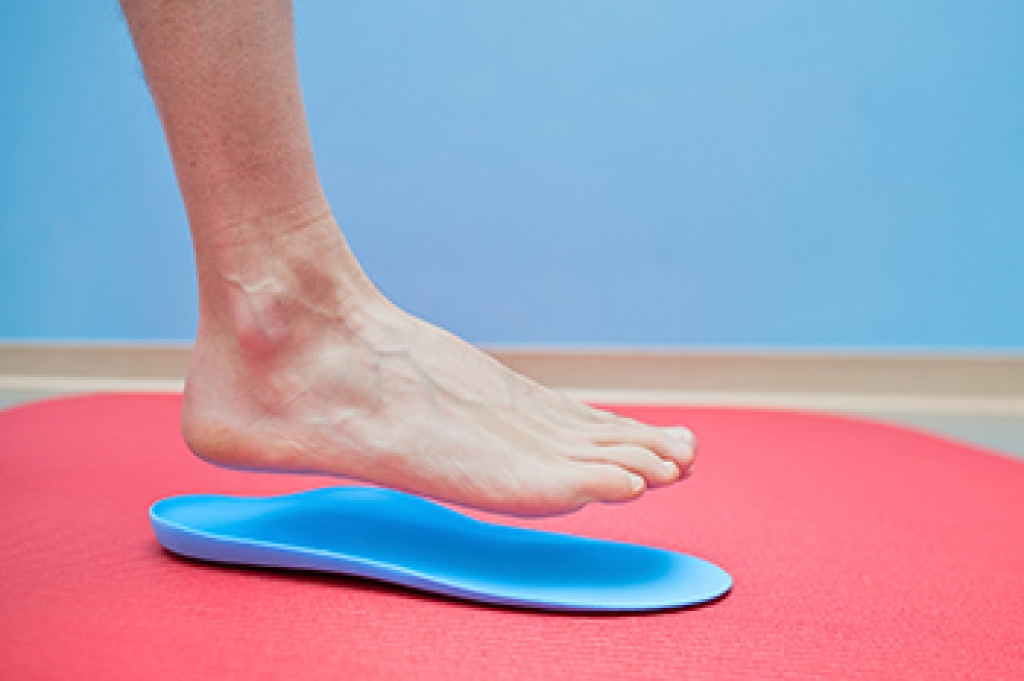
Custom orthotics are prescription devices that fit in shoes and are designed to distribute weight more evenly across the feet and minimize pressure on any given area. They can also correct an abnormal gait, reduce pain, and improve foot alignment. Since they are designed to address specific conditions and the individual foot structure of the patient, fit is critical. After a podiatrist examines the patient and diagnoses their underlying condition, they may determine that orthotics can be beneficial. They will then take an impression of the patient’s foot, usually with a 3D laser scan or plaster cast. Specific materials will be chosen to address the patient’s particular condition, and the orthotic will be created. The patient will come in for a fitting and any further customizations needed to ensure the device fits the patient’s shoes and is comfortable will be made. Orthotics can be prescribed for conditions such as arthritis, plantar fasciitis, heel spurs, bunions, hammertoes, flat feet, high arches and more. If you have any of these conditions, it is suggested that you make an appointment with a podiatrist to see if orthotics may be beneficial for you.

If you are having discomfort in your feet and would like to try orthotics, contact Jeffrey Radack, DPM from Texas Regional Foot & Ankle Clinics. Our doctor can provide the care you need to keep you pain-free and on your feet.

What Are Orthotics?

Orthotics are inserts you can place into your shoes to help with a variety of foot problems such as flat feet or foot pain. Orthotics provide relief and comfort for minor foot and heel pain but can’t correct serious biomechanical problems in your feet.

Over-the-Counter Inserts

Orthotics come in a wide variety of over-the-counter inserts that are used to treat foot pain, heel pain, and minor problems. For example, arch supports can be inserted into your shoes to help correct overarched or flat feet, while gel insoles are often used because they provide comfort and relief from foot and heel pain by alleviating pressure.

Prescription Orthotics

If over-the-counter inserts don’t work for you or if you have a more severe foot concern, it is possible to have your podiatrist prescribe custom orthotics. These high-quality inserts are designed to treat problems such as abnormal motion, plantar fasciitis, and severe forms of heel pain. They can even be used to help patients suffering from diabetes by treating foot ulcers and painful calluses and are usually molded to your feet individually, which allows them to provide full support and comfort.

If you are experiencing minor to severe foot or heel pain, it’s recommended to speak with your podiatrist about the possibilities of using orthotics. A podiatrist can determine which type of orthotic is right for you and allow you to take the first steps towards being pain-free.

If you have any questions, please feel free to contact our office located in McKinney and Coppell, TX . We offer the newest diagnostic and treatment technologies for all your foot care needs.

Read more about Ankle Foot Orthotics for Athletes

Plantar Warts Can Be Treated!

Plantar warts are small growths that develop on parts of the feet that bear weight. They're typically found on the bottom of the foot. Don't live with plantar warts, and call us today!

How To Best Protect Your Child’s Developing Feet

The bones in your child’s feet will develop over time— from the cartilage they were born with to ossified bones that are fully formed around the age of 18. For the first few months of their lives, babies’ feet are quite delicate. That is why the type of footwear you choose for your child is very important. You don’t want your child’s developing feet to be distorted by footwear that does not fit properly. Make sure footwear and socks are never tight. While your child’s feet are developing, the nerve endings in their feet are developing too and may not be able to signal if their feet are being squeezed or compressed. Since no two feet are the same, avoid hand-me-down shoes that may not be right for your child’s feet. Keep their toenails trimmed straight across without curving them or cutting them so short that it puts them at risk of developing an ingrown toenail. For more advice on how to best protect your child’s feet as they grow, it is suggested that you contact a podiatrist.

The health of a child’s feet is vital to their overall well-being. If you have any questions regarding foot health, contact Jeffrey Radack, DPM of Texas Regional Foot & Ankle Clinics. Our doctor can provide the care you need to keep you pain-free and on your feet.

Tips for Keeping Children's Feet Healthy

  • Make sure their shoes fit properly
  • Look for any signs of in-toeing or out-toeing
  • Check to see if they have Clubfoot (condition that affects your child’s foot and ankle, twisting the heel and toes inward) which is one of the most common nonmajor birth defects.
  • Lightly cover your baby’s feet (Tight covers may keep your baby from moving their feet freely, and could prevent normal development)
  • Allow your toddler to go shoeless (Shoes can be restricting for a young child’s foot)
  • Cut toenails straight across to avoid ingrown toenails
  • Keep your child’s foot clean and dry
  • Cover cuts and scrapes. Wash any scratches with soap and water and cover them with a bandage until they’ve healed.

If you have any questions, please feel free to contact our office located in McKinney and Coppell, TX . We offer the newest diagnostic and treatment technologies for all your foot care needs.

Read more about How to Care for Your Child's Feet

Understanding Your Gait

Your gait is the manner in which you walk. When a patient has a unique walking style or an abnormal gait, a podiatrist will often conduct a gait analysis to study their walking habits. Gait analysis can tell a lot about a person's body movements. This can help to determine what is causing imbalances in areas such as the hamstrings, glutes, quads, or calves. The analysis can take place on a treadmill or by simply walking down a hallway. In even more complex analyses, sensors and video recordings may be used to diagnose any areas of concern as the patient walks. Anyone struggling with pain as they walk should consult with a podiatrist to receive a proper gait analysis, and to customize a treatment plan that is specific to their walking pattern.

If you have any concerns about your feet, contact Jeffrey Radack, DPM from Texas Regional Foot & Ankle Clinics. Our doctor can provide the care you need to keep you pain-free and on your feet.

Biomechanics in Podiatry

Podiatric biomechanics is a particular sector of specialty podiatry with licensed practitioners who are trained to diagnose and treat conditions affecting the foot, ankle and lower leg. Biomechanics deals with the forces that act against the body, causing an interference with the biological structures. It focuses on the movement of the ankle, the foot and the forces that interact with them.

A History of Biomechanics

  • Biomechanics dates back to the BC era in Egypt where evidence of professional foot care has been recorded.
  • In 1974, biomechanics gained a higher profile from the studies of Merton Root, who claimed that by changing or controlling the forces between the ankle and the foot, corrections or conditions could be implemented to gain strength and coordination in the area.

Modern technological improvements are based on past theories and therapeutic processes that provide a better understanding of podiatric concepts for biomechanics. Computers can provide accurate information about the forces and patterns of the feet and lower legs.

Understanding biomechanics of the feet can help improve and eliminate pain, stopping further stress to the foot.

If you have any questions please feel free to contact our office located in McKinney and Coppell, TX . We offer the newest diagnostic and treatment technologies for all your foot and ankle needs.

Read more about Biomechanics in Podiatry

Exercises for an MTP Sprain

If you have sprained one of the metatarsophalangeal (MTP) joints in your foot your podiatrist may suggest that you do gentle exercises to help your recovery. Gentle stretches can help to keep your muscles and ligaments flexible. One simple stretch is a great toe extension. To do this exercise, sit down and place your affected foot over your other knee. With one hand, grasp the heel. With your other hand, gently pull your big toe backwards. You should feel a stretch along the bottom of your foot. Hold this stretch for 15-30 seconds and repeat several times for best results. To find more stretches and determine which ones may be right for you, please consult with your podiatrist. 

Exercising your feet regularly with the proper foot wear is a great way to prevent injuries and build strength. If you have any concerns about your feet, contact Jeffrey Radack, DPM from Texas Regional Foot & Ankle Clinics. Our doctor can provide the care you need to keep you pain-free and on your feet.

Exercise for Your Feet

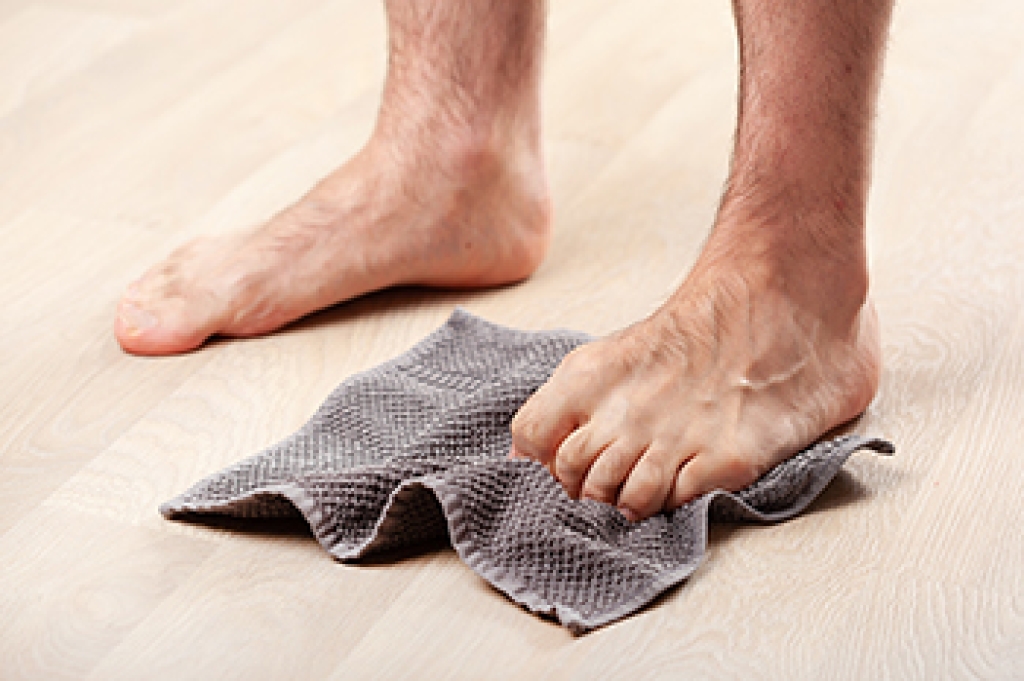
Exercise for your feet can help you gain strength, mobility and flexibility in your feet. They say that strengthening your feet can be just as rewarding as strengthening another part of the body. Your feet are very important, and we often forget about them in our daily tasks. But it is because of our feet that are we able to get going and do what we need to. For those of us fortunate enough to not have any foot problems, it is an important gesture to take care of them to ensure good health in the long run.

Some foot health exercises can include ankle pumps, tip-toeing, toe rises, lifting off the floor doing reps and sets, and flexing the toes. It is best to speak with Our doctor to determine an appropriate regimen for your needs. Everyone’s needs and bodies are different, and the activities required to maintain strength in the feet vary from individual to individual. 

Once you get into a routine of doing regular exercise, you may notice a difference in your feet and how strong they may become.

If you have any questions, please feel free to contact our office located in McKinney and Coppell, TX . We offer the newest diagnostic and treatment technologies for all your foot care needs.
Read more about Exercise for Your Feet

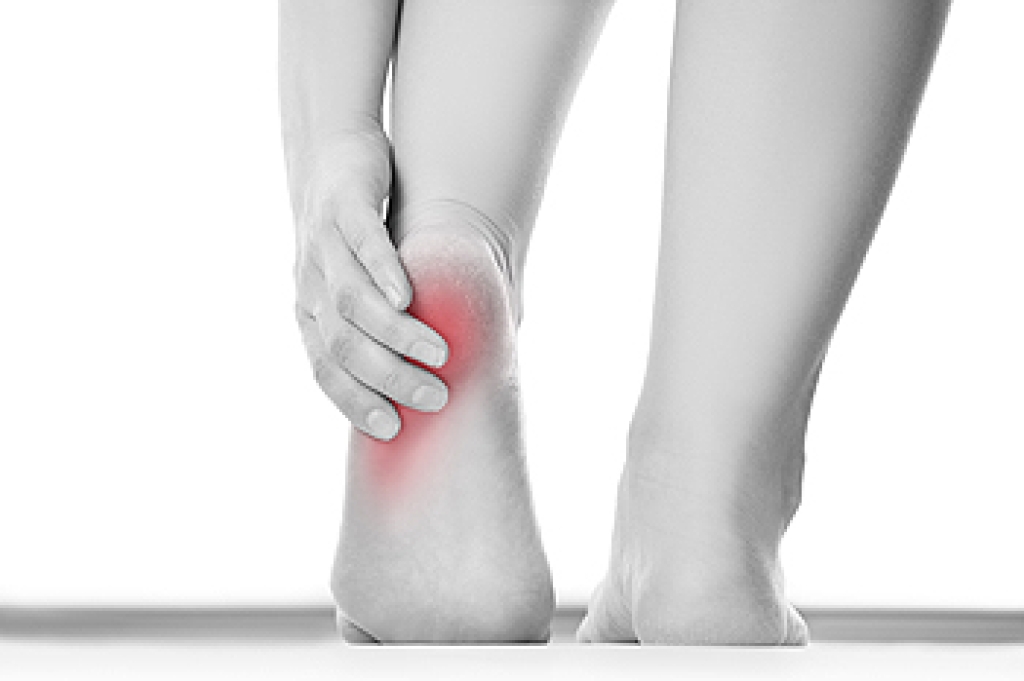
5 Possible Causes of Heel Pain

As the foundation of the body, the foot and ankle are complex, amazing structures made up of many ligaments, nerves, tendons, joints, and bones—including the largest bone in the foot, the heel. The heel helps form the arch and manages stress during walking and running. All of this use and stress can lead to painful conditions of the heel and its surrounding tendons and ligaments. Plantar fasciitis, the most common form of heel pain, is an inflammation of the connective tissue that spans the bottom of the foot (plantar fascia). Another common form of heel pain occurs with Achilles tendonitis, which causes inflammation and pain in the (Achilles) tendon that attaches the heel with the calf muscles. A loss of cushioning in the plantar fat pad can cause the heel to become bruised, and the heel bone can also fracture, causing intense pain. Retrocalcaneal Bursitis is an inflammation of the fluid-filled bursa sac that cushions the back of the heel bone. Any type of heel pain should be diagnosed by a podiatrist. who can assess the situation and create an appropriate treatment plan based on their findings.

Many people suffer from bouts of heel pain. For more information, contact Jeffrey Radack, DPM of Texas Regional Foot & Ankle Clinics. Our doctor can provide the care you need to keep you pain-free and on your feet.

Causes of Heel Pain

Heel pain is often associated with plantar fasciitis. The plantar fascia is a band of tissues that extends along the bottom of the foot. A rip or tear in this ligament can cause inflammation of the tissue.

Achilles tendonitis is another cause of heel pain. Inflammation of the Achilles tendon will cause pain from fractures and muscle tearing. Lack of flexibility is also another symptom.

Heel spurs are another cause of pain. When the tissues of the plantar fascia undergo a great deal of stress, it can lead to ligament separation from the heel bone, causing heel spurs.

Why Might Heel Pain Occur?

  • Wearing ill-fitting shoes                
  • Wearing non-supportive shoes
  • Weight change           
  • Excessive running

Treatments

Heel pain should be treated as soon as possible for immediate results. Keeping your feet in a stress-free environment will help. If you suffer from Achilles tendonitis or plantar fasciitis, applying ice will reduce the swelling. Stretching before an exercise like running will help the muscles. Using all these tips will help make heel pain a condition of the past.

If you have any questions, please feel free to contact our office located in McKinney and Coppell, TX . We offer the newest diagnostic and treatment technologies for all your foot care needs.
Read more about Heel Pain

Do You Suffer From Painful Feet?

Painful deformities, such as hammertoes, can be treated. Stop living with foot pain, and have beautiful feet again!

Cryotherapy for Plantar Warts

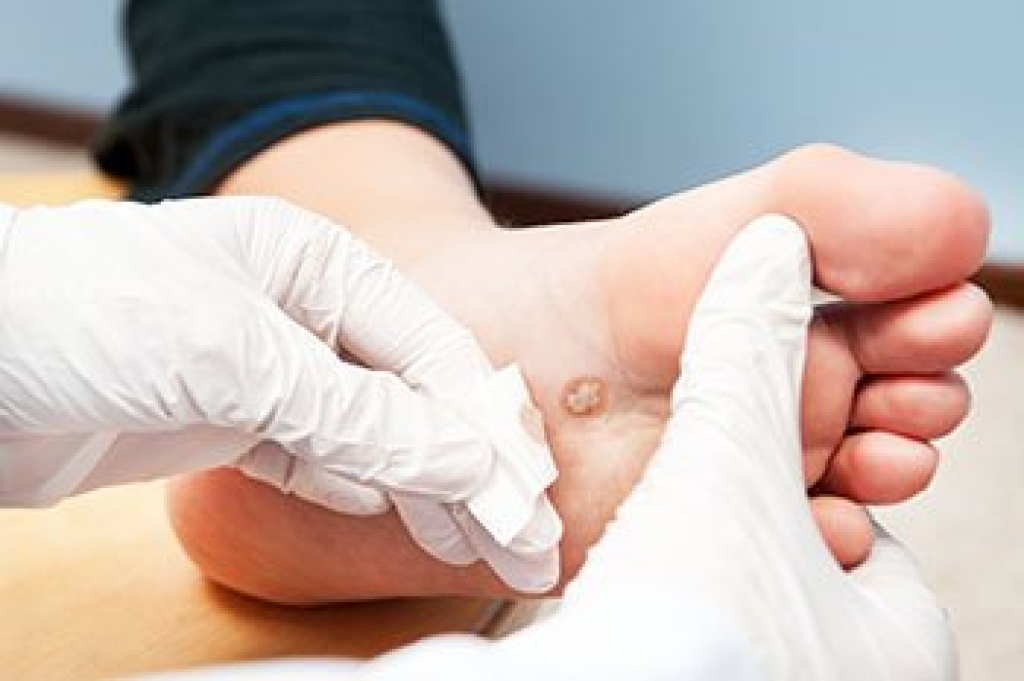
A wart on the sole of your foot, also known as a plantar wart, is a benign, fleshy growth that is caused by the human papillomavirus (HPV). Plantar warts are often painless and can go away on their own, however, this is not always the case. Warts can cause pain or discomfort if they are in areas that bear a lot of weight, grow inward due to pressure, or rub against your shoes and socks. Without treatment, plantar warts can also take years to disappear. One potential treatment option is cryotherapy. This is a fairly simple procedure in which the doctor applies a liquid nitrogen solution on the wart, freezing it. A blister then forms around the wart within 24 hours and can be removed after about one week. Two cryotherapy sessions may be needed to fully remove the wart. For more information about this and other treatments for plantar warts, please consult with a podiatrist. 

Plantar warts can be very uncomfortable. If you need your feet checked, contact Jeffrey Radack, DPM from Texas Regional Foot & Ankle Clinics. Our doctor will assist you with all of your foot and ankle needs.

About Plantar Warts

Plantar warts are the result of HPV, or human papillomavirus, getting into open wounds on the feet. They are mostly found on the heels or balls of the feet.

While plantar warts are generally harmless, those experiencing excessive pain or those suffering from diabetes or a compromised immune system require immediate medical care. Plantar warts are easily diagnosed, usually through scraping off a bit of rough skin or by getting a biopsy.

Symptoms

  • Lesions on the bottom of your feet, usually rough and grainy
  • Hard or thick callused spots
  • Wart seeds, which are small clotted blood vessels that look like little black spots
  • Pain, discomfort, or tenderness of your feet when walking or standing

Treatment

  • Freezing
  • Electric tool removal
  • Laser Treatment
  • Topical Creams (prescription only)
  • Over-the-counter medications

To help prevent developing plantar warts, avoid walking barefoot over abrasive surfaces that can cause cuts or wounds for HPV to get into. Avoiding direct contact with other warts, as well as not picking or rubbing existing warts, can help prevent the further spread of plantar warts. However, if you think you have developed plantar warts, speak to your podiatrist. He or she can diagnose the warts on your feet and recommend the appropriate treatment options.

If you have any questions, please feel free to contact our office located in McKinney and Coppell, TX . We offer the newest diagnostic and treatment technologies for all your foot care needs.

Read more about All About Plantar Warts

What Podiatrist Do to Help Treat Flat Feet

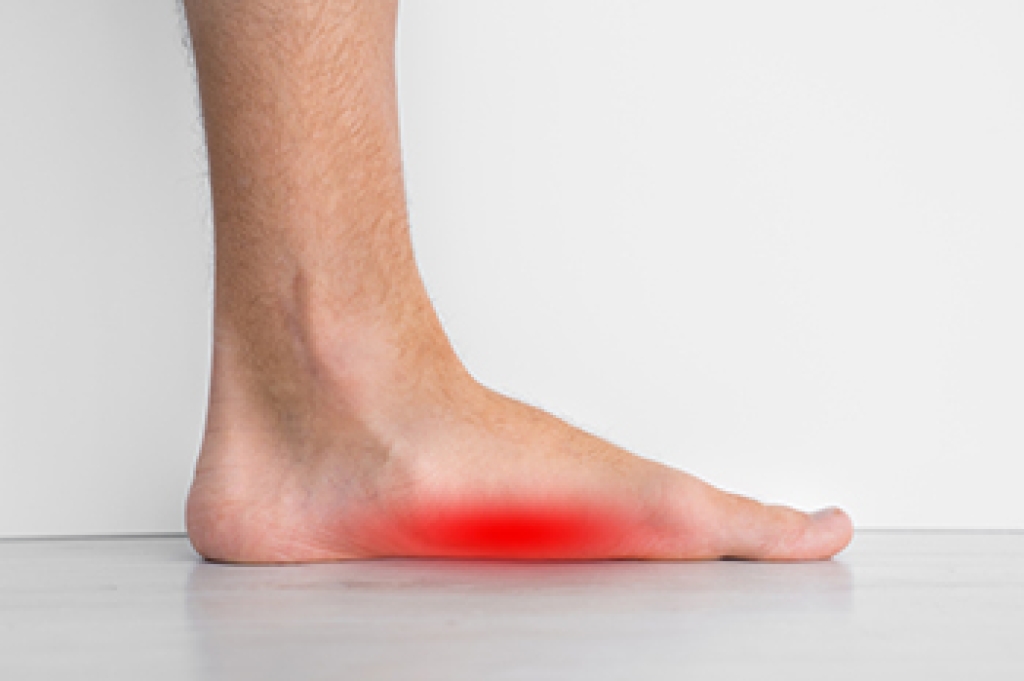
Some babies are born with flat feet and as they grow, the tendons in their feet tighten and formulate arches, typically by the time they reach 2 or 3 years of age. If arches never develop in babies feet, or they present only when they are sitting or on their toes, this is known as rigid flatfoot or flexible flatfoot, respectively. Flatfoot may be asymptomatic, or produce symptoms such as pain on the outside of the ankle, or achy, tired feet after playing sports or standing for extended periods of time. Calf muscles may also be tight, and there can be problems walking, standing, or balancing. If you are experiencing symptoms like these, contact a podiatrist to be diagnosed and treated properly. To determine if your condition is rigid or flexible, the podiatrist may ask you to stand on your toes. If your arch becomes visible while standing on your toes and collapses when you place your foot on the floor, you may be afflicted with flexible flatfoot. If your arch never presents (even while on your toes), the podiatrist may order a CT scan, MRI, or X-ray to make a diagnosis of rigid flatfoot. Your podiatrist may prescribe custom orthotics or special shoes to provide arch support and relieve pain, and/or calf muscle stretches to help improve ankle range of motion (dorsiflexion). If these more conservative techniques do not offer relief, surgery may be necessary to relieve pain, repair tendons, and restore the arch.

Flatfoot is a condition many people suffer from. If you have flat feet, contact Jeffrey Radack, DPM from Texas Regional Foot & Ankle Clinics. Our doctor will treat your foot and ankle needs.

What Are Flat Feet?

Flatfoot is a condition in which the arch of the foot is depressed and the sole of the foot is almost completely in contact with the ground. About 20-30% of the population generally has flat feet because their arches never formed during growth.

Conditions & Problems:

Having flat feet makes it difficult to run or walk because of the stress placed on the ankles.

Alignment – The general alignment of your legs can be disrupted, because the ankles move inward which can cause major discomfort.

Knees – If you have complications with your knees, flat feet can be a contributor to arthritis in that area.  

Symptoms

  • Pain around the heel or arch area
  • Trouble standing on the tip toe
  • Swelling around the inside of the ankle
  • Flat look to one or both feet
  • Having your shoes feel uneven when worn

Treatment

If you are experiencing pain and stress on the foot you may weaken the posterior tibial tendon, which runs around the inside of the ankle. 

If you have any questions, please feel free to contact our office located in McKinney and Coppell, TX . We offer the newest diagnostic and treatment technologies for all your foot care needs.
Read more about Flat Feet

Connect With Us