How Children Can Cope With Sever’s Disease

Engaging in a sport can be a rewarding and exciting way for children to spend their time. However, as a growing child engages in increased physical activity, they may be at a greater risk for Sever’s disease. This foot affliction occurs when the growth plate in one or both of a child’s heels becomes swollen. The resulting stress put on the heel can make the back of the foot red and inflamed. Children with Sever’s disease can experience pain and discomfort when putting weight on their heel. This condition occurs most often in children during puberty and growth spurts. Usually children are most affected by this condition during sports season. Although Sever’s disease can be painful, there are a number of steps that you can take to help your child mitigate the condition. For example, a child can stretch before engaging in physical activity, paying particular attention to the hamstrings and calf muscles. Also, you can help your child select a good pair of sneakers to make sure that they are getting the proper amount of support they need in their heels. Sever’s disease is certainly not pleasant for any growing child, so you might consult a podiatrist to help your child manage this condition.

Sever's disease often occurs in children and teens. If your child is experiencing foot or ankle pain, see Jeffrey Radack, DPM from Texas Regional Foot & Ankle Clinics. Our doctor can treat your child’s foot and ankle needs.

Sever’s Disease

Sever’s disease is also known as calcaneal apophysitis, which is a medical condition that causes heel pain I none or both feet. The disease is known to affect children between the ages of 8 and 14.

Sever’s disease occurs when part of the child’s heel known as the growth plate (calcaneal epiphysis) is attached to the Achilles tendon. This area can suffer injury when the muscles and tendons of the growing foot do not keep pace with bone growth. Therefore, the constant pain which one experiences at the back of the heel will make the child unable to put any weight on the heel. The child is then forced to walk on their toes.

Symptoms

Acute pain – Pain associated with Sever’s disease is usually felt in the heel when the child engages in physical activity such as walking, jumping and or running.

Highly active – Children who are very active are among the most susceptible in experiencing Sever’s disease, because of the stress and tension placed on their feet.

If you have any questions, please feel free to contact our office located in McKinney and Coppell, TX . We offer the newest diagnostic and treatment technologies for all your foot care needs.

Read more about Sever's Disease

Why Live with Pain and Numbness in Your Feet?

Suffering from this type of pain? You may have the foot condition known as Morton's neuroma. Morton's neuroma may develop as a result of ill-fitting footwear and existing foot deformities. We can help.

The Timeframe for Toenail Fungus to Heal

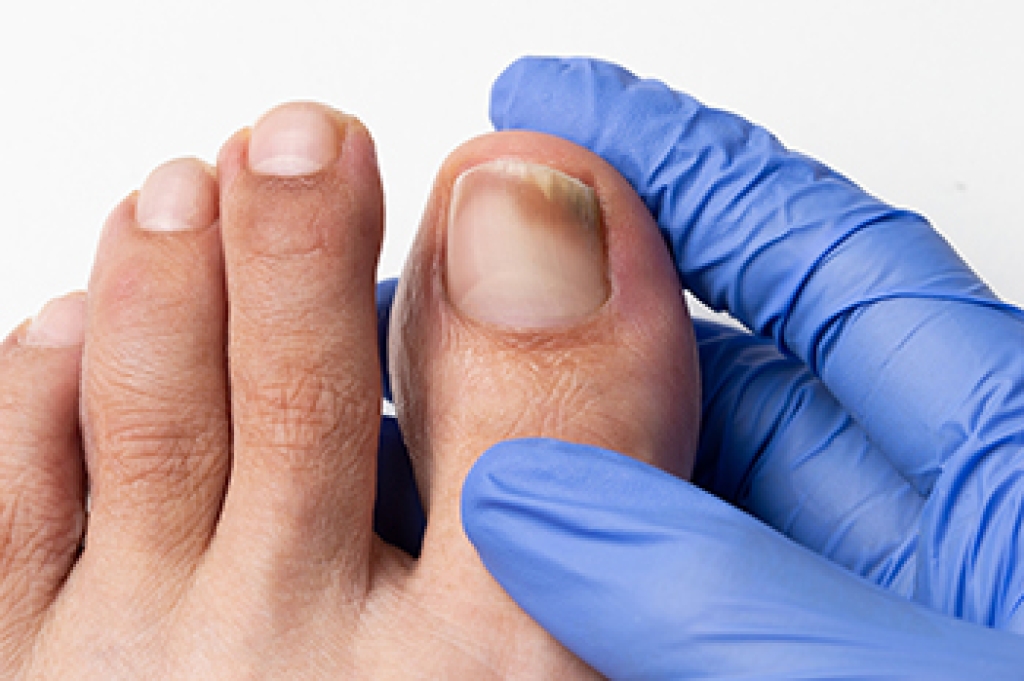
Toenail fungus is a noticeable foot condition. A toenail that is dark and thick can be caused by a fungus that is known as dermatophytes. The nail can change shape, and the color may differ as a result of the area which is affected underneath the nail. Many times, the nail on the big toe is the first to start developing toenail fungus, and in severe cases, it may travel to other nails. There may be existing medical conditions that can lead to toenail fungus. These can include diabetes, problems with circulation, or a weakened immune system. If this condition is not treated promptly, the nails may begin to crumble, and the fungus may grow under the nail, and possibly ooze. Effective treatment may take months to completely heal the fungus, and it is important to stay consistent with applying creams, and taking medication. A podiatrist can properly diagnose and treat this condition, and it is suggested that you schedule an appointment as soon as possible so the proper treatment can begin.

If left untreated, toenail fungus may spread to other toenails, skin, or even fingernails. If you suspect you have toenail fungus it is important to seek treatment right away. For more information about treatment, contact Jeffrey Radack, DPM of Texas Regional Foot & Ankle Clinics. Our doctor can provide the care you need to keep you pain-free and on your feet.

Symptoms

  • Warped or oddly shaped nails
  • Yellowish nails
  • Loose/separated nail
  • Buildup of bits and pieces of nail fragments under the nail
  • Brittle, broken, thickened nail

Treatment

If self-care strategies and over-the-counter medications does not help your fungus, your podiatrist may give you a prescription drug instead. Even if you find relief from your toenail fungus symptoms, you may experience a repeat infection in the future.

Prevention

In order to prevent getting toenail fungus in the future, you should always make sure to wash your feet with soap and water. After washing, it is important to dry your feet thoroughly especially in between the toes. When trimming your toenails, be sure to trim straight across instead of in a rounded shape. It is crucial not to cover up discolored nails with nail polish because that will prevent your nail from being able to “breathe”.

In some cases, surgical procedure may be needed to remove the toenail fungus. Consult with your podiatrist about the best treatment options for your case of toenail fungus.  

If you have any questions please contact our office located in McKinney and Coppell, TX . We offer the newest diagnostic and treatment technologies for all your foot and ankle needs.

Read more about Treating Toenail Fungus

Achilles Tendinopathy: A Common Sports Injury

The Achilles tendon attaches the heel bone with the calf muscles and helps make plantar flexion possible (bending your foot downward at the ankle). Tennis players, dancers, and runners in particular engage their Achilles tendon constantly, and can sometimes suffer an overuse injury known as Achilles tendinopathy. Achilles tendinopathy usually develops when tiny repeated injuries (micro-traumas) to the Achilles tendon occur and never fully or properly heal. This repeated wear and damage compounds over time and eventually causes the Achilles tendon to become swollen, stiff, and painful. Poor training habits can also be a precursor to Achilles tendinopathy, such as training on hard/sloped surfaces, using improper technique, wearing inadequate footwear, and increasing the intensity or frequency of your workouts too rapidly. If you believe you have Achilles tendinopathy, it is suggested that you consult with a podiatrist as soon as possible. A podiatrist can relieve your symptoms while helping to heal the Achilles tendon properly with various techniques and therapies, exercises, painkillers, orthotics, and more. 

Ankle and foot injuries are common among athletes and in many sports. They can be caused by several problems and may be potentially serious. If you are feeling pain or think you were injured in a sporting event or when exercising, consult with Jeffrey Radack, DPM from Texas Regional Foot & Ankle Clinics. Our doctor will assess your condition and provide you with quality foot and ankle treatment.

Common Injuries

The most common injuries that occur in sporting activities include:

  • Achilles Tendonitis
  • Achilles Tendon Rupture
  • Ankle Sprains
  • Broken Foot
  • Plantar Fasciitis
  • Stress Fractures
  • Turf Toe

Symptoms

Symptoms vary depending upon the injury and in some cases, there may be no symptoms at all. However, in most cases, some form of symptom is experienced. Pain, aching, burning, bruising, tenderness, tightness or stiffness, sensation loss, difficulty moving, and swelling are the most common symptoms.

Treatment

Just as symptoms vary depending upon the injury, so do treatment options. A common treatment method is known as the RICE method. This method involves rest, applying ice, compression and elevating the afflicted foot or ankle. If the injury appears to be more serious, surgery might be required, such as arthroscopic or reconstructive surgery. Lastly, rehabilitation or therapy might be needed to gain full functionality in the afflicted area. Any discomfort experienced by an athlete must be evaluated by a licensed, reputable medical professional.  

If you have any questions please contact our office located in McKinney and Coppell, TX . We offer the newest diagnostic and treatment technologies for all your foot and ankle needs.

Read more about Sports Related Foot and Ankle Injuries

Bunion Surgery May Be Necessary

Bunions may be prevented from developing. A bunion is defined as a bony protrusion on the side of the big toe and can gradually occur from wearing shoes that do not fit correctly. In severe cases, the bunion can cause the other toes to overlap, and this may cause difficulty in walking and completing daily activities. Some of the suggested ways to prevent bunions from developing can include wearing shoes that have adequate room for the toes to move freely as well as avoiding high heels. It can be beneficial to frequently rest the feet as this can provide the opportunity to stretch the toes. If the bunion is painful, it may feel better to wear a protective pad on top of it which may aid in reducing the pressure against the shoe. When a bunion is severe, surgery may be a necessary option for permanent relief. If you notice the beginning stages of a developing bunion, it is suggested that you contact a podiatrist who can offer the correct treatment options. 

If you are suffering from bunions, contact Jeffrey Radack, DPM of Texas Regional Foot & Ankle Clinics. Our doctor can provide the care you need to keep you pain-free and on your feet.

What Is a Bunion?

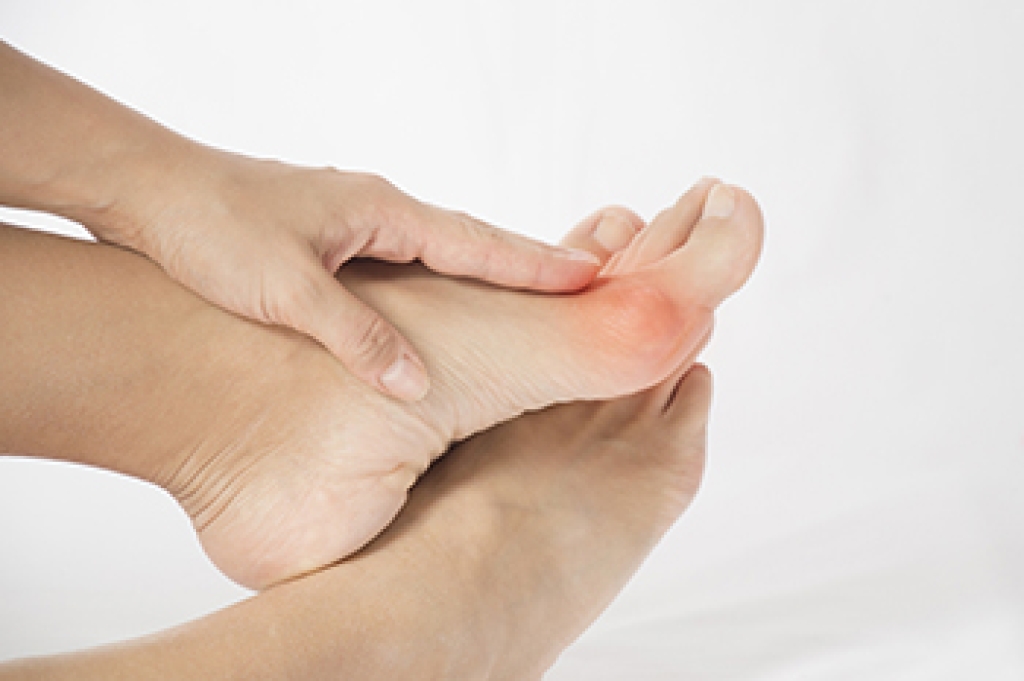
A bunion is formed of swollen tissue or an enlargement of boney growth, usually located at the base joint of the toe that connects to the foot. The swelling occurs due to the bones in the big toe shifting inward, which impacts the other toes of the foot. This causes the area around the base of the big toe to become inflamed and painful.

Why Do Bunions Form?

Genetics – Susceptibility to bunions are often hereditary

Stress on the feet – Poorly fitted and uncomfortable footwear that places stress on feet, such as heels, can worsen existing bunions

How Are Bunions Diagnosed?

Doctors often perform two tests – blood tests and x-rays – when trying to diagnose bunions, especially in the early stages of development. Blood tests help determine if the foot pain is being caused by something else, such as arthritis, while x-rays provide a clear picture of your bone structure to your doctor.

How Are Bunions Treated?

  • Refrain from wearing heels or similar shoes that cause discomfort
  • Select wider shoes that can provide more comfort and reduce pain
  • Anti-inflammatory and pain management drugs
  • Orthotics or foot inserts
  • Surgery

If you have any questions, please feel free to contact our office located in McKinney and Coppell, TX . We offer the newest diagnostic and treatment technologies for all your foot care needs.

Read more about What Are Bunions?

Connect With Us