
What Causes the Feet to Swell During Pregnancy?

It is very common for pregnant women to experience swelling in the feet and legs during pregnancy. This swelling occurs because the body holds more water than usual, and that water pools in the lower part of the body. The swelling can get very uncomfortable, but it is usually not harmful. However, it is important to note that if there is a sudden increase in swelling, it should be monitored as soon as possible, because this could be a sign of preeclampsia. Ways that swelling can be reduced include not standing for long periods of time, wearing comfortable shoes and socks that aren’t too tight, resting with the feet up, and consistently going for walks. Patients who are struggling with swelling feet during their pregnancy would be wise to consult with a podiatrist to help manage and monitor the situation. 

Pregnant women with swollen feet can be treated with a variety of different methods that are readily available. For more information about other cures for swollen feet during pregnancy, consult with Jeffrey Radack, DPM from Texas Regional Foot & Ankle Clinics. Our doctor will attend to all of your foot and ankle needs.

What Foot Problems Can Arise During Pregnancy?

One problem that can occur is overpronation, which occurs when the arch of the foot flattens and tends to roll inward.  This can cause pain and discomfort in your heels while you’re walking or even just standing up, trying to support your baby.  

Another problem is edema, or swelling in the extremities. This often affects the feet during pregnancy but tends to occur in the later stages. 

How Can I Keep My Feet Healthy During Pregnancy?

  • Wearing orthotics can provide extra support for the feet and help distribute weight evenly
  • Minimize the amount of time spent walking barefoot
  • Wear shoes with good arch support
  • Wear shoes that allow for good circulation to the feet
  • Elevate feet if you experience swelling
  • Massage your feet
  • Get regular, light exercise, such as walking, to promote blood circulation to the feet

If you have any questions, please feel free to contact our office located in McKinney and Coppell, TX . We offer the newest diagnostic and treatment technologies for all your foot care needs.


Read more about Pregnancy and Foot Health

ORIF for an Ankle Fracture

Open reduction and internal fixation (ORIF) is a type of surgical operation that can be used to repair a broken ankle. This procedure is usually recommended when the fracture is large, the bones are displaced or broken into many pieces, or when the fracture involves damage to the surrounding nerves or blood vessels. During an ORIF procedure, the surgeon may use wires, screws, plates, or pins to realign the broken bones so that they can heal properly. After surgery, you will need to wear a cast or splint to immobilize the ankle and promote a full recovery. If you have fractured your ankle, it is strongly suggested that you seek the care of a podiatrist.

Broken ankles need immediate treatment. If you are seeking treatment, contact Jeffrey Radack, DPM from Texas Regional Foot & Ankle Clinics. Our doctor can provide the care you need to keep you pain-free and on your feet. 

Broken Ankles
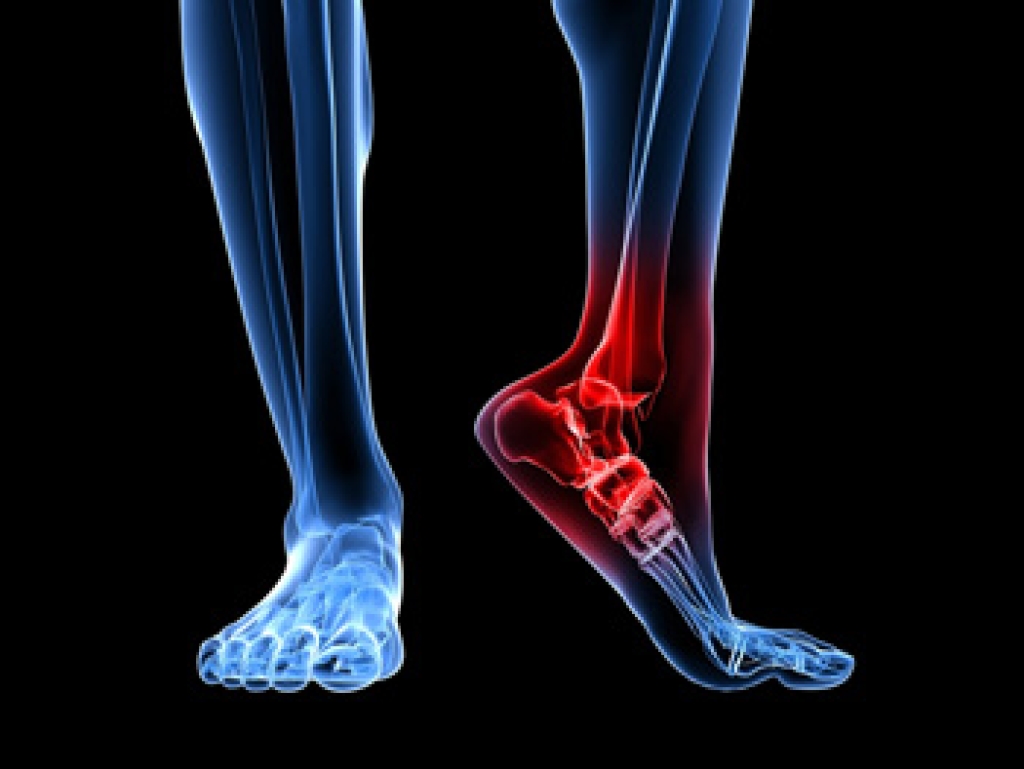
A broken ankle is experienced when a person fractures their tibia or fibula in the lower leg and ankle area. Both of these bones are attached at the bottom of the leg and combine to form what we know to be our ankle.

When a physician is referring to a break of the ankle, he or she is usually referring to a break in the area where the tibia and fibula are joined to create our ankle joint. Ankles are more prone to fractures because the ankle is an area that suffers a lot of pressure and stress. There are some obvious signs when a person experiences a fractured ankle, and the following symptoms may be present.

Symptoms of a Fractured Ankle

  • Excessive pain when the area is touched or when any pressure is placed on the ankle
  • Swelling around the area
  • Bruising of the area
  • Area appears to be deformed

If you suspect an ankle fracture, it is recommended to seek treatment as soon as possible. The sooner you have your podiatrist diagnose the fracture, the quicker you’ll be on the way towards recovery.

If you have any questions, please feel free to contact our office located in McKinney and Coppell, TX . We offer the newest diagnostic and treatment technologies for all your foot care needs.
Read more about All About Broken Ankle

Gout Pain Can Be Managed

Gout is a painful, inflammatory form of arthritis. Those affected will typically feel an intense stiffness in the joints of their feet, particularly in the big toe. Schedule a visit to learn about how gout can be managed and treated.

Where Heel Pain Can Come From

Heel pain can be debilitating and have a brutal impact on everyday life. While there are a variety of causes of heel pain, the most common is plantar fasciitis. This happens when there is inflammation or even a partial tear in the tissue running along the bottom of the foot that connects the heel to the toes, known as the plantar fascia. Heel pain can also occur when there is an abnormal growth on the heel bone that is a result of a calcium buildup. This is known as a heel spur. Other common sources of heel pain include Calcaneal apophysitis (irritation of the heel bone from new shoes or a new activity), bursitis (inflammation of the sac that lines some joints), or when a nerve gets compressed (also known as a trapped nerve). If you are struggling with heel pain, consulting with a podiatrist is a good idea. A podiatrist will be able to find the cause of the heel pain and suggest the treatment options that are available.    

Many people suffer from bouts of heel pain. For more information, contact Jeffrey Radack, DPM of Texas Regional Foot & Ankle Clinics. Our doctor can provide the care you need to keep you pain-free and on your feet.

Causes of Heel Pain

Heel pain is often associated with plantar fasciitis. The plantar fascia is a band of tissues that extends along the bottom of the foot. A rip or tear in this ligament can cause inflammation of the tissue.

Achilles tendonitis is another cause of heel pain. Inflammation of the Achilles tendon will cause pain from fractures and muscle tearing. Lack of flexibility is also another symptom.

Heel spurs are another cause of pain. When the tissues of the plantar fascia undergo a great deal of stress, it can lead to ligament separation from the heel bone, causing heel spurs.

Why Might Heel Pain Occur?

  • Wearing ill-fitting shoes                
  • Wearing non-supportive shoes
  • Weight change           
  • Excessive running

Treatments

Heel pain should be treated as soon as possible for immediate results. Keeping your feet in a stress-free environment will help. If you suffer from Achilles tendonitis or plantar fasciitis, applying ice will reduce the swelling. Stretching before an exercise like running will help the muscles. Using all these tips will help make heel pain a condition of the past.

If you have any questions, please feel free to contact our office located in McKinney and Coppell, TX . We offer the newest diagnostic and treatment technologies for all your foot care needs.
Read more about Heel Pain

Eight Symptoms of Toe Arthritis

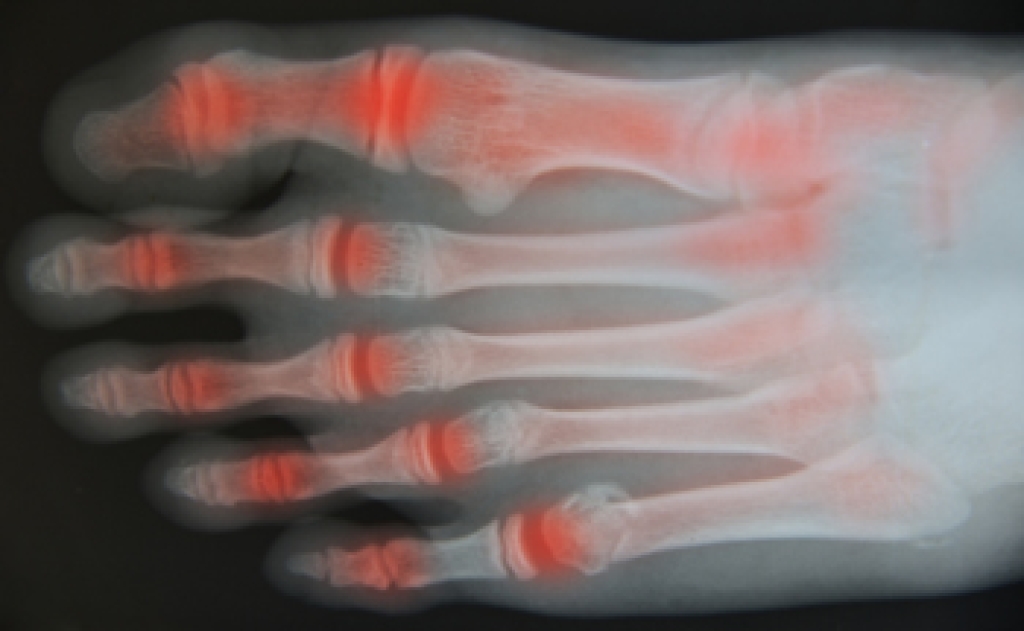
You may be familiar with aching joints in the hands and fingers, but have you ever heard of arthritis in the toes? This problem is surprisingly common, particularly among older people, who often have osteoarthritis, and people of all ages with rheumatoid or psoriatic arthritis. The most common symptom of arthritis in the toes is toe pain, which can range from a deep ache to a sharp or stabbing sensation. As their cartilage lining is damaged and wears away, the joints can become stiff and difficult to move. Swelling is also a common symptom. While walking, the toe joints may make a clicking, popping, or grinding sound, like the sound of cracking your knuckles. The toes may also become deformed over time and feel warm or hot because of inflammation. When joint damage is extensive and severe, the joint can become locked in place. All these symptoms combined can make walking, or even standing, difficult. If you have arthritis in your feet, a podiatrist can help you manage the symptoms and maintain your mobility.

Arthritis can be a difficult condition to live with. If you are seeking treatment, contact Jeffrey Radack, DPM from Texas Regional Foot & Ankle Clinics. Our doctor can provide the care you need to keep you pain-free and on your feet.

Arthritic Foot Care  

Arthritis is a joint disorder that involves the inflammation of different joints in your body, such as those in your feet. Arthritis is often caused by a degenerative joint disease and causes mild to severe pain in all affected areas. In addition to this, swelling and stiffness in the affected joints can also be a common symptom of arthritis.

In many cases, wearing ill-fitting shoes can worsen the effects and pain of arthritis. Wearing shoes that have a lower heel and extra room can help your feet feel more comfortable. In cases of rheumatoid arthritis, the arch in your foot may become problematic. Buying shoes with proper arch support that contour to your feet can help immensely.

Alleviating Arthritic Pain

  • Exercises that stretch the foot can prevent further pain and injury and increase mobility
  • Most of the pain can be alleviated with anti-inflammatory drugs, heat, and topical medications
  • Massages can help temporarily alleviate pain.

It is best to see your doctor for the treatment that is right for your needs and symptoms. Conditions vary, and a podiatrist can help you determine the right method of care for your feet.

If you have any questions please feel free to contact our office located in McKinney and Coppell, TX . We offer the newest diagnostic tools and technology to treat your foot and ankle needs.

Read more about Arthritic Foot Care

Connect With Us