Changes in Children's Feet

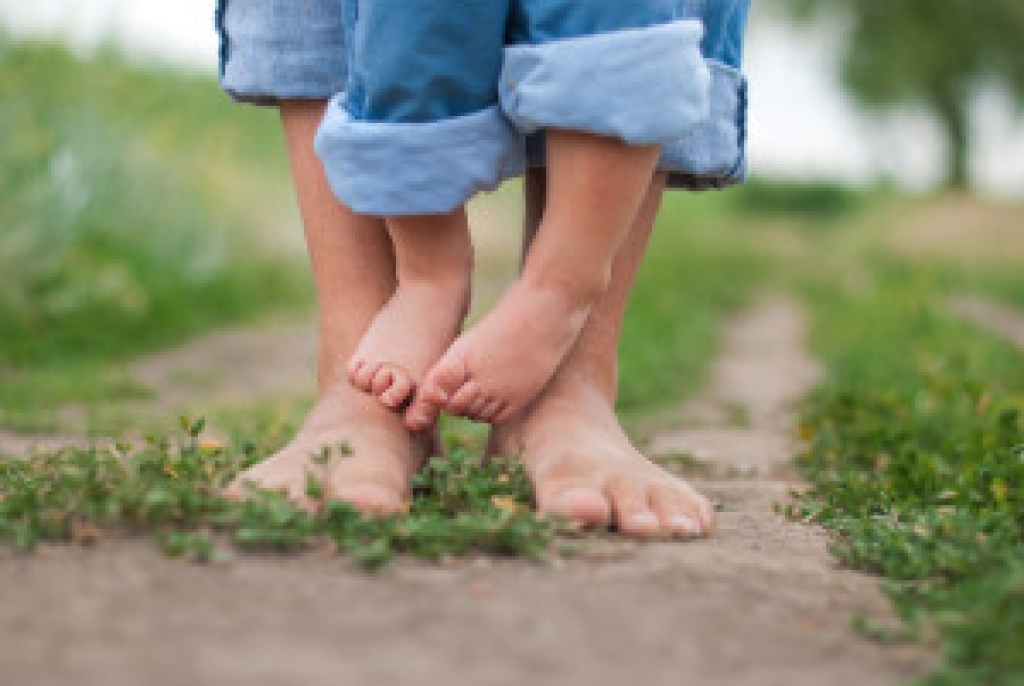
Children’s feet differ greatly from adult feet. When comparing the two, the shapes are different. In the first year, the cartilage is soft, and there are additional fat pads on the soles. This can give the feet added flexibility that may diminish as one ages and the bones become stronger. Research has shown it may be beneficial for the child to walk barefoot while indoors, which may help to strengthen the overall foot. It is desirable for children to wear shoes while walking outside, and this can help to protect the feet. When it is time for the first pair of shoes to be purchased, many parents will buy shoes that are lightweight and have flexible soles. A child’s foot changes during the first five years. It is helpful to properly measure their feet often during this time, as different size shoes are often needed. Many parents notice the average life of a pair of shoes is approximately four months, and this can vary, depending upon the quality of the shoes. If you have questions about your child’s foot health, it is suggested that you consult with a podiatrist who can provide you with the knowledge you are seeking.

The health of a child’s feet is vital to their overall well-being. If you have any questions regarding foot health, contact Jeffrey Radack, DPM of Texas Regional Foot & Ankle Clinics. Our doctor can provide the care you need to keep you pain-free and on your feet.

Tips for Keeping Children's Feet Healthy

  • Make sure their shoes fit properly
  • Look for any signs of in-toeing or out-toeing
  • Check to see if they have Clubfoot (condition that affects your child’s foot and ankle, twisting the heel and toes inward) which is one of the most common nonmajor birth defects.
  • Lightly cover your baby’s feet (Tight covers may keep your baby from moving their feet freely, and could prevent normal development)
  • Allow your toddler to go shoeless (Shoes can be restricting for a young child’s foot)
  • Cut toenails straight across to avoid ingrown toenails
  • Keep your child’s foot clean and dry
  • Cover cuts and scrapes. Wash any scratches with soap and water and cover them with a bandage until they’ve healed.

If you have any questions, please feel free to contact our office located in McKinney and Coppell, TX . We offer the newest diagnostic and treatment technologies for all your foot care needs.
Read more about How to Care for Your Child's Feet

Examples of Achilles Tendon Injuries

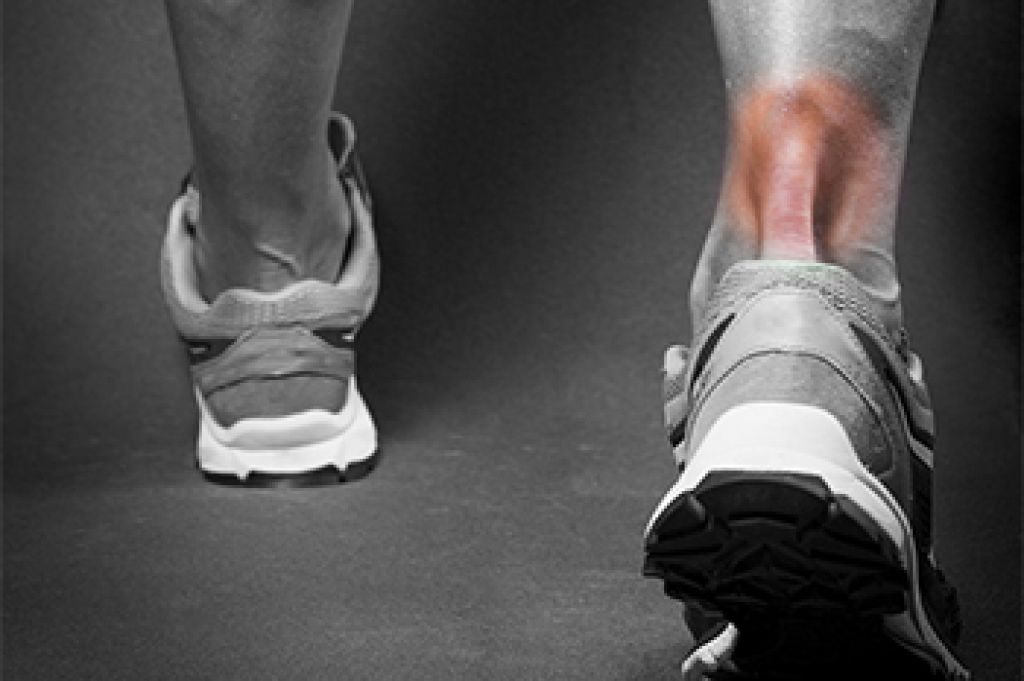
The Achilles tendon connects the calf muscles to the heel. It is located in the lower part of the calf, and it is responsible for walking, running, and standing on tiptoes. If this tendon becomes injured, it can cause severe pain and discomfort. An injury can happen from increasing speed and distance too quickly, a common injury among runners. The tendon can become partially or completely torn, and there are similar symptoms that can accompany either type. These symptoms can include hearing a popping sound at the time of the injury, and the heel may be swollen, painful, or stiff. There are two types of Achilles tendonitis, and they are classified as non insertional and insertional. The former may be more prevalent among younger people, and it affects the fibers in the middle of the tendon. The latter involves the fibers in the lower part of the tendon, and both can result from overuse. Partial tears may gradually heal on their own, with adequate rest and keeping as much weight off of the foot as possible. If the tendon is completely torn, it is suggested that a podiatrist who can effectively treat an Achilles tendon injury be contacted as quickly as possible .

Achilles tendon injuries need immediate attention to avoid future complications. If you have any concerns, contact Jeffrey Radack, DPM of Texas Regional Foot & Ankle Clinics. Our doctor can provide the care you need to keep you pain-free and on your feet.

What Is the Achilles Tendon?

The Achilles tendon is a tendon that connects the lower leg muscles and calf to the heel of the foot. It is the strongest tendon in the human body and is essential for making movement possible. Because this tendon is such an integral part of the body, any injuries to it can create immense difficulties and should immediately be presented to a doctor.

What Are the Symptoms of an Achilles Tendon Injury?

There are various types of injuries that can affect the Achilles tendon. The two most common injuries are Achilles tendinitis and ruptures of the tendon.

Achilles Tendinitis Symptoms

  • Inflammation
  • Dull to severe pain
  • Increased blood flow to the tendon
  • Thickening of the tendon

Rupture Symptoms

  • Extreme pain and swelling in the foot
  • Total immobility

Treatment and Prevention

Achilles tendon injuries are diagnosed by a thorough physical evaluation, which can include an MRI. Treatment involves rest, physical therapy, and in some cases, surgery. However, various preventative measures can be taken to avoid these injuries, such as:

  • Thorough stretching of the tendon before and after exercise
  • Strengthening exercises like calf raises, squats, leg curls, leg extensions, leg raises, lunges, and leg presses

If you have any questions please feel free to contact our office located in McKinney and Coppell, TX . We offer the newest diagnostic tools and technology to treat your foot and ankle needs.

Read more about The Causes, Types, and Treatments of Achilles Tendon Injuries

What Do Plantar Warts Look Like?

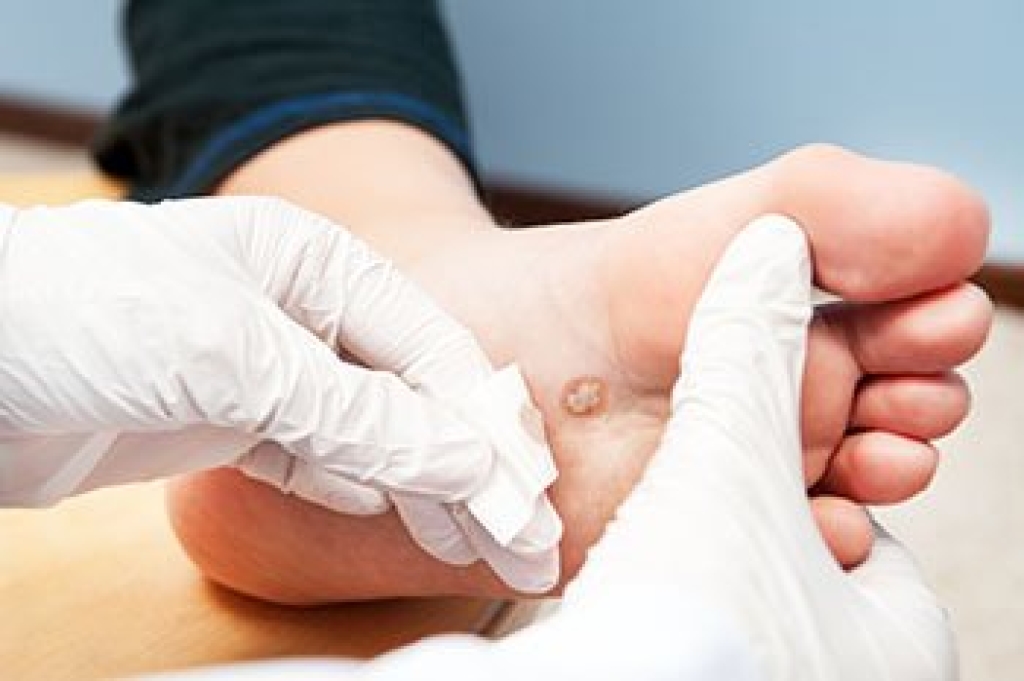
Plantar warts are a particular kind of condition of the foot that can be unsightly and potentially diminish the health of one’s feet. These warts can develop on the bottoms or soles of the feet. Many patients will often ask what plantar warts look like and how a person might go about identifying a plantar wart. The answer is that plantar warts on the feet fortunately all basically look similar, even though they may vary in size. For example, most plantar warts on the feet will be somewhat round in shape. Additionally, a plantar wart will most likely be flat as opposed to being raised. The plantar wart can also have an outer layer to the wart that is rough and tough in texture. Lastly, plantar warts will have a black dot at the center of the wart. If you are someone that is living with plantar warts it is highly suggested that you contact a podiatrist for treatment. 

Plantar warts can be very uncomfortable. If you need your feet checked, contact Jeffrey Radack, DPM from Texas Regional Foot & Ankle Clinics. Our doctor will assist you with all of your foot and ankle needs.

About Plantar Warts

Plantar warts are the result of HPV, or human papillomavirus, getting into open wounds on the feet. They are mostly found on the heels or balls of the feet.

While plantar warts are generally harmless, those experiencing excessive pain or those suffering from diabetes or a compromised immune system require immediate medical care. Plantar warts are easily diagnosed, usually through scraping off a bit of rough skin or by getting a biopsy.

Symptoms

  • Lesions on the bottom of your feet, usually rough and grainy
  • Hard or thick callused spots
  • Wart seeds, which are small clotted blood vessels that look like little black spots
  • Pain, discomfort, or tenderness of your feet when walking or standing

Treatment

  • Freezing
  • Electric tool removal
  • Laser Treatment
  • Topical Creams (prescription only)
  • Over-the-counter medications

To help prevent developing plantar warts, avoid walking barefoot over abrasive surfaces that can cause cuts or wounds for HPV to get into. Avoiding direct contact with other warts, as well as not picking or rubbing existing warts, can help prevent the further spread of plantar warts. However, if you think you have developed plantar warts, speak to your podiatrist. He or she can diagnose the warts on your feet and recommend the appropriate treatment options.

If you have any questions, please feel free to contact our office located in McKinney and Coppell, TX . We offer the newest diagnostic and treatment technologies for all your foot care needs.
Read more about Plantar Warts

Flat Shoes and Foot Pain

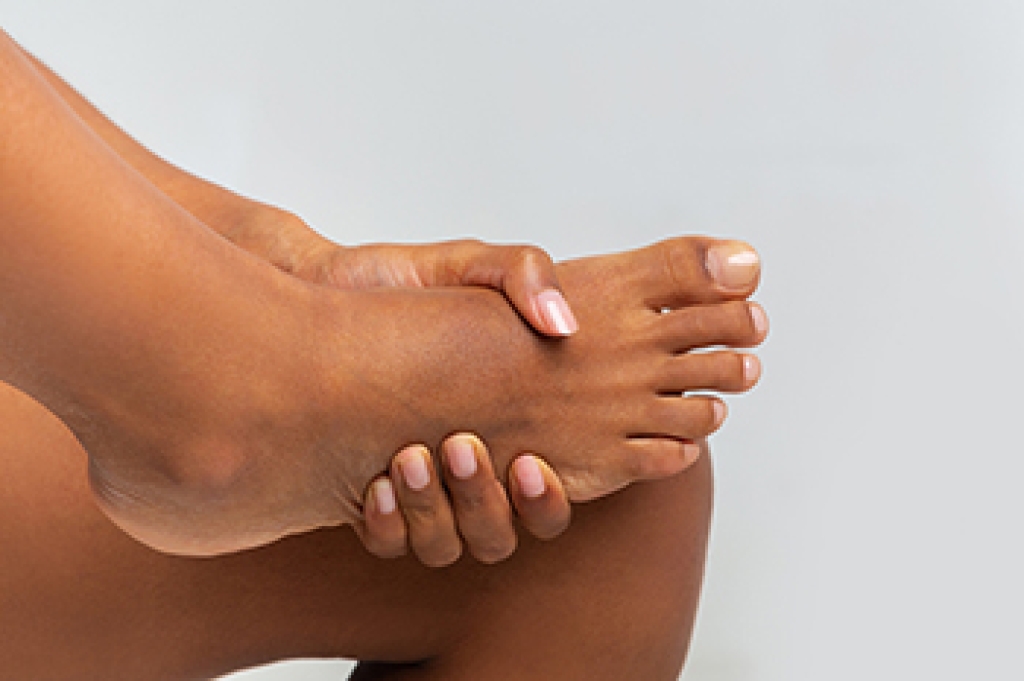
Foot pain is certainly an unpleasant condition that many Americans can experience for a variety of reasons. Sometimes, foot pain is linked to the particular kind of shoe that you are wearing. While high heels are well-known for the damaging effects they can cause to your feet, other types of shoes can have adverse effects as well. Specifically, ballet flats can cause foot pain for several reasons. When ballet flats are not well padded, they can aggravate certain foot conditions, such as Achilles tendonitis and plantar fasciitis. Often, flats fail to provide the feet with sufficient arch support, which can make one more susceptible to the aforementioned foot conditions. To make your ballet flats more beneficial to the health of your feet, your podiatrist might recommend using insoles in the flats to increase arch support. If you are someone that enjoys wearing ballet flats, it is suggested that you consider contacting a podiatrist for help.

Foot Pain

Foot pain can be extremely painful and debilitating. If you have a foot pain, consult with Jeffrey Radack, DPM from Texas Regional Foot & Ankle Clinics. Our doctor will assess your condition and provide you with quality foot and ankle treatment.

Causes

Foot pain is a very broad condition that could be caused by one or more ailments. The most common include:

  • Bunions
  • Hammertoes
  • Plantar Fasciitis
  • Bone Spurs
  • Corns
  • Tarsal Tunnel Syndrome
  • Ingrown Toenails
  • Arthritis (such as Gout, Rheumatoid, and Osteoarthritis)
  • Flat Feet
  • Injury (from stress fractures, broken toe, foot, ankle, Achilles tendon ruptures, and sprains)
  • And more

Diagnosis

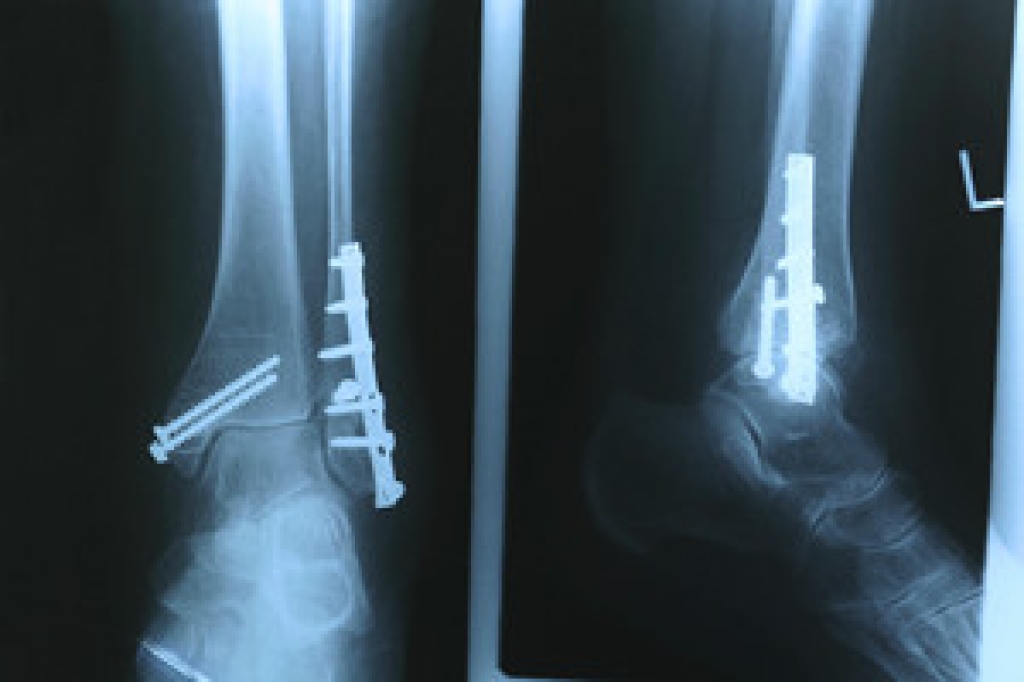
To figure out the cause of foot pain, podiatrists utilize several different methods. This can range from simple visual inspections and sensation tests to X-rays and MRI scans. Prior medical history, family medical history, and any recent physical traumatic events will all be taken into consideration for a proper diagnosis.

Treatment

Treatment depends upon the cause of the foot pain. Whether it is resting, staying off the foot, or having surgery; podiatrists have a number of treatment options available for foot pain.

If you have any questions, please feel free to contact our office located in McKinney and Coppell, TX . We offer the newest diagnostic and treatment technologies for all your foot care needs.

Read more about Foot Pain

We Can Treat Your Foot or Ankle Pain

Foot or ankle pain can negatively affect your day-to-day life and can occur due to several different conditions. Pain can also be an indicator of a more serious underlying condition, which is why you should seek professional help as soon as you notice any abnormalities in your feet.

The Treadmill and Foot Injuries

Countless Americans utilize the treadmill everyday as a way for them to burn their daily calories. Individuals can use the treadmill to run, jog, or simply walk. This versatility adds to the appeal of the treadmill. However, if an individual is not careful, the use of the treadmill may potentially put your feet at risk of developing an injury. For example, if an individual is not running, jogging, or walking with proper form, they could endure foot pain and/or a foot condition. These can also occur if an individual misuses the treadmill by perhaps setting the treadmill to an inappropriate incline and speed. If you are someone that frequently relies on the treadmill to get your daily dose of exercise, it is highly suggested that you contact a podiatrist who will be able to offer you individualized care and advice.

Sports related foot and ankle injuries require proper treatment before players can go back to their regular routines. For more information, contact Jeffrey Radack, DPM of Texas Regional Foot & Ankle Clinics. Our doctor can provide the care you need to keep you pain-free and on your feet.

Sports Related Foot and Ankle Injuries

Foot and ankle injuries are a common occurrence when it comes to athletes of any sport. While many athletes dismiss the initial aches and pains, the truth is that ignoring potential foot and ankle injuries can lead to serious problems. As athletes continue to place pressure and strain the area further, a mild injury can turn into something as serious as a rupture and may lead to a permanent disability. There are many factors that contribute to sports related foot and ankle injuries, which include failure to warm up properly, not providing support or wearing bad footwear. Common injuries and conditions athletes face, including:

  • Plantar Fasciitis
  • Achilles Tendinitis
  • Achilles Tendon Rupture
  • Ankle Sprains

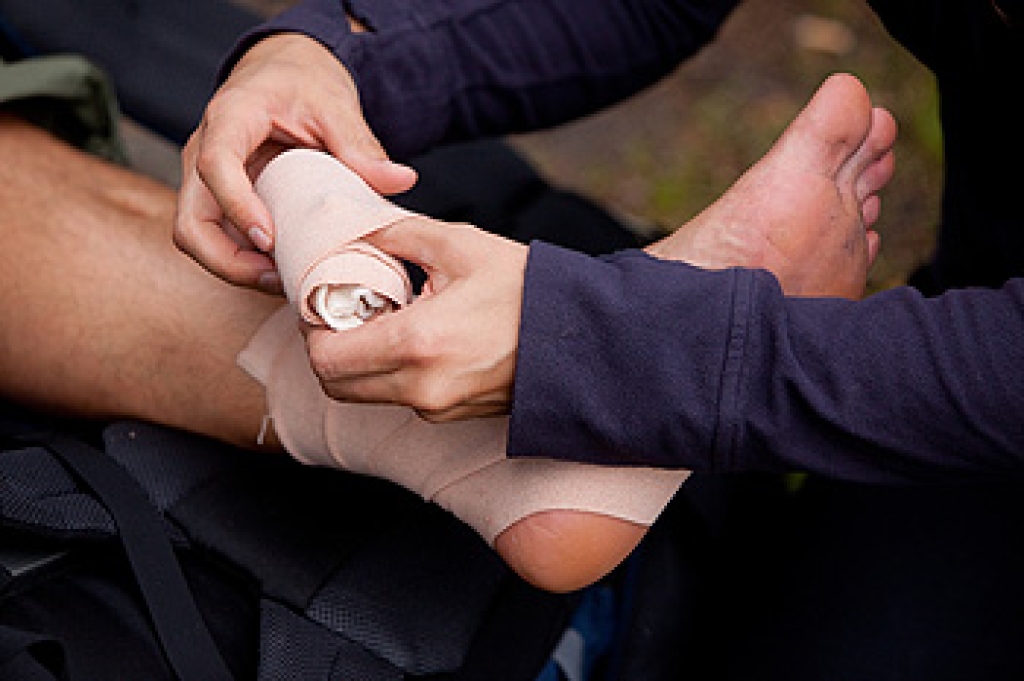
Sports related injuries are commonly treated using the RICE method. This includes rest, applying ice to the injured area, compression and elevating the ankle. More serious sprains and injuries may require surgery, which could include arthroscopic and reconstructive surgery. Rehabilitation and therapy may also be required in order to get any recovering athlete to become fully functional again. Any unusual aches and pains an athlete sustains must be evaluated by a licensed, reputable medical professional.

If you have any questions please contact our office located in McKinney and Coppell, TX . We offer the newest diagnostic and treatment technologies for all your foot and ankle needs.

Read more about Sports Related Foot And Ankle Injuries

Stress Fracture Risk Factors

A stress fracture in the foot essentially occurs when microdamage accumulates and the bones develop small breaks. If you are an athlete or a runner, then you might be particularly interested in preventing the onset of a stress fracture in the foot. There are certain factors that might put athletes at an increased risk of developing stress fractures of some kind. For example, if an athlete has a particularly high running mileage or especially if they are wearing inappropriate footwear, then a stress fracture might be more likely.  Also, other risk factors for runners and athletes include training errors and leg length discrepancies. If you are someone that runs frequently and are concerned about developing a stress fracture, it is suggested that you contact a podiatrist. 

Activities where too much pressure is put on the feet can cause stress fractures. To learn more, contact Jeffrey Radack, DPM from Texas Regional Foot & Ankle Clinics. Our doctor can provide the care you need to keep your pain free and on your feet.

Dealing with Stress Fractures of the Foot and Ankle

Stress fractures occur in the foot and ankle when muscles in these areas weaken from too much or too little use.  The feet and ankles then lose support when walking or running from the impact of the ground. Since there is no protection, the bones receive the full impact of each step. Stress on the feet can cause cracks to form in the bones, thus creating stress fractures.

What Are Stress Fractures?

Stress fractures occur frequently in individuals whose daily activities cause great impact on the feet and ankles. Stress factors are most common among:

  • Runners                                
  • People affected with Osteoporosis
  • Tennis or basketball players
  • Gymnasts
  • High impact workouts

Symptoms

Pain from the fractures occur in the area of the fractures and can be constant or intermittent. It will often cause sharp or dull pain with swelling and tenderness. Engaging in any kind of activity which involves high impact will aggravate pain.

If you have any questions please contact our office located in McKinney and Coppell, TX . We offer the newest diagnostic and treatment technologies for all your foot and ankle needs.

Read more about Dealing with Stress Fractures of the Foot and Ankle

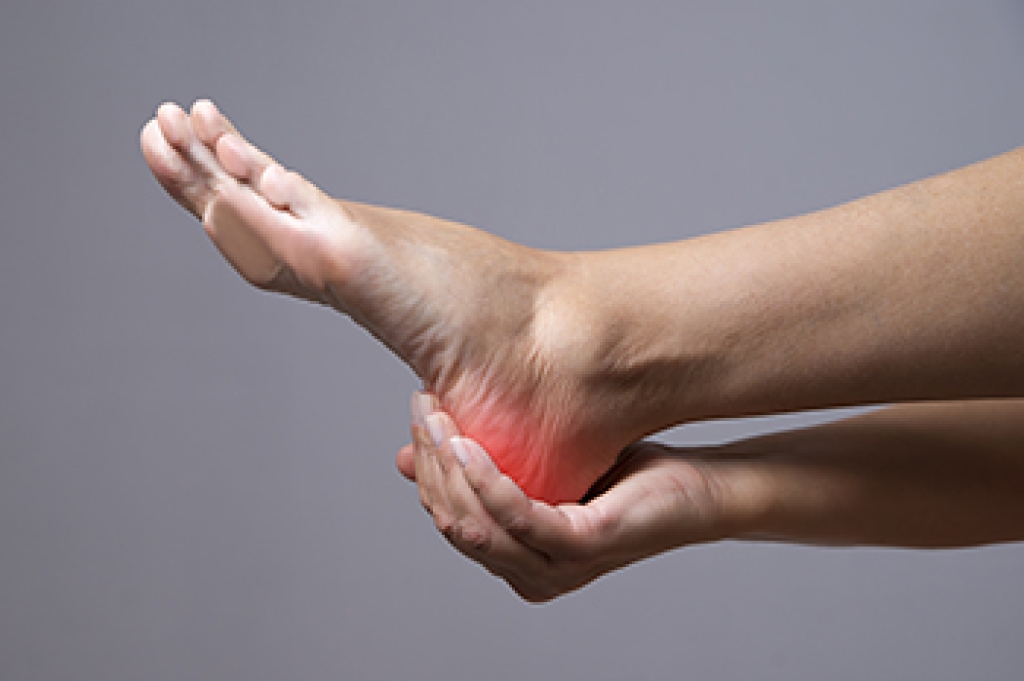
Common Causes of Heel Pain

Two common causes of heel pain are plantar fasciitis and heel spurs. Each foot has 28 bones, 30 joints, and more than 100 muscles, ligaments, and tendons. All of these structures work in tandem to provide weight-bearing and forward movement. The heel bone, or calcaneus, is the largest bone in the foot, and is a common site for injury as a result of walking style, or gait. Plantar fasciitis is caused by microtears in the connective tissue under the foot. This is typically caused by overstretching and can produce pain in the heel and arch areas of the foot. Pain is often worse in the morning when the first steps are taken. A heel spur is a bony overgrowth on the heel that can cause severe pain while standing or walking. Heel spurs can be common among those with plantar fasciitis. For a proper diagnosis and treatment of your heel pain, it is suggested that you consult with a podiatrist.

Many people suffer from bouts of heel pain. For more information, contact Jeffrey Radack, DPM of Texas Regional Foot & Ankle Clinics. Our doctor can provide the care you need to keep you pain-free and on your feet.

Causes of Heel Pain

Heel pain is often associated with plantar fasciitis. The plantar fascia is a band of tissues that extends along the bottom of the foot. A rip or tear in this ligament can cause inflammation of the tissue.

Achilles tendonitis is another cause of heel pain. Inflammation of the Achilles tendon will cause pain from fractures and muscle tearing. Lack of flexibility is also another symptom.

Heel spurs are another cause of pain. When the tissues of the plantar fascia undergo a great deal of stress, it can lead to ligament separation from the heel bone, causing heel spurs.

Why Might Heel Pain Occur?

  • Wearing ill-fitting shoes                
  • Wearing non-supportive shoes
  • Weight change           
  • Excessive running

Treatments

Heel pain should be treated as soon as possible for immediate results. Keeping your feet in a stress-free environment will help. If you suffer from Achilles tendonitis or plantar fasciitis, applying ice will reduce the swelling. Stretching before an exercise like running will help the muscles. Using all these tips will help make heel pain a condition of the past.

If you have any questions, please feel free to contact our office located in McKinney and Coppell, TX . We offer the newest diagnostic and treatment technologies for all your foot care needs.
Read more about Heel Pain

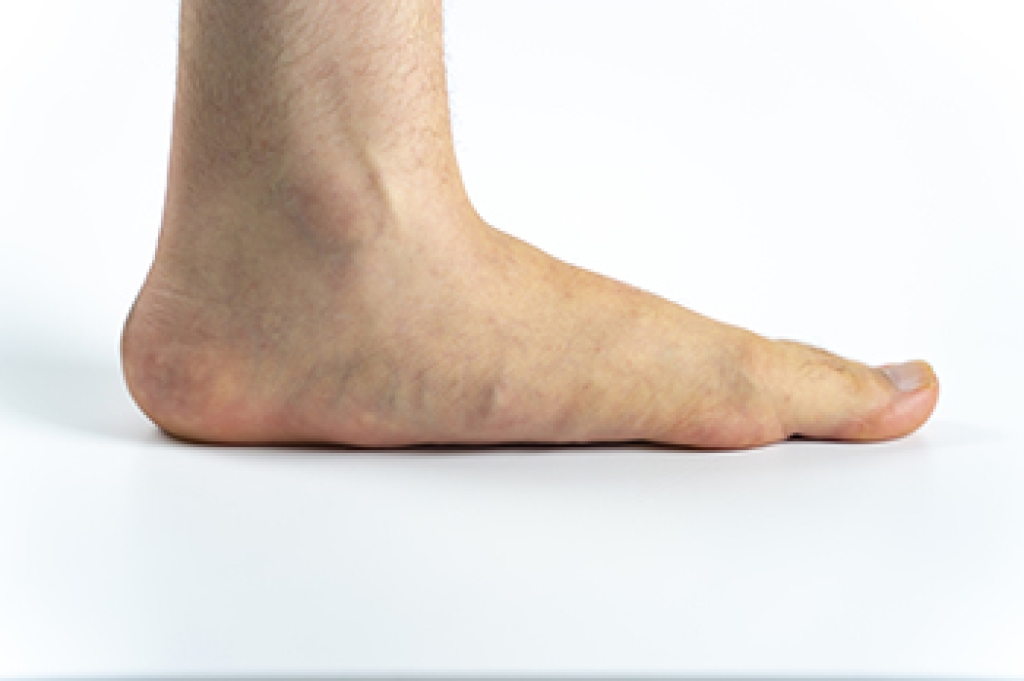
Do Flat Feet Hurt?

Flat feet can have various effects on people. Some patients will experience discomfort during everyday activities, and others wont have any pain. People who have flat feet have a low arch or none at all. Most babies are born with flat feet, and the arch generally develops during the teenage years. Flat feet fall into two categories. Patients with flexible flat feet will maintain an arch, but it disappears when the foot lies flat on the ground. With rigid flat feet, the arch is completely gone, with or without weight being exerted on the foot. Adults may be prone to developing flat feet if they have foot muscle weakness or ankle instability. There are stretches that can be performed to help reduce the achy sensation that sometimes accompanies flat feet. One example is standing on a step and lowering one heel at a time until a gentle stretch is felt. If you have flat feet, a podiatrist can provide you with additional stretches that can help to strengthen the foot and possibly diminish existing pain.

Flatfoot is a condition many people suffer from. If you have flat feet, contact Jeffrey Radack, DPM from Texas Regional Foot & Ankle Clinics. Our doctor will treat your foot and ankle needs.

What Are Flat Feet?

Flatfoot is a condition in which the arch of the foot is depressed and the sole of the foot is almost completely in contact with the ground. About 20-30% of the population generally has flat feet because their arches never formed during growth.

Conditions & Problems:

Having flat feet makes it difficult to run or walk because of the stress placed on the ankles.

Alignment – The general alignment of your legs can be disrupted, because the ankles move inward which can cause major discomfort.

Knees – If you have complications with your knees, flat feet can be a contributor to arthritis in that area.  

Symptoms

  • Pain around the heel or arch area
  • Trouble standing on the tip toe
  • Swelling around the inside of the ankle
  • Flat look to one or both feet
  • Having your shoes feel uneven when worn

Treatment

If you are experiencing pain and stress on the foot you may weaken the posterior tibial tendon, which runs around the inside of the ankle. 

If you have any questions, please feel free to contact our office located in McKinney and Coppell, TX . We offer the newest diagnostic and treatment technologies for all your foot care needs.
Read more about Flatfoot

Keep Your Feet Healthy So You Can Stay Active

Have your feet inspected by a professional before starting a new sport or physical activity. Taking charge of your foot health will keep you in good physical condition and can help you avoid a potential injury, such as a fracture or sprained ankle.

Prevent injuries and see a foot specialist.

Connect With Us