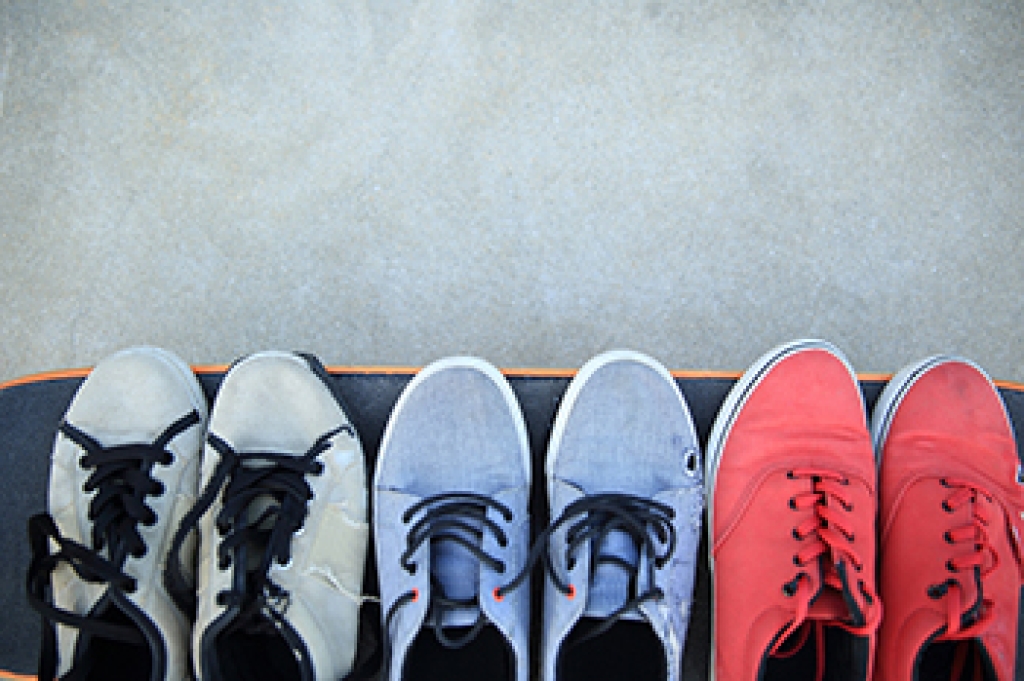
Purchasing Well-Fitting Shoes

Interestingly, research shows that 70% of us do not wear shoes that fit properly in terms of length or width. A key reason for this is that we think we know the size of our feet and we maintain that belief without getting our feet measured regularly. As we age, we lose elasticity in the ligaments and our feet change. The result of shoes that do not fit properly can be discomfort and pain from our feet up into the body. We must remember that our feet are the foundation of our bodies, and foot problems can impact knees, hips, the back and even the neck. While shopping online is quick and easy, going to a store later in the afternoon when the feet are at their largest to try on shoes is a better bet in purchasing shoes that fit well. Wear foot coverings that you would normally wear with the shoes that you are buying and bring orthotics or shoe inserts with you. When considering shoes, think about what you will be wearing them for, the surface you will be walking or running on while wearing them, and how long you will be on your feet. For more advice on purchasing shoes that are best for your feet, consult with a podiatrist who is an expert in this area.

Getting the right shoe size is an important part of proper foot health. Seek the assistance of Jeffrey Radack, DPM from Texas Regional Foot & Ankle Clinics. Our doctor will provide the care you need to keep you pain-free and on your feet.

Getting the Right Shoe Size

There are many people who wear shoes that are the incorrect size, negatively affecting their feet and posture. Selecting the right shoes is not a difficult process, so long as you keep several things in mind when it comes to choosing the right pair.

  • When visiting the shoe store, use the tools available to measure your foot.
  • Be sure there is ‘wiggle room’. There should be about an inch between your toes and the tip of your shoes.
  • Do not always assume you are the same size, as manufacturers run differently.
  • Purchase shoes later in the day, as your feet swell as the day progresses.
  • If a shoe is not comfortable, it is not suitable. Most shoes can’t be ‘broken in’, and comfort should be the ultimate goal when it comes to choosing the right pair of shoes

As our feet hold our body weight and keep us moving, it is important to treat them right. Picking the right pair of shoes can provide your feet comfort and mobility without pain.

If you have any questions, please feel free to contact our office located in McKinney and Coppell, TX . We offer the newest diagnostic and treatment technologies for all your foot care needs.

Read more about Getting the Right Shoe Size: To Keep Your Feet Happy

Foot and Ankle Injuries From Falling

The feet and ankles are commonly affected during falls. Frequent foot injuries caused by falls can include strains, sprained ankles, fractured bones, or even torn Achilles tendons. Because pressure is still applied to the foot, even when casted, it is challenging to fully immobilize the foot and ankle, making the healing process somewhat slow. Such injuries can alter one’s enjoyment and quality of life, and lead to chronic pain. If you have sustained a foot or ankle injury in a fall, contact a podiatrist who can correctly diagnose the problem and get you on the road to recovery as quickly as possible.

Preventing falls among the elderly is very important. If you are older and have fallen or fear that you are prone to falling, consult with Jeffrey Radack, DPM from Texas Regional Foot & Ankle Clinics. Our doctor will assess your condition and provide you with quality advice and care.

Every 11 seconds, an elderly American is being treated in an emergency room for a fall related injury. Falls are the leading cause of head and hip injuries for those 65 and older. Due to decreases in strength, balance, senses, and lack of awareness, elderly persons are very susceptible to falling. Thankfully, there are a number of things older persons can do to prevent falls.

How to Prevent Falls

Some effective methods that older persons can do to prevent falls include:

  • Enrolling in strength and balance exercise program to increase balance and strength
  • Periodically having your sight and hearing checked
  • Discuss any medications you have with a doctor to see if it increases the risk of falling
  • Clearing the house of falling hazards and installing devices like grab bars and railings
  • Utilizing a walker or cane
  • Wearing shoes that provide good support and cushioning
  • Talking to family members about falling and increasing awareness

Falling can be a traumatic and embarrassing experience for elderly persons; this can make them less willing to leave the house, and less willing to talk to someone about their fears of falling. Doing such things, however, will increase the likelihood of tripping or losing one’s balance. Knowing the causes of falling and how to prevent them is the best way to mitigate the risk of serious injury.  

If you have any questions, please feel free to contact our office located in McKinney and Coppell, TX . We offer the newest diagnostic and treatment technologies for all your foot care needs.

Read more about Falls Prevention

Towels and Athlete’s Foot

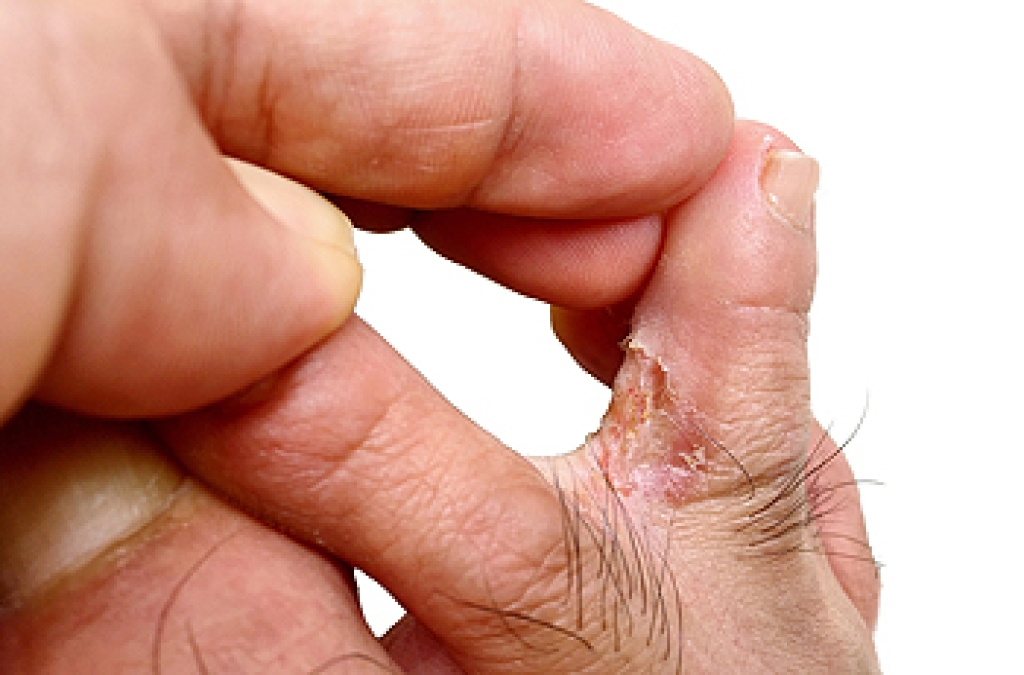
Athlete’s foot is primarily caused by a fungal infection. Athlete’s foot can produce a scaly rash of some kind, often producing itching sensations. Athlete’s foot can be spread in highly-trafficked public areas such as the sides of public pools and locker rooms. Importantly, however, athlete’s foot can be spread through using towels. If an individual with athlete’s foot uses a towel after taking a shower and then an uninfected person uses the towel, the second person will have a high risk of developing athlete’s foot. Therefore, if you live with someone, it might be a good idea to have separate towels for each individual to avoid this dilemma. It might also be useful to make a point of cleaning the towels every day. This can help ensure that the athlete’s foot is not being unnecessarily spread. Contact a podiatrist today for more information.  

Athlete’s foot is an inconvenient condition that can be easily reduced with the proper treatment. If you have any concerns about your feet and ankles, contact Jeffrey Radack, DPM from Texas Regional Foot & Ankle Clinics.  Our doctor will treat your foot and ankle needs.

Athlete’s Foot: The Sole Story

Athlete's foot, also known as tinea pedis, can be an extremely contagious foot infection. It is commonly contracted in public changing areas and bathrooms, dormitory style living quarters, around locker rooms and public swimming pools, or anywhere your feet often come into contact with other people.

Solutions to Combat Athlete’s Foot

  • Hydrate your feet by using lotion
  • Exfoliate
  • Buff off nails
  • Use of anti-fungal products
  • Examine your feet and visit your doctor if any suspicious blisters or cuts develop

Athlete’s foot can cause many irritating symptoms such as dry and flaking skin, itching, and redness. Some more severe symptoms can include bleeding and cracked skin, intense itching and burning, and even pain when walking. In the worst cases, Athlete’s foot can cause blistering as well. Speak to your podiatrist for a better understanding of the different causes of Athlete’s foot, as well as help in determining which treatment options are best for you.

If you have any questions please feel free to contact our office located in McKinney and Coppell, TX . We offer the newest diagnostic and treatment technologies for all your foot and ankle needs.

Read more about How to Deal with Athlete's Foot

Heel Pain Can Be Treated!

Do you suffer from heel pain when you get up in the morning? If so, you should seek professional help and have a proper diagnosis performed. Heel pain can be caused by several different foot-related conditions.

What Can Cause a Plantar Fibroma?

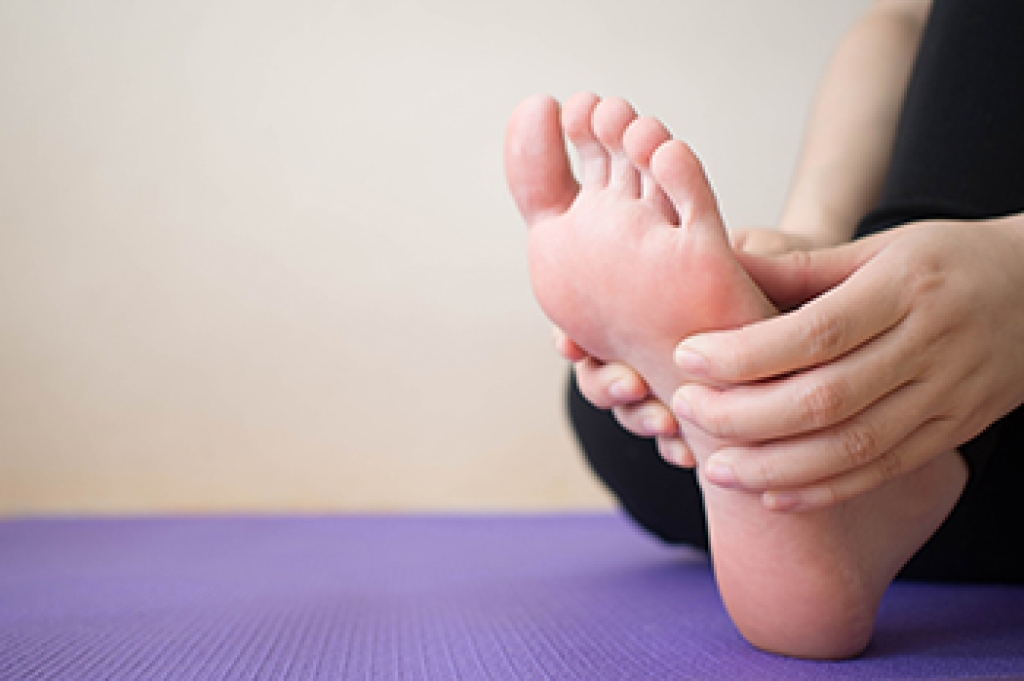
The plantar fascia is located on the sole of the foot and it connects the toes to the heels. Some patients may experience a growth that develops inside the plantar fascia, which is often benign. This is referred to as a plantar fibroma that might cause pain while walking and running. It is noticeable by the lump that forms on the bottom of the foot, generally in the center of the arch. The majority of experts agree it occurs due to genetic reasons or medical conditions like epilepsy, diabetes, and alcoholism. Other people can argue a plantar fibroma may develop after an injury occurs to the plantar fascia and the lump may be a natural reaction to the stress from the trauma. Mild relief may be found when the shoes that are worn have extra cushioning, or it may be beneficial to wear custom-made orthotics. If you have developed this condition it is advised that you are under the care of a podiatrist who can provide the treatment options that are correct for you.

A plantar fibroma may disrupt your daily activities. If you have any concerns, contact Jeffrey Radack, DPM of Texas Regional Foot & Ankle Clinics. Our doctor can provide the care you need to keep you pain-free and on your feet.

Plantar Fibroma

A plantar fibroma is a fibrous knot in the arch of the foot. It is embedded in the plantar fascia which is a band of tissue that extends from the heel to the toes along the bottom of the foot. There can be multiple plantar fibromas in the feet at the same time. There are no known causes for this condition. If you have a plantar fibroma, there will be a bump in the arch of your foot that cannot be missed. Any associated pain is most often due to a shoe rubbing against the nodule. Non-surgical options, such as steroid injections, physical therapy, and orthotics should be tried first. Surgery is a last resort and is the only thing that will remove a plantar fibroma entirely. Consult with a podiatrist for a proper diagnosis and to determine the treatment regimen that is right for you.

What Causes a Plantar Fibroma?

While there are no specific causes identified, a plantar fibroma can possibly come from genetic predisposition or the formation of scar tissue that forms from healing the tears in the plantar fascia.

What Are the Symptoms of a Plantar Fibroma?

There will be a noticeable lump in the arch of the foot that may or may not cause pain. If pain is felt, it is typically because a shoe is rubbing up against the lump or when walking or standing barefoot.

Treatment and Prevention

A plantar fibroma will not disappear without treatment, but it can get smaller and be a non-issue. If pain persists, a podiatrist examines the foot and when the arch of the foot is pressed, pain can be felt down to the toes. An MRI or biopsy might be performed to help diagnose or evaluate the plantar fibroma. The following non-surgical options are generally enough to reduce the size and pain of these nodules:

  • Steroid injections
  • Orthotics
  • Physical therapy to help apply anti-inflammatory creams on the bump 

Surgery is considered if the mass increases in size and the patient continues to feel pain after non-surgical methods are tried.

If you have any questions, please feel free to contact our office located in McKinney and Coppell, TX . We offer the newest diagnostic and treatment technologies for all your foot care needs.
Read more about Plantar Fibroma

Connect With Us