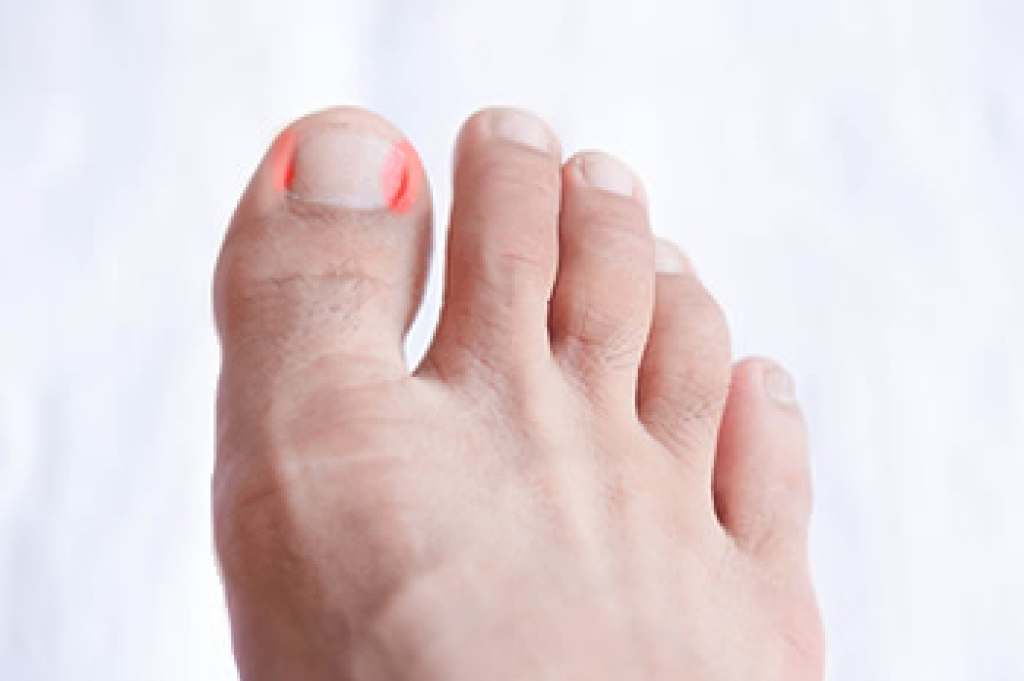
Children, Toe Pain, and Ingrown Toenails

Parents who notice the skin surrounding their children's nails are red and tender may be aware that an ingrown toenail has developed. It is defined as a toenail that grows into the surrounding skin. It often happens as a result of toenails that are trimmed incorrectly, or from wearing shoes that do not fit properly. Additionally, children who participate in soccer activities can develop ingrown toenails from frequently kicking the ball. There could be considerable pain with an ingrown toenail, in addition to possible blisters. Parents can help their child find mild relief when the foot is soaked in warm water, and the nail is gently pushed away from the skin. If an infection develops, it is strongly advised that you speak with a podiatrist who can offer you the best treatment options for your child.

Ingrown toenails may initially present themselves as a minor discomfort, but they may progress into an infection in the skin without proper treatment. For more information about ingrown toenails, contact Jeffrey Radack, DPM of Texas Regional Foot & Ankle Clinics. Our doctor can provide the care you need to keep you pain-free and on your feet.

Ingrown Toenails

Ingrown toenails are caused when the corner or side of a toenail grows into the soft flesh surrounding it. They often result in redness, swelling, pain, and in some cases, infection. This condition typically affects the big toe and may recur if it is not treated properly.

Causes

  • Improper toenail trimming
  • Genetics
  • Improper shoe fitting
  • Injury from pedicures or nail picking
  • Abnormal gait
  • Poor hygiene

You are more likely to develop an ingrown toenail if you are obese, have diabetes, arthritis, or have any fungal infection in your nails. Additionally, people who have foot or toe deformities are at a higher risk of developing an ingrown toenail.

Symptoms

Some symptoms of ingrown toenails are redness, swelling, and pain. In rare cases, there may be a yellowish drainage coming from the nail.

Treatment

Ignoring an ingrown toenail can have serious complications. Infections of the nail border can progress to a deeper soft-tissue infection, which can then turn into a bone infection. You should always speak with your podiatrist if you suspect you have an ingrown toenail, especially if you have diabetes or poor circulation.

If you have any questions, please feel free to contact our office located in McKinney and Coppell, TX . We offer the newest diagnostic and treatment technologies for all your foot care needs.


Read more about Ingrown Toenail Care

Let the Expert Treat Your Ingrown Toenails

Ingrown toenails can be painful and can make wearing shoes or walking uncomfortable. Seek professional help if you believe you've developed an ingrown toenail and be treated safely. 

Barefoot Babies: Pros

Newborns' feet are mostly fatty tissue that progresses into bone as the aging process occurs. Most babies are born with flat feet, and the arch generally develops during the school years. Research has shown it is beneficial for young children to walk barefoot, as this may help to strengthen the overall foot. Additionally, walking barefoot may help to toughen the soles of the feet. Studies have shown parents may have to guide their children to walk on different surfaces, including dirt, gravel, sand, and carpet. If you would like more information about why your child can benefit from walking barefoot, please consult with a podiatrist.

Making sure that your children maintain good foot health is very important as they grow. If you have any questions, contact Jeffrey Radack, DPM of Texas Regional Foot & Ankle Clinics. Our doctor can provide the care you need to keep you pain-free and on your feet.

Keeping Children's Feet Healthy

Having healthy feet during childhood can help prevent medical problems later in life, namely in the back and legs. As children grow, their feet require different types of care. Here are some things to consider...

Although babies do not walk yet, it is still very important to take care of their feet.

Avoid putting tight shoes or socks on his or her feet.

Allow the baby to stretch and kick his or her feet to feel comfortable.

As a toddler, kids are now on the move and begin to develop differently. At this age, toddlers are getting a feel for walking, so don’t be alarmed if your toddler is unsteady or ‘walks funny’. 

As your child gets older, it is important to teach them how to take care of their feet.

Show them proper hygiene to prevent infections such as fungus.

Be watchful for any pain or injury.

Have all injuries checked by a doctor as soon as possible.

Comfortable, protective shoes should always be worn, especially at play.

If you have any questions, please feel free to contact our office located in McKinney and Coppell, TX . We offer the newest diagnostic and treatment technologies for all your foot care needs.
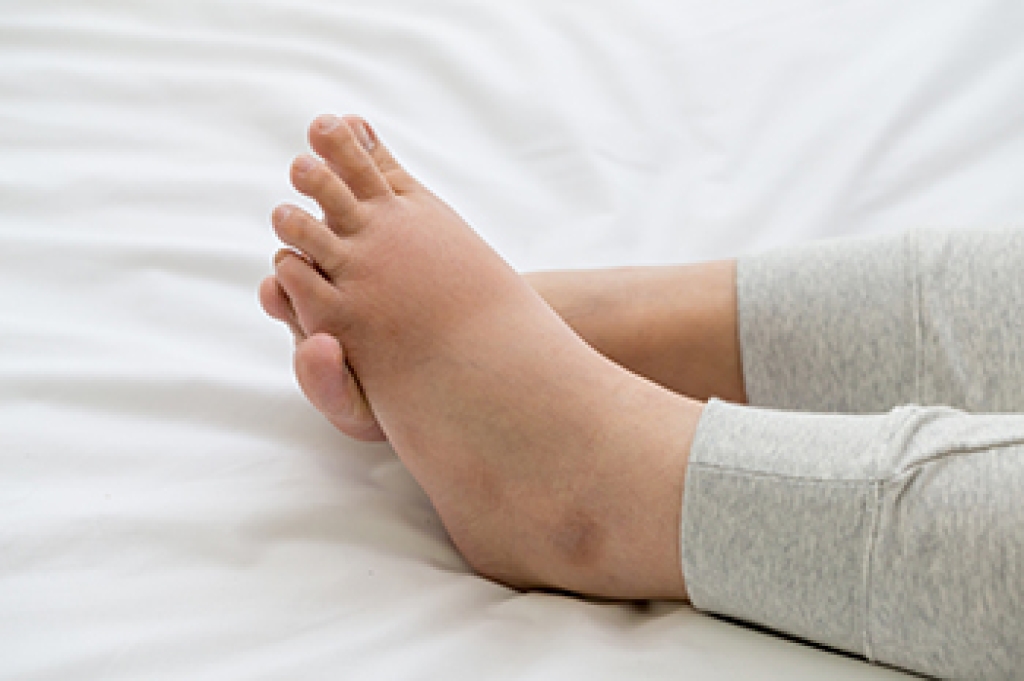
Read more about What to Do to Keep Your Child’s Feet Healthy

What Can I Do About Swelling in My Feet and Ankles?

Swelling in the feet and ankles (edema) is caused by fluid that builds up in these areas. It is often the result of standing or walking for too long, having too much salt in your diet, being overweight, or being pregnant. Several medications, such as steroids, blood pressure meds, contraceptives, and antidepressants, may also cause swelling in the extremities. Other causes include blood clots, kidney or liver problems, bee sting or insect bite, or infection.  Symptoms of edema are shiny, red, or stretched skin and puffy feet, ankles, and lower legs. Ways to reduce the swelling include keeping your foot elevated when sitting or lying down, doing simple exercises to encourage blood flow, and wearing wide, comfortable shoes with a low heel and soft sole. If you have frequent bouts of edema, or if the swelling does not recede after a few days, it’s a good idea to check in with a podiatrist for an examination and recommended treatment options.

Everyday foot care is very important to prevent infection and other foot ailments. If you need your feet checked, contact Jeffrey Radack, DPM from Texas Regional Foot & Ankle Clinics. Our doctor can provide the care you need to keep you pain-free and on your feet.

Everyday Foot Care

Often, people take care of their bodies, face and hair more so than they do for their feet. But the feet are a very important aspect of our bodies, and one that we should pay more attention to. Without our feet, we would not be able to perform most daily tasks.

It is best to check your feet regularly to make sure there are no new bruises or cuts that you may not have noticed before. For dry feet, moisturizer can easily be a remedy and can be applied as often as necessary to the affected areas. Wearing shoes that fit well can also help you maintain good foot health, as well as making it easier to walk and do daily activities without the stress or pain of ill-fitting shoes, high heels, or even flip flops. Wearing clean socks with closed shoes is important to ensure that sweat and bacteria do not accumulate within the shoe. Clean socks help to prevent Athlete’s foot, fungi problems, bad odors, and can absorb sweat.

If you have any questions, please feel free to contact our office located in McKinney and Coppell, TX . We offer the newest diagnostic and treatment technologies for all your foot care needs.
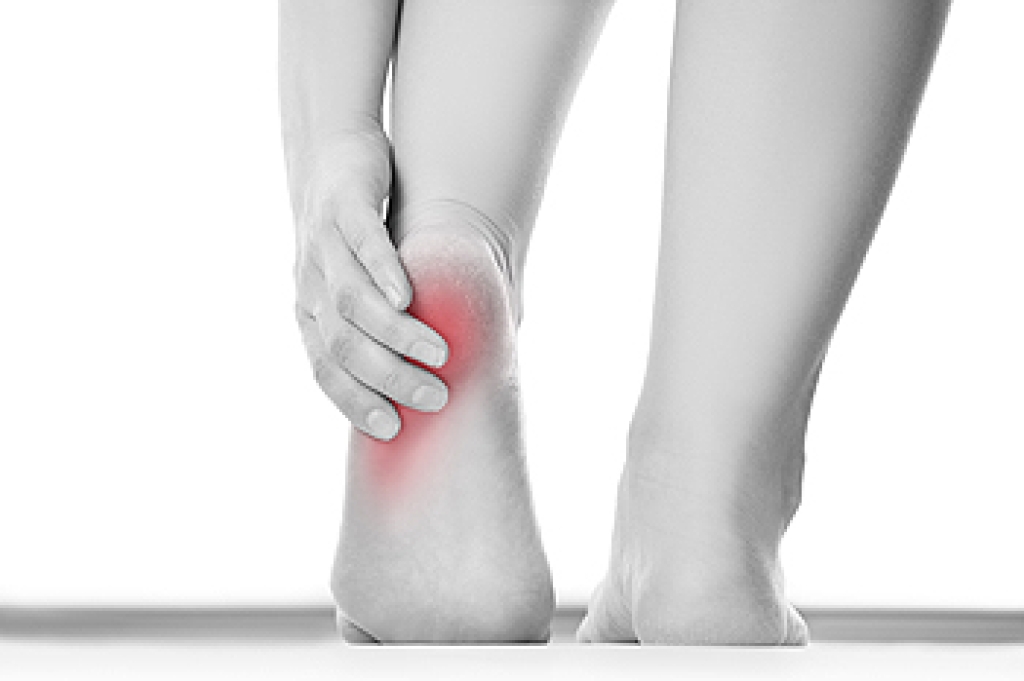
Read more about Every Day Foot Care

What Might Be Causing Your Heel Pain

Heel pain—and pain at the back of the feet—in older adults can typically be caused by plantar fasciitis, Achilles tendon injuries, or various types of bursitis. Plantar fasciitis causes pain and stiffness at the bottom of heel, when the plantar fascia tissue that attaches there becomes damaged/torn and inflamed. It can typically be treated by night splinting to keep the plantar fascia in a neutral position, custom orthotics, corticosteroid injections, physical therapy, shockwave therapy, and more. Bursitis is an inflammation of one of the bursas in the feet. Bursas are sacs filled with fluid that provide cushioning between bones and tendons and help reduce friction between bones. Bursitis in the feet can occur either where the plantar fascia or the Achilles tendon attaches to the heel bone, or in response to pressure from shoes at the back of the foot. These conditions can often be treated with footwear modifications, heel pads, gel wraps, orthotics and padding, corticosteroid injections, physical therapy, night splints, non-steroidal anti-inflammatory drugs, cold or warm compresses and more. If you have any type of pain in your heel, call a podiatrist. They are experts at diagnosing and treating all forms of heel pain.

Many people suffer from bouts of heel pain. For more information, contact Jeffrey Radack, DPM of Texas Regional Foot & Ankle Clinics. Our doctor can provide the care you need to keep you pain-free and on your feet.

Causes of Heel Pain

Heel pain is often associated with plantar fasciitis. The plantar fascia is a band of tissues that extends along the bottom of the foot. A rip or tear in this ligament can cause inflammation of the tissue.

Achilles tendonitis is another cause of heel pain. Inflammation of the Achilles tendon will cause pain from fractures and muscle tearing. Lack of flexibility is also another symptom.

Heel spurs are another cause of pain. When the tissues of the plantar fascia undergo a great deal of stress, it can lead to ligament separation from the heel bone, causing heel spurs.

Why Might Heel Pain Occur?

  • Wearing ill-fitting shoes                
  • Wearing non-supportive shoes
  • Weight change           
  • Excessive running

Treatments

Heel pain should be treated as soon as possible for immediate results. Keeping your feet in a stress-free environment will help. If you suffer from Achilles tendonitis or plantar fasciitis, applying ice will reduce the swelling. Stretching before an exercise like running will help the muscles. Using all these tips will help make heel pain a condition of the past.

If you have any questions, please feel free to contact our office located in McKinney and Coppell, TX . We offer the newest diagnostic and treatment technologies for all your foot care needs.
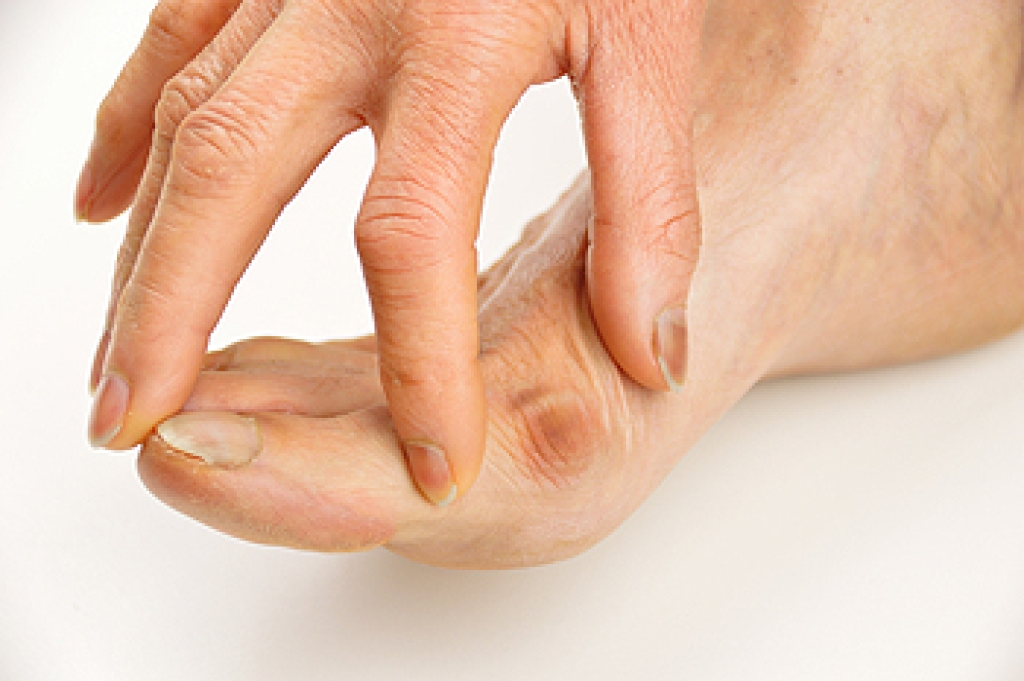
Read more about Heel Pain

Permanent Removal May Be Necessary for Bunions

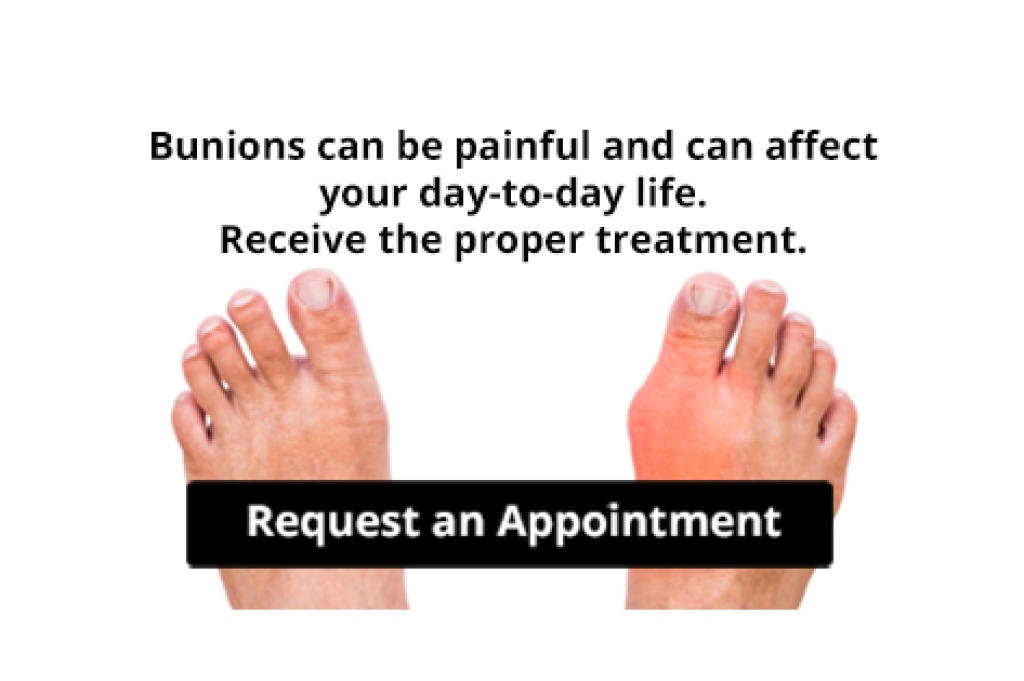
A bunion is defined as a bony lump on the side of the big toe. It can come from genetic factors, wearing shoes that do not fit correctly, or possibly from enduring a toe injury. As the bunion grows, it can push the big toe closer to the second toe, and larger footwear often needs to be worn. Some patients experience pain and discomfort, and the bunion and surrounding areas can become tender, red, and inflamed. It can be difficult to complete daily activities, and it may impact the ability to exercise. It can help to maintain the correct weight to keep unnecessary pressure off of the foot. If the bunion is severe, surgery may be necessary for permanent removal, and this is referred to as a bunionectomy. If you think you may have a bunion, it is strongly suggested that you visit a podiatrist who can help you to find relief.

If you are suffering from bunion pain, contact Jeffrey Radack, DPM of Texas Regional Foot & Ankle Clinics. Our doctor can provide the care you need to keep you pain-free and on your feet.

What Is a Bunion?

Bunions are painful bony bumps that usually develop on the inside of the foot at the joint of the big toe. As the deformity increases over time, it may become painful to walk and wear shoes. Women are more likely to exacerbate existing bunions since they often wear tight, narrow shoes that shift their toes together. Bunion pain can be relieved by wearing wider shoes with enough room for the toes.

Causes

  • Genetics – some people inherit feet that are more prone to bunion development
  • Inflammatory Conditions - rheumatoid arthritis and polio may cause bunion development

Symptoms

  • Redness and inflammation
  • Pain and tenderness
  • Callus or corns on the bump
  • Restricted motion in the big toe

In order to diagnose your bunion, your podiatrist may ask about your medical history, symptoms, and general health. Your doctor might also order an x-ray to take a closer look at your feet. Nonsurgical treatment options include orthotics, padding, icing, changes in footwear, and medication. If nonsurgical treatments don’t alleviate your bunion pain, surgery may be necessary.

If you have any questions, please feel free to contact our office located in McKinney and Coppell, TX . We offer the newest diagnostic and treatment technologies for all your foot care needs.
Read more about Bunions

Are Bunions Affecting Your Everyday Life?

Have you noticed a bony protrusion on the side of your big toe? If so, you may have developed the foot condition known as a bunion. Don't let bunions interfere with your daily activities.

The Danger of Diabetic Foot Ulcers

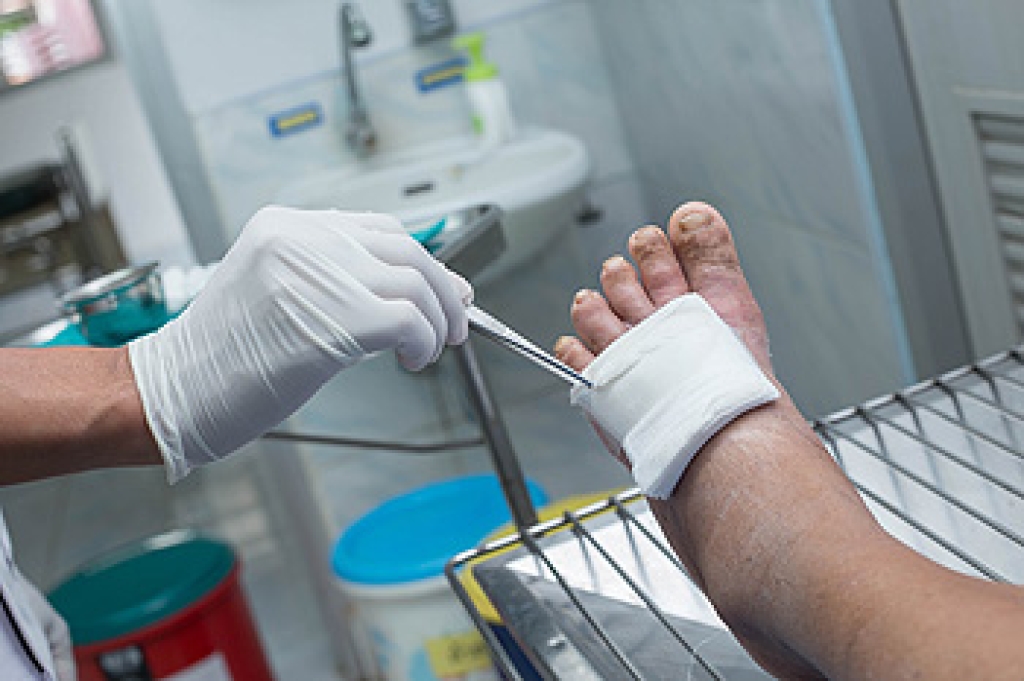
Some diabetic patients, roughly 15 percent, develop what is known as foot ulcers. The main cause is that their feet become numb, and they may not notice sores or open wounds on the bottom of their feet. When these sores fail to heal properly or become infected, they can lead to severe consequences, including amputation. Risk factors include smoking, insulin dependence, weight problems, ill-fitting footwear, high cholesterol and poor hygiene. Symptoms of diabetic foot ulcers are discoloration of toes and toenails, pain and redness, blisters, sores, calluses, pus or fluid discharge, and foul odor emanating from the feet. If diabetic foot ulcers have developed on your feet, it is suggested that you make an appointment with a podiatrist as soon as possible for an examination and ongoing treatment plan.

Diabetic foot care is important in preventing foot ailments such as ulcers. If you are suffering from diabetes or have any other concerns about your feet, contact Jeffrey Radack, DPM from Texas Regional Foot & Ankle Clinics. Our doctor can provide the care you need to keep you pain-free and on your feet.

Diabetic Foot Care

Diabetes affects millions of people every year. The condition can damage blood vessels in many parts of the body, especially the feet. Because of this, taking care of your feet is essential if you have diabetes, and having a podiatrist help monitor your foot health is highly recommended.

The Importance of Caring for Your Feet

  • Routinely inspect your feet for bruises or sores.
  • Wear socks that fit your feet comfortably.
  • Wear comfortable shoes that provide adequate support.

Patients with diabetes should have their doctor monitor their blood levels, as blood sugar levels play such a huge role in diabetic care. Monitoring these levels on a regular basis is highly advised.

It is always best to inform your healthcare professional of any concerns you may have regarding your feet, especially for diabetic patients. Early treatment and routine foot examinations are keys to maintaining proper health, especially because severe complications can arise if proper treatment is not applied.

If you have any questions, please feel free to contact our office located in McKinney and Coppell, TX . We offer the newest diagnostic and treatment technologies for all your foot care needs.
Read more about How to Care for Diabetic Foot

What to Know About Broken Toes 

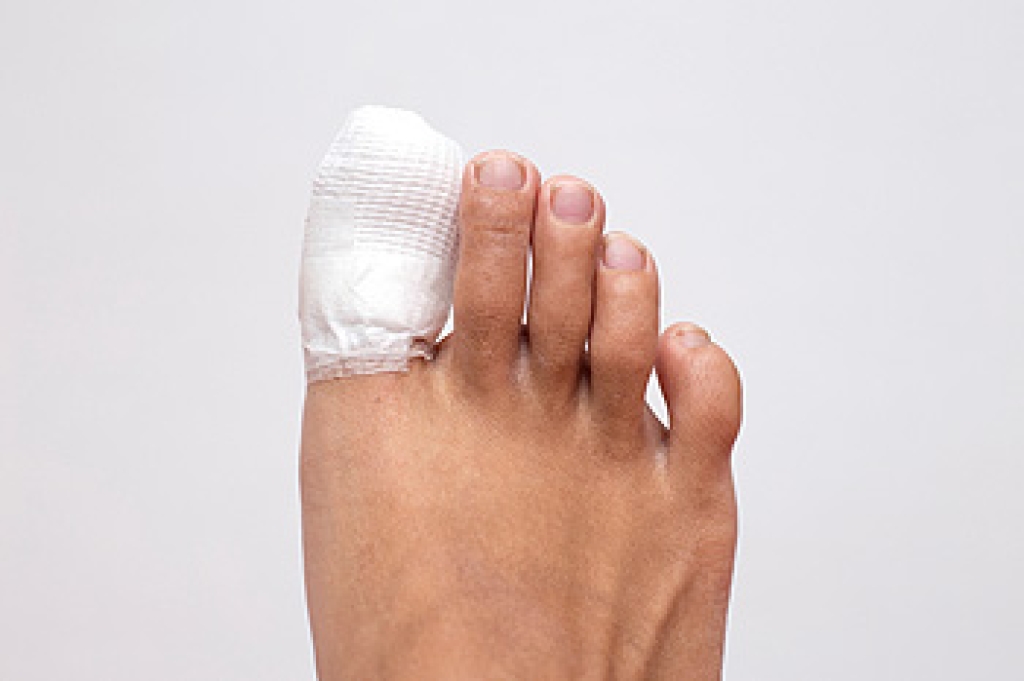
If you have broken your toe, you may not realize it, since sprained and strained toes can sometimes produce similar symptoms. If your toe is broken, it may bleed, and a bruise may form on the skin or under the toenail. Swelling will typically be present, and in severe cases, your toe may become misshapen, if the bone has become displaced or the toe joint has also been broken. If the big toe joint has fractured, you will most likely have difficulty walking. You can break toes by stubbing them severely, dropping a heavy object on them, or they may become broken as part of a bigger injury. Broken toes can take several weeks to heal if they are cared for appropriately. If you believe you may have broken your toe, it's wise to consult with a podiatrist. This is particularly important for people with diabetes, peripheral arterial disease, and heart failure, all of which can make it more difficult for broken toes to heal.

A broken toe can be very painful and lead to complications if not properly fixed. If you have any concerns about your feet, contact Jeffrey Radack, DPM from Texas Regional Foot & Ankle Clinics. Our doctor will treat your foot and ankle needs.

What to Know About a Broken Toe

Although most people try to avoid foot trauma such as banging, stubbing, or dropping heavy objects on their feet, the unfortunate fact is that it is a common occurrence. Given the fact that toes are positioned in front of the feet, they typically sustain the brunt of such trauma. When trauma occurs to a toe, the result can be a painful break (fracture).

Symptoms of a Broken Toe

  • Throbbing pain
  • Swelling
  • Bruising on the skin and toenail
  • The inability to move the toe
  • Toe appears crooked or disfigured
  • Tingling or numbness in the toe

Generally, it is best to stay off of the injured toe with the affected foot elevated.

Severe toe fractures may be treated with a splint, cast, and in some cases, minor surgery. Due to its position and the pressure it endures with daily activity, future complications can occur if the big toe is not properly treated.

If you have any questions, please feel free to contact our office located in McKinney and Coppell, TX . We offer the newest diagnostic and treatment technologies for all your foot care needs.
Read more about What to Know About a Broken Toe

Why Do I Have Nighttime Pain In My Feet?

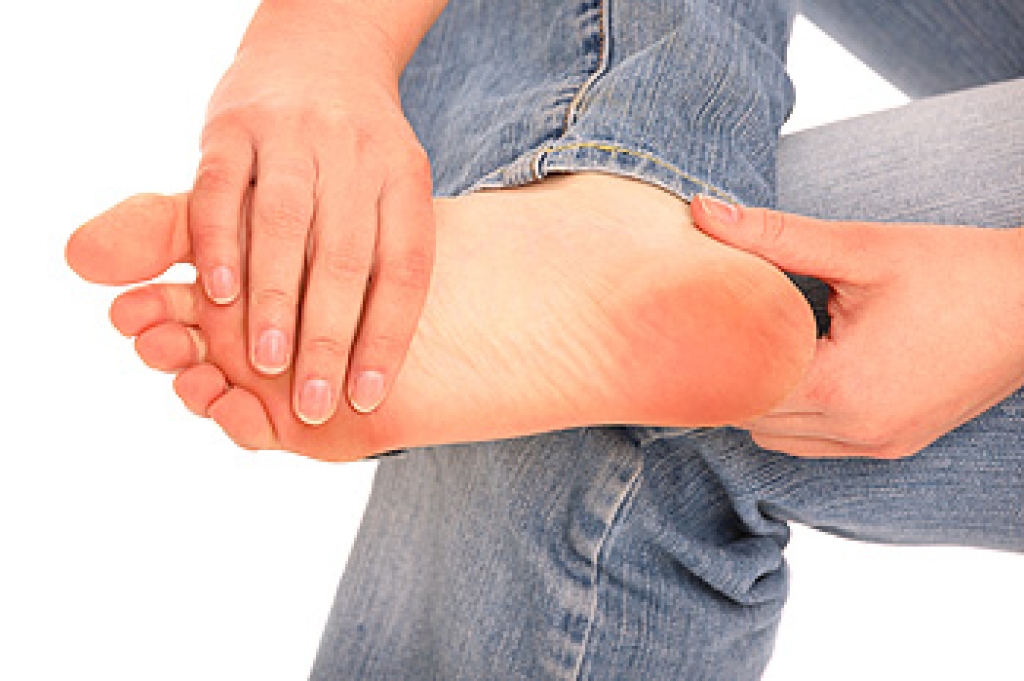
There are several conditions that cause foot pain that worsens in the evening or interrupts sleep. Fibromyalgia is a chronic condition causing musculoskeletal pain, burning, tenderness, and tightness which often occurs in the feet. These symptoms can be worse in the evening due to decreased levels of cortisol. Tarsal tunnel syndrome is a condition where the tibial nerve in your ankle becomes compressed, causing pain, numbness, tingling, or a pins and needles sensation in your feet that may flare up at night. Bony bunions that get irritated rubbing against shoes during the day are often sore at night and throb. Peripheral neuropathy (damage to nerves outside of the central nervous system) can cause painful sensations such as tingling, burning or sharp pains, which tend to intensify due to cooler nighttime temperatures. If you are experiencing any type of nighttime pain or discomfort in your feet or ankles, it is suggested that you get your condition diagnosed and treated by a podiatrist.


Foot Pain

Foot pain can be extremely painful and debilitating. If you have a foot pain, consult with Jeffrey Radack, DPM from Texas Regional Foot & Ankle Clinics. Our doctor will assess your condition and provide you with quality foot and ankle treatment.

Causes

Foot pain is a very broad condition that could be caused by one or more ailments. The most common include:

  • Bunions
  • Hammertoes
  • Plantar Fasciitis
  • Bone Spurs
  • Corns
  • Tarsal Tunnel Syndrome
  • Ingrown Toenails
  • Arthritis (such as Gout, Rheumatoid, and Osteoarthritis)
  • Flat Feet
  • Injury (from stress fractures, broken toe, foot, ankle, Achilles tendon ruptures, and sprains)
  • And more

Diagnosis

To figure out the cause of foot pain, podiatrists utilize several different methods. This can range from simple visual inspections and sensation tests to X-rays and MRI scans. Prior medical history, family medical history, and any recent physical traumatic events will all be taken into consideration for a proper diagnosis.

Treatment

Treatment depends upon the cause of the foot pain. Whether it is resting, staying off the foot, or having surgery; podiatrists have a number of treatment options available for foot pain.

If you have any questions, please feel free to contact our office located in McKinney and Coppell, TX . We offer the newest diagnostic and treatment technologies for all your foot care needs.
Read more about Foot Pain

Connect With Us