
How Are Corns Removed?

Corns are small, hardened bumps of skin that can grow on the feet due to friction. Even though they are small, corns can be tender and painful enough to interfere with daily activities. In addition to more conservative treatments like resting the affected foot and wearing wider, more comfortable shoes, various other treatment methods can be used to help get rid of a corn. Corns can be chemically removed using salicylic acid to pare down dead, thickened skin before it is trimmed off. More stubborn corns can also be removed with a scalpel by your podiatrist. If you have painful corns, it is suggested that you seek the care of a podiatrist near you. 

Corns can make walking very painful and should be treated immediately. If you have questions regarding your feet and ankles, contact Jeffrey Radack, DPM of Texas Regional Foot & Ankle Clinics. Our doctor will treat your foot and ankle needs.

Corns: What Are They? And How Do You Get Rid of Them?
Corns are thickened areas on the skin that can become painful. They are caused by excessive pressure and friction on the skin. Corns press into the deeper layers of the skin and are usually round in shape.

Ways to Prevent Corns
There are many ways to get rid of painful corns such as:

  • Wearing properly fitting shoes that have been measured by a professional
  • Wearing shoes that are not sharply pointed or have high heels
  • Wearing only shoes that offer support

Treating Corns

Although most corns slowly disappear when the friction or pressure stops, this isn’t always the case. Consult with your podiatrist to determine the best treatment option for your case of corns.

If you have any questions, please feel free to contact our office located in McKinney and Coppell, TX . We offer the newest diagnostic and treatment technologies for all your foot care needs.
Read more about Understanding Corns and Calluses

Understanding and Diagnosing Vascular Disease

Vascular diseases affect the circulatory system and can involve blood disorders or abnormalities in the arteries, veins, or lymph vessels. Peripheral Artery Disease (PAD) is a type of vascular disease which causes a narrowing or blockage in the arteries that prevents their capacity to carry oxygen-rich blood away from the heart to the legs and feet. PAD can cause leg pain when walking (claudication), numbness, tingling, coldness, or an inability for wounds to heal in the legs or feet. Left untreated, PAD may also be a precursor to life-threatening issues such as a heart attack or stroke. If you are experiencing any of these symptoms in your legs or feet, schedule an appointment with a podiatrist who can help diagnose and treat PAD. They will perform a physical examination and may even suggest that tests be performed to help assess the presence and severity of vascular disease, such as a Computed Tomography Angiography (CTA) and Magnetic Resonance Angiography (MRA). CTA uses a type of X-ray scan, while MRA uses radio wave technology. Both tests produce 3D imaging and typically involve inserting a contrasting material (dye) in the blood vessels which makes them easier to visualize.

Vascular testing plays an important part in diagnosing disease like peripheral artery disease. If you have symptoms of peripheral artery disease, or diabetes, consult with Jeffrey Radack, DPM from Texas Regional Foot & Ankle Clinics. Our doctor will assess your condition and provide you with quality foot and ankle treatment.

What Is Vascular Testing?

Vascular testing checks for how well blood circulation is in the veins and arteries. This is most often done to determine and treat a patient for peripheral artery disease (PAD), stroke, and aneurysms. Podiatrists utilize vascular testing when a patient has symptoms of PAD or if they believe they might. If a patient has diabetes, a podiatrist may determine a vascular test to be prudent to check for poor blood circulation.

How Is it Conducted?

Most forms of vascular testing are non-invasive. Podiatrists will first conduct a visual inspection for any wounds, discoloration, and any abnormal signs prior to a vascular test.

 The most common tests include:

  • Ankle-Brachial Index (ABI) examination
  • Doppler examination
  • Pedal pulses

These tests are safe, painless, and easy to do. Once finished, the podiatrist can then provide a diagnosis and the best course for treatment.

If you have any questions please contact our office located in McKinney and Coppell, TX . We offer the newest diagnostic and treatment technologies for all your foot and ankle needs.

Read more about Vascular Testing in Podiatry

Possible Causes for Pain on the Outside of Your Foot

Pain on the outer, or lateral, side of your foot can occur due to a variety of reasons. You may have had a foot or ankle condition, like an ankle sprain, that was not treated or did not properly heal. Your cuboid bone, the most lateral bone in the midfoot, may have become partially dislocated due to excess tension or weight placed upon it. You may be compensating for a bunion on the inside of your foot by placing most of your weight on lateral side. The peroneal tendons, which run from the back of your calf to the lateral side of your foot, may be inflamed or swollen—a condition known as peroneal tendonitis. Other possible causes for lateral pain in your foot include stress fractures, arthritis, or even tarsal coalition—a rare congenital condition where bones located near the back of the foot are not connected properly. Consult with a podiatrist who can discover the underlying cause of your lateral foot pain and treat it accordingly.

Foot Pain

Foot pain can be extremely painful and debilitating. If you have a foot pain, consult with Jeffrey Radack, DPM from Texas Regional Foot & Ankle Clinics. Our doctor will assess your condition and provide you with quality foot and ankle treatment.

Causes

Foot pain is a very broad condition that could be caused by one or more ailments. The most common include:

  • Bunions
  • Hammertoes
  • Plantar Fasciitis
  • Bone Spurs
  • Corns
  • Tarsal Tunnel Syndrome
  • Ingrown Toenails
  • Arthritis (such as Gout, Rheumatoid, and Osteoarthritis)
  • Flat Feet
  • Injury (from stress fractures, broken toe, foot, ankle, Achilles tendon ruptures, and sprains)
  • And more

Diagnosis

To figure out the cause of foot pain, podiatrists utilize several different methods. This can range from simple visual inspections and sensation tests to X-rays and MRI scans. Prior medical history, family medical history, and any recent physical traumatic events will all be taken into consideration for a proper diagnosis.

Treatment

Treatment depends upon the cause of the foot pain. Whether it is resting, staying off the foot, or having surgery; podiatrists have a number of treatment options available for foot pain.

If you have any questions, please feel free to contact our office located in McKinney and Coppell, TX . We offer the newest diagnostic and treatment technologies for all your foot care needs.

Read more about Foot Pain

How Contagious Is Athlete’s Foot?

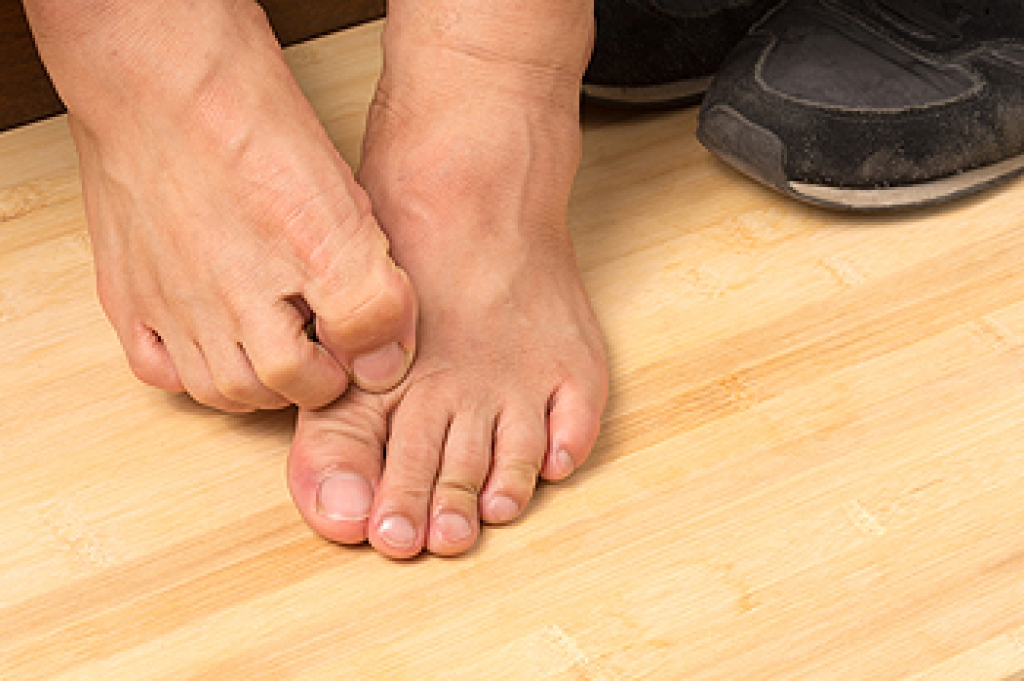
Athlete’s foot is a fungal infection of the skin on the feet. It is characterized by an itchy, red rash and dry, peeling skin on the feet. Athlete’s foot is highly contagious. Many people catch it by walking barefoot in public areas such as swimming pools, locker rooms, and showers. These environments are warm and moist making them the perfect breeding ground for fungi. You can also catch this fungal infection by sharing personal items like towels, socks, or shoes with an infected individual. Athlete’s foot can spread from your feet to other parts of the body as well, so it is best to treat the infection as soon as possible. If you have symptoms of athlete’s foot, please seek the care of a podiatrist.  

Athlete’s Foot

Athlete’s foot is often an uncomfortable condition to experience. Thankfully, podiatrists specialize in treating athlete’s foot and offer the best treatment options. If you have any questions about athlete’s foot, consult with Jeffrey Radack, DPM from Texas Regional Foot & Ankle Clinics. Our doctor will assess your condition and provide you with quality treatment.

What Is Athlete’s Foot?

Tinea pedis, more commonly known as athlete’s foot, is a non-serious and common fungal infection of the foot. Athlete’s foot is contagious and can be contracted by touching someone who has it or infected surfaces. The most common places contaminated by it are public showers, locker rooms, and swimming pools. Once contracted, it grows on feet that are left inside moist, dark, and warm shoes and socks.

Prevention

The most effective ways to prevent athlete’s foot include:

  • Thoroughly washing and drying feet
  • Avoid going barefoot in locker rooms and public showers
  • Using shower shoes in public showers
  • Wearing socks that allow the feet to breathe
  • Changing socks and shoes frequently if you sweat a lot

Symptoms

Athlete’s foot initially occurs as a rash between the toes. However, if left undiagnosed, it can spread to the sides and bottom of the feet, toenails, and if touched by hand, the hands themselves. Symptoms include:

  • Redness
  • Burning
  • Itching
  • Scaly and peeling skin

Diagnosis and Treatment

Diagnosis is quick and easy. Skin samples will be taken and either viewed under a microscope or sent to a lab for testing. Sometimes, a podiatrist can diagnose it based on simply looking at it. Once confirmed, treatment options include oral and topical antifungal medications.

If you have any questions, please feel free to contact our office located in McKinney and Coppell, TX . We offer the newest diagnostic and treatment technologies for all your foot care needs.
Read more about Athlete's Foot

Connect With Us