
Suffering from this type of pain? You may have the foot condition known as Morton's neuroma. Morton's neuroma may develop as a result of ill-fitting footwear and existing foot deformities. We can help.
Suffering from this type of pain? You may have the foot condition known as Morton's neuroma. Morton's neuroma may develop as a result of ill-fitting footwear and existing foot deformities. We can help.

Toe joint pain often affects the big toe, which absorbs much of the body’s weight when walking. This discomfort can stem from a variety of causes. Gout is one of the most common, resulting from a buildup of uric acid crystals in the joint that leads to sudden pain. Structural problems like hammertoes, mallet toes, and claw toes can also strain toe joints, causing inflammation and stiffness over time. A bunion, which forms when the big toe pushes inward toward the others, creates pressure and misalignment that may result in toe joint pain. A form of arthritis in the big toe, called hallux rigidus, leads to stiffness and difficulty in bending the joint. Toe joint pain may also result from turf toe, which involves stretched ligaments due to the toe bending too far back. If you are experiencing pain in toe joints, it is suggested that you schedule an appointment with a podiatrist for an exam, diagnosis and appropriate treatment.
Toe pain can disrupt your daily activities. If you have any concerns, contact Jeffrey Radack, DPM of Texas Regional Foot & Ankle Clinics. Our doctor can provide the care you need to keep you pain-free and on your feet.
What Causes Toe Pain?
Most severe toe pain is caused due to a sports injury, trauma from dropping something heavy on the toe, or bumping into something rigid. Other problems can develop over time for various reasons.
Toe pain can be caused by one or more ailments. The most common include:
When to See a Podiatrist
Diagnosis
In many cases the cause of toe pain is obvious, but in others, a podiatrist may want to use more advanced methods to determine the problem. These can range from simple visual inspections and sensation tests to X-rays and MRI scans. Prior medical history, family medical history, and any recent physical traumatic events will all be taken into consideration for a proper diagnosis.
Treatment
Treatments for toe pain and injuries vary and may include shoe inserts, padding, taping, medicines, injections, and in some cases, surgery. If you believe that you have broken a toe, please see a podiatrist as soon as possible.
If you have any questions please contact our office located in McKinney and Coppell, TX . We offer the newest diagnostic and treatment technologies for all your foot and ankle needs.

A bunion is a bony bump that forms on the joint at the base of the big toe. It develops when the big toe pushes against the next toe, forcing the joint to protrude. Symptoms include a visible bump, swelling, redness, soreness, pain while walking, and restricted toe movement. The area may look misaligned and feel tender, especially in tight shoes. Bunions can be caused by genetics, wearing tight or narrow shoes, flat feet, or arthritis. Over time, they can worsen and lead to chronic discomfort or difficulty walking. A podiatrist can assess the severity of the bunion through a physical exam and X-rays. Treatments may include recommending wider shoes, custom orthotics, padding, anti-inflammatory medications, or night splints. In severe cases, surgical correction may be considered to realign the toe and relieve pain. If you are dealing with painful bunions, it is suggested that you schedule an appointment with a podiatrist for appropriate treatment.
If you are suffering from bunion pain, contact Jeffrey Radack, DPM of Texas Regional Foot & Ankle Clinics. Our doctor can provide the care you need to keep you pain-free and on your feet.
What Is a Bunion?
Bunions are painful bony bumps that usually develop on the inside of the foot at the joint of the big toe. As the deformity increases over time, it may become painful to walk and wear shoes. Women are more likely to exacerbate existing bunions since they often wear tight, narrow shoes that shift their toes together. Bunion pain can be relieved by wearing wider shoes with enough room for the toes.
Causes
Symptoms
In order to diagnose your bunion, your podiatrist may ask about your medical history, symptoms, and general health. Your doctor might also order an x-ray to take a closer look at your feet. Nonsurgical treatment options include orthotics, padding, icing, changes in footwear, and medication. If nonsurgical treatments don’t alleviate your bunion pain, surgery may be necessary.
If you have any questions, please feel free to contact our office located in McKinney and Coppell, TX . We offer the newest diagnostic and treatment technologies for all your foot care needs.

Each foot contains 26 bones that work together to absorb impact and support movement. These bones may break due to direct trauma, crush injuries, twisting forces, or repetitive stress. Fractures can happen suddenly from falls or gradually from overuse. Common signs of a broken foot include pain, swelling, bruising, limping, and difficulty bearing weight. Some fractures may lead to visible deformity or joint misalignment. In certain cases, people with conditions like diabetes may not feel pain, making swelling or bruising the only warning signs. Foot fractures can affect the heel, midfoot, toes, or metatarsals, and may require different types of treatment based on the bone involved. A podiatrist can diagnose fractures using a physical exam, checking for tenderness, deformity, or restricted movement. X-rays are often used to confirm the injury, but advanced imaging like CT scans may be necessary for complex fractures. If you believe you have broken a bone in your foot, it is suggested that you schedule an immediate appointment with a podiatrist..
A broken foot requires immediate medical attention and treatment. If you need your feet checked, contact Jeffrey Radack, DPM from Texas Regional Foot & Ankle Clinics. Our doctor can provide the care you need to keep you pain-free and on your feet.
Broken Foot Causes, Symptoms, and Treatment
A broken foot is caused by one of the bones in the foot typically breaking when bended, crushed, or stretched beyond its natural capabilities. Usually the location of the fracture indicates how the break occurred, whether it was through an object, fall, or any other type of injury.
Common Symptoms of Broken Feet:
Those that suspect they have a broken foot shoot seek urgent medical attention where a medical professional could diagnose the severity.
Treatment for broken bones varies depending on the cause, severity and location. Some will require the use of splints, casts or crutches while others could even involve surgery to repair the broken bones. Personal care includes the use of ice and keeping the foot stabilized and elevated.
If you have any questions, please feel free to contact our office located in McKinney and Coppell, TX . We offer the newest diagnostic and treatment technologies for all your foot care needs.
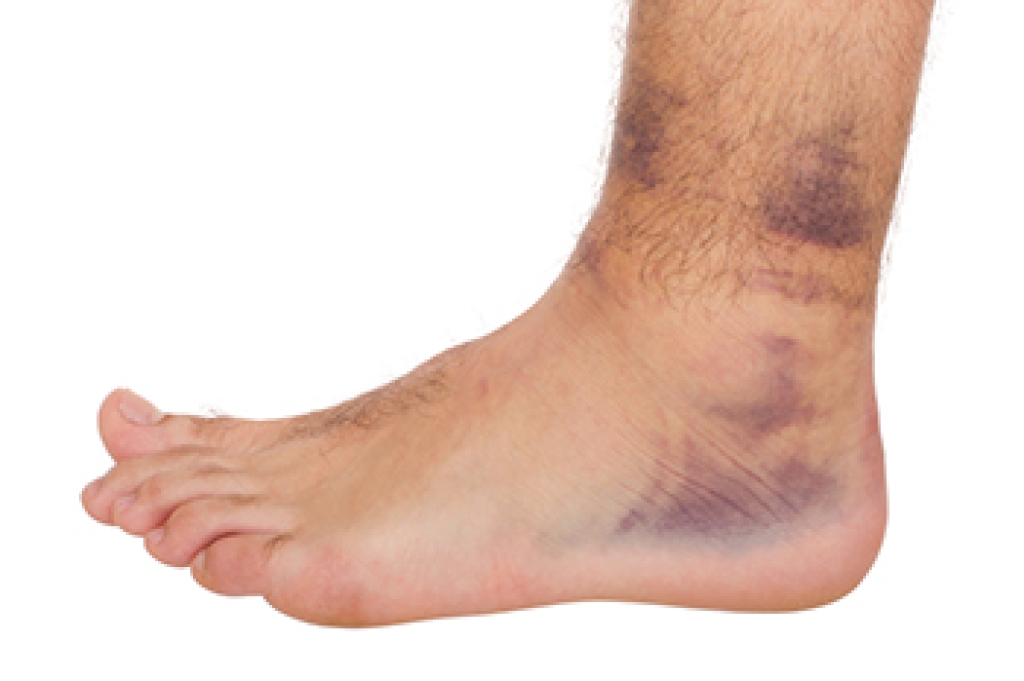
Ankle sprains are common injuries caused by sudden twisting or rolling of the ankle, often during sports or uneven walking. Inversion sprains affect the outer ligaments of the ankle, while eversion sprains impact the inner ones. Sprains are categorized into three grades. A mild sprain, or Grade 1, causes slight swelling and discomfort. A moderate sprain, or Grade 2, results in partial tearing with pain, bruising, and difficulty walking. A severe sprain, or Grade 3, involves complete tearing of ligaments, significant swelling, and ankle instability. A podiatrist can diagnose the severity, provide targeted treatment, and recommend therapies to restore strength and mobility. If you have sustained an ankle sprain, it is recommended that you schedule an emergency visit with a podiatrist today for a comprehensive evaluation and expert care.
Ankle sprains are common but need immediate attention. If you need your feet checked, contact Jeffrey Radack, DPM from Texas Regional Foot & Ankle Clinics. Our doctor can provide the care you need to keep you pain-free and on your feet.
How Does an Ankle Sprain Occur?
Ankle sprains take place when the ligaments in your ankle are torn or stretched beyond their limits. There are multiple ways that the ankle can become injured, including twisting or rolling over onto your ankle, putting undue stress on it, or causing trauma to the ankle itself.
What Are the Symptoms?
Preventing a Sprain
Treatment of a Sprain
Treatment of a sprain depends on the severity. Many times, people are told to rest and remain off their feet completely, while others are given an air cast. If the sprain is very severe, surgery may be required.
If you have suffered an ankle sprain previously, you may want to consider additional support such as a brace and regular exercises to strengthen the ankle.
If you have any questions please feel free to contact our office located in McKinney and Coppell, TX . We offer the newest diagnostic tools and technology to treat your foot and ankle needs.

If left untreated, an ingrown toenail can lead to more serious concerns, such as an infection. Knowing proper nail care can help in the prevention of an ingrown toenail. Give us a call, and get treated!

Walking and running shoes may appear similar, but they are designed to meet different demands placed on the feet. Walking places less impact on the foot, with the heel striking first followed by a rolling motion through the step. As a result, walking shoes are often built with softer soles and an angled heel to cushion impact and promote a smooth transition. Running, however, places greater force on the feet, often up to three times the body weight, and may involve striking with the heel, midfoot, or forefoot. To handle this stress, running shoes are typically lighter and built with thicker cushioning to absorb shock and reduce fatigue. Choosing the wrong shoe can lead to foot pain or injury, including plantar fasciitis or Achilles tendon pain. A podiatrist can assess your gait, foot structure, and any symptoms you may be experiencing. It is suggested that you schedule an appointment with this type of doctor to determine the cause of the pain and receive guidance on proper footwear.
For more information about walking shoes versus running shoes, consult with Jeffrey Radack, DPM from Texas Regional Foot & Ankle Clinics. Our doctor can measure your feet to determine what your needs are and help you find an appropriate pair of footwear.
Foot Health: The Differences between Walking & Running Shoes
There are great ways to stay in shape: running and walking are two great exercises to a healthy lifestyle. It is important to know that running shoes and walking shoes are not interchangeable. There is a key difference on how the feet hit the ground when someone is running or walking. This is why one should be aware that a shoe is designed differently for each activity.
You may be asking yourself what the real differences are between walking and running shoes and the answers may shock you.
Differences
Walking doesn’t involve as much stress or impact on the feet as running does. However, this doesn’t mean that you should be any less prepared. When you’re walking, you land on your heels and have your foot roll forward. This rolling motion requires additional support to the feet.
Flexibility – Walking shoes are designed to have soft, flexible soles. This allows the walker to push off easily with each step.
If you have any questions, please feel free to contact our office located in McKinney and Coppell, TX . We offer the newest diagnostic and treatment technologies for all your foot care needs.

Retrocalcaneal bursitis, also known as heel bursitis, is the inflammation of the fluid-filled sac located between the Achilles tendon and the heel bone. This condition often develops from repetitive stress, overtraining, or wearing poor footwear that places excessive pressure on the back of the heel. Symptoms typically include swelling, redness, and pain when walking or wearing certain shoes. A podiatrist can provide relief through proper diagnosis, custom orthotics, and treatments that reduce inflammation and prevent recurrence. Addressing the root cause is essential for healing and comfort. If you are experiencing persistent heel pain, do not wait. Please promptly schedule an appointment with a podiatrist who can offer appropriate treatment and relief solutions for heel bursitis.
Foot Pain
Foot pain can be extremely painful and debilitating. If you have a foot pain, consult with Jeffrey Radack, DPM from Texas Regional Foot & Ankle Clinics. Our doctor will assess your condition and provide you with quality foot and ankle treatment.
Causes
Foot pain is a very broad condition that could be caused by one or more ailments. The most common include:
Diagnosis
To figure out the cause of foot pain, podiatrists utilize several different methods. This can range from simple visual inspections and sensation tests to X-rays and MRI scans. Prior medical history, family medical history, and any recent physical traumatic events will all be taken into consideration for a proper diagnosis.
Treatment
Treatment depends upon the cause of the foot pain. Whether it is resting, staying off the foot, or having surgery; podiatrists have a number of treatment options available for foot pain.
If you have any questions, please feel free to contact our office located in McKinney and Coppell, TX . We offer the newest diagnostic and treatment technologies for all your foot care needs.

Toenail fungus progresses through early, moderate, and advanced stages. In the early stage, the nail may develop white or yellow spots and mild discoloration. The moderate stage brings thickening, increased discoloration, and brittleness. In the advanced stage, the nail may become deformed, separate from the nail bed, and emit an odor. Risk factors include walking barefoot in damp areas, wearing tight shoes, or having diabetes or poor circulation. Symptoms worsen over time and can cause pain or difficulty walking. A podiatrist can diagnose the severity of the infection and provide treatment, such as debridement, antifungal therapy, or laser treatment. If you have symptoms of toenail fungus, it is strongly suggested that you consult a podiatrist who can offer effective treatment solutions, which may include prescribed medication.
If left untreated, toenail fungus may spread to other toenails, skin, or even fingernails. If you suspect you have toenail fungus it is important to seek treatment right away. For more information about treatment, contact Jeffrey Radack, DPM of Texas Regional Foot & Ankle Clinics. Our doctor can provide the care you need to keep you pain-free and on your feet.
Symptoms
Treatment
If self-care strategies and over-the-counter medications does not help your fungus, your podiatrist may give you a prescription drug instead. Even if you find relief from your toenail fungus symptoms, you may experience a repeat infection in the future.
Prevention
In order to prevent getting toenail fungus in the future, you should always make sure to wash your feet with soap and water. After washing, it is important to dry your feet thoroughly especially in between the toes. When trimming your toenails, be sure to trim straight across instead of in a rounded shape. It is crucial not to cover up discolored nails with nail polish because that will prevent your nail from being able to “breathe”.
In some cases, surgical procedure may be needed to remove the toenail fungus. Consult with your podiatrist about the best treatment options for your case of toenail fungus.
If you have any questions please contact our office located in McKinney and Coppell, TX . We offer the newest diagnostic and treatment technologies for all your foot and ankle needs.

Negative pressure wound therapy applies controlled suction to non‑healing wounds on the foot, toes, or ankle to reduce excess fluid, improve blood flow, and stimulate healthy tissue formation. A podiatrist evaluates the wound’s depth, tissue condition, and surrounding skin before implementing therapy. The procedure involves using a porous dressing connected to a device that gently draws out excess fluids and encourages the wound edges to contract. This type of wound care also supports new tissue growth and promotes circulation. By removing excess fluid and proteins, the therapy helps restore proper pressure balance in the wound bed. It is most suitable for ulcers, non‑healing surgical sites, or complicated ankle wounds that have stalled in healing. Negative pressure therapy supports wound closure while it also minimizes infection risk and avoids unnecessary surgery. If you have foot wounds that will not heal, it is suggested that you schedule an appointment with a podiatrist for appropriate treatment.
Wound care is an important part in dealing with diabetes. If you have diabetes and a foot wound or would like more information about wound care for diabetics, consult with Jeffrey Radack, DPM from Texas Regional Foot & Ankle Clinics. Our doctor will assess your condition and provide you with quality foot and ankle treatment.
What Is Wound Care?
Wound care is the practice of taking proper care of a wound. This can range from the smallest to the largest of wounds. While everyone can benefit from proper wound care, it is much more important for diabetics. Diabetics often suffer from poor blood circulation which causes wounds to heal much slower than they would in a non-diabetic.
What Is the Importance of Wound Care?
While it may not seem apparent with small ulcers on the foot, for diabetics, any size ulcer can become infected. Diabetics often also suffer from neuropathy, or nerve loss. This means they might not even feel when they have an ulcer on their foot. If the wound becomes severely infected, amputation may be necessary. Therefore, it is of the upmost importance to properly care for any and all foot wounds.
How to Care for Wounds
The best way to care for foot wounds is to prevent them. For diabetics, this means daily inspections of the feet for any signs of abnormalities or ulcers. It is also recommended to see a podiatrist several times a year for a foot inspection. If you do have an ulcer, run the wound under water to clear dirt from the wound; then apply antibiotic ointment to the wound and cover with a bandage. Bandages should be changed daily and keeping pressure off the wound is smart. It is advised to see a podiatrist, who can keep an eye on it.
If you have any questions please contact our office located in McKinney and Coppell, TX . We offer the newest diagnostic and treatment technologies for all your foot and ankle needs.
Connect With Us
