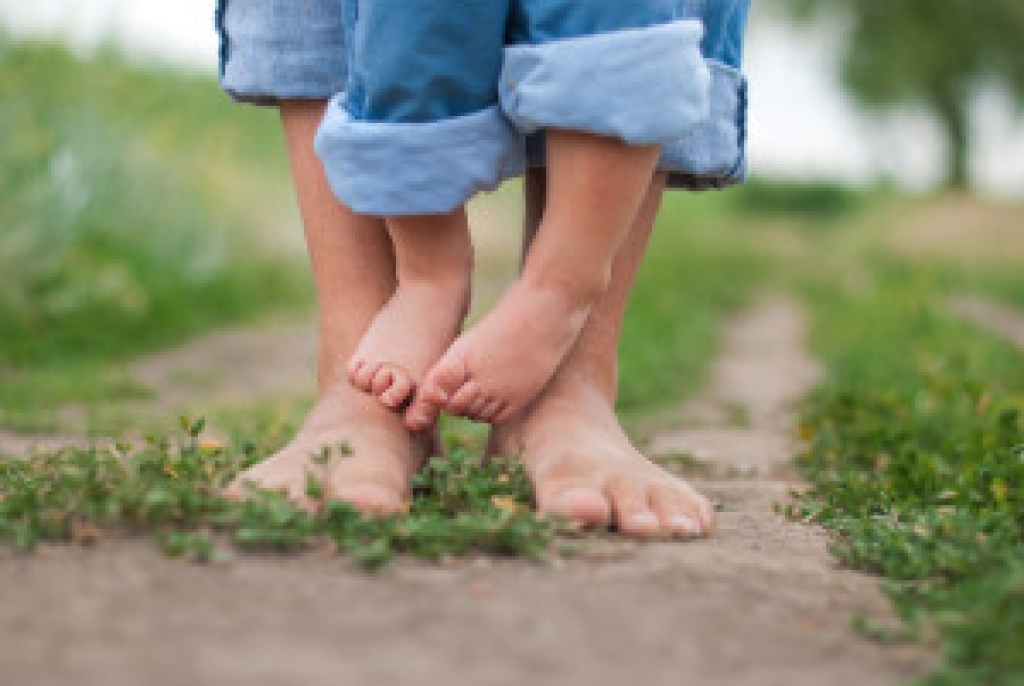
Changes in Children's Feet

Children’s feet differ greatly from adult feet. When comparing the two, the shapes are different. In the first year, the cartilage is soft, and there are additional fat pads on the soles. This can give the feet added flexibility that may diminish as one ages and the bones become stronger. Research has shown it may be beneficial for the child to walk barefoot while indoors, which may help to strengthen the overall foot. It is desirable for children to wear shoes while walking outside, and this can help to protect the feet. When it is time for the first pair of shoes to be purchased, many parents will buy shoes that are lightweight and have flexible soles. A child’s foot changes during the first five years. It is helpful to properly measure their feet often during this time, as different size shoes are often needed. Many parents notice the average life of a pair of shoes is approximately four months, and this can vary, depending upon the quality of the shoes. If you have questions about your child’s foot health, it is suggested that you consult with a podiatrist who can provide you with the knowledge you are seeking.

The health of a child’s feet is vital to their overall well-being. If you have any questions regarding foot health, contact Jeffrey Radack, DPM of Texas Regional Foot & Ankle Clinics. Our doctor can provide the care you need to keep you pain-free and on your feet.

Tips for Keeping Children's Feet Healthy

  • Make sure their shoes fit properly
  • Look for any signs of in-toeing or out-toeing
  • Check to see if they have Clubfoot (condition that affects your child’s foot and ankle, twisting the heel and toes inward) which is one of the most common nonmajor birth defects.
  • Lightly cover your baby’s feet (Tight covers may keep your baby from moving their feet freely, and could prevent normal development)
  • Allow your toddler to go shoeless (Shoes can be restricting for a young child’s foot)
  • Cut toenails straight across to avoid ingrown toenails
  • Keep your child’s foot clean and dry
  • Cover cuts and scrapes. Wash any scratches with soap and water and cover them with a bandage until they’ve healed.

If you have any questions, please feel free to contact our office located in McKinney and Coppell, TX . We offer the newest diagnostic and treatment technologies for all your foot care needs.
Read more about How to Care for Your Child's Feet

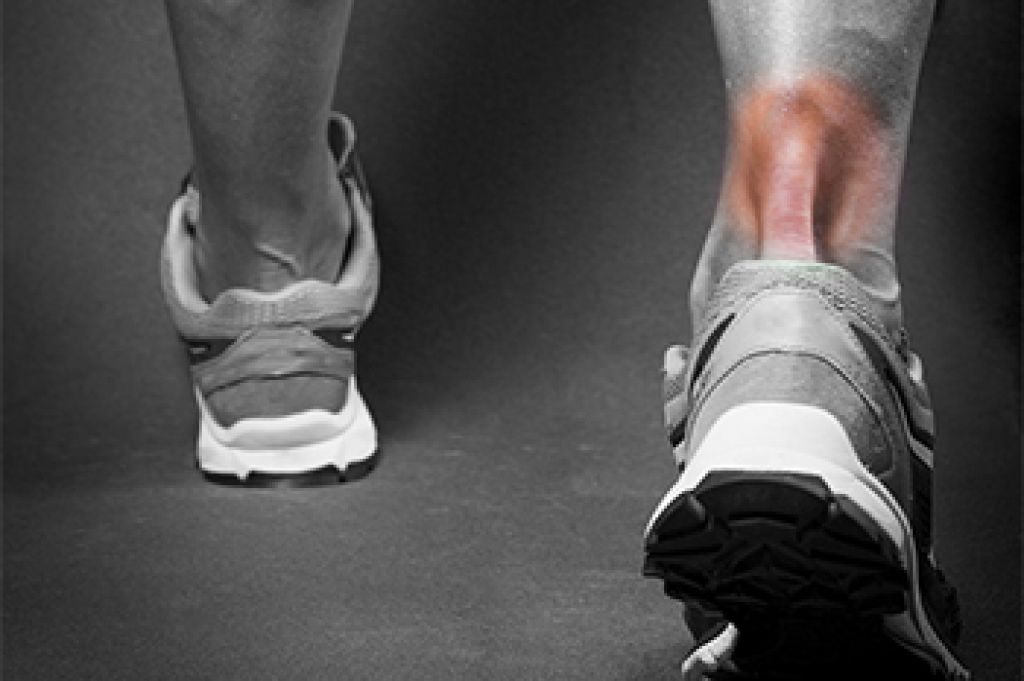
Examples of Achilles Tendon Injuries

The Achilles tendon connects the calf muscles to the heel. It is located in the lower part of the calf, and it is responsible for walking, running, and standing on tiptoes. If this tendon becomes injured, it can cause severe pain and discomfort. An injury can happen from increasing speed and distance too quickly, a common injury among runners. The tendon can become partially or completely torn, and there are similar symptoms that can accompany either type. These symptoms can include hearing a popping sound at the time of the injury, and the heel may be swollen, painful, or stiff. There are two types of Achilles tendonitis, and they are classified as non insertional and insertional. The former may be more prevalent among younger people, and it affects the fibers in the middle of the tendon. The latter involves the fibers in the lower part of the tendon, and both can result from overuse. Partial tears may gradually heal on their own, with adequate rest and keeping as much weight off of the foot as possible. If the tendon is completely torn, it is suggested that a podiatrist who can effectively treat an Achilles tendon injury be contacted as quickly as possible .

Achilles tendon injuries need immediate attention to avoid future complications. If you have any concerns, contact Jeffrey Radack, DPM of Texas Regional Foot & Ankle Clinics. Our doctor can provide the care you need to keep you pain-free and on your feet.

What Is the Achilles Tendon?

The Achilles tendon is a tendon that connects the lower leg muscles and calf to the heel of the foot. It is the strongest tendon in the human body and is essential for making movement possible. Because this tendon is such an integral part of the body, any injuries to it can create immense difficulties and should immediately be presented to a doctor.

What Are the Symptoms of an Achilles Tendon Injury?

There are various types of injuries that can affect the Achilles tendon. The two most common injuries are Achilles tendinitis and ruptures of the tendon.

Achilles Tendinitis Symptoms

  • Inflammation
  • Dull to severe pain
  • Increased blood flow to the tendon
  • Thickening of the tendon

Rupture Symptoms

  • Extreme pain and swelling in the foot
  • Total immobility

Treatment and Prevention

Achilles tendon injuries are diagnosed by a thorough physical evaluation, which can include an MRI. Treatment involves rest, physical therapy, and in some cases, surgery. However, various preventative measures can be taken to avoid these injuries, such as:

  • Thorough stretching of the tendon before and after exercise
  • Strengthening exercises like calf raises, squats, leg curls, leg extensions, leg raises, lunges, and leg presses

If you have any questions please feel free to contact our office located in McKinney and Coppell, TX . We offer the newest diagnostic tools and technology to treat your foot and ankle needs.

Read more about The Causes, Types, and Treatments of Achilles Tendon Injuries

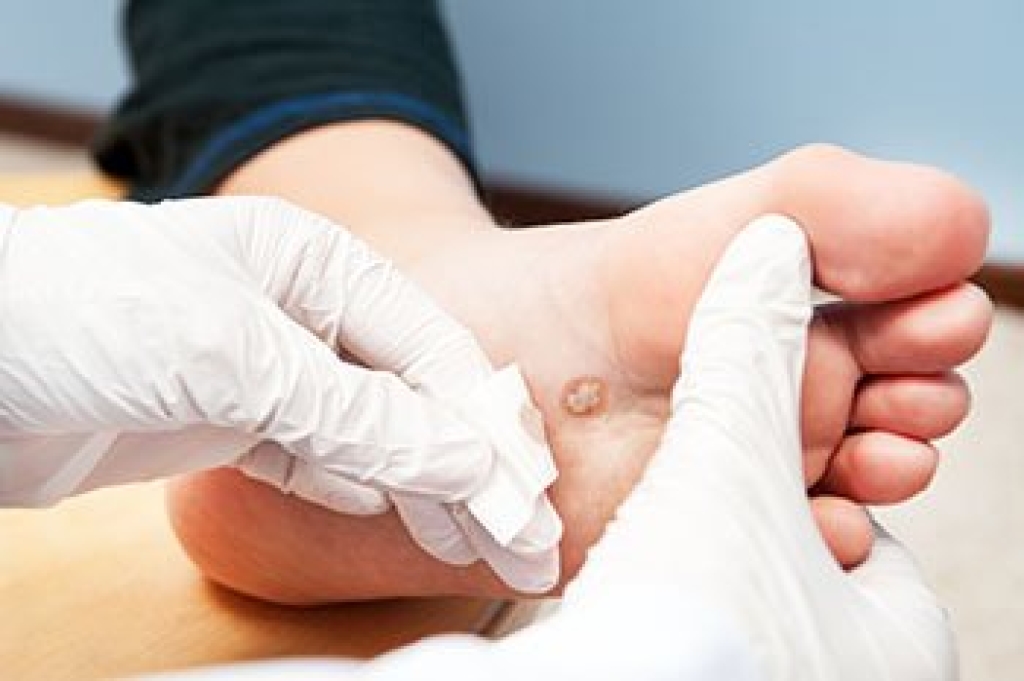
What Do Plantar Warts Look Like?

Plantar warts are a particular kind of condition of the foot that can be unsightly and potentially diminish the health of one’s feet. These warts can develop on the bottoms or soles of the feet. Many patients will often ask what plantar warts look like and how a person might go about identifying a plantar wart. The answer is that plantar warts on the feet fortunately all basically look similar, even though they may vary in size. For example, most plantar warts on the feet will be somewhat round in shape. Additionally, a plantar wart will most likely be flat as opposed to being raised. The plantar wart can also have an outer layer to the wart that is rough and tough in texture. Lastly, plantar warts will have a black dot at the center of the wart. If you are someone that is living with plantar warts it is highly suggested that you contact a podiatrist for treatment. 

Plantar warts can be very uncomfortable. If you need your feet checked, contact Jeffrey Radack, DPM from Texas Regional Foot & Ankle Clinics. Our doctor will assist you with all of your foot and ankle needs.

About Plantar Warts

Plantar warts are the result of HPV, or human papillomavirus, getting into open wounds on the feet. They are mostly found on the heels or balls of the feet.

While plantar warts are generally harmless, those experiencing excessive pain or those suffering from diabetes or a compromised immune system require immediate medical care. Plantar warts are easily diagnosed, usually through scraping off a bit of rough skin or by getting a biopsy.

Symptoms

  • Lesions on the bottom of your feet, usually rough and grainy
  • Hard or thick callused spots
  • Wart seeds, which are small clotted blood vessels that look like little black spots
  • Pain, discomfort, or tenderness of your feet when walking or standing

Treatment

  • Freezing
  • Electric tool removal
  • Laser Treatment
  • Topical Creams (prescription only)
  • Over-the-counter medications

To help prevent developing plantar warts, avoid walking barefoot over abrasive surfaces that can cause cuts or wounds for HPV to get into. Avoiding direct contact with other warts, as well as not picking or rubbing existing warts, can help prevent the further spread of plantar warts. However, if you think you have developed plantar warts, speak to your podiatrist. He or she can diagnose the warts on your feet and recommend the appropriate treatment options.

If you have any questions, please feel free to contact our office located in McKinney and Coppell, TX . We offer the newest diagnostic and treatment technologies for all your foot care needs.
Read more about Plantar Warts

Flat Shoes and Foot Pain

Foot pain is certainly an unpleasant condition that many Americans can experience for a variety of reasons. Sometimes, foot pain is linked to the particular kind of shoe that you are wearing. While high heels are well-known for the damaging effects they can cause to your feet, other types of shoes can have adverse effects as well. Specifically, ballet flats can cause foot pain for several reasons. When ballet flats are not well padded, they can aggravate certain foot conditions, such as Achilles tendonitis and plantar fasciitis. Often, flats fail to provide the feet with sufficient arch support, which can make one more susceptible to the aforementioned foot conditions. To make your ballet flats more beneficial to the health of your feet, your podiatrist might recommend using insoles in the flats to increase arch support. If you are someone that enjoys wearing ballet flats, it is suggested that you consider contacting a podiatrist for help.

Foot Pain

Foot pain can be extremely painful and debilitating. If you have a foot pain, consult with Jeffrey Radack, DPM from Texas Regional Foot & Ankle Clinics. Our doctor will assess your condition and provide you with quality foot and ankle treatment.

Causes

Foot pain is a very broad condition that could be caused by one or more ailments. The most common include:

  • Bunions
  • Hammertoes
  • Plantar Fasciitis
  • Bone Spurs
  • Corns
  • Tarsal Tunnel Syndrome
  • Ingrown Toenails
  • Arthritis (such as Gout, Rheumatoid, and Osteoarthritis)
  • Flat Feet
  • Injury (from stress fractures, broken toe, foot, ankle, Achilles tendon ruptures, and sprains)
  • And more

Diagnosis

To figure out the cause of foot pain, podiatrists utilize several different methods. This can range from simple visual inspections and sensation tests to X-rays and MRI scans. Prior medical history, family medical history, and any recent physical traumatic events will all be taken into consideration for a proper diagnosis.

Treatment

Treatment depends upon the cause of the foot pain. Whether it is resting, staying off the foot, or having surgery; podiatrists have a number of treatment options available for foot pain.

If you have any questions, please feel free to contact our office located in McKinney and Coppell, TX . We offer the newest diagnostic and treatment technologies for all your foot care needs.

Read more about Foot Pain

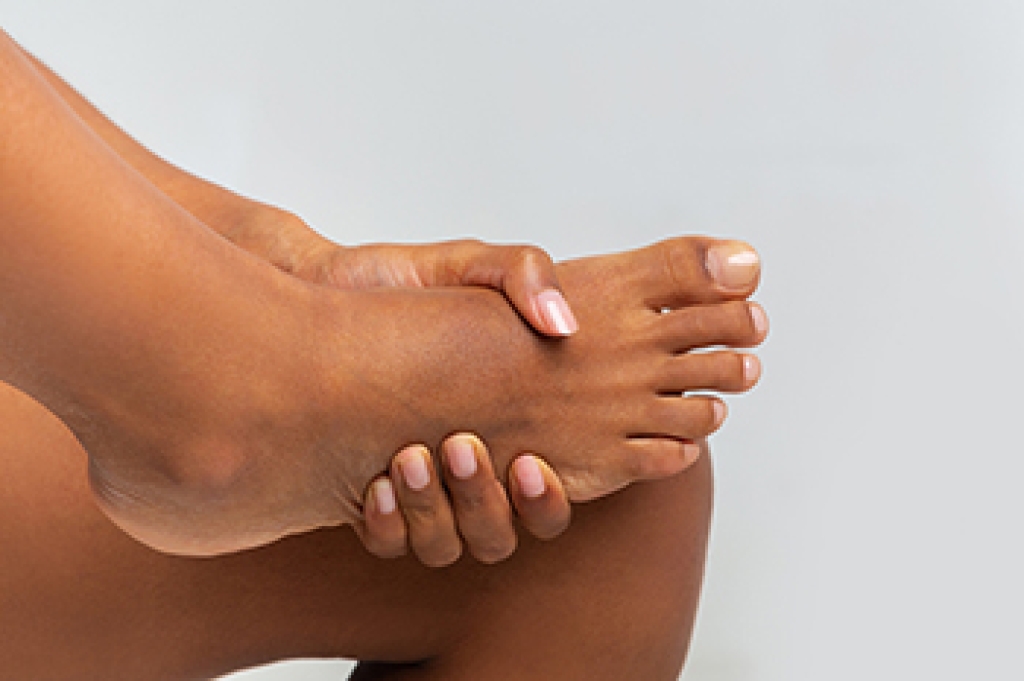
We Can Treat Your Foot or Ankle Pain

Foot or ankle pain can negatively affect your day-to-day life and can occur due to several different conditions. Pain can also be an indicator of a more serious underlying condition, which is why you should seek professional help as soon as you notice any abnormalities in your feet.

Connect With Us