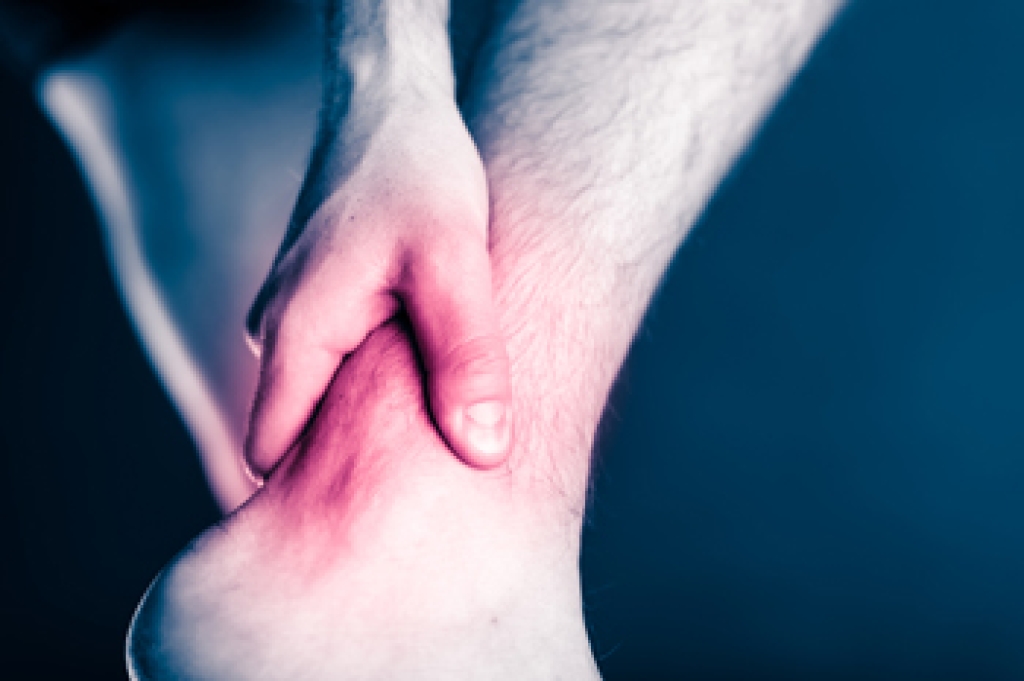
Treatment Options for Achilles Tendon Pain

Treatment for Achilles tendon pain involves a comprehensive approach to alleviate discomfort and promote healing. Short-term use of non-steroidal anti-inflammatory drugs, NSAIDs, under medical supervision can provide relief from Achilles tendon pain. Incorporating warm-up exercises, stretching, and resistance training to strengthen the lower leg muscles and improve tendon function may be prescribed. Orthotic devices such as shoe inserts can help to redistribute pressure away from the Achilles tendon and facilitate healing. Surgical intervention is reserved for cases where conservative treatments have failed, involving procedures such as tendon removal or reattachment. For a personalized treatment plan to treat Achilles tendon pain, it is suggested that you schedule an appointment with a podiatrist. 

Achilles tendon injuries need immediate attention to avoid future complications. If you have any concerns, contact Jeffrey Radack, DPM of Texas Regional Foot & Ankle Clinics. Our doctor can provide the care you need to keep you pain-free and on your feet.

What Is the Achilles Tendon?

The Achilles tendon is a tendon that connects the lower leg muscles and calf to the heel of the foot. It is the strongest tendon in the human body and is essential for making movement possible. Because this tendon is such an integral part of the body, any injuries to it can create immense difficulties and should immediately be presented to a doctor.

What Are the Symptoms of an Achilles Tendon Injury?

There are various types of injuries that can affect the Achilles tendon. The two most common injuries are Achilles tendinitis and ruptures of the tendon.

Achilles Tendinitis Symptoms

  • Inflammation
  • Dull to severe pain
  • Increased blood flow to the tendon
  • Thickening of the tendon

Rupture Symptoms

  • Extreme pain and swelling in the foot
  • Total immobility

Treatment and Prevention

Achilles tendon injuries are diagnosed by a thorough physical evaluation, which can include an MRI. Treatment involves rest, physical therapy, and in some cases, surgery. However, various preventative measures can be taken to avoid these injuries, such as:

  • Thorough stretching of the tendon before and after exercise
  • Strengthening exercises like calf raises, squats, leg curls, leg extensions, leg raises, lunges, and leg presses

If you have any questions please feel free to contact our office located in McKinney and Coppell, TX . We offer the newest diagnostic tools and technology to treat your foot and ankle needs.


Read more about Achilles Tendon Injuries

Managing Blisters on the Feet

Blisters are small fluid-filled pockets that commonly form on the skin and can be particularly bothersome when they develop on the feet. Whether caused by friction from wearing ill-fitting shoes, prolonged walking, running, or heat, blisters can cause discomfort and interfere with daily activities. While most blisters on the feet heal naturally within a week, it is essential to avoid popping them yourself, as this can increase the risk of infection and prolong recovery time. Instead, gently cover the blister with a dry, sterile dressing to help protect it as it heals. If there are signs of infection, such as redness, swelling, or pus, seeking prompt medical attention from a podiatrist is suggested. Podiatrists may prescribe antibiotics for infected blisters or perform procedures like blister drainage under sterile conditions for larger or more painful blisters. If you experience persistent or recurrent blisters on your feet, it is suggested that you schedule an appointment with a podiatrist to ensure safe and effective treatment as well as prevention strategies.

Blisters may appear as a single bubble or in a cluster. They can cause a lot of pain and may be filled with pus, blood, or watery serum. If your feet are hurting, contact Jeffrey Radack, DPM of Texas Regional Foot & Ankle Clinics. Our doctor can provide the care you need to keep you pain-free and on your feet.

Foot Blisters

Foot blisters are often the result of friction. This happens due to the constant rubbing from shoes, which can lead to pain.

What Are Foot Blisters?

A foot blister is a small fluid-filled pocket that forms on the upper-most layer of the skin. Blisters are filled with clear fluid and can lead to blood drainage or pus if the area becomes infected.

Symptoms

(Blister symptoms may vary depending on what is causing them)

  • Bubble of skin filled with fluid
  • Redness
  • Moderate to severe pain
  • Itching

Prevention & Treatment

In order to prevent blisters, you should be sure to wear comfortable shoes with socks that cushion your feet and absorb sweat. Breaking a blister open may increase your chances of developing an infection. However, if your blister breaks, you should wash the area with soap and water immediately and then apply a bandage to the affected area. If your blisters cause severe pain it is important that you call your podiatrist right away.

If you have any questions, please feel free to contact our office located in McKinney and Coppell, TX . We offer the newest diagnostic and treatment technologies for all your foot care needs.

Read more about Blisters

Causes and Symptoms of Athlete’s Foot

Athlete's foot, also known as tinea pedis, is a common fungal infection of the foot caused by dermatophytes. This infection thrives in warm, moist environments and is often the result of coming into contact with contaminated surfaces, like locker room floors. Symptoms include scaling, peeling skin, and redness between the toes. Other symptoms of athlete’s foot are blistering and itching. If left untreated, athlete's foot can lead to secondary bacterial infections or allergic reactions, particularly in individuals with a compromised immune system or diabetes. Prevention involves maintaining good foot hygiene, wearing breathable footwear, and avoiding sharing personal items, like shoes or towels. If you suspect you have athlete's foot or experience severe symptoms like excessive redness, swelling, or pus, it's essential to seek prompt medical attention from a podiatrist. A podiatrist can provide an accurate diagnosis and recommend an advanced treatment plan to alleviate complications. For help in dealing with a stubborn athlete’s foot infection, It is suggested that you make an appointment with a podiatrist. 

Athlete’s foot is an inconvenient condition that can be easily reduced with the proper treatment. If you have any concerns about your feet and ankles, contact Jeffrey Radack, DPM from Texas Regional Foot & Ankle Clinics.  Our doctor will treat your foot and ankle needs.

Athlete’s Foot: The Sole Story

Athlete's foot, also known as tinea pedis, can be an extremely contagious foot infection. It is commonly contracted in public changing areas and bathrooms, dormitory style living quarters, around locker rooms and public swimming pools, or anywhere your feet often come into contact with other people.

Solutions to Combat Athlete’s Foot

  • Hydrate your feet by using lotion
  • Exfoliate
  • Buff off nails
  • Use of anti-fungal products
  • Examine your feet and visit your doctor if any suspicious blisters or cuts develop

Athlete’s foot can cause many irritating symptoms such as dry and flaking skin, itching, and redness. Some more severe symptoms can include bleeding and cracked skin, intense itching and burning, and even pain when walking. In the worst cases, Athlete’s foot can cause blistering as well. Speak to your podiatrist for a better understanding of the different causes of Athlete’s foot, as well as help in determining which treatment options are best for you.

If you have any questions please feel free to contact our office located in McKinney and Coppell, TX . We offer the newest diagnostic and treatment technologies for all your foot and ankle needs.

Read more about Athlete's Foot

Diabetes and Charcot Foot

For individuals with diabetes and peripheral neuropathy, the threat of Charcot foot looms ominously. This complication, stemming from nerve damage, demands attention and prompt intervention to avoid severe consequences like foot ulcers or even amputation. Diabetes wreaks havoc on nerve function, impairing the transmission of signals from the brain to the lower limbs and feet. The insidious nature of neuropathy means that injuries, or bone fractures in the feet can go unnoticed, as diminished sensation impedes pain detection. Consequently, continued weight-bearing on the affected foot can deform bones and joints, setting the stage for the progression of Charcot's foot. Signs of Charcot foot include swelling, warmth, and changes in foot color and shape. If any of these indicators emerge, it is imperative to alleviate pressure on the affected foot immediately. Both surgical and non-surgical treatments are available for managing Charcot foot. For more information on dealing with these conditions, it is suggested that you schedule an appointment with a podiatrist. 

Some foot conditions may require additional professional care. If you have any concerns, contact Jeffrey Radack, DPM of Texas Regional Foot & Ankle Clinics. Our doctor can provide the care you need to keep you pain-free and on your feet.

Rare Foot Conditions

The majority of foot conditions are common and can be treated by a podiatrist.  Standard diagnostic procedures are generally used to identify specific conditions and treatment can be rendered. A podiatrist also treats rare foot conditions which can be difficult to diagnose and may need extra attention and care. 

There are many rare foot conditions that can affect children. Some of these can include:

  • Freiberg’s disease
  • Kohler’s disease
  • Maffucci syndrome

Freiberg’s disease - This can be seen as a deterioration and flattening of a metatarsal bone that exists in the ball of the foot. It typically affects pre-teen and teenage girls, but can affect anyone at any age. Symptoms that can accompany this can be swelling, stiffness, and the patient may limp. 

Kohler’s disease - This often targets the bone in the arch of the foot and affects younger boys. It can lead to an interruption of the blood supply which ultimately can lead to bone deterioration. The patient may limp or experience tenderness, swelling, and redness.

Maffucci syndrome - This affects the long bones in a child’s foot leading to the development of abnormal bone lesions. They are benign growths and typically develop in early childhood and the bones may be susceptible to breaking. 

A podiatrist can properly diagnose and treat all types of rare foot conditions. If your child is affected by any of these symptoms or conditions, please don’t hesitate to call our office so the correct treatment method can begin.

If you have any questions, please feel free to contact our office located in McKinney and Coppell, TX . We offer the newest diagnostic and treatment technologies for all your foot care needs.

Read more about Rare Foot Conditions

Connect With Us