Connect With Us
Ankle fractures occur when one or more of the bones that make up your ankle breaks. This can cause symptoms such as pain, bruising, tenderness, swelling, weakness, numbness, and difficulty putting weight on your ankle or walking. Ankle fractures may be treated with support devices, such as a brace or cast, that immobilize and protect the affected ankle to encourage healing. If you have a cast or brace, you may need to walk with crutches for a period of time. The pain of an ankle fracture can be relieved through over-the-counter medications that your podiatrist recommends. A broken ankle may need to be treated surgically if the fracture is severe. If you have broken your ankle, it is suggested that you seek the care of a podiatrist.
Broken ankles need immediate treatment. If you are seeking treatment, contact Jeffrey Radack, DPM from Texas Regional Foot & Ankle Clinics. Our doctor can provide the care you need to keep you pain-free and on your feet.
Broken Ankles
A broken ankle is experienced when a person fractures their tibia or fibula in the lower leg and ankle area. Both of these bones are attached at the bottom of the leg and combine to form what we know to be our ankle.
When a physician is referring to a break of the ankle, he or she is usually referring to a break in the area where the tibia and fibula are joined to create our ankle joint. Ankles are more prone to fractures because the ankle is an area that suffers a lot of pressure and stress. There are some obvious signs when a person experiences a fractured ankle, and the following symptoms may be present.
Symptoms of a Fractured Ankle
If you suspect an ankle fracture, it is recommended to seek treatment as soon as possible. The sooner you have your podiatrist diagnose the fracture, the quicker you’ll be on the way towards recovery.
If you have any questions, please feel free to contact our office located in McKinney and Coppell, TX . We offer the newest diagnostic and treatment technologies for all your foot care needs.

Hammertoe is a type of foot deformity in which the toes bend upward at the middle joint, giving them a hammer-like appearance. This condition is usually caused by a muscle or tendon imbalance, but can be aggravated by wearing shoes that are too tight or narrow in the front or have excessively high heels. In the initial stages, the hammertoe may still be flexible and the toes can be straightened. In later stages, the toes can become rigid and you will not be able to straighten them. Flexible hammertoe can be treated by wearing shoes that are comfortable and have a wide toe box, wearing orthotic inserts, and stretching and exercising the toes. Rigid hammertoe may require surgery to correct it. If you have hammertoe, please consult with a podiatrist to see which treatment options may be right for you.
Hammertoes can be a painful condition to live with. For more information, contact Jeffrey Radack, DPM of Texas Regional Foot & Ankle Clinics. Our doctor will answer any of your foot- and ankle-related questions.
Hammertoe
Hammertoe is a foot deformity that occurs due to an imbalance in the muscles, tendons, or ligaments that normally hold the toe straight. It can be caused by the type of shoes you wear, your foot structure, trauma, and certain disease processes.
Symptoms
Risk Factors
Treatment
If you have hammertoe, you should change into a more comfortable shoe that provides enough room for your toes. Exercises such as picking up marbles may strengthen and stretch your toe muscles. Nevertheless, it is important to seek assistance from a podiatrist in order to determine the severity of your hammertoe and see which treatment option will work best for you.
If you have any questions, please feel free to contact our office located in McKinney and Coppell, TX . We offer the newest diagnostic and treatment technologies for all your foot care needs.

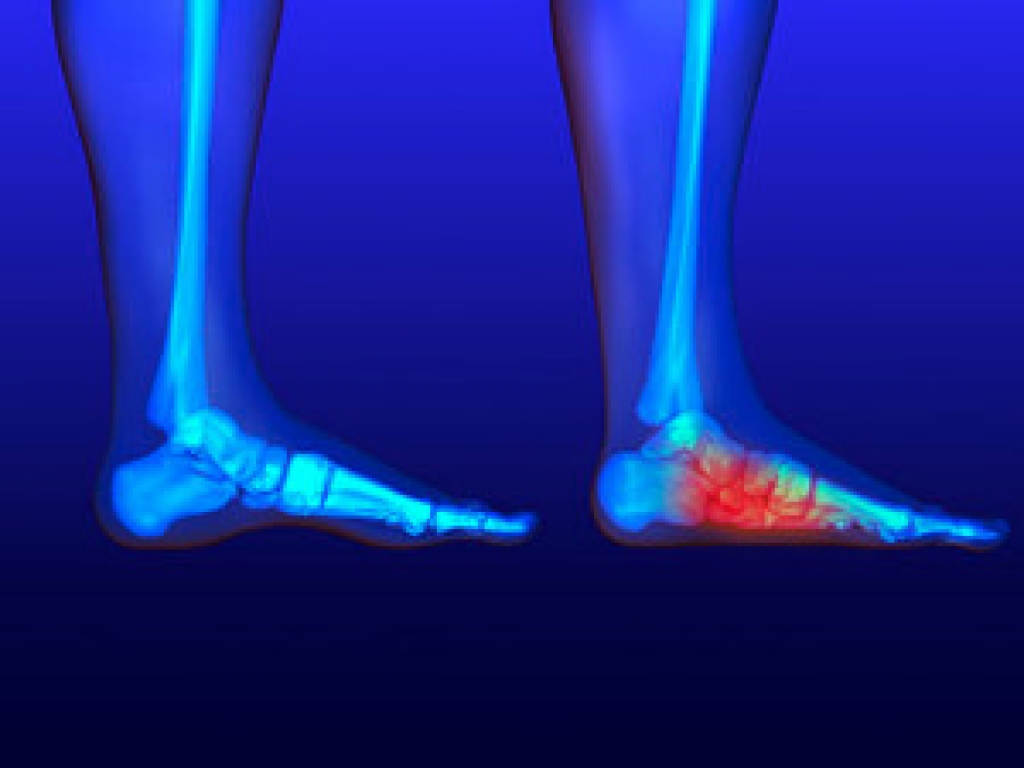
While there are several different types of flatfoot, all of them involve a loss of the arch—either partial or total. Flexible flatfoot is a common form of this condition where the arch collapses upon standing and returns to normal when there is no weight on the foot. Because having flat feet changes the alignment of the foot (toes point outwardly, the heel points toward the outside of the foot, and the ankle turns in), people with this condition may be more prone to developing bunions and hammertoes. Flexible flatfoot may cause pain in various areas of the foot including the arch, heel, ankle, shin bone, or on the lateral side of the foot. Additionally, there may be some pain in the knee, hip, or lower back, and overall fatigue or aching in the feet or legs. A podiatrist can diagnose flatfoot through an examination and by taking an X-ray. Non-surgical treatment may involve shoe modifications, physical therapy, losing weight, modifying activities, or even wearing ankle or foot orthoses to help support your arches and adjust your gait. For a proper diagnosis and to determine what treatment option is best for you, it is suggested that you visit a podiatrist.
Flatfoot is a condition many people suffer from. If you have flat feet, contact Jeffrey Radack, DPM from Texas Regional Foot & Ankle Clinics. Our doctor will treat your foot and ankle needs.
What Are Flat Feet?
Flatfoot is a condition in which the arch of the foot is depressed and the sole of the foot is almost completely in contact with the ground. About 20-30% of the population generally has flat feet because their arches never formed during growth.
Conditions & Problems:
Having flat feet makes it difficult to run or walk because of the stress placed on the ankles.
Alignment – The general alignment of your legs can be disrupted, because the ankles move inward which can cause major discomfort.
Knees – If you have complications with your knees, flat feet can be a contributor to arthritis in that area.
Symptoms
Treatment
If you are experiencing pain and stress on the foot you may weaken the posterior tibial tendon, which runs around the inside of the ankle.
If you have any questions, please feel free to contact our office located in McKinney and Coppell, TX . We offer the newest diagnostic and treatment technologies for all your foot care needs.
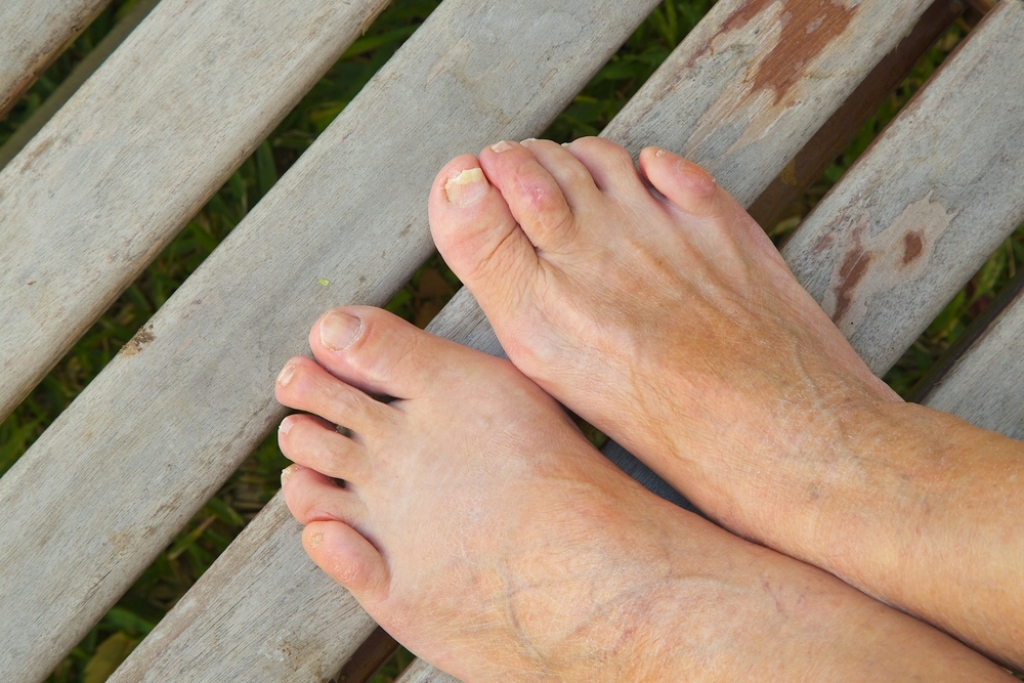
Runners can sometimes experience different types of foot pain after a run. Pain experienced in the heel or arch—especially in the morning—may be plantar fasciitis. Certain stretches and orthotics may provide some relief, however, if pain persists for more than a couple of weeks, a podiatrist may be able to heal the injury using a variety of therapies. Short-term relief from a bunion may be achieved by using bunion pads. A more lasting solution would be to have the bunion removed by a podiatrist who may also create custom orthotics to avoid bunions from returning. On the top of the foot, pain while running, swelling, or a bump on the tendon may be an indication of extensor tendonitis. Shoes that are too tight, or that create pressure on the top of the foot or are laced too tightly may make this situation worse. Proper stretching, icing, and anti-inflammatories may provide relief, along with professional treatments and custom orthotics. Pain relief from tendonitis along the side of the foot may be lessened by icing and resting, however since stress fractures also cause pain in this area, early detection and professional treatment by a podiatrist is suggested for proper diagnosis and treatment.
Exercising your feet regularly with the proper foot wear is a great way to prevent injuries and build strength. If you have any concerns about your feet, contact Jeffrey Radack, DPM from Texas Regional Foot & Ankle Clinics. Our doctor can provide the care you need to keep you pain-free and on your feet.
Exercise for Your Feet
Exercise for your feet can help you gain strength, mobility and flexibility in your feet. They say that strengthening your feet can be just as rewarding as strengthening another part of the body. Your feet are very important, and we often forget about them in our daily tasks. But it is because of our feet that are we able to get going and do what we need to. For those of us fortunate enough to not have any foot problems, it is an important gesture to take care of them to ensure good health in the long run.
Some foot health exercises can include ankle pumps, tip-toeing, toe rises, lifting off the floor doing reps and sets, and flexing the toes. It is best to speak with Our doctor to determine an appropriate regimen for your needs. Everyone’s needs and bodies are different, and the activities required to maintain strength in the feet vary from individual to individual.
Once you get into a routine of doing regular exercise, you may notice a difference in your feet and how strong they may become.
If you have any questions, please feel free to contact our office located in McKinney and Coppell, TX . We offer the newest diagnostic and treatment technologies for all your foot care needs.

Connect With Us