
Foot and Ankle Injuries Among Assembly Line Workers

Jobs that require prolonged standing and walking often lead to complaints of foot and ankle pain among employees. Various factors contribute to foot and ankle pain in assembly line work, including time spent standing, walking, or sitting. Additionally, floor surface characteristics, weight, BMI, age, foot biomechanics, and demographic and medical history may significantly contribute to developing foot and ankle pain. Increased risk factors can include high metatarsal pressure during gait assessment, extended periods of walking, female gender, job dissatisfaction, and a history of conditions like rheumatoid arthritis, osteoporosis, or vascular disorders. Truck and forklift drivers who frequently exit and enter their vehicles tend to have a higher prevalence of ankle and foot problems. Prevention includes the use of shoe orthotics with medial longitudinal arch and metatarsal pad support. The incorporation of sit and stand work stations are also options to mitigate foot and ankle issues in these types of environments. If you are involved in assembly line work and experience foot or ankle pain, it is suggested that you schedule an appointment with a podiatrist for an exam and treatment that can help relieve pain.

Foot and ankle trauma is common among athletes and the elderly. If you have concerns that you may have experienced trauma to the foot and ankle, consult with Jeffrey Radack, DPM from Texas Regional Foot & Ankle Clinics. Our doctor will assess your condition and provide you with quality foot and ankle treatment.

Foot and ankle trauma cover a range of injuries all over the foot; common injuries include:

  • Broken bones
  • Muscle strains
  • Injuries to the tendons and ligaments
  • Stress fractures

Symptoms

Symptoms of foot and ankle injuries vary depending on the injury, but more common ones include:

  • Bruising
  • Inflammation/ Swelling
  • Pain

Diagnosis

To properly diagnose the exact type of injury, podiatrists will conduct a number of different tests. Some of these include sensation and visual tests, X-rays, and MRIs. Medical and family histories will also be taken into account.

Treatment

Once the injury has been diagnosed, the podiatrist can than offer the best treatment options for you. In less severe cases, rest and keeping pressure off the foot may be all that’s necessary. Orthotics, such as a specially made shoes, or immobilization devices, like splints or casts, may be deemed necessary. Finally, if the injury is severe enough, surgery may be necessary.

If you have any questions, please feel free to contact our office located in McKinney and Coppell, TX . We offer the newest diagnostic and treatment technologies for all your foot care needs.


Read more about Foot and Ankle Fractures

Common Foot and Ankle Injuries in Soccer

Soccer, a dynamic sport demanding agility and skill, often comes with its share of foot and ankle injuries, falling into acute and cumulative categories. Acute injuries, stemming from falls or player collisions, can be traumatic. Conversely, cumulative injuries result from repetitive stress, causing progressive aches and impairments. Soccer players frequently encounter lateral ankle sprains, occurring when kicking with the top of the foot, and medial ankle sprains from toe-out movements with the foot flexed upward. The chronic Achilles tendonitis, felt as pain in the back of the ankle, is a consequence of soccer's repetitive and sudden movements. A more severe injury, an Achilles tendon rupture, involves a partial or complete tear with an audible popping sound, often happening during fast, explosive actions on the field. Stress fractures, prevalent among soccer players, arise from overuse or repeated impacts, leading to bone bruising or slight cracking. These injuries often trace back to overuse, poor conditioning, or insufficient warm-ups. It is suggested that if you or your child incur foot and ankle injuries from playing soccer, you schedule an appointment with a podiatrist. 

Sports related foot and ankle injuries require proper treatment before players can go back to their regular routines. For more information, contact Jeffrey Radack, DPM of Texas Regional Foot & Ankle Clinics. Our doctor can provide the care you need to keep you pain-free and on your feet.

Sports Related Foot and Ankle Injuries

Foot and ankle injuries are a common occurrence when it comes to athletes of any sport. While many athletes dismiss the initial aches and pains, the truth is that ignoring potential foot and ankle injuries can lead to serious problems. As athletes continue to place pressure and strain the area further, a mild injury can turn into something as serious as a rupture and may lead to a permanent disability. There are many factors that contribute to sports related foot and ankle injuries, which include failure to warm up properly, not providing support or wearing bad footwear. Common injuries and conditions athletes face, including:

  • Plantar Fasciitis
  • Achilles Tendinitis
  • Achilles Tendon Rupture
  • Ankle Sprains

Sports related injuries are commonly treated using the RICE method. This includes rest, applying ice to the injured area, compression and elevating the ankle. More serious sprains and injuries may require surgery, which could include arthroscopic and reconstructive surgery. Rehabilitation and therapy may also be required in order to get any recovering athlete to become fully functional again. Any unusual aches and pains an athlete sustains must be evaluated by a licensed, reputable medical professional.

If you have any questions please contact our office located in McKinney and Coppell, TX . We offer the newest diagnostic and treatment technologies for all your foot and ankle needs.

Read more about Sports Related Foot And Ankle Injuries

Why Live with Pain and Numbness in Your Feet?

Suffering from this type of pain? You may have the foot condition known as Morton's neuroma. Morton's neuroma may develop as a result of ill-fitting footwear and existing foot deformities. We can help.

A Comprehensive Overview of Athlete’s Foot

Athlete's foot, a common fungal infection, unfolds as an uncomfortable and often itchy condition affecting the feet. This ailment thrives in warm and damp environments, making sweaty socks and tight shoes an ideal breeding ground for the fungus trichophyton. The infection typically begins between the toes, presenting as redness, itching, and a burning sensation. As it progresses, athlete's foot can lead to the development of blisters and the peeling of the skin. Beyond the discomfort, this contagious infection can spread to other parts of the body or to others through contact. Prevention involves keeping feet dry, wearing breathable footwear, and practicing good hygiene. If you have any of the above symptoms, it is suggested that you schedule an appointment with a podiatrist who can accurately diagnose this condition and prescribe medication, if warranted.

Athlete’s Foot

Athlete’s foot is often an uncomfortable condition to experience. Thankfully, podiatrists specialize in treating athlete’s foot and offer the best treatment options. If you have any questions about athlete’s foot, consult with Jeffrey Radack, DPM from Texas Regional Foot & Ankle Clinics. Our doctor will assess your condition and provide you with quality treatment.

What Is Athlete’s Foot?

Tinea pedis, more commonly known as athlete’s foot, is a non-serious and common fungal infection of the foot. Athlete’s foot is contagious and can be contracted by touching someone who has it or infected surfaces. The most common places contaminated by it are public showers, locker rooms, and swimming pools. Once contracted, it grows on feet that are left inside moist, dark, and warm shoes and socks.

Prevention

The most effective ways to prevent athlete’s foot include:

  • Thoroughly washing and drying feet
  • Avoid going barefoot in locker rooms and public showers
  • Using shower shoes in public showers
  • Wearing socks that allow the feet to breathe
  • Changing socks and shoes frequently if you sweat a lot

Symptoms

Athlete’s foot initially occurs as a rash between the toes. However, if left undiagnosed, it can spread to the sides and bottom of the feet, toenails, and if touched by hand, the hands themselves. Symptoms include:

  • Redness
  • Burning
  • Itching
  • Scaly and peeling skin

Diagnosis and Treatment

Diagnosis is quick and easy. Skin samples will be taken and either viewed under a microscope or sent to a lab for testing. Sometimes, a podiatrist can diagnose it based on simply looking at it. Once confirmed, treatment options include oral and topical antifungal medications.

If you have any questions, please feel free to contact our office located in McKinney and Coppell, TX . We offer the newest diagnostic and treatment technologies for all your foot care needs.

Read more about Athlete’s Foot

Non-Surgical Treatment of Bunions

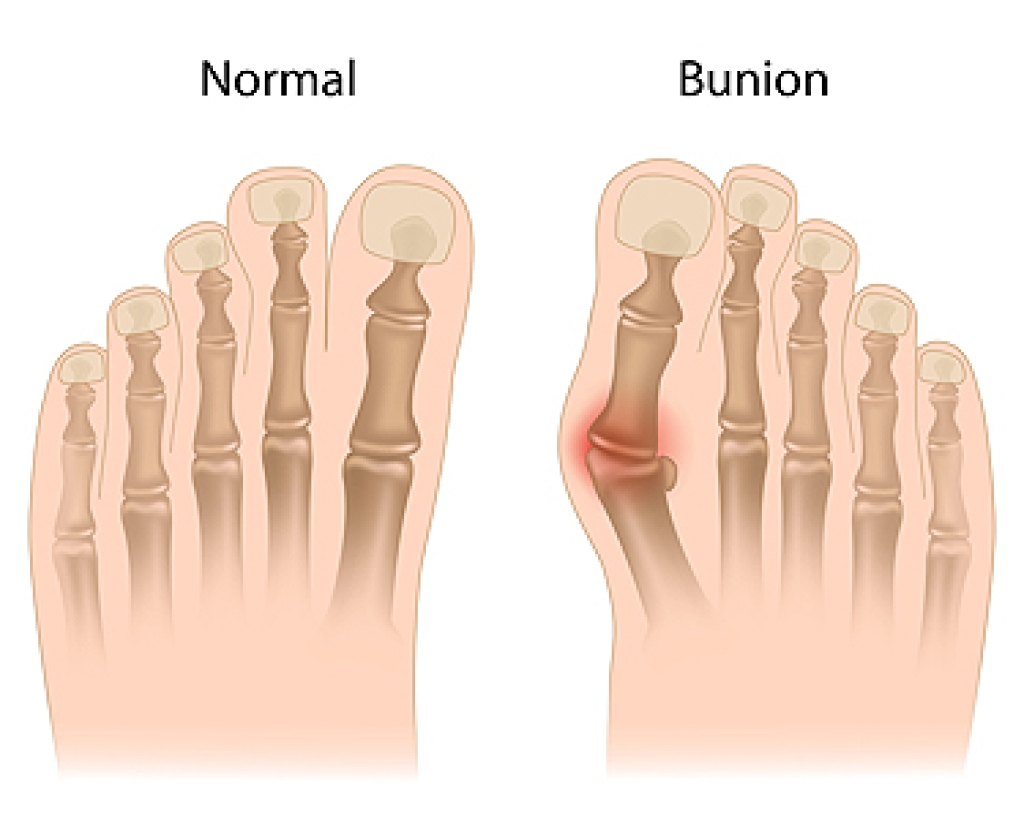
A bunion, a bony protrusion at the base of the big toe, results from bone, tendon, and tissue misalignment. This condition causes the big toe to angle towards the smaller toes. Non-surgical treatments aim to manage pain, reduce swelling, and slow bunion progression. Appropriate footwear plays a vital role, and choosing spacious, bunion-friendly shoes that allow toe room is essential, while avoiding pointed or tight shoes is advisable. Wearing orthotics can improve comfort, arch support, and weight distribution. Additionally, splints and toe spacers can help maintain toe alignment and alleviate pressure on the toes. Engaging in specific exercises can enhance flexibility, relieve pain, and strengthen foot muscles. Although these methods can alleviate symptoms and slow bunion progression, they do not correct the underlying bone misalignment. Surgery may become necessary for severe pain or when conservative treatments prove ineffective. If you have a bunion that is causing discomfort, it is suggested that you schedule an appointment with a podiatrist for pain-relieving treatment.

If you are suffering from bunions, contact Jeffrey Radack, DPM of Texas Regional Foot & Ankle Clinics. Our doctor can provide the care you need to keep you pain-free and on your feet.

What Is a Bunion?

A bunion is formed of swollen tissue or an enlargement of boney growth, usually located at the base joint of the toe that connects to the foot. The swelling occurs due to the bones in the big toe shifting inward, which impacts the other toes of the foot. This causes the area around the base of the big toe to become inflamed and painful.

Why Do Bunions Form?

Genetics – Susceptibility to bunions are often hereditary

Stress on the feet – Poorly fitted and uncomfortable footwear that places stress on feet, such as heels, can worsen existing bunions

How Are Bunions Diagnosed?

Doctors often perform two tests – blood tests and x-rays – when trying to diagnose bunions, especially in the early stages of development. Blood tests help determine if the foot pain is being caused by something else, such as arthritis, while x-rays provide a clear picture of your bone structure to your doctor.

How Are Bunions Treated?

  • Refrain from wearing heels or similar shoes that cause discomfort
  • Select wider shoes that can provide more comfort and reduce pain
  • Anti-inflammatory and pain management drugs
  • Orthotics or foot inserts
  • Surgery

If you have any questions, please feel free to contact our office located in McKinney and Coppell, TX . We offer the newest diagnostic and treatment technologies for all your foot care needs.
Read more about Bunions

Connect With Us