Pickleball and Arthritis

Pickleball, a blend of tennis, badminton, and ping-pong, is a low-impact sport that is gaining popularity for its joint-friendly benefits. Low impact means less stress on weight-bearing joints like hips, knees, and ankles, making it ideal for individuals with arthritis. The gentle, consistent movement during pickleball stimulates the production of synovial fluid, which lubricates joints and reduces stiffness. Regular play also improves balance, agility, and joint flexibility, key factors in preventing falls, which is a common concern for those with arthritis. To maximize the benefits, proper preparation is essential. Warm up before playing to loosen joints, and use supportive footwear designed to accommodate arthritic feet. If you play pickleball and have persistent joint pain, it is suggested that you consult a podiatrist to help you stay active safely.

Arthritis can be a difficult condition to live with. If you are seeking treatment, contact Jeffrey Radack, DPM from Texas Regional Foot & Ankle Clinics. Our doctor can provide the care you need to keep you pain-free and on your feet.

Arthritic Foot Care  

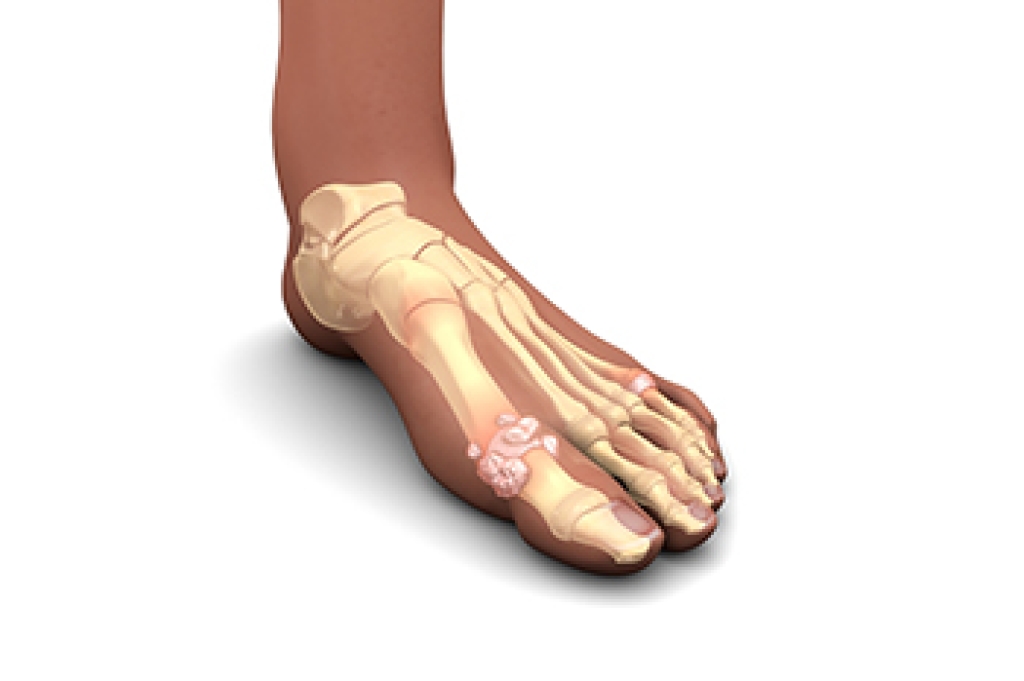
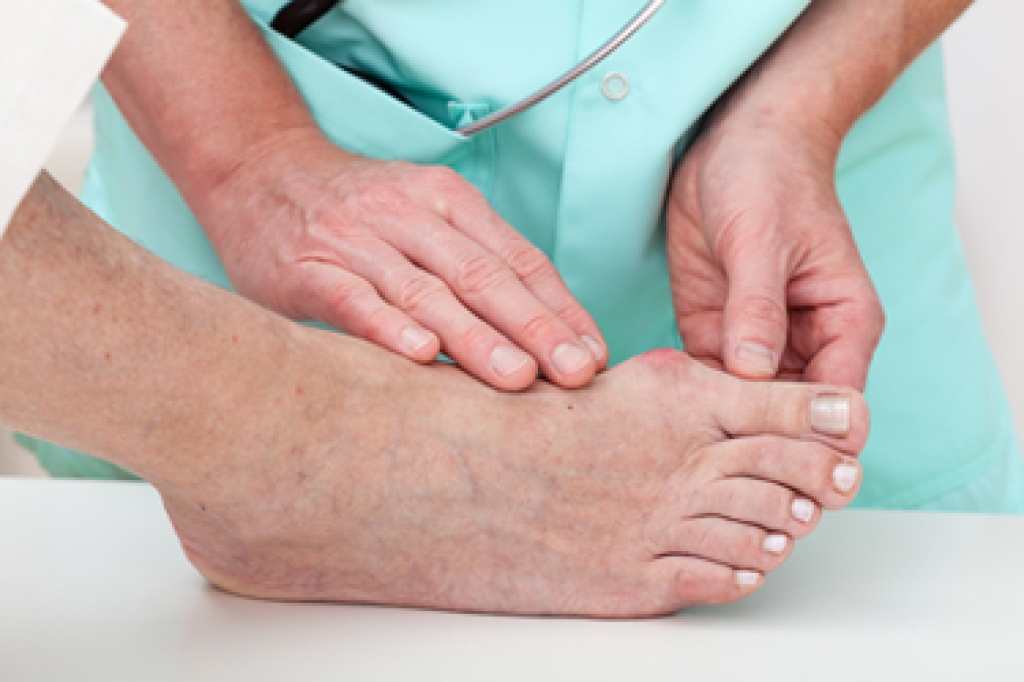
Arthritis is a joint disorder that involves the inflammation of different joints in your body, such as those in your feet. Arthritis is often caused by a degenerative joint disease and causes mild to severe pain in all affected areas. In addition to this, swelling and stiffness in the affected joints can also be a common symptom of arthritis.

In many cases, wearing ill-fitting shoes can worsen the effects and pain of arthritis. Wearing shoes that have a lower heel and extra room can help your feet feel more comfortable. In cases of rheumatoid arthritis, the arch in your foot may become problematic. Buying shoes with proper arch support that contour to your feet can help immensely.

Alleviating Arthritic Pain

  • Exercises that stretch the foot can prevent further pain and injury and increase mobility
  • Most of the pain can be alleviated with anti-inflammatory drugs, heat, and topical medications
  • Massages can help temporarily alleviate pain.

It is best to see your doctor for the treatment that is right for your needs and symptoms. Conditions vary, and a podiatrist can help you determine the right method of care for your feet.

If you have any questions please feel free to contact our office located in McKinney and Coppell, TX . We offer the newest diagnostic tools and technology to treat your foot and ankle needs.

Read more about Arthritic Foot Care

Risks of Having Bunion Surgery

Bunion surgery can help alleviate discomfort and improve foot alignment, but it is essential to understand the potential risks involved. One concern is the recurrence of the bunion, which may happen if the surgical approach does not address the underlying bone misalignment. Another complication of bunion surgery is stiffness in the big toe joint, often due to scar tissue or pre-existing arthritis, which can limit motion after surgery. Infection, while uncommon, may occur and could involve any hardware used to stabilize the bone. Hallux varus, a rare complication, may cause the big toe to deviate excessively in the opposite direction, potentially leading to pain and further deformity. Also, some patients experience postoperative issues, such as nonunion, where the bone fails to heal properly, often linked to overall health or other factors. A podiatrist can assess your case, recommend the best surgical techniques, and provide expert care during recovery to reduce risks and promote optimal results. If you have a painful bunion, it is suggested that you schedule an appointment with a podiatrist to find out if surgery is an option for you.

Foot surgery is sometimes necessary to treat a foot ailment. To learn more, contact Jeffrey Radack, DPM of Texas Regional Foot & Ankle Clinics. Our doctor will assist you with all of your foot and ankle needs.

When Is Surgery Necessary?

Foot and ankle surgery is generally reserved for cases in which less invasive, conservative procedures have failed to alleviate the problem. Some of the cases in which surgery may be necessary include:

  • Removing foot deformities like bunions and bone spurs
  • Severe arthritis that has caused bone issues
  • Cosmetic reconstruction

What Types of Surgery Are There?

The type of surgery you receive will depend on the nature of the problem you have. Some of the possible surgeries include:

  • Bunionectomy for painful bunions
  • Surgical fusion for realignment of bones
  • Neuropathy decompression surgery to treat nerve damage

Benefits of Surgery

Although surgery is usually a last resort, it can provide more complete pain relief compared to non-surgical methods and may allow you to finally resume full activity.

Surgical techniques have also become increasingly sophisticated. Techniques like endoscopic surgery allow for smaller incisions and faster recovery times.

If you have any questions, please feel free to contact our office located in McKinney and Coppell, TX . We offer the newest diagnostic and treatment technologies for all your foot care needs.

Read more about Foot Surgery

Are You Suffering From Nerve Damage?

Neuropathy is a condition that can lead to numbness or loss of sensation in the feet, but it can also cause pain. This condition is more likely to develop for those who are diabetic, obese, or with high blood pressure.

Metatarsalgia and Toe Pain

Metatarsalgia is characterized by pain and inflammation in the ball of the foot, often radiating into the toes. It occurs when excessive pressure is placed on the metatarsal bones, which bear much of the body’s weight during walking or running. High-impact activities, improper footwear like high heels or unsupportive shoes, foot deformities, or conditions such as arthritis or bunions can contribute to the development of metatarsalgia. The pain, often described as sharp, aching, or like walking on pebbles, can extend to the toes due to the close proximity of nerves and tissues. To manage metatarsalgia, rest, switch to supportive footwear with cushioning, and use insoles or padding to redistribute pressure. If pain persists, it is suggested that you consult a podiatrist for further evaluation and treatment to prevent the worsening of symptoms.

Toe pain can disrupt your daily activities. If you have any concerns, contact Jeffrey Radack, DPM of Texas Regional Foot & Ankle Clinics. Our doctor can provide the care you need to keep you pain-free and on your feet.

What Causes Toe Pain?

Most severe toe pain is caused due to a sports injury, trauma from dropping something heavy on the toe, or bumping into something rigid. Other problems can develop over time for various reasons.

Toe pain can be caused by one or more ailments. The most common include:

  • Trauma
  • Sports injury
  • Wearing shoes that are too tight
  • Arthritis
  • Gout
  • Corns and calluses
  • Hammertoe
  • Bunions
  • Blisters
  • Ingrown toenails
  • Sprains
  • Fractures (broken bones)
  • Dislocations

When to See a Podiatrist

  • Severe pain
  • Persistent pain that lasts more than a week
  • Signs of infection
  • Continued swelling
  • Pain that prevents walking

Diagnosis

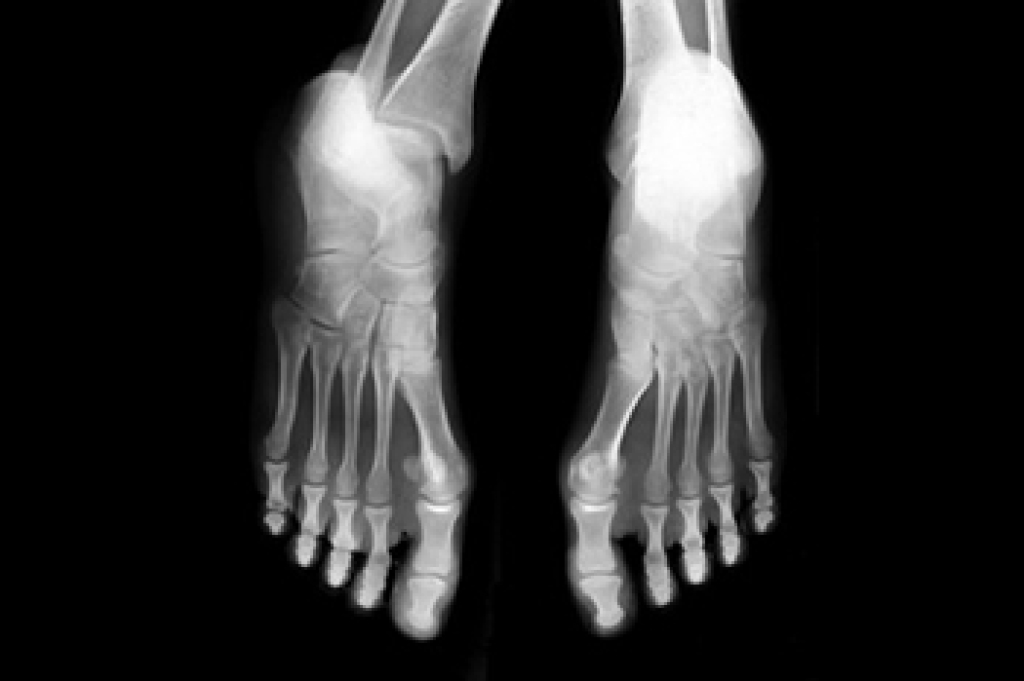
In many cases the cause of toe pain is obvious, but in others, a podiatrist may want to use more advanced methods to determine the problem. These can range from simple visual inspections and sensation tests to X-rays and MRI scans. Prior medical history, family medical history, and any recent physical traumatic events will all be taken into consideration for a proper diagnosis.

Treatment

Treatments for toe pain and injuries vary and may include shoe inserts, padding, taping, medicines, injections, and in some cases, surgery. If you believe that you have broken a toe, please see a podiatrist as soon as possible.

If you have any questions please contact our office located in McKinney and Coppell, TX . We offer the newest diagnostic and treatment technologies for all your foot and ankle needs.

Read more about Toe Pain

Key Facts About Gout in Children

Gout in children is rare but can still occur, usually due to genetic factors or underlying medical conditions, such as metabolic disorders. While it is more commonly seen in adults, particularly older men, certain children may develop gout due to high uric acid levels in their blood. These elevated levels can lead to the formation of urate crystals in the joints, causing painful inflammation. Common symptoms of gout in children include severe joint pain, swelling, and redness, often affecting the big toe or other joints. In some cases, conditions such as obesity, kidney disease, or a family history of gout may increase the risk. Early diagnosis and treatment are essential to managing gout in children, often involving medications to reduce uric acid levels and prevent flare-ups. If your child has symptoms of gout, it is strongly suggested that you promptly contact a podiatrist who can guide you on effective management techniques.

Gout is a painful condition that can be treated. If you are seeking treatment, contact Jeffrey Radack, DPM from Texas Regional Foot & Ankle Clinics. Our doctor will treat your foot and ankle needs.

What Is Gout?

Gout is a form of arthritis that is characterized by sudden, severe attacks of pain, redness, and tenderness in the joints. The condition usually affects the joint at the base of the big toe. A gout attack can occur at any random time, such as the middle of the night while you are asleep.

Symptoms

  • Intense Joint Pain - Usually around the large joint of your big toe, and it most severe within the first four to twelve hours
  • Lingering Discomfort - Joint discomfort may last from a few days to a few weeks
  • Inflammation and Redness -Affected joints may become swollen, tender, warm and red
  • Limited Range of Motion - May experience a decrease in joint mobility

Risk Factors

  • Genetics - If family members have gout, you’re more likely to have it
  • Medications - Diuretic medications can raise uric acid levels
  • Gender/Age - Gout is more common in men until the age of 60. It is believed that estrogen protects women until that point
  • Diet - Eating red meat and shellfish increases your risk
  • Alcohol - Having more than two alcoholic drinks per day increases your risk
  • Obesity - Obese people are at a higher risk for gout

Prior to visiting your podiatrist to receive treatment for gout, there are a few things you should do beforehand. If you have gout you should write down your symptoms--including when they started and how often you experience them, important medical information you may have, and any questions you may have. Writing down these three things will help your podiatrist in assessing your specific situation so that he or she may provide the best route of treatment for you.

If you have any questions, please feel free to contact our office located in McKinney and Coppell, TX . We offer the newest diagnostic and treatment technologies for all your foot care needs.

Read more about Gout

CRPS and Foot Pain

Complex Regional Pain Syndrome, or CRPS, is a chronic pain condition that can severely impact the feet, causing intense discomfort, swelling, and skin changes. CRPS often develops after an injury, surgery, or trauma, even if minor, when the nervous system overreacts, leading to persistent pain far beyond the original injury site. In the feet, CRPS may cause burning pain, heightened sensitivity to touch, temperature fluctuations, and skin color changes. The affected foot can become swollen and stiff, making movement difficult and sometimes causing muscle weakness. CRPS is most common in adults, but anyone with an injury may be at risk. Early diagnosis is important to manage symptoms effectively, often involving medications, targeted exercises, and nerve treatments. If you suffer from CRPS, it is suggested that you consult a podiatrist who can help improve function and prevent the condition from worsening.

Some foot conditions may require additional professional care. If you have any concerns, contact Jeffrey Radack, DPM of Texas Regional Foot & Ankle Clinics. Our doctor can provide the care you need to keep you pain-free and on your feet.

Rare Foot Conditions

The majority of foot conditions are common and can be treated by a podiatrist.  Standard diagnostic procedures are generally used to identify specific conditions and treatment can be rendered. A podiatrist also treats rare foot conditions which can be difficult to diagnose and may need extra attention and care. 

There are many rare foot conditions that can affect children. Some of these can include:

  • Freiberg’s disease
  • Kohler’s disease
  • Maffucci syndrome

Freiberg’s disease - This can be seen as a deterioration and flattening of a metatarsal bone that exists in the ball of the foot. It typically affects pre-teen and teenage girls, but can affect anyone at any age. Symptoms that can accompany this can be swelling, stiffness, and the patient may limp. 

Kohler’s disease - This often targets the bone in the arch of the foot and affects younger boys. It can lead to an interruption of the blood supply which ultimately can lead to bone deterioration. The patient may limp or experience tenderness, swelling, and redness.

Maffucci syndrome - This affects the long bones in a child’s foot leading to the development of abnormal bone lesions. They are benign growths and typically develop in early childhood and the bones may be susceptible to breaking. 

A podiatrist can properly diagnose and treat all types of rare foot conditions. If your child is affected by any of these symptoms or conditions, please don’t hesitate to call our office so the correct treatment method can begin.

If you have any questions, please feel free to contact our office located in McKinney and Coppell, TX . We offer the newest diagnostic and treatment technologies for all your foot care needs.

Read more about Rare Foot Conditions

Heel Pain in Active Children

Heel pain is common among active children, especially those who engage in sports that involve running and jumping. One frequent cause of heel pain in young athletes is termed Sever’s disease, a condition that typically affects children between 8 and 14 years old. This condition arises when the growth area where the Achilles tendon connects to the heel bone becomes inflamed due to the rapid growth of bones and soft tissues during puberty. Signs of Sever’s disease include pain in one or both heels, especially during or after physical activity, limping, and a tendency to walk on tiptoe. Various factors, such as flat foot posture, increased weight, and changes in footwear, may contribute to the pain. A podiatrist can assess and help manage symptoms by recommending specific footwear, using orthotics if necessary, and educating on activity modification. This approach helps children stay active while minimizing heel pain. If your active child complains of heel pain, it is suggested that you make an appointment with a podiatrist for appropriate treatment.

Sever's disease often occurs in children and teens. If your child is experiencing foot or ankle pain, see Jeffrey Radack, DPM from Texas Regional Foot & Ankle Clinics. Our doctor can treat your child’s foot and ankle needs.

Sever’s Disease

Sever’s disease is also known as calcaneal apophysitis, which is a medical condition that causes heel pain I none or both feet. The disease is known to affect children between the ages of 8 and 14.

Sever’s disease occurs when part of the child’s heel known as the growth plate (calcaneal epiphysis) is attached to the Achilles tendon. This area can suffer injury when the muscles and tendons of the growing foot do not keep pace with bone growth. Therefore, the constant pain which one experiences at the back of the heel will make the child unable to put any weight on the heel. The child is then forced to walk on their toes.

Symptoms

Acute pain – Pain associated with Sever’s disease is usually felt in the heel when the child engages in physical activity such as walking, jumping and or running.

Highly active – Children who are very active are among the most susceptible in experiencing Sever’s disease, because of the stress and tension placed on their feet.

If you have any questions, please feel free to contact our office located in McKinney and Coppell, TX . We offer the newest diagnostic and treatment technologies for all your foot care needs.

Read more about Sever's Disease

Get Professional Care for a Broken Foot or Ankle

Constant care and regular evaluation are important for a foot or ankle fracture. If left untreated, foot or ankle fractures can worsen over time and create more serious problems.

Don't wait to be examined if you believe you've experienced a foot or ankle fracture.

Managing Ankle Sprains

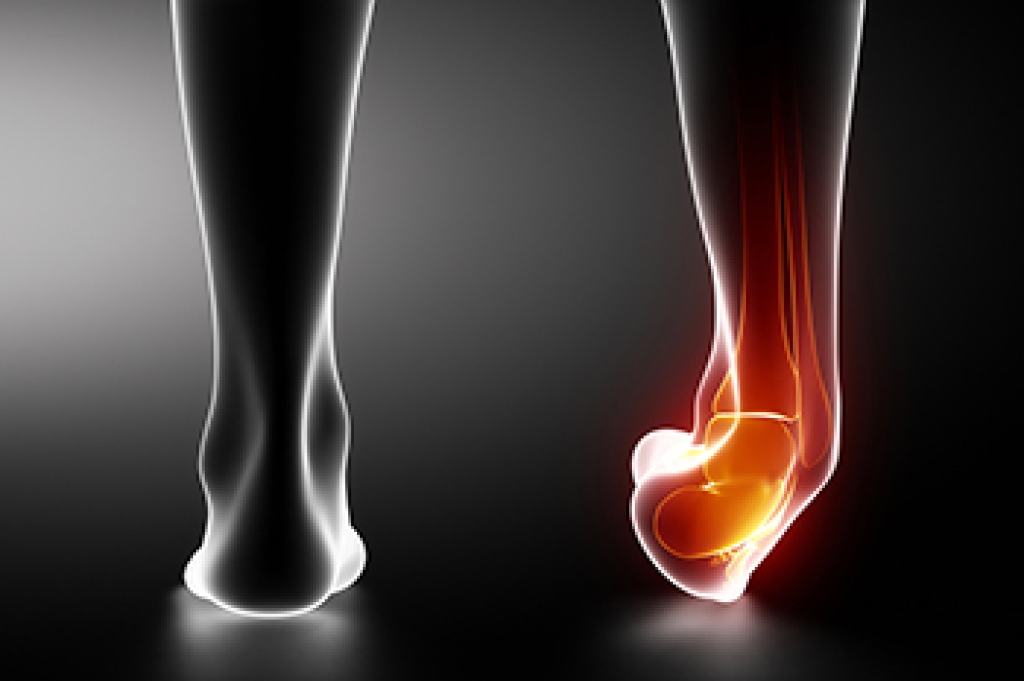
A sprained ankle usually happens when the ankle rolls inward, leading to stretching or tearing of the ligaments on the outside of the foot. This injury can cause pain, swelling, and difficulty bearing weight, although some people may still manage limited movement. Ankle sprains vary in severity, with mild cases involving minor ligament stretching, and severe cases leading to extensive tears, or ruptures, in the ankle's supporting ligaments. The risk of ankle sprains is higher in those individuals with previous sprains, high arches, or who participate in high-impact sports. Once the initial swelling subsides, certain exercises may be recommended to restore strength, balance, and range of motion, in an effort to prevent future injuries. A podiatrist can assess the severity of the injury, provide guidance on treatment options, and discuss options like bracing in severe cases. If you have sprained an ankle, it is suggested that you schedule an appointment with a podiatrist for a full exam, diagnosis, and treatment.

Ankle sprains are common but need immediate attention. If you need your feet checked, contact Jeffrey Radack, DPM from Texas Regional Foot & Ankle Clinics. Our doctor can provide the care you need to keep you pain-free and on your feet.

How Does an Ankle Sprain Occur?

Ankle sprains take place when the ligaments in your ankle are torn or stretched beyond their limits. There are multiple ways that the ankle can become injured, including twisting or rolling over onto your ankle, putting undue stress on it, or causing trauma to the ankle itself.

What Are the Symptoms?

  • Mild to moderate bruising
  • Limited mobility
  • Swelling
  • Discoloration of the skin (depending on severity)

Preventing a Sprain

  • Wearing appropriate shoes for the occasion
  • Stretching before exercises and sports
  • Knowing your limits

Treatment of a Sprain

Treatment of a sprain depends on the severity.  Many times, people are told to rest and remain off their feet completely, while others are given an air cast. If the sprain is very severe, surgery may be required.

If you have suffered an ankle sprain previously, you may want to consider additional support such as a brace and regular exercises to strengthen the ankle.

If you have any questions please feel free to contact our office located in McKinney and Coppell, TX . We offer the newest diagnostic tools and technology to treat your foot and ankle needs.

Read more about Ankle Sprains

Understanding Metatarsal Stress Fractures

A metatarsal stress fracture is a small crack in one of the five long bones in the foot, typically caused by repetitive pressure or overuse. Commonly seen in athletes, especially runners and dancers, these fractures can arise from sudden increases in activity, wearing improper footwear, or inadequate conditioning. Symptoms often include localized pain that worsens with activity and improves with rest, swelling, and tenderness in the midfoot area. Individuals may also experience difficulty walking or bearing weight on the affected foot. Recognizing these signs early is essential for effective treatment and recovery. If left untreated, a stress fracture can lead to more severe injuries and prolonged downtime. If you have developed a foot stress fracture, it is suggested that you consult a podiatrist who can effectively treat this condition.

Stress fractures occur when there is a tiny crack within a bone. To learn more, contact Jeffrey Radack, DPM from Texas Regional Foot & Ankle Clinics. Our doctor can provide the care you need to keep you pain free and on your feet.

How Are They Caused?

Stress fractures are the result of repetitive force being placed on the bone. Since the lower leg and feet often carry most of the body’s weight, stress fractures are likely to occur in these areas. If you rush into a new exercise, you are more likely to develop a stress fracture since you are starting too much, too soon.  Pain resulting from stress fractures may go unnoticed at first, however it may start to worsen over time.

Risk Factors

  • Gender – They are more commonly found in women compared to men.
  • Foot Problems – People with unusual arches in their feet are more likely to develop stress fractures.
  • Certain Sports – Dancers, gymnasts, tennis players, runners, and basketball players are more likely to develop stress fractures.
  • Lack of Nutrients – A lack of vitamin D and calcium may weaken the bones and make you more prone to stress fractures
  • Weak Bones – Osteoporosis can weaken the bones therefore resulting in stress fractures

Stress fractures do not always heal properly, so it is important that you seek help from a podiatrist if you suspect you may have one. Ignoring your stress fracture may cause it to worsen, and you may develop chronic pain as well as additional fractures.

If you have any questions please contact our office located in McKinney and Coppell, TX . We offer the newest diagnostic and treatment technologies for all your foot and ankle needs.

Read more about Stress Fractures of the Foot and Ankle

Connect With Us