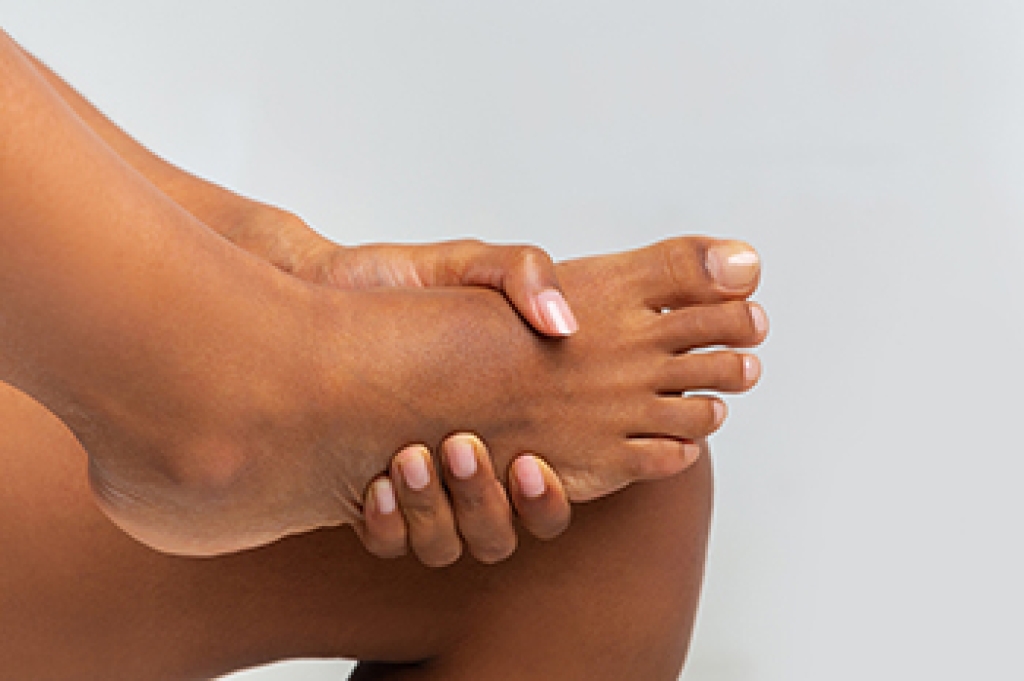
What Is a Plantar Fibroma?

Plantar fibroma, a condition affecting the foot's plantar fascia, is a non-cancerous growth or nodule within the arch. This fibrous tissue thickening can cause discomfort and pain, particularly while walking or standing for prolonged periods. Unlike a cyst or wart, a plantar fibroma feels firm to the touch and typically does not move under the skin. The exact cause of this condition remains unclear, although factors such as trauma or genetics may play a role in its development. Symptoms include a noticeable lump or mass in the arch of the foot, accompanied by tenderness or pain, especially when pressure is applied. Over time, the fibroma may increase in size, potentially affecting mobility and overall foot function. Diagnosis usually involves a physical examination by a podiatrist with treatment options ranging from orthotics and stretching exercises to surgical intervention, in more severe cases. If you have an uncomfortable lump on the sole or arch of your foot, it is suggested that you consult a podiatrist who can diagnose and treat a plantar fibroma.

A plantar fibroma may disrupt your daily activities. If you have any concerns, contact Jeffrey Radack, DPM of Texas Regional Foot & Ankle Clinics. Our doctor can provide the care you need to keep you pain-free and on your feet.

Plantar Fibroma

A plantar fibroma is a fibrous knot in the arch of the foot. It is embedded in the plantar fascia which is a band of tissue that extends from the heel to the toes along the bottom of the foot. There can be multiple plantar fibromas in the feet at the same time. There are no known causes for this condition. If you have a plantar fibroma, there will be a bump in the arch of your foot that cannot be missed. Any associated pain is most often due to a shoe rubbing against the nodule. Non-surgical options, such as steroid injections, physical therapy, and orthotics should be tried first. Surgery is a last resort and is the only thing that will remove a plantar fibroma entirely. Consult with a podiatrist for a proper diagnosis and to determine the treatment regimen that is right for you.

What Causes a Plantar Fibroma?

While there are no specific causes identified, a plantar fibroma can possibly come from genetic predisposition or the formation of scar tissue that forms from healing the tears in the plantar fascia.

What Are the Symptoms of a Plantar Fibroma?

There will be a noticeable lump in the arch of the foot that may or may not cause pain. If pain is felt, it is typically because a shoe is rubbing up against the lump or when walking or standing barefoot.

Treatment and Prevention

A plantar fibroma will not disappear without treatment, but it can get smaller and be a non-issue. If pain persists, a podiatrist examines the foot and when the arch of the foot is pressed, pain can be felt down to the toes. An MRI or biopsy might be performed to help diagnose or evaluate the plantar fibroma. The following non-surgical options are generally enough to reduce the size and pain of these nodules:

  • Steroid injections
  • Orthotics
  • Physical therapy to help apply anti-inflammatory creams on the bump 

Surgery is considered if the mass increases in size and the patient continues to feel pain after non-surgical methods are tried.

If you have any questions, please feel free to contact our office located in McKinney and Coppell, TX . We offer the newest diagnostic and treatment technologies for all your foot care needs.
Read more about Plantar Fibroma

Common Foot Ailments in Elderly Individuals

As we age, our bodies undergo various changes, and the feet are often affected. Elderly individuals usually experience common foot ailments that can significantly impact their mobility and quality of life. Among these ailments are bunions, which are painful bony bumps that form at the base of the big toe, often causing discomfort and difficulty in wearing shoes. Another prevalent issue is plantar fasciitis, characterized by inflammation of the tissue that runs across the bottom of the foot, leading to heel pain, especially with the first steps in the morning. Additionally, corns and calluses frequently develop due to friction and pressure, causing thickened and hardened areas of skin that can be painful to walk on. It is vital for elderly individuals to seek proper care and treatment for these foot ailments to alleviate discomfort and maintain their mobility and independence for as long as possible. If you are elderly and have developed foot pain or specific foot conditions, it is suggested that you confer with a podiatrist who can offer you relief options, in addition to guiding you on exceptional foot care practices.

Proper foot care is something many older adults forget to consider. If you have any concerns about your feet and ankles, contact Jeffrey Radack, DPM from Texas Regional Foot & Ankle Clinics. Our doctor can provide the care you need to keep you pain-free and on your feet.

The Elderly and Their Feet

As we age we start to notice many changes in our body, but the elder population may not notice them right away. Medical conditions may prevent the elderly to take notice of their foot health right away. Poor vision is a lead contributor to not taking action for the elderly.

Common Conditions 

  • Neuropathy – can reduce feeling in the feet and can hide many life-threatening medical conditions.
  • Reduced flexibility – prevents the ability of proper toenail trimming, and foot cleaning. If left untreated, it may lead to further medical issues.
  • Foot sores – amongst the older population can be serious before they are discovered. Some of the problematic conditions they may face are:
  • Gouging toenails affecting nearby toe
  • Shoes that don’t fit properly
  • Pressure sores
  • Loss of circulation in legs & feet
  • Edema & swelling of feet and ankles

Susceptible Infections

Diabetes and poor circulation can cause general loss of sensitivity over the years, turning a simple cut into a serious issue.

If you have any questions, please feel free to contact our office located in McKinney and Coppell, TX . We offer the newest diagnostic and treatment technologies for all your foot care needs.

Read more about Elderly and their Feet

What is Peroneal Tendonitis?

Peroneal tendonitis is inflammation of the peroneal tendons along the outside of the ankle, often due to overuse or sudden increases in activity. Athletes, particularly runners and dancers, are prone to this condition. Symptoms include pain, swelling, and tenderness along the outside of the ankle, especially during physical activity. Diagnosis involves a physical exam, imaging tests, and assessment of medical history. Treatment includes rest, anti-inflammatory medications, and exercises to strengthen muscles and improve flexibility. In severe cases, immobilization or corticosteroid injections may be necessary. A podiatrist can provide expert diagnosis and treatment, offering personalized rehabilitation strategies to alleviate symptoms and prevent the recurrence of peroneal tendonitis. If you have pain on the outside of your ankle, it is suggested that you contact a podiatrist for care.

Foot and ankle trauma is common among athletes and the elderly. If you have concerns that you may have experienced trauma to the foot and ankle, consult with Jeffrey Radack, DPM from Texas Regional Foot & Ankle Clinics. Our doctor will assess your condition and provide you with quality foot and ankle treatment.

Foot and ankle trauma cover a range of injuries all over the foot; common injuries include:

  • Broken bones
  • Muscle strains
  • Injuries to the tendons and ligaments
  • Stress fractures

Symptoms

Symptoms of foot and ankle injuries vary depending on the injury, but more common ones include:

  • Bruising
  • Inflammation/ Swelling
  • Pain

Diagnosis

To properly diagnose the exact type of injury, podiatrists will conduct a number of different tests. Some of these include sensation and visual tests, X-rays, and MRIs. Medical and family histories will also be taken into account.

Treatment

Once the injury has been diagnosed, the podiatrist can than offer the best treatment options for you. In less severe cases, rest and keeping pressure off the foot may be all that’s necessary. Orthotics, such as a specially made shoes, or immobilization devices, like splints or casts, may be deemed necessary. Finally, if the injury is severe enough, surgery may be necessary.

If you have any questions, please feel free to contact our office located in McKinney and Coppell, TX . We offer the newest diagnostic and treatment technologies for all your foot care needs.

Read more about Foot and Ankle Trauma

Common Foot Injuries in Baseball

Baseball players may experience various foot and ankle injuries, including contusions, fractures, heel spurs, and Achilles tendonitis. While these injuries can sideline even the most seasoned athletes, intervention from a podiatrist can make all the difference in swift recovery and long-term performance. Contusions are a common occurrence from ball contact or collisions among players. Sprains and fractures can occur during dynamic plays, such as sliding into a base, and require immediate medical attention. Catchers, who often bear the brunt of repetitive stress, can find relief from conditions such as plantar fasciitis and heel spur syndrome through custom orthotic devices and footwear recommendations provided by a podiatrist. By addressing issues like Achilles tendonitis with specialized care, including targeted stretching and strengthening programs, a podiatrist can help baseball players overcome injuries. If you incur a foot or ankle injury while playing baseball, it is suggested that you schedule an appointment with a podiatrist.

Ankle and foot injuries are common among athletes and in many sports. They can be caused by several problems and may be potentially serious. If you are feeling pain or think you were injured in a sporting event or when exercising, consult with Jeffrey Radack, DPM from Texas Regional Foot & Ankle Clinics. Our doctor will assess your condition and provide you with quality foot and ankle treatment.

Common Injuries

The most common injuries that occur in sporting activities include:

  • Achilles Tendonitis
  • Achilles Tendon Rupture
  • Ankle Sprains
  • Broken Foot
  • Plantar Fasciitis
  • Stress Fractures
  • Turf Toe

Symptoms

Symptoms vary depending upon the injury and in some cases, there may be no symptoms at all. However, in most cases, some form of symptom is experienced. Pain, aching, burning, bruising, tenderness, tightness or stiffness, sensation loss, difficulty moving, and swelling are the most common symptoms.

Treatment

Just as symptoms vary depending upon the injury, so do treatment options. A common treatment method is known as the RICE method. This method involves rest, applying ice, compression and elevating the afflicted foot or ankle. If the injury appears to be more serious, surgery might be required, such as arthroscopic or reconstructive surgery. Lastly, rehabilitation or therapy might be needed to gain full functionality in the afflicted area. Any discomfort experienced by an athlete must be evaluated by a licensed, reputable medical professional.  

If you have any questions please contact our office located in McKinney and Coppell, TX . We offer the newest diagnostic and treatment technologies for all your foot and ankle needs.

Read more about Sports Related Foot and Ankle Injuries

Wounds That Don't Heal Need to Be Checked

Your feet are covered most of the day. If you're diabetic, periodic screening is important for good health. Numbness is often a sign of diabetic foot and can mask a sore or wound.

Causes of Black Toenail

After a long walk or a vigorous run, it is not uncommon to notice a toenail that has turned black, blue, or gray, often accompanied by swelling underneath the nail. This phenomenon, known as a black toenail, is typically caused by bleeding beneath the nail, medically termed a subungual hematoma. The most common cause of black toenail is trauma, such as stubbing your toe or dropping something heavy on it. It is also common among runners as the result of repetitive pressure as the toe hits the front of the shoe. A podiatrist can offer treatment options to alleviate discomfort from black toenail and aid in the healing process. For cases where the nail is significantly raised and painful, a procedure called trephination may be recommended, which involves creating a small hole in the nail to relieve pressure and facilitate drainage. Preventing black toenails involves ensuring proper footwear and sock fit, especially during physical activity. Shoes should allow for sufficient toe room to accommodate swelling, while proper lacing techniques can minimize toe trauma. If you have developed a black toenail that is causing pain, it is suggested that you visit a podiatrist for an exam and the appropriate treatment measures.

Toe pain can disrupt your daily activities. If you have any concerns, contact Jeffrey Radack, DPM of Texas Regional Foot & Ankle Clinics. Our doctor can provide the care you need to keep you pain-free and on your feet.

What Causes Toe Pain?

Most severe toe pain is caused due to a sports injury, trauma from dropping something heavy on the toe, or bumping into something rigid. Other problems can develop over time for various reasons.

Toe pain can be caused by one or more ailments. The most common include:

  • Trauma
  • Sports injury
  • Wearing shoes that are too tight
  • Arthritis
  • Gout
  • Corns and calluses
  • Hammertoe
  • Bunions
  • Blisters
  • Ingrown toenails
  • Sprains
  • Fractures (broken bones)
  • Dislocations

When to See a Podiatrist

  • Severe pain
  • Persistent pain that lasts more than a week
  • Signs of infection
  • Continued swelling
  • Pain that prevents walking

Diagnosis

In many cases the cause of toe pain is obvious, but in others, a podiatrist may want to use more advanced methods to determine the problem. These can range from simple visual inspections and sensation tests to X-rays and MRI scans. Prior medical history, family medical history, and any recent physical traumatic events will all be taken into consideration for a proper diagnosis.

Treatment

Treatments for toe pain and injuries vary and may include shoe inserts, padding, taping, medicines, injections, and in some cases, surgery. If you believe that you have broken a toe, please see a podiatrist as soon as possible.

If you have any questions please contact our office located in McKinney and Coppell, TX . We offer the newest diagnostic and treatment technologies for all your foot and ankle needs.

Read more about Toe Pain

Symptoms of Tarsal Tunnel Syndrome

Tarsal tunnel syndrome is a condition that occurs when the tibial nerve, which runs through the inside of the ankle, becomes compressed. This compression can lead to a range of symptoms, commonly including a tingling sensation, numbness, or a burning pain in the foot, especially in the sole or arch. Some people may also experience these sensations extending to the heel, toes, or up into the calf. The discomfort often worsens with activity and can become more pronounced at night. Tarsal tunnel syndrome can be caused by anything that increases pressure in the tarsal tunnel, such as swelling from an injury, flat feet that strain the nerve, or growths like cysts. If you suspect tarsal tunnel syndrome, it is suggested that you seek prompt evaluation from a podiatrist.

Tarsal tunnel syndrome can be very uncomfortable to live with. If you are experiencing tarsal tunnel syndrome, contact Jeffrey Radack, DPM of Texas Regional Foot & Ankle Clinics. Our doctor can provide the care you need to keep you pain-free and on your feet.

Tarsal Tunnel Syndrome

Tarsal tunnel syndrome, which can also be called tibial nerve dysfunction, is an uncommon condition of misfiring peripheral nerves in the foot. The tibial nerve is the peripheral nerve in the leg responsible for sensation and movement of the foot and calf muscles. In tarsal tunnel syndrome, the tibial nerve is damaged, causing problems with movement and feeling in the foot of the affected leg.

Common Cause of Tarsal Tunnel Syndrome

  • Involves pressure or an injury, direct pressure on the tibial nerve for an extended period of time, sometimes caused by other body structures close by or near the knee.
  • Diseases that damage nerves, including diabetes, may cause tarsal tunnel syndrome.
  • At times, tarsal tunnel syndrome can appear without an obvious cause in some cases.

The Effects of Tarsal Tunnel Syndrome

  • Different sensations, an afflicted person may experience pain, tingling, burning or other unusual sensations in the foot of the affected leg.
  • The foot muscles, toes and ankle become weaker, and curling your toes or flexing your foot can become difficult.
  • If condition worsens, infections and ulcers may develop on the foot that is experiencing the syndrome.

A physical exam of the leg can help identify the presence of tarsal tunnel syndrome. Medical tests, such as a nerve biopsy, are also used to diagnose the condition. Patients may receive physical therapy and prescriptive medication. In extreme cases, some may require surgery.

If you have any questions please contact our office located in McKinney and Coppell, TX . We offer the newest diagnostic and treatment technologies for all your foot and ankle needs.

Read more about Tarsal Tunnel Syndrome

Treatment Options for Achilles Tendon Pain

Treatment for Achilles tendon pain involves a comprehensive approach to alleviate discomfort and promote healing. Short-term use of non-steroidal anti-inflammatory drugs, NSAIDs, under medical supervision can provide relief from Achilles tendon pain. Incorporating warm-up exercises, stretching, and resistance training to strengthen the lower leg muscles and improve tendon function may be prescribed. Orthotic devices such as shoe inserts can help to redistribute pressure away from the Achilles tendon and facilitate healing. Surgical intervention is reserved for cases where conservative treatments have failed, involving procedures such as tendon removal or reattachment. For a personalized treatment plan to treat Achilles tendon pain, it is suggested that you schedule an appointment with a podiatrist. 

Achilles tendon injuries need immediate attention to avoid future complications. If you have any concerns, contact Jeffrey Radack, DPM of Texas Regional Foot & Ankle Clinics. Our doctor can provide the care you need to keep you pain-free and on your feet.

What Is the Achilles Tendon?

The Achilles tendon is a tendon that connects the lower leg muscles and calf to the heel of the foot. It is the strongest tendon in the human body and is essential for making movement possible. Because this tendon is such an integral part of the body, any injuries to it can create immense difficulties and should immediately be presented to a doctor.

What Are the Symptoms of an Achilles Tendon Injury?

There are various types of injuries that can affect the Achilles tendon. The two most common injuries are Achilles tendinitis and ruptures of the tendon.

Achilles Tendinitis Symptoms

  • Inflammation
  • Dull to severe pain
  • Increased blood flow to the tendon
  • Thickening of the tendon

Rupture Symptoms

  • Extreme pain and swelling in the foot
  • Total immobility

Treatment and Prevention

Achilles tendon injuries are diagnosed by a thorough physical evaluation, which can include an MRI. Treatment involves rest, physical therapy, and in some cases, surgery. However, various preventative measures can be taken to avoid these injuries, such as:

  • Thorough stretching of the tendon before and after exercise
  • Strengthening exercises like calf raises, squats, leg curls, leg extensions, leg raises, lunges, and leg presses

If you have any questions please feel free to contact our office located in McKinney and Coppell, TX . We offer the newest diagnostic tools and technology to treat your foot and ankle needs.

Read more about Achilles Tendon Injuries

Managing Blisters on the Feet

Blisters are small fluid-filled pockets that commonly form on the skin and can be particularly bothersome when they develop on the feet. Whether caused by friction from wearing ill-fitting shoes, prolonged walking, running, or heat, blisters can cause discomfort and interfere with daily activities. While most blisters on the feet heal naturally within a week, it is essential to avoid popping them yourself, as this can increase the risk of infection and prolong recovery time. Instead, gently cover the blister with a dry, sterile dressing to help protect it as it heals. If there are signs of infection, such as redness, swelling, or pus, seeking prompt medical attention from a podiatrist is suggested. Podiatrists may prescribe antibiotics for infected blisters or perform procedures like blister drainage under sterile conditions for larger or more painful blisters. If you experience persistent or recurrent blisters on your feet, it is suggested that you schedule an appointment with a podiatrist to ensure safe and effective treatment as well as prevention strategies.

Blisters may appear as a single bubble or in a cluster. They can cause a lot of pain and may be filled with pus, blood, or watery serum. If your feet are hurting, contact Jeffrey Radack, DPM of Texas Regional Foot & Ankle Clinics. Our doctor can provide the care you need to keep you pain-free and on your feet.

Foot Blisters

Foot blisters are often the result of friction. This happens due to the constant rubbing from shoes, which can lead to pain.

What Are Foot Blisters?

A foot blister is a small fluid-filled pocket that forms on the upper-most layer of the skin. Blisters are filled with clear fluid and can lead to blood drainage or pus if the area becomes infected.

Symptoms

(Blister symptoms may vary depending on what is causing them)

  • Bubble of skin filled with fluid
  • Redness
  • Moderate to severe pain
  • Itching

Prevention & Treatment

In order to prevent blisters, you should be sure to wear comfortable shoes with socks that cushion your feet and absorb sweat. Breaking a blister open may increase your chances of developing an infection. However, if your blister breaks, you should wash the area with soap and water immediately and then apply a bandage to the affected area. If your blisters cause severe pain it is important that you call your podiatrist right away.

If you have any questions, please feel free to contact our office located in McKinney and Coppell, TX . We offer the newest diagnostic and treatment technologies for all your foot care needs.
Read more about Blisters

Causes and Symptoms of Athlete’s Foot

Athlete's foot, also known as tinea pedis, is a common fungal infection of the foot caused by dermatophytes. This infection thrives in warm, moist environments and is often the result of coming into contact with contaminated surfaces, like locker room floors. Symptoms include scaling, peeling skin, and redness between the toes. Other symptoms of athlete’s foot are blistering and itching. If left untreated, athlete's foot can lead to secondary bacterial infections or allergic reactions, particularly in individuals with a compromised immune system or diabetes. Prevention involves maintaining good foot hygiene, wearing breathable footwear, and avoiding sharing personal items, like shoes or towels. If you suspect you have athlete's foot or experience severe symptoms like excessive redness, swelling, or pus, it's essential to seek prompt medical attention from a podiatrist. A podiatrist can provide an accurate diagnosis and recommend an advanced treatment plan to alleviate complications. For help in dealing with a stubborn athlete’s foot infection, It is suggested that you make an appointment with a podiatrist. 

Athlete’s foot is an inconvenient condition that can be easily reduced with the proper treatment. If you have any concerns about your feet and ankles, contact Jeffrey Radack, DPM from Texas Regional Foot & Ankle Clinics.  Our doctor will treat your foot and ankle needs.

Athlete’s Foot: The Sole Story

Athlete's foot, also known as tinea pedis, can be an extremely contagious foot infection. It is commonly contracted in public changing areas and bathrooms, dormitory style living quarters, around locker rooms and public swimming pools, or anywhere your feet often come into contact with other people.

Solutions to Combat Athlete’s Foot

  • Hydrate your feet by using lotion
  • Exfoliate
  • Buff off nails
  • Use of anti-fungal products
  • Examine your feet and visit your doctor if any suspicious blisters or cuts develop

Athlete’s foot can cause many irritating symptoms such as dry and flaking skin, itching, and redness. Some more severe symptoms can include bleeding and cracked skin, intense itching and burning, and even pain when walking. In the worst cases, Athlete’s foot can cause blistering as well. Speak to your podiatrist for a better understanding of the different causes of Athlete’s foot, as well as help in determining which treatment options are best for you.

If you have any questions please feel free to contact our office located in McKinney and Coppell, TX . We offer the newest diagnostic and treatment technologies for all your foot and ankle needs.

Read more about Athlete's Foot

Connect With Us