How Children Can Cope With Sever’s Disease

Engaging in a sport can be a rewarding and exciting way for children to spend their time. However, as a growing child engages in increased physical activity, they may be at a greater risk for Sever’s disease. This foot affliction occurs when the growth plate in one or both of a child’s heels becomes swollen. The resulting stress put on the heel can make the back of the foot red and inflamed. Children with Sever’s disease can experience pain and discomfort when putting weight on their heel. This condition occurs most often in children during puberty and growth spurts. Usually children are most affected by this condition during sports season. Although Sever’s disease can be painful, there are a number of steps that you can take to help your child mitigate the condition. For example, a child can stretch before engaging in physical activity, paying particular attention to the hamstrings and calf muscles. Also, you can help your child select a good pair of sneakers to make sure that they are getting the proper amount of support they need in their heels. Sever’s disease is certainly not pleasant for any growing child, so you might consult a podiatrist to help your child manage this condition.

Sever's disease often occurs in children and teens. If your child is experiencing foot or ankle pain, see Jeffrey Radack, DPM from Texas Regional Foot & Ankle Clinics. Our doctor can treat your child’s foot and ankle needs.

Sever’s Disease

Sever’s disease is also known as calcaneal apophysitis, which is a medical condition that causes heel pain I none or both feet. The disease is known to affect children between the ages of 8 and 14.

Sever’s disease occurs when part of the child’s heel known as the growth plate (calcaneal epiphysis) is attached to the Achilles tendon. This area can suffer injury when the muscles and tendons of the growing foot do not keep pace with bone growth. Therefore, the constant pain which one experiences at the back of the heel will make the child unable to put any weight on the heel. The child is then forced to walk on their toes.

Symptoms

Acute pain – Pain associated with Sever’s disease is usually felt in the heel when the child engages in physical activity such as walking, jumping and or running.

Highly active – Children who are very active are among the most susceptible in experiencing Sever’s disease, because of the stress and tension placed on their feet.

If you have any questions, please feel free to contact our office located in McKinney and Coppell, TX . We offer the newest diagnostic and treatment technologies for all your foot care needs.

Read more about Sever's Disease

Why Live with Pain and Numbness in Your Feet?

Suffering from this type of pain? You may have the foot condition known as Morton's neuroma. Morton's neuroma may develop as a result of ill-fitting footwear and existing foot deformities. We can help.

The Timeframe for Toenail Fungus to Heal

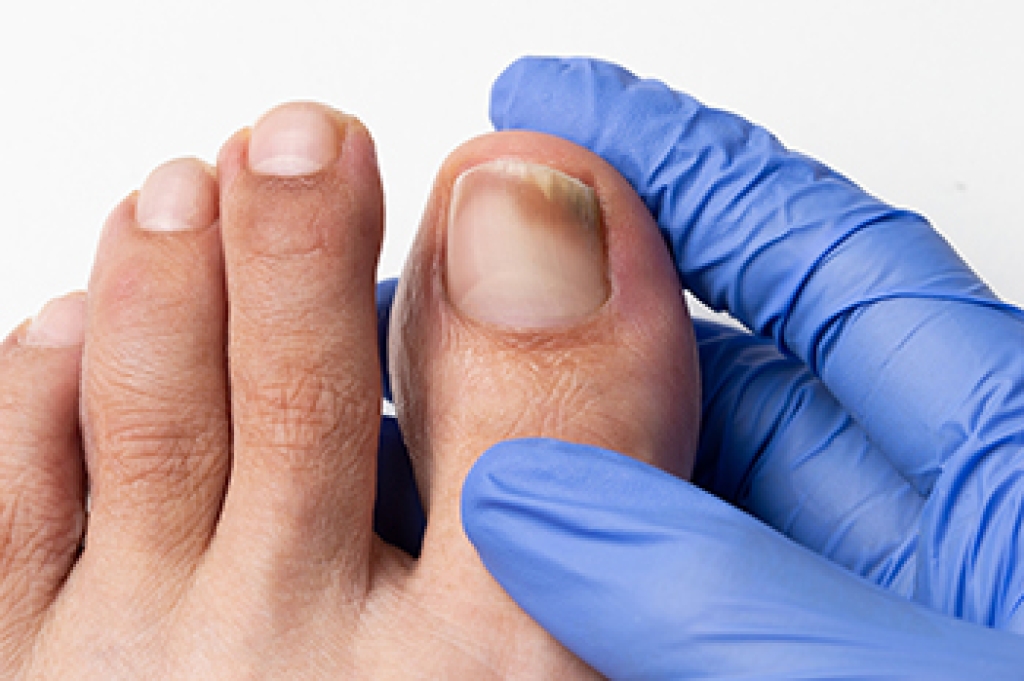
Toenail fungus is a noticeable foot condition. A toenail that is dark and thick can be caused by a fungus that is known as dermatophytes. The nail can change shape, and the color may differ as a result of the area which is affected underneath the nail. Many times, the nail on the big toe is the first to start developing toenail fungus, and in severe cases, it may travel to other nails. There may be existing medical conditions that can lead to toenail fungus. These can include diabetes, problems with circulation, or a weakened immune system. If this condition is not treated promptly, the nails may begin to crumble, and the fungus may grow under the nail, and possibly ooze. Effective treatment may take months to completely heal the fungus, and it is important to stay consistent with applying creams, and taking medication. A podiatrist can properly diagnose and treat this condition, and it is suggested that you schedule an appointment as soon as possible so the proper treatment can begin.

If left untreated, toenail fungus may spread to other toenails, skin, or even fingernails. If you suspect you have toenail fungus it is important to seek treatment right away. For more information about treatment, contact Jeffrey Radack, DPM of Texas Regional Foot & Ankle Clinics. Our doctor can provide the care you need to keep you pain-free and on your feet.

Symptoms

  • Warped or oddly shaped nails
  • Yellowish nails
  • Loose/separated nail
  • Buildup of bits and pieces of nail fragments under the nail
  • Brittle, broken, thickened nail

Treatment

If self-care strategies and over-the-counter medications does not help your fungus, your podiatrist may give you a prescription drug instead. Even if you find relief from your toenail fungus symptoms, you may experience a repeat infection in the future.

Prevention

In order to prevent getting toenail fungus in the future, you should always make sure to wash your feet with soap and water. After washing, it is important to dry your feet thoroughly especially in between the toes. When trimming your toenails, be sure to trim straight across instead of in a rounded shape. It is crucial not to cover up discolored nails with nail polish because that will prevent your nail from being able to “breathe”.

In some cases, surgical procedure may be needed to remove the toenail fungus. Consult with your podiatrist about the best treatment options for your case of toenail fungus.  

If you have any questions please contact our office located in McKinney and Coppell, TX . We offer the newest diagnostic and treatment technologies for all your foot and ankle needs.

Read more about Treating Toenail Fungus

Achilles Tendinopathy: A Common Sports Injury

The Achilles tendon attaches the heel bone with the calf muscles and helps make plantar flexion possible (bending your foot downward at the ankle). Tennis players, dancers, and runners in particular engage their Achilles tendon constantly, and can sometimes suffer an overuse injury known as Achilles tendinopathy. Achilles tendinopathy usually develops when tiny repeated injuries (micro-traumas) to the Achilles tendon occur and never fully or properly heal. This repeated wear and damage compounds over time and eventually causes the Achilles tendon to become swollen, stiff, and painful. Poor training habits can also be a precursor to Achilles tendinopathy, such as training on hard/sloped surfaces, using improper technique, wearing inadequate footwear, and increasing the intensity or frequency of your workouts too rapidly. If you believe you have Achilles tendinopathy, it is suggested that you consult with a podiatrist as soon as possible. A podiatrist can relieve your symptoms while helping to heal the Achilles tendon properly with various techniques and therapies, exercises, painkillers, orthotics, and more. 

Ankle and foot injuries are common among athletes and in many sports. They can be caused by several problems and may be potentially serious. If you are feeling pain or think you were injured in a sporting event or when exercising, consult with Jeffrey Radack, DPM from Texas Regional Foot & Ankle Clinics. Our doctor will assess your condition and provide you with quality foot and ankle treatment.

Common Injuries

The most common injuries that occur in sporting activities include:

  • Achilles Tendonitis
  • Achilles Tendon Rupture
  • Ankle Sprains
  • Broken Foot
  • Plantar Fasciitis
  • Stress Fractures
  • Turf Toe

Symptoms

Symptoms vary depending upon the injury and in some cases, there may be no symptoms at all. However, in most cases, some form of symptom is experienced. Pain, aching, burning, bruising, tenderness, tightness or stiffness, sensation loss, difficulty moving, and swelling are the most common symptoms.

Treatment

Just as symptoms vary depending upon the injury, so do treatment options. A common treatment method is known as the RICE method. This method involves rest, applying ice, compression and elevating the afflicted foot or ankle. If the injury appears to be more serious, surgery might be required, such as arthroscopic or reconstructive surgery. Lastly, rehabilitation or therapy might be needed to gain full functionality in the afflicted area. Any discomfort experienced by an athlete must be evaluated by a licensed, reputable medical professional.  

If you have any questions please contact our office located in McKinney and Coppell, TX . We offer the newest diagnostic and treatment technologies for all your foot and ankle needs.

Read more about Sports Related Foot and Ankle Injuries

Bunion Surgery May Be Necessary

Bunions may be prevented from developing. A bunion is defined as a bony protrusion on the side of the big toe and can gradually occur from wearing shoes that do not fit correctly. In severe cases, the bunion can cause the other toes to overlap, and this may cause difficulty in walking and completing daily activities. Some of the suggested ways to prevent bunions from developing can include wearing shoes that have adequate room for the toes to move freely as well as avoiding high heels. It can be beneficial to frequently rest the feet as this can provide the opportunity to stretch the toes. If the bunion is painful, it may feel better to wear a protective pad on top of it which may aid in reducing the pressure against the shoe. When a bunion is severe, surgery may be a necessary option for permanent relief. If you notice the beginning stages of a developing bunion, it is suggested that you contact a podiatrist who can offer the correct treatment options. 

If you are suffering from bunions, contact Jeffrey Radack, DPM of Texas Regional Foot & Ankle Clinics. Our doctor can provide the care you need to keep you pain-free and on your feet.

What Is a Bunion?

A bunion is formed of swollen tissue or an enlargement of boney growth, usually located at the base joint of the toe that connects to the foot. The swelling occurs due to the bones in the big toe shifting inward, which impacts the other toes of the foot. This causes the area around the base of the big toe to become inflamed and painful.

Why Do Bunions Form?

Genetics – Susceptibility to bunions are often hereditary

Stress on the feet – Poorly fitted and uncomfortable footwear that places stress on feet, such as heels, can worsen existing bunions

How Are Bunions Diagnosed?

Doctors often perform two tests – blood tests and x-rays – when trying to diagnose bunions, especially in the early stages of development. Blood tests help determine if the foot pain is being caused by something else, such as arthritis, while x-rays provide a clear picture of your bone structure to your doctor.

How Are Bunions Treated?

  • Refrain from wearing heels or similar shoes that cause discomfort
  • Select wider shoes that can provide more comfort and reduce pain
  • Anti-inflammatory and pain management drugs
  • Orthotics or foot inserts
  • Surgery

If you have any questions, please feel free to contact our office located in McKinney and Coppell, TX . We offer the newest diagnostic and treatment technologies for all your foot care needs.

Read more about What Are Bunions?

Toeing the Line on Toe Pain

The toes are instrumental in everyday movements like walking and running—not to mention athletic activities. Toes are therefore more susceptible to injury which can result in pain. Toe pain can also be caused by a variety of factors including dysfunction in tissues, bones, nerves, skin, and other parts of the toes. It may also be the result of conditions such as hammertoe, arthritis (including gout), ingrown toenails, bunions, blisters, corns, calluses, tumors, infection, and inflammation (dactylitis). Pain in the toes can be accompanied by feelings of warmth, numbness, as well as other symptoms. If you are experiencing any of these symptoms in your toes, contact a podiatrist who will be able to discover the underlying cause of your toe pain and treat it accordingly.

Foot Pain

Foot pain can be extremely painful and debilitating. If you have a foot pain, consult with Jeffrey Radack, DPM from Texas Regional Foot & Ankle Clinics. Our doctor will assess your condition and provide you with quality foot and ankle treatment.

Causes

Foot pain is a very broad condition that could be caused by one or more ailments. The most common include:

  • Bunions
  • Hammertoes
  • Plantar Fasciitis
  • Bone Spurs
  • Corns
  • Tarsal Tunnel Syndrome
  • Ingrown Toenails
  • Arthritis (such as Gout, Rheumatoid, and Osteoarthritis)
  • Flat Feet
  • Injury (from stress fractures, broken toe, foot, ankle, Achilles tendon ruptures, and sprains)
  • And more

Diagnosis

To figure out the cause of foot pain, podiatrists utilize several different methods. This can range from simple visual inspections and sensation tests to X-rays and MRI scans. Prior medical history, family medical history, and any recent physical traumatic events will all be taken into consideration for a proper diagnosis.

Treatment

Treatment depends upon the cause of the foot pain. Whether it is resting, staying off the foot, or having surgery; podiatrists have a number of treatment options available for foot pain.

If you have any questions, please feel free to contact our office located in McKinney and Coppell, TX . We offer the newest diagnostic and treatment technologies for all your foot care needs.

Read more about Foot Pain

Are You Suffering From Ingrown Toenails?

If left untreated, an ingrown toenail can lead to more serious concerns, such as an infection. Knowing proper nail care can help in the prevention of an ingrown toenail. Give us a call, and get treated!

Relief for Sore Feet

We all have sore feet from time to time. After all, our feet do a lot of work for us and put in long hours. There are a variety of ways to soothe sore feet at home. Generally, using a combination of treatments work best to revitalize sore feet. Warm foot baths using Epsom salts can relieve swollen, painful feet. Stretching the toes and heels can aid with foot pain by increasing flexibility and preventing cramping. Foot pain can be avoided by strengthening and resistance exercises to help keep feet strong and limber. Orthotics or arch supports can help stabilize the feet and eliminate discomfort. Simple icing of aching feet can reduce inflammation that may be caused by soreness. Wearing night splints can help with keeping feet stretched properly to avoid or control foot pain. If you have painful, achy feet or tingling or numbness in your feet, a podiatrist should be consulted and treatment prescribed.

Foot therapy is often necessary for those recovering from either foot deformities or foot injuries. If you have concerns regarding therapy, consult with Jeffrey Radack, DPM from Texas Regional Foot & Ankle Clinics. Our doctor can provide the care you need to keep you pain-free and on your feet.

Most Common Injuries

People who are active or athletes are prone to a variety of injuries. Therefore, it is often important to take part in physical therapy in order to quickly get back on the right track. 

What to Do When Injured

Physical Therapy – This specialized treatment will focus on the affected area, speeding up recovery and the overall healing process. It is a proven method that has helped millions of people return from any injury.

During physical therapy you will undergo regimented training to get back into full form. Training is often very difficult, especially at first when the foot feels weak. Physical therapy often involves:

Basic stretching and twisting exercises – getting the feet’s mobility and flexibility up.

Massaging – the therapist will massage the injured area in order to activate the muscles and relax them.

Strengthening Exercises – this allows the muscles in the affected area to regain their full strength, a vital step towards full recovery.

If you have any questions, please feel free to contact our office located in McKinney and Coppell, TX . We offer the newest diagnostic and treatment technologies for all your foot care needs.
Read more about Foot Therapy for Sports Injuries

Facts About Morton’s Neuroma

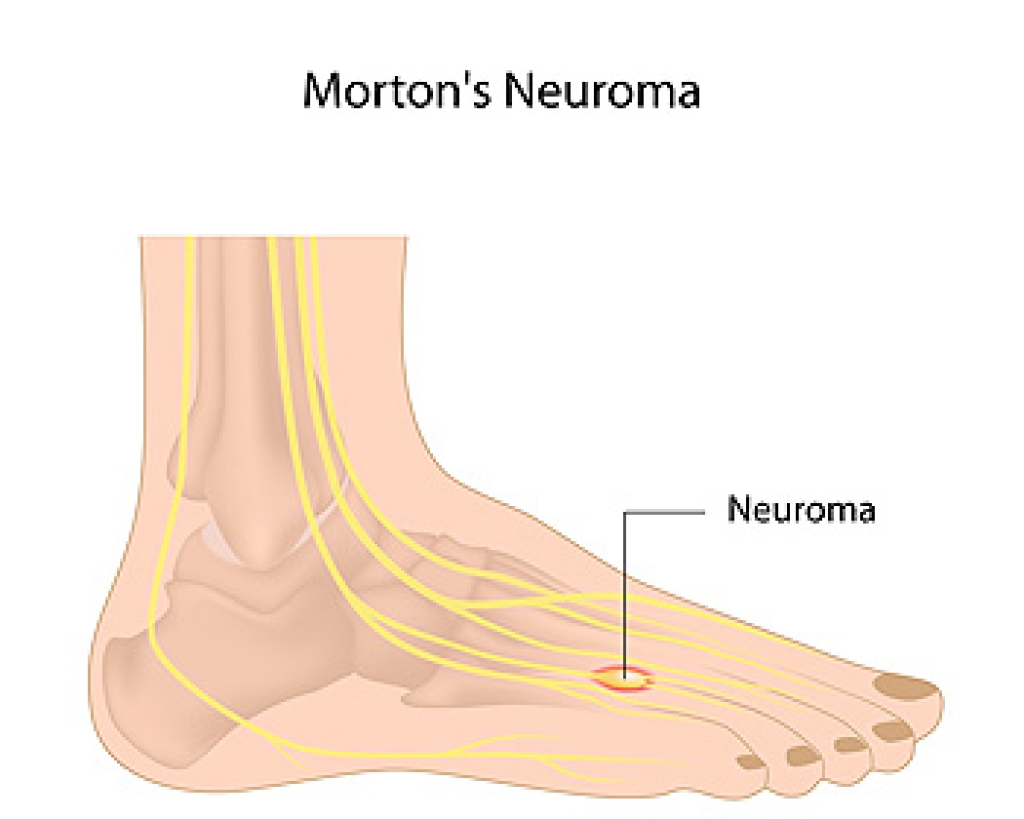
If you experience a burning sensation or sharp pain on the bottom of the foot, just under the toes, you may have developed a Morton’s neuroma. This condition, which many believe is caused by wearing shoes that are too tight, is the result of an inflamed nerve. Morton’s neuroma is usually located between the 2nd and 3rd metatarsal bones at the ball of the foot and has been described as having a stone or pebble in your shoe. Pain caused by compression of the nerves can get worse when you walk or if your toes are squeezed too tightly within the shoe. An MRI or ultrasound can be used to diagnose the condition. Several ways to ease the pain of Morton’s neuroma include resting the foot, wearing better fitting shoes with a wider toe box and lower heel, taking anti-inflammatory medicine, and icing the foot. If pain is persistent, despite these measures, you may wish to consult a podiatrist for a full examination and diagnosis. In more severe cases a podiatrist may recommend cortisone injections, and in even worse cases surgery to remove damaged nerve tissue may be an option.  

Morton’s neuroma is a very uncomfortable condition to live with. If you think you have Morton’s neuroma, contact Jeffrey Radack, DPM of Texas Regional Foot & Ankle Clinics. Our doctor will attend to all of your foot care needs and answer any of your related questions.  

Morton’s Neuroma

Morton's neuroma is a painful foot condition that commonly affects the areas between the second and third or third and fourth toe, although other areas of the foot are also susceptible. Morton’s neuroma is caused by an inflamed nerve in the foot that is being squeezed and aggravated by surrounding bones.

What Increases the Chances of Having Morton’s Neuroma?

  • Ill-fitting high heels or shoes that add pressure to the toe or foot
  • Jogging, running or any sport that involves constant impact to the foot
  • Flat feet, bunions, and any other foot deformities

Morton’s neuroma is a very treatable condition. Orthotics and shoe inserts can often be used to alleviate the pain on the forefront of the feet. In more severe cases, corticosteroids can also be prescribed. In order to figure out the best treatment for your neuroma, it’s recommended to seek the care of a podiatrist who can diagnose your condition and provide different treatment options.

If you have any questions, please feel free to contact our office located in McKinney and Coppell, TX . We offer the newest diagnostic and treatment technologies for all your foot care needs.

Read more about Morton's Neuroma

Causes of Plantar Fasciitis

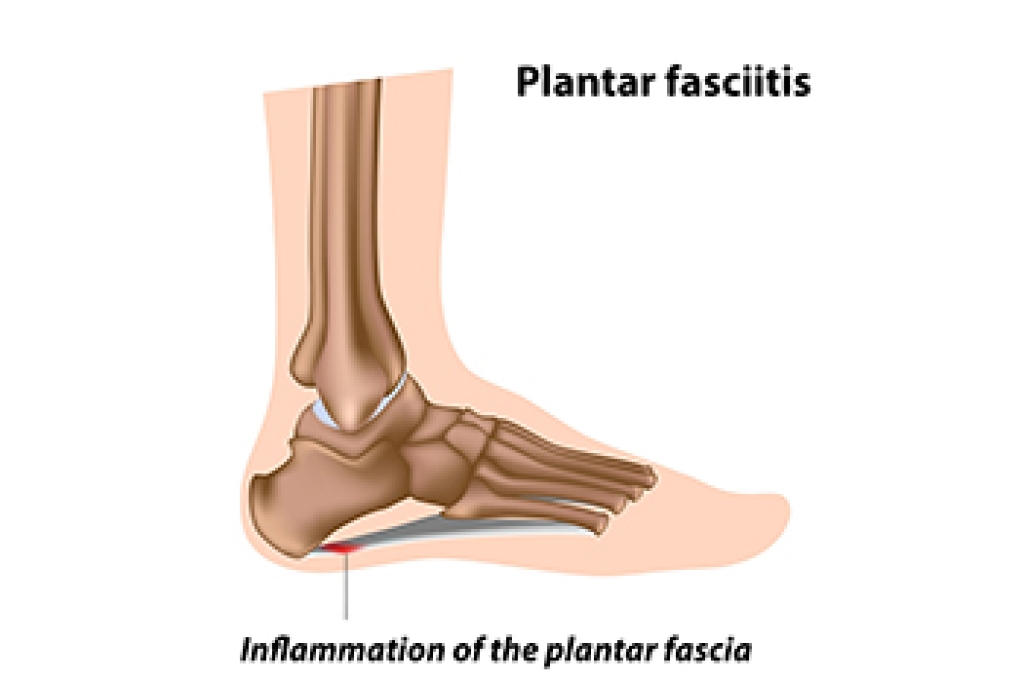
Plantar fasciitis is inflammation of the plantar fascia, the band of fibrous tissue that runs the length of the bottom of the foot to the heel bone. This condition typically develops from over-stretching of that area, and can result in heel and arch pain and heel spurs. Excessive stretching of the plantar fascia can happen for numerous reasons, including flat feet, a sudden increase in physical activity, high body weight and its pressure on the foot, and footwear that is ill fitting. Pain with plantar fasciitis is often its worst first thing after arising from sleep and can diminish a bit as the day wears on. Treatments might be orthotics to reduce over-pronation, cushioning the heel to absorb shock, wearing supportive shoes that accommodate the foot well, losing weight, stretching exercises, and night splints. Since it is vital to determine the cause of plantar fasciitis to treat it properly, it is suggested that a podiatrist be consulted for evaluation.

Plantar fasciitis is a common foot condition that is often caused by a strain injury. If you are experiencing heel pain or symptoms of plantar fasciitis, contact Jeffrey Radack, DPM from Texas Regional Foot & Ankle Clinics. Our doctor can provide the care you need to keep you pain-free and on your feet.

What Is Plantar Fasciitis?

Plantar fasciitis is one of the most common causes of heel pain. The plantar fascia is a ligament that connects your heel to the front of your foot. When this ligament becomes inflamed, plantar fasciitis is the result. If you have plantar fasciitis you will have a stabbing pain that usually occurs with your first steps in the morning. As the day progresses and you walk around more, this pain will start to disappear, but it will return after long periods of standing or sitting.

What Causes Plantar Fasciitis?

  • Excessive running
  • Having high arches in your feet
  • Other foot issues such as flat feet
  • Pregnancy (due to the sudden weight gain)
  • Being on your feet very often

There are some risk factors that may make you more likely to develop plantar fasciitis compared to others. The condition most commonly affects adults between the ages of 40 and 60. It also tends to affect people who are obese because the extra pounds result in extra stress being placed on the plantar fascia.

Prevention

  • Take good care of your feet – Wear shoes that have good arch support and heel cushioning.
  • Maintain a healthy weight
  • If you are a runner, alternate running with other sports that won’t cause heel pain

There are a variety of treatment options available for plantar fasciitis along with the pain that accompanies it. Additionally, physical therapy is a very important component in the treatment process. It is important that you meet with your podiatrist to determine which treatment option is best for you.

If you have any questions, please feel free to contact our office located in McKinney and Coppell, TX . We offer the newest diagnostic and treatment technologies for all your foot care needs.

 

Read more about Plantar Fasciitis

Connect With Us