
Do you suffer from heel pain when you get up in the morning? If so, you should seek professional help and have a proper diagnosis performed. Heel pain can be caused by several different foot-related conditions.
Do you suffer from heel pain when you get up in the morning? If so, you should seek professional help and have a proper diagnosis performed. Heel pain can be caused by several different foot-related conditions.
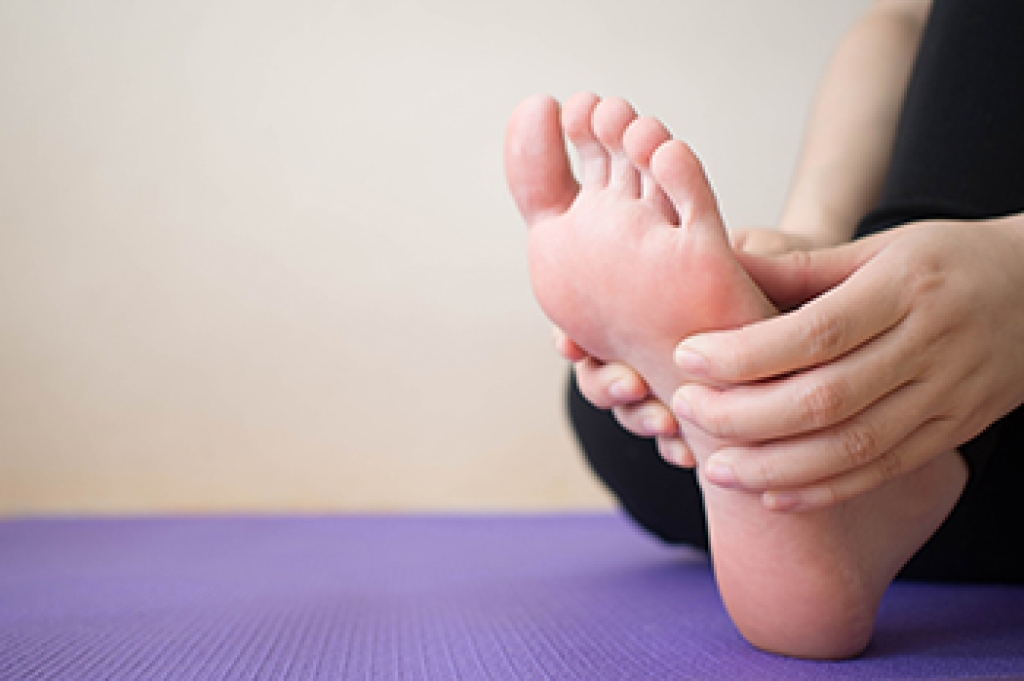
The plantar fascia is located on the sole of the foot and it connects the toes to the heels. Some patients may experience a growth that develops inside the plantar fascia, which is often benign. This is referred to as a plantar fibroma that might cause pain while walking and running. It is noticeable by the lump that forms on the bottom of the foot, generally in the center of the arch. The majority of experts agree it occurs due to genetic reasons or medical conditions like epilepsy, diabetes, and alcoholism. Other people can argue a plantar fibroma may develop after an injury occurs to the plantar fascia and the lump may be a natural reaction to the stress from the trauma. Mild relief may be found when the shoes that are worn have extra cushioning, or it may be beneficial to wear custom-made orthotics. If you have developed this condition it is advised that you are under the care of a podiatrist who can provide the treatment options that are correct for you.
A plantar fibroma may disrupt your daily activities. If you have any concerns, contact Jeffrey Radack, DPM of Texas Regional Foot & Ankle Clinics. Our doctor can provide the care you need to keep you pain-free and on your feet.
Plantar Fibroma
A plantar fibroma is a fibrous knot in the arch of the foot. It is embedded in the plantar fascia which is a band of tissue that extends from the heel to the toes along the bottom of the foot. There can be multiple plantar fibromas in the feet at the same time. There are no known causes for this condition. If you have a plantar fibroma, there will be a bump in the arch of your foot that cannot be missed. Any associated pain is most often due to a shoe rubbing against the nodule. Non-surgical options, such as steroid injections, physical therapy, and orthotics should be tried first. Surgery is a last resort and is the only thing that will remove a plantar fibroma entirely. Consult with a podiatrist for a proper diagnosis and to determine the treatment regimen that is right for you.
What Causes a Plantar Fibroma?
While there are no specific causes identified, a plantar fibroma can possibly come from genetic predisposition or the formation of scar tissue that forms from healing the tears in the plantar fascia.
What Are the Symptoms of a Plantar Fibroma?
There will be a noticeable lump in the arch of the foot that may or may not cause pain. If pain is felt, it is typically because a shoe is rubbing up against the lump or when walking or standing barefoot.
Treatment and Prevention
A plantar fibroma will not disappear without treatment, but it can get smaller and be a non-issue. If pain persists, a podiatrist examines the foot and when the arch of the foot is pressed, pain can be felt down to the toes. An MRI or biopsy might be performed to help diagnose or evaluate the plantar fibroma. The following non-surgical options are generally enough to reduce the size and pain of these nodules:
Surgery is considered if the mass increases in size and the patient continues to feel pain after non-surgical methods are tried.
If you have any questions, please feel free to contact our office located in McKinney and Coppell, TX . We offer the newest diagnostic and treatment technologies for all your foot care needs.

Many people are experts in taking care of different parts of their body, but may lack the enthusiasm to properly care for their feet. This may lead to getting unwanted foot conditions, such as fungal infections, cracked skin, or corns. The feet may need to have additional pampering in the colder months, when they can become dry from the weather. There are basic methods that can be implemented, which can make the feet feel better. These can include washing them daily, followed by applying a good moisturizer. It can be helpful to exfoliate the skin on the feet on a monthly basis by using a loofah or pumice stone, in addition to soaking the feet in warm water every other week. One of the most important things that can be done for the feet is to wear shoes that are comfortable and fit well. It is suggested to limit the time wearing high heels, and this may help to prevent hammertoe and bunions from developing. If you would like more information about how to care for your feet daily, please ask a podiatrist who can provide you with helpful tips.
Everyday foot care is very important to prevent infection and other foot ailments. If you need your feet checked, contact Jeffrey Radack, DPM from Texas Regional Foot & Ankle Clinics. Our doctor can provide the care you need to keep you pain-free and on your feet.
Everyday Foot Care
Often, people take care of their bodies, face and hair more so than they do for their feet. But the feet are a very important aspect of our bodies, and one that we should pay more attention to. Without our feet, we would not be able to perform most daily tasks.
It is best to check your feet regularly to make sure there are no new bruises or cuts that you may not have noticed before. For dry feet, moisturizer can easily be a remedy and can be applied as often as necessary to the affected areas. Wearing shoes that fit well can also help you maintain good foot health, as well as making it easier to walk and do daily activities without the stress or pain of ill-fitting shoes, high heels, or even flip flops. Wearing clean socks with closed shoes is important to ensure that sweat and bacteria do not accumulate within the shoe. Clean socks help to prevent Athlete’s foot, fungi problems, bad odors, and can absorb sweat.
If you have any questions, please feel free to contact our office located in McKinney and Coppell, TX . We offer the newest diagnostic and treatment technologies for all your foot care needs.
When an individual experiences foot pain, they ought to take note of where and how they are feeling the pain. This is so because foot pain can often tell us a great deal about what the underlying problem might be. An individual can experience pain in virtually all parts of their foot, and this can point to different potential sources of pain. Sometimes, an individual might experience pain in the inside or arch of their foot. This can be indicative of several different things. For example, one might experience arch pain because of structural issues perhaps caused by weight gain, overuse, and physical stress. Additionally, pain in the arch may be indicative of a specific foot affliction such as plantar fasciitis, which is defined as the inflammation of the plantar fascia band of tissue along the arch of the foot. Contact a podiatrist today if you are experiencing arch pain.
Foot Pain
Foot pain can be extremely painful and debilitating. If you have a foot pain, consult with Jeffrey Radack, DPM from Texas Regional Foot & Ankle Clinics. Our doctor will assess your condition and provide you with quality foot and ankle treatment.
Causes
Foot pain is a very broad condition that could be caused by one or more ailments. The most common include:
Diagnosis
To figure out the cause of foot pain, podiatrists utilize several different methods. This can range from simple visual inspections and sensation tests to X-rays and MRI scans. Prior medical history, family medical history, and any recent physical traumatic events will all be taken into consideration for a proper diagnosis.
Treatment
Treatment depends upon the cause of the foot pain. Whether it is resting, staying off the foot, or having surgery; podiatrists have a number of treatment options available for foot pain.
If you have any questions, please feel free to contact our office located in McKinney and Coppell, TX . We offer the newest diagnostic and treatment technologies for all your foot care needs.
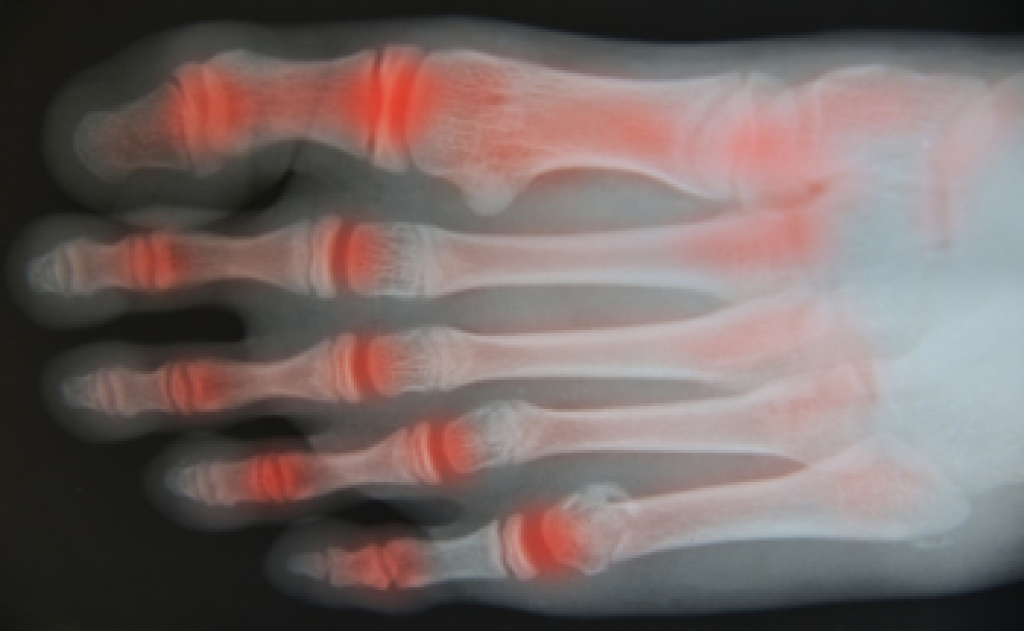
Osteoarthritis is a disease that often targets people as they get older. What happens is that the cartilage between the joints wears down, removing the cushion between the bones and causing them to touch. This brings intense pain and can cause damage to the bones. In some cases of osteoarthritis, bumps known as Herberen’s and Bouchard nodes form at the joints, particularly in the fingers and toes. There is no cure for osteoarthritis, which is also a progressive disease, and the cause is unknown. In some cases, it is brought on by other conditions, including nervous system disorders, a buildup of certain minerals in the body, congenital diseases, and bone disorders. Treatment is available for osteoarthritis ranging from non-steroidal anti-inflammatory medication and topical creams that help reduce pain to surgery that replaces the cartilage or the joint itself. If you believe you have osteoarthritis that is affecting your feet and ankles, please see a podiatrist for treatment options.
Arthritis can be a difficult condition to live with. If you are seeking treatment, contact Jeffrey Radack, DPM from Texas Regional Foot & Ankle Clinics. Our doctor can provide the care you need to keep you pain-free and on your feet.
Arthritic Foot Care
Arthritis is a joint disorder that involves the inflammation of different joints in your body, such as those in your feet. Arthritis is often caused by a degenerative joint disease and causes mild to severe pain in all affected areas. In addition to this, swelling and stiffness in the affected joints can also be a common symptom of arthritis.
In many cases, wearing ill-fitting shoes can worsen the effects and pain of arthritis. Wearing shoes that have a lower heel and extra room can help your feet feel more comfortable. In cases of rheumatoid arthritis, the arch in your foot may become problematic. Buying shoes with proper arch support that contour to your feet can help immensely.
Alleviating Arthritic Pain
It is best to see your doctor for the treatment that is right for your needs and symptoms. Conditions vary, and a podiatrist can help you determine the right method of care for your feet.
If you have any questions please feel free to contact our office located in McKinney and Coppell, TX . We offer the newest diagnostic tools and technology to treat your foot and ankle needs.

You don't need an excuse to have beautiful nails. Step outside without worrying about the appearance of your feet.
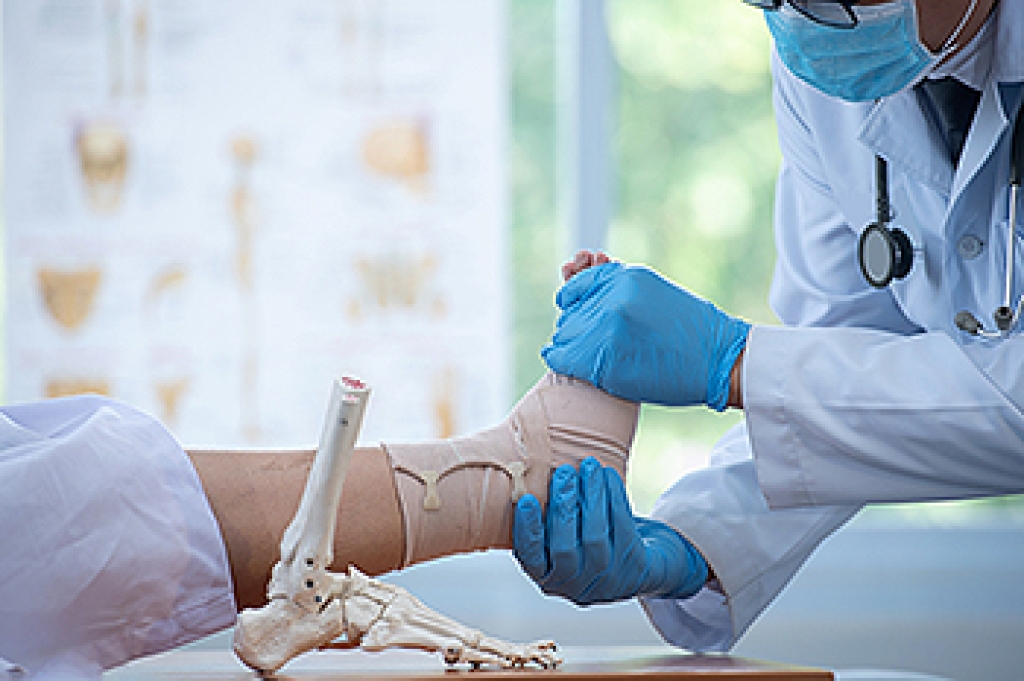
A broken ankle is a serious injury that can cause immense pain. The tissues surrounding a broken ankle may be affected by this injury. Additionally, there are nerves, tendons, ligaments, and muscles that may be damaged, and the entire foot must recover for daily activities to resume. There are things that can be controlled that may help to accelerate healing. These can include stopping smoking, controlling existing medical conditions like diabetes, and reevaluating medication that may slow down the healing process. A specific type of ankle fracture is referred to as an ankle avulsion. This type of break can happen as a result of a small piece of the ankle bone being pulled away from the surrounding ligament or tendon. This generally happens from a sudden injury, and typically causes pain and discomfort. Swelling can be part of the healing process and can change daily based on the type of activity that is pursued, the time of day, and the position the foot is in. The swelling can be eased when the foot is frequently elevated, and the amount of rest and activity are balanced as desired. A broken ankle requires the expert medical attention of a podiatrist, and it is suggested that you consult with this type of doctor who can offer you the best treatment methods.
Broken ankles need immediate treatment. If you are seeking treatment, contact Jeffrey Radack, DPM from Texas Regional Foot & Ankle Clinics. Our doctor can provide the care you need to keep you pain-free and on your feet.
Broken Ankles
A broken ankle is experienced when a person fractures their tibia or fibula in the lower leg and ankle area. Both of these bones are attached at the bottom of the leg and combine to form what we know to be our ankle.
When a physician is referring to a break of the ankle, he or she is usually referring to a break in the area where the tibia and fibula are joined to create our ankle joint. Ankles are more prone to fractures because the ankle is an area that suffers a lot of pressure and stress. There are some obvious signs when a person experiences a fractured ankle, and the following symptoms may be present.
Symptoms of a Fractured Ankle
If you suspect an ankle fracture, it is recommended to seek treatment as soon as possible. The sooner you have your podiatrist diagnose the fracture, the quicker you’ll be on the way towards recovery.
If you have any questions, please feel free to contact our office located in McKinney and Coppell, TX . We offer the newest diagnostic and treatment technologies for all your foot care needs.
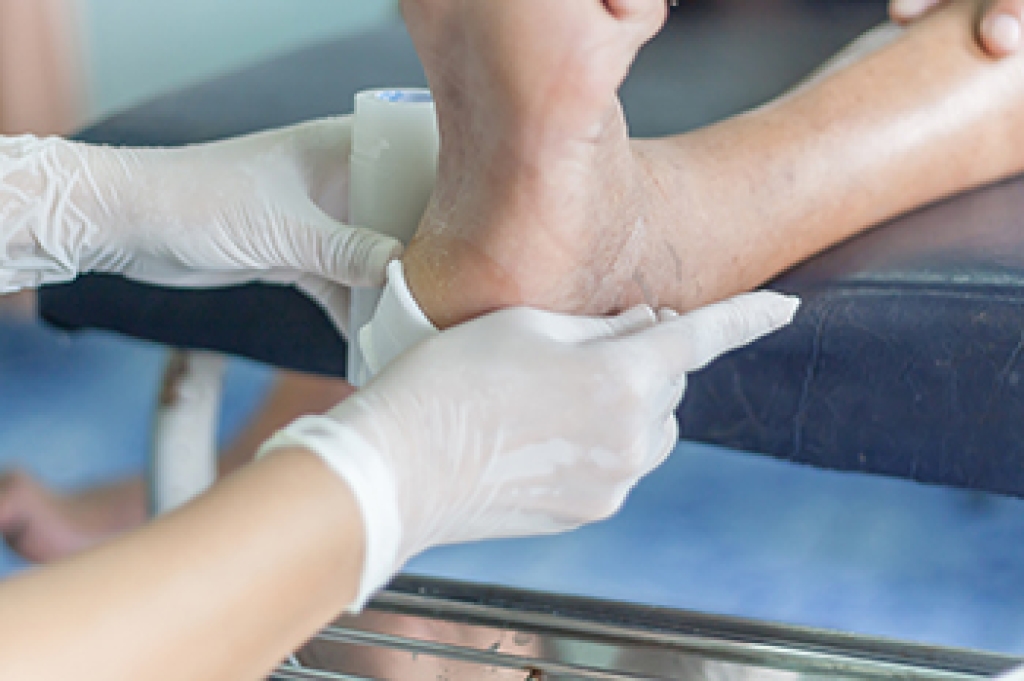
An open wound on the foot can be painful. It is defined as a break or cut in the skin, and in most cases, is found on the surface of the skin. More serious wounds affect the deeper tissues of the foot, and this can spread to the tendons, muscles, and nerves. Minor cuts are often treated by cleaning the wound, followed by covering it with a protective bandage. Stitches may be necessary to accelerate the healing process, in addition to possibly using an adhesive glue. For more serious wounds, medical attention is often sought for relief. The wound may become dirty, and this is the term that is used when germs have entered the wound. This can lead to a possible infection, and recovery instructions must be strictly followed to prevent scarring. If you have a wound on your foot, it is urgently suggested that you are under the care of a podiatrist who can provide the best treatment for the type of foot wound you have.
Wound care is an important part in dealing with diabetes. If you have diabetes and a foot wound or would like more information about wound care for diabetics, consult with Jeffrey Radack, DPM from Texas Regional Foot & Ankle Clinics. Our doctor will assess your condition and provide you with quality foot and ankle treatment.
What Is Wound Care?
Wound care is the practice of taking proper care of a wound. This can range from the smallest to the largest of wounds. While everyone can benefit from proper wound care, it is much more important for diabetics. Diabetics often suffer from poor blood circulation which causes wounds to heal much slower than they would in a non-diabetic.
What Is the Importance of Wound Care?
While it may not seem apparent with small ulcers on the foot, for diabetics, any size ulcer can become infected. Diabetics often also suffer from neuropathy, or nerve loss. This means they might not even feel when they have an ulcer on their foot. If the wound becomes severely infected, amputation may be necessary. Therefore, it is of the upmost importance to properly care for any and all foot wounds.
How to Care for Wounds
The best way to care for foot wounds is to prevent them. For diabetics, this means daily inspections of the feet for any signs of abnormalities or ulcers. It is also recommended to see a podiatrist several times a year for a foot inspection. If you do have an ulcer, run the wound under water to clear dirt from the wound; then apply antibiotic ointment to the wound and cover with a bandage. Bandages should be changed daily and keeping pressure off the wound is smart. It is advised to see a podiatrist, who can keep an eye on it.
If you have any questions please contact our office located in McKinney and Coppell, TX . We offer the newest diagnostic and treatment technologies for all your foot and ankle needs.

One of the most common side effects many pregnant women complain about is swollen feet. It often starts in the second trimester, and they may start to become uncomfortable as the pregnancy progresses. It is considered to be a normal part of pregnancy and is generally caused by additional fluid and blood the body produces. This is the body’s natural method of providing proper nourishment to the growing fetus, and, as a result, the fluid may pool in the ankles and feet. Many women find it helpful to elevate their feet as often as possible, in addition to soaking their feet in warm water. Research has indicated that it may be beneficial to ensure that there are adequate amounts of potassium included in the daily consumption of food. Additionally, this may significantly contribute to possibly reducing high blood pressure. Drinking plenty of water daily is essential in controlling swollen ankles, and wearing compression socks may help to diminish some of the fluid in the ankles. If swollen ankles are bothersome during your pregnancy, and you would like additional remedies that can help you to find relief, please contact a podiatrist.
Pregnant women with swollen feet can be treated with a variety of different methods that are readily available. For more information about other cures for swollen feet during pregnancy, consult with Jeffrey Radack, DPM from Texas Regional Foot & Ankle Clinics. Our doctor will attend to all of your foot and ankle needs.
What Foot Problems Can Arise During Pregnancy?
One problem that can occur is overpronation, which occurs when the arch of the foot flattens and tends to roll inward. This can cause pain and discomfort in your heels while you’re walking or even just standing up, trying to support your baby.
Another problem is edema, or swelling in the extremities. This often affects the feet during pregnancy but tends to occur in the later stages.
How Can I Keep My Feet Healthy During Pregnancy?
If you have any questions, please feel free to contact our office located in McKinney and Coppell, TX . We offer the newest diagnostic and treatment technologies for all your foot care needs.

There are many people who choose to frequently wear high heels, often producing sore feet at the end of the day. It is a common side effect that may be remedied by wearing high heels that have a lower heel. Some of the conditions that may occur from wearing high heels can be quite uncomfortable, including blisters, corns, and bunions. Additionally, the heel may be affected by plantar fasciitis, which can happen from having inadequate support in the arch area. Soaking the feet in warm water may help to relieve existing swelling and aching muscles. The feet can benefit from performing specific strengthening exercises, consisting of calf and heel stretches. People who continue to enjoy wearing high heels may also benefit from choosing a shoe that is well-cushioned and has maximum support for the entire foot. If you would like more information about what kind of high heels to wear that may help to minimize foot pain, please consult with a podiatrist.
High heels have a history of causing foot and ankle problems. If you have any concerns about your feet or ankles, contact Jeffrey Radack, DPM from Texas Regional Foot & Ankle Clinics. Our doctor can provide the care you need to keep you pain-free and on your feet.
Effects of High Heels on the Feet
High heels are popular shoes among women because of their many styles and societal appeal. Despite this, high heels can still cause many health problems if worn too frequently.
Which Parts of My Body Will Be Affected by High Heels?
What Kinds of Foot Problems Can Develop from Wearing High Heels?
How Can I Still Wear High Heels and Maintain Foot Health?
If you want to wear high heeled shoes, make sure that you are not wearing them every day, as this will help prevent long term physical problems. Try wearing thicker heels as opposed to stilettos to distribute weight more evenly across the feet. Always make sure you are wearing the proper shoes for the right occasion, such as sneakers for exercising. If you walk to work, try carrying your heels with you and changing into them once you arrive at work. Adding inserts to your heels can help cushion your feet and absorb shock. Full foot inserts or metatarsal pads are available.
If you have any questions, please feel free to contact our office located in McKinney and Coppell, TX . We offer the newest diagnostic and treatment technologies for all your foot care needs.
Connect With Us
