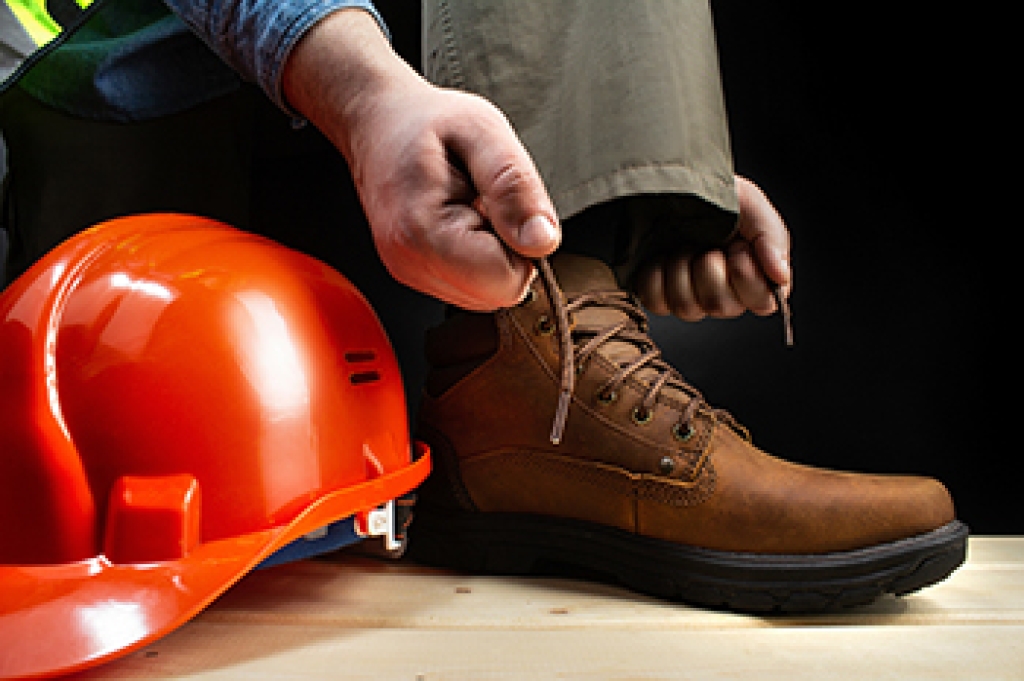
Common Causes of Foot Pain While Running

Foot pain during running can arise from various causes, often linked to improper footwear or faulty running techniques. One common issue is plantar fasciitis, an inflammation of the tissue along the bottom of the foot, causing heel pain. Another frequent cause is metatarsalgia, which involves pain in the ball of the foot due to excessive pressure or improper shoe support. Running with worn-out or ill-fitting shoes can worsen these conditions by failing to provide adequate cushioning and support. Overuse injuries, such as stress fractures, may also contribute to foot pain, particularly if the runner increases intensity too quickly. Ensuring proper footwear, incorporating appropriate warm-up exercises, and gradually increasing mileage can help prevent and alleviate these common foot pain issues while running. If you have persistent foot pain or have injured your foot while running, it is suggested that you consult a podiatrist who can offer you effective treatment solutions.

Foot Pain

Foot pain can be extremely painful and debilitating. If you have a foot pain, consult with Jeffrey Radack, DPM from Texas Regional Foot & Ankle Clinics. Our doctor will assess your condition and provide you with quality foot and ankle treatment.

Causes

Foot pain is a very broad condition that could be caused by one or more ailments. The most common include:

  • Bunions
  • Hammertoes
  • Plantar Fasciitis
  • Bone Spurs
  • Corns
  • Tarsal Tunnel Syndrome
  • Ingrown Toenails
  • Arthritis (such as Gout, Rheumatoid, and Osteoarthritis)
  • Flat Feet
  • Injury (from stress fractures, broken toe, foot, ankle, Achilles tendon ruptures, and sprains)
  • And more

Diagnosis

To figure out the cause of foot pain, podiatrists utilize several different methods. This can range from simple visual inspections and sensation tests to X-rays and MRI scans. Prior medical history, family medical history, and any recent physical traumatic events will all be taken into consideration for a proper diagnosis.

Treatment

Treatment depends upon the cause of the foot pain. Whether it is resting, staying off the foot, or having surgery; podiatrists have a number of treatment options available for foot pain.

If you have any questions, please feel free to contact our office located in McKinney and Coppell, TX . We offer the newest diagnostic and treatment technologies for all your foot care needs.


Read more about Foot Pain

Plantar Fasciitis Stretches

Plantar fasciitis is a common cause of heel pain, primarily resulting from inflammation of the plantar fascia, the thick band of tissue running along the bottom of the foot. Common causes can include excessive stress from high-impact activities, prolonged standing, wearing unsupportive footwear, or being overweight. Symptoms typically include a sharp, stabbing pain in the heel, especially noticeable with the first steps in the morning or after prolonged periods of rest. Treatment focuses on reducing inflammation and relieving pain. Effective stretches include the calf stretch, where you press against a wall with one leg forward and the other extended back. Another is the plantar fascia stretch, where you pull your toes toward your shin while seated. Wearing supportive shoes or custom orthotics, in addition to performing these stretches, can provide significant relief. If you are experiencing symptoms of plantar fasciitis, it is suggested you schedule an appointment with a podiatrist for expert care to effectively manage your condition and improve your foot health.

Plantar fasciitis is a common foot condition that is often caused by a strain injury. If you are experiencing heel pain or symptoms of plantar fasciitis, contact Jeffrey Radack, DPM from Texas Regional Foot & Ankle Clinics. Our doctor can provide the care you need to keep you pain-free and on your feet.

What Is Plantar Fasciitis?

Plantar fasciitis is one of the most common causes of heel pain. The plantar fascia is a ligament that connects your heel to the front of your foot. When this ligament becomes inflamed, plantar fasciitis is the result. If you have plantar fasciitis you will have a stabbing pain that usually occurs with your first steps in the morning. As the day progresses and you walk around more, this pain will start to disappear, but it will return after long periods of standing or sitting.

What Causes Plantar Fasciitis?

  • Excessive running
  • Having high arches in your feet
  • Other foot issues such as flat feet
  • Pregnancy (due to the sudden weight gain)
  • Being on your feet very often

There are some risk factors that may make you more likely to develop plantar fasciitis compared to others. The condition most commonly affects adults between the ages of 40 and 60. It also tends to affect people who are obese because the extra pounds result in extra stress being placed on the plantar fascia.

Prevention

  • Take good care of your feet – Wear shoes that have good arch support and heel cushioning.
  • Maintain a healthy weight
  • If you are a runner, alternate running with other sports that won’t cause heel pain

There are a variety of treatment options available for plantar fasciitis along with the pain that accompanies it. Additionally, physical therapy is a very important component in the treatment process. It is important that you meet with your podiatrist to determine which treatment option is best for you.

If you have any questions, please feel free to contact our office located in McKinney and Coppell, TX . We offer the newest diagnostic and treatment technologies for all your foot care needs.

 

Read more about Plantar Fasciitis

Foot Structure and Common Conditions

The foot is a complex structure essential for mobility and balance, consisting of various bones, ligaments, and joints. It includes 26 bones, categorized into three types, which are the tarsals, metatarsals, and phalanges. The tarsals form the rear part of the foot, including the heel and ankle bones. The metatarsals make up the middle part, while the phalanges are the toe bones. This intricate arrangement supports the body’s weight, absorbs shock, and allows for diverse movements. Common foot conditions such as flat feet, plantar fasciitis, and bunions can arise from structural abnormalities or excessive stress. Understanding the anatomy and function of the foot helps in diagnosing and managing these conditions effectively. If you have a foot condition that is causing you pain and discomfort, it is suggested that you consult a podiatrist who can diagnose the cause of your foot pain, and treat it accordingly.


If you have any concerns about your feet, contact Jeffrey Radack, DPM from Texas Regional Foot & Ankle Clinics. Our doctor can provide the care you need to keep you pain-free and on your feet.

Biomechanics in Podiatry

Podiatric biomechanics is a particular sector of specialty podiatry with licensed practitioners who are trained to diagnose and treat conditions affecting the foot, ankle and lower leg. Biomechanics deals with the forces that act against the body, causing an interference with the biological structures. It focuses on the movement of the ankle, the foot and the forces that interact with them.

A History of Biomechanics

  • Biomechanics dates back to the BC era in Egypt where evidence of professional foot care has been recorded.
  • In 1974, biomechanics gained a higher profile from the studies of Merton Root, who claimed that by changing or controlling the forces between the ankle and the foot, corrections or conditions could be implemented to gain strength and coordination in the area.

Modern technological improvements are based on past theories and therapeutic processes that provide a better understanding of podiatric concepts for biomechanics. Computers can provide accurate information about the forces and patterns of the feet and lower legs.

Understanding biomechanics of the feet can help improve and eliminate pain, stopping further stress to the foot.

If you have any questions please feel free to contact our office located in McKinney and Coppell, TX . We offer the newest diagnostic and treatment technologies for all your foot and ankle needs.

Read more about The Importance of Biomechanics in Podiatry

Reminder: When Was the Last Time...?

Custom orthotics, or shoe inserts, should be periodically replaced. Orthotics must fit properly to give you the best results. Protect your feet and ankles!

Causes and Symptoms of Bunions

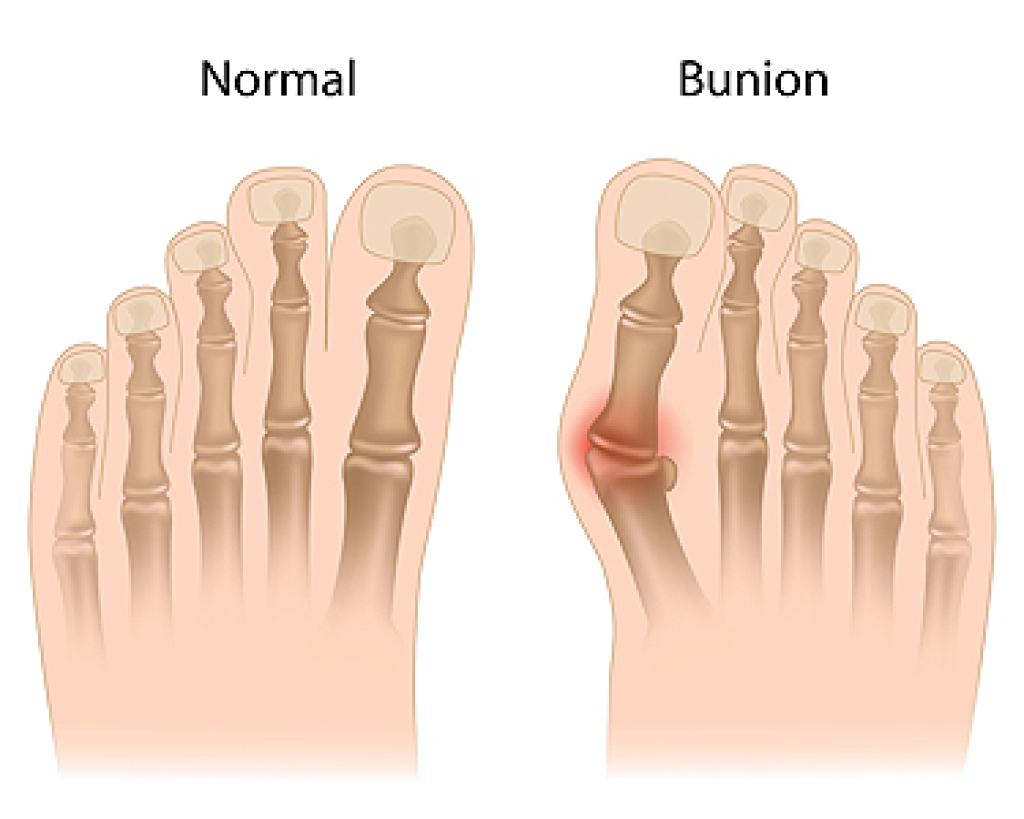
Bunion pain arises from a bony bump at the base of the big toe, often caused by genetic factors, improper footwear, or foot deformities. Wearing tight, high-heeled, or narrow shoes worsens the condition, pushing the toe out of alignment and increasing pain. Symptoms include swelling, redness, and difficulty moving the affected toe. To find relief, start by switching to well-fitting, comfortable shoes with ample room for the toes. Using orthotic devices or bunion pads can help cushion and realign the foot. Gentle foot exercises may improve flexibility. If you see signs of a bunion developing, it is suggested that you consult a podiatrist for effective treatment methods. 

If you are suffering from bunion pain, contact Jeffrey Radack, DPM of Texas Regional Foot & Ankle Clinics. Our doctor can provide the care you need to keep you pain-free and on your feet.

What Is a Bunion?

Bunions are painful bony bumps that usually develop on the inside of the foot at the joint of the big toe. As the deformity increases over time, it may become painful to walk and wear shoes. Women are more likely to exacerbate existing bunions since they often wear tight, narrow shoes that shift their toes together. Bunion pain can be relieved by wearing wider shoes with enough room for the toes.

Causes

  • Genetics – some people inherit feet that are more prone to bunion development
  • Inflammatory Conditions - rheumatoid arthritis and polio may cause bunion development

Symptoms

  • Redness and inflammation
  • Pain and tenderness
  • Callus or corns on the bump
  • Restricted motion in the big toe

In order to diagnose your bunion, your podiatrist may ask about your medical history, symptoms, and general health. Your doctor might also order an x-ray to take a closer look at your feet. Nonsurgical treatment options include orthotics, padding, icing, changes in footwear, and medication. If nonsurgical treatments don’t alleviate your bunion pain, surgery may be necessary.

If you have any questions, please feel free to contact our office located in McKinney and Coppell, TX . We offer the newest diagnostic and treatment technologies for all your foot care needs.
Read more about What Are Bunions?

Facts About Acquired Flat Feet

Adult-acquired flatfoot deformity can lead to dysfunction of the posterior tibial tendon, often affecting individuals later in life. Adult-acquired flatfoot can also arise from untreated injuries or inflammatory conditions. Typically, symptoms begin in an individual’s 50s and 60s. The posterior tibial tendon, which is essential for stabilizing the medial arch, can degenerate over time. This in turn reduces its ability to support the foot and causes pain. As this tendon weakens, other structures in the foot may also deteriorate, leading to further deformity. In their advanced stages, these deformities can become rigid, making treatment more challenging. Studies using weight-bearing CT scans indicate that individuals with adult-acquired flatfoot deformity may have a tendency towards hindfoot collapse, worsening the condition. If you have flat feet that are causing pain, it is suggested that you schedule an appointment with a podiatrist for an exam, diagnosis, and treatment.

Flatfoot is a condition many people suffer from. If you have flat feet, contact Jeffrey Radack, DPM from Texas Regional Foot & Ankle Clinics. Our doctor will treat your foot and ankle needs.

What Are Flat Feet?

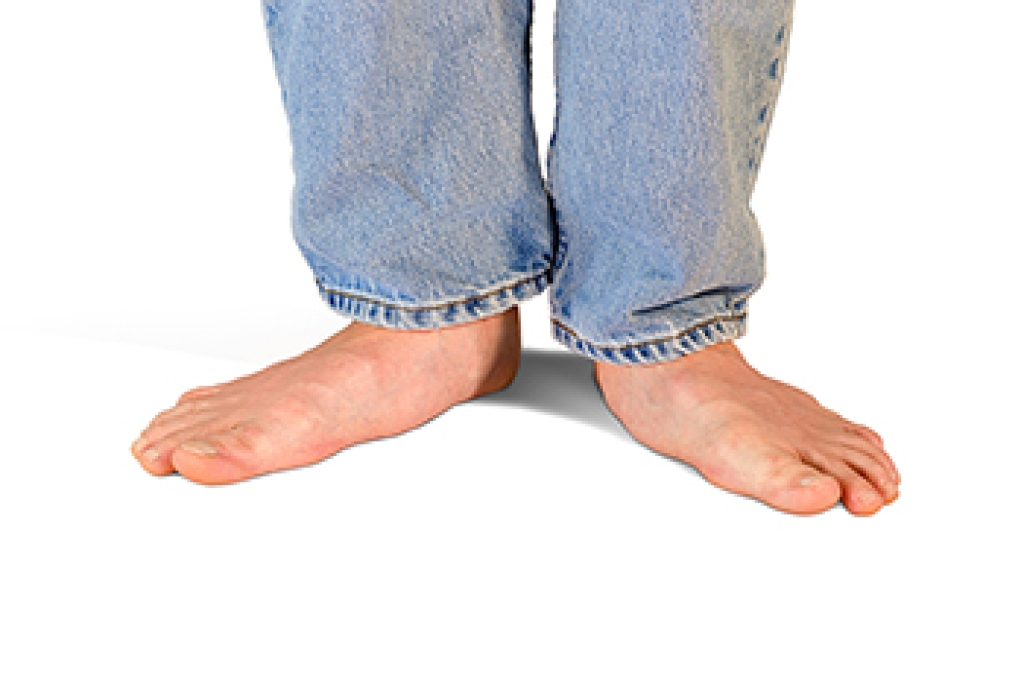
Flatfoot is a condition in which the arch of the foot is depressed and the sole of the foot is almost completely in contact with the ground. About 20-30% of the population generally has flat feet because their arches never formed during growth.

Conditions & Problems:

Having flat feet makes it difficult to run or walk because of the stress placed on the ankles.

Alignment – The general alignment of your legs can be disrupted, because the ankles move inward which can cause major discomfort.

Knees – If you have complications with your knees, flat feet can be a contributor to arthritis in that area.  

Symptoms

  • Pain around the heel or arch area
  • Trouble standing on the tip toe
  • Swelling around the inside of the ankle
  • Flat look to one or both feet
  • Having your shoes feel uneven when worn

Treatment

If you are experiencing pain and stress on the foot you may weaken the posterior tibial tendon, which runs around the inside of the ankle. 

If you have any questions, please feel free to contact our office located in McKinney and Coppell, TX . We offer the newest diagnostic and treatment technologies for all your foot care needs.
Read more about Flat Feet

Treatment for Fungal Toenail Infections

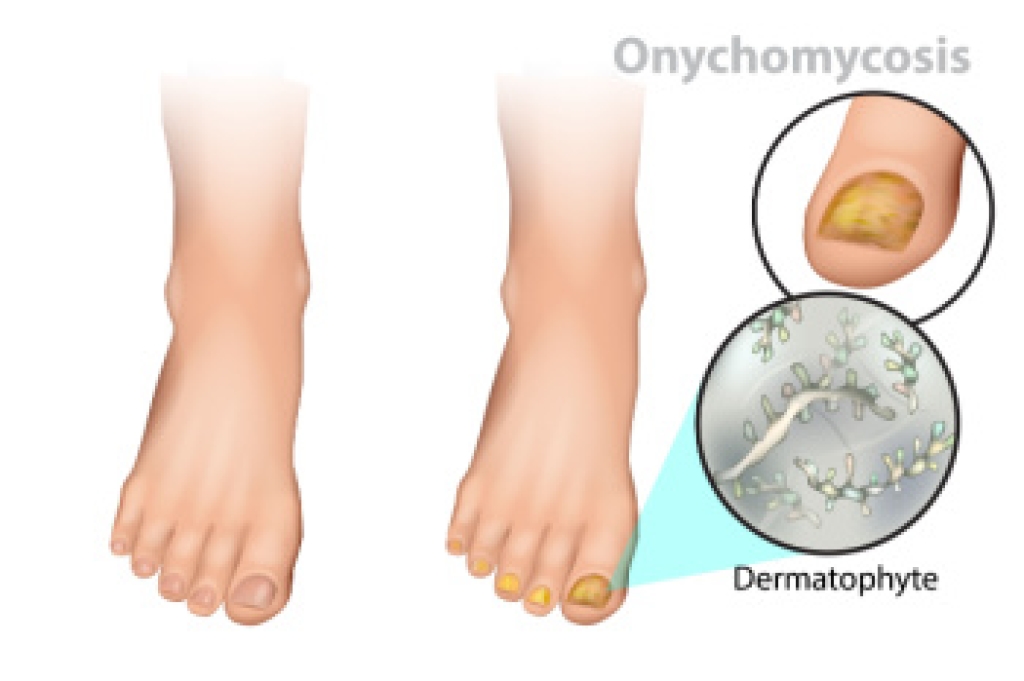
Fungal toenail infections, or onychomycosis, are common conditions where fungi invade the nails, leading to discoloration, thickening, and crumbling of the nail edges. These infections often cause the nails to turn yellow, brown, or white and can lead to discomfort or a foul odor. Fungal toenail infections occur due to exposure to fungi in warm, moist environments such as public showers, swimming pools, or locker rooms. They can also result from minor nail injuries, wearing tight-fitting shoes, or poor foot hygiene. Individuals with weakened immune systems, diabetes, or circulatory issues are more susceptible to these infections. Athletes and those who frequently wear closed-toe shoes are also at higher risk. Treatment options can include antifungal medications, which can be topical or oral. In severe cases, laser therapy or surgical removal of the affected nail may be needed. Maintaining good foot hygiene, keeping nails trimmed and dry, and wearing breathable footwear can help prevent infections. If you have toenail fungus, it is suggested that you contact a podiatrist for a proper diagnosis and care.

For more information about treatment, contact Jeffrey Radack, DPM of Texas Regional Foot & Ankle Clinics. Our doctor can provide the care you need to keep you pain-free and on your feet.

Toenail Fungus Treatment

Toenail fungus is a condition that affects many people and can be especially hard to get rid of. Fortunately, there are several methods to go about treating and avoiding it.

Antifungals & Deterrence

Oral antifungal medicine has been shown to be effective in many cases. It is important to consult with a podiatrist to determine the proper regiment for you, or potentially explore other options.

Applying foot powder on the feet and shoes helps keep the feet free of moisture and sweat.

Sandals or open toed shoes – Wearing these will allow air movement and help keep feet dry. They also expose your feet to light, which fungus cannot tolerate. Socks with moisture wicking material also help as well.

If you have any questions please contact our office located in McKinney and Coppell, TX . We offer the newest diagnostic and treatment technologies for all your foot and ankle needs.

Read more about Treating Toenail Fungus

Location and Causes of Foot Pain

Foot pain can originate from various areas, each indicating different potential causes. Generalized toe pain may suggest conditions like arthritis or improper footwear causing pressure. Pain in the big toe often points to gout or bunions, while discomfort in the ball of the foot may be due to metatarsalgia from high-impact activities or wearing high heels. Heel pain, commonly associated with plantar fasciitis, occurs due to inflammation of the ligament connecting the heel bone to the toes. Arch pain may signal conditions, such as flat feet or plantar fasciitis, where the arch support structure is strained. Identifying the precise location of foot pain helps determine appropriate treatments, such as rest, stretching exercises, or orthotic inserts. If you have any type of foot pain, it is suggested that you consult a podiatrist who can provide an accurate diagnosis and a tailored treatment plan.

Foot Pain

Foot pain can be extremely painful and debilitating. If you have a foot pain, consult with Jeffrey Radack, DPM from Texas Regional Foot & Ankle Clinics. Our doctor will assess your condition and provide you with quality foot and ankle treatment.

Causes

Foot pain is a very broad condition that could be caused by one or more ailments. The most common include:

  • Bunions
  • Hammertoes
  • Plantar Fasciitis
  • Bone Spurs
  • Corns
  • Tarsal Tunnel Syndrome
  • Ingrown Toenails
  • Arthritis (such as Gout, Rheumatoid, and Osteoarthritis)
  • Flat Feet
  • Injury (from stress fractures, broken toe, foot, ankle, Achilles tendon ruptures, and sprains)
  • And more

Diagnosis

To figure out the cause of foot pain, podiatrists utilize several different methods. This can range from simple visual inspections and sensation tests to X-rays and MRI scans. Prior medical history, family medical history, and any recent physical traumatic events will all be taken into consideration for a proper diagnosis.

Treatment

Treatment depends upon the cause of the foot pain. Whether it is resting, staying off the foot, or having surgery; podiatrists have a number of treatment options available for foot pain.

If you have any questions, please feel free to contact our office located in McKinney and Coppell, TX . We offer the newest diagnostic and treatment technologies for all your foot care needs.
Read more about Foot Pain

Heel Pain Can Be Treated!

Do you suffer from heel pain when you get up in the morning? If so, you should seek professional help and have a proper diagnosis performed. Heel pain can be caused by several different foot-related conditions.

The Importance of Safe Footwear at Work

Wearing safe footwear at work is vital for preventing various foot conditions and ensuring overall health and safety. Wearing ill-fitting or inappropriate shoes can lead to issues such as blisters, calluses, and bunions, causing discomfort and affecting productivity. More serious conditions can include plantar fasciitis, which results from inadequate arch support, and metatarsalgia, caused by excessive pressure on the ball of the foot. Additionally, workplace hazards like heavy objects or slippery surfaces increase the risk of injuries like fractures or sprains without proper footwear. Choosing shoes with adequate support, cushioning, and non-slip soles can prevent these problems. Investing in the right footwear enhances comfort, reduces fatigue, and minimizes the risk of chronic foot conditions and acute injuries, ensuring a safer and more productive work environment. If you have had one or more foot injuries from wearing the wrong shoes while at work, it is suggested that you confer with a podiatrist who can treat various foot conditions and educate you on appropriate shoes for your workday.

While working on the feet, it is important to take the proper care of them. For more information about working on your feet, contact Jeffrey Radack, DPM from Texas Regional Foot & Ankle Clinics. Our doctor will treat your foot and ankle needs.

Working on Your Feet

Standing on your feet for long periods of time can cause stress and pain in your feet. Your whole body may experience change in terms of posture, back pain, bunions, callouses and or plantar warts. There are ways to avoid these conditions with proper foot care, smart choices and correct posture.

Positive Changes

Negative heeled shoe – Choosing this shoe type places the heel slightly lower than the ball of the foot. These are great for overall foot health. Find shoes that fit you correctly.

Go barefoot – Our feet were not designed to be enclosed for all hours of the day. Try to periodically expose your feet to air.

Eliminate Pain

Foot Exercises – Performing simple exercises, incorporating yoga and doing stretches are beneficial. This will allow increased blood flow to the area and muscles of the foot.

Achilles tendon – Stretching the foot out flat on the floor will relax the calf muscles and tendon. These exercises can be performed almost anywhere. Make sure you add these exercises to your daily regimen. 

With a little bit of this information and knowing more about foot health, you will notice changes. Foot stretches and proper footwear will help with pain and prevent further issues.

If you have any questions please contact our office located in McKinney and Coppell, TX . We offer the newest diagnostic and treatment technologies for all your foot and ankle needs.

Read more about Working on Your Feet

Connect With Us