
Different Types of Foot Arthritis

Arthritis is characterized by inflammation in one or more joints, leading to pain and stiffness. It is prevalent in the small joints of the foot and ankle, impacting mobility and daily activities. While there is no cure for arthritis, treatment options can help manage symptoms and slow disease progression. The foot and ankle play vital roles in supporting, balancing, and absorbing shock during activities. These areas contain multiple joints and are susceptible to various forms of arthritis like osteoarthritis, rheumatoid arthritis, and gout. Osteoarthritis gradually erodes joint cartilage, causing pain, stiffness, and bone spurs. Risk factors include age, obesity, genetics, and poor foot alignment. Rheumatoid arthritis is a chronic autoimmune disease that can start in the foot and ankle, leading to joint inflammation, swelling, and deformity. Genetic and environmental factors can trigger this condition. Gout is a painful inflammation that often affects the big toe joint due to the accumulation of uric acid crystals. It can lead to sudden and severe joint pain. If you have foot or ankle discomfort from arthritis, it is suggested that you make an appointment with a podiatrist to determine which kind of arthritis is affecting you.

Arthritis can be a difficult condition to live with. If you are seeking treatment, contact Jeffrey Radack, DPM from Texas Regional Foot & Ankle Clinics. Our doctor can provide the care you need to keep you pain-free and on your feet.

Arthritic Foot Care  

Arthritis is a joint disorder that involves the inflammation of different joints in your body, such as those in your feet. Arthritis is often caused by a degenerative joint disease and causes mild to severe pain in all affected areas. In addition to this, swelling and stiffness in the affected joints can also be a common symptom of arthritis.

In many cases, wearing ill-fitting shoes can worsen the effects and pain of arthritis. Wearing shoes that have a lower heel and extra room can help your feet feel more comfortable. In cases of rheumatoid arthritis, the arch in your foot may become problematic. Buying shoes with proper arch support that contour to your feet can help immensely.

Alleviating Arthritic Pain

  • Exercises that stretch the foot can prevent further pain and injury and increase mobility
  • Most of the pain can be alleviated with anti-inflammatory drugs, heat, and topical medications
  • Massages can help temporarily alleviate pain.

It is best to see your doctor for the treatment that is right for your needs and symptoms. Conditions vary, and a podiatrist can help you determine the right method of care for your feet.

If you have any questions please feel free to contact our office located in McKinney and Coppell, TX . We offer the newest diagnostic tools and technology to treat your foot and ankle needs.
Read more about Arthritic Foot Care

The Right Time to Replace Orthotics

Determining when it is time to replace your orthotics is essential for maintaining foot health and comfort. Orthotic replacement intervals vary widely, typically ranging from six months to a year, depending on individual differences in usage and wear patterns. Factors include the frequency of wear, specific footwear usage, and individual foot characteristics. Indicators that can help assess the condition of your orthotics include wear pattern and fading, lack of support and comfort, and loss of definition. Check your orthotics for worn spots or discoloration. If your orthotics no longer provide the same level of support or comfort as when new, it may be time for a replacement. Cracks, tears, splits, or deterioration in the materials signal the need for replacement. Sometimes, the need for replacement is not immediately obvious. For instance, the insert may still be in good condition, but it might have compressed and affected the built-in support of your shoes. Additionally, certain foot conditions can worsen over time, necessitating new orthotics for optimal support. If you suspect that you need new orthotics or you want to make sure you are replacing them at adequate intervals, it is suggested that you make an appointment with a podiatrist for a professional assessment.

If you are having discomfort in your feet and would like to try orthotics, contact Jeffrey Radack, DPM from Texas Regional Foot & Ankle Clinics. Our doctor can provide the care you need to keep you pain-free and on your feet.

What Are Orthotics?

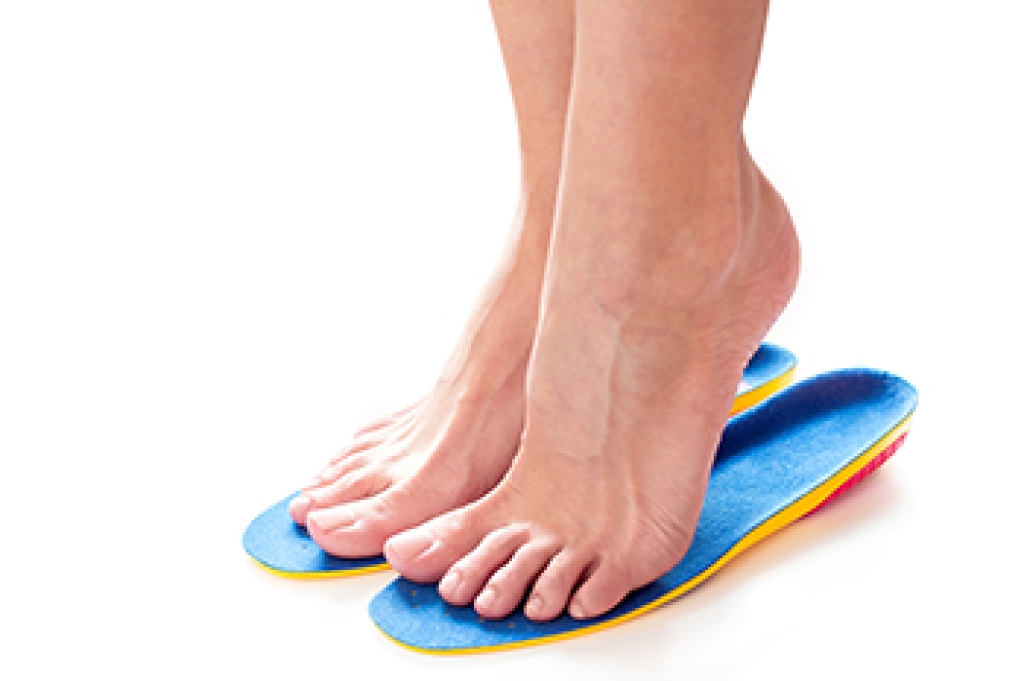
Orthotics are inserts you can place into your shoes to help with a variety of foot problems such as flat feet or foot pain. Orthotics provide relief and comfort for minor foot and heel pain but can’t correct serious biomechanical problems in your feet.

Over-the-Counter Inserts

Orthotics come in a wide variety of over-the-counter inserts that are used to treat foot pain, heel pain, and minor problems. For example, arch supports can be inserted into your shoes to help correct overarched or flat feet, while gel insoles are often used because they provide comfort and relief from foot and heel pain by alleviating pressure.

Prescription Orthotics

If over-the-counter inserts don’t work for you or if you have a more severe foot concern, it is possible to have your podiatrist prescribe custom orthotics. These high-quality inserts are designed to treat problems such as abnormal motion, plantar fasciitis, and severe forms of heel pain. They can even be used to help patients suffering from diabetes by treating foot ulcers and painful calluses and are usually molded to your feet individually, which allows them to provide full support and comfort.

If you are experiencing minor to severe foot or heel pain, it’s recommended to speak with your podiatrist about the possibilities of using orthotics. A podiatrist can determine which type of orthotic is right for you and allow you to take the first steps towards being pain-free.

If you have any questions, please feel free to contact our office located in McKinney and Coppell, TX . We offer the newest diagnostic and treatment technologies for all your foot care needs.

Read more about Foot Orthotics

Biomechanics of the Feet and Foot Pain

Biomechanical problems of the feet can lead to various issues in the body, including foot pain. These problems often result from conditions consisting of fallen arches, overpronation, or supination. Fallen arches, known as flat feet, can occur due to excessive pronation, causing the foot to roll inward. Conversely, high arches can lead to supination, where the foot rolls outward. Both of these conditions can create imbalances in the body's mechanics, affecting the feet and other body parts, and leading to pain during activities like walking or running. Symptoms of biomechanical foot problems can include hip pain, knee pain, leg cramps, and ankle pain. Additionally, the lower back, Achilles tendon and the heel may be affected. Treatment options often include a gait analysis to understand walking patterns, orthotic devices, and shoe modifications. If you have foot pain, it is suggested that you make an appointment with a podiatrist for a thorough evaluation of your feet and ankles, and a treatment plan based on results.

Foot Pain

Foot pain can be extremely painful and debilitating. If you have a foot pain, consult with Jeffrey Radack, DPM from Texas Regional Foot & Ankle Clinics. Our doctor will assess your condition and provide you with quality foot and ankle treatment.

Causes

Foot pain is a very broad condition that could be caused by one or more ailments. The most common include:

  • Bunions
  • Hammertoes
  • Plantar Fasciitis
  • Bone Spurs
  • Corns
  • Tarsal Tunnel Syndrome
  • Ingrown Toenails
  • Arthritis (such as Gout, Rheumatoid, and Osteoarthritis)
  • Flat Feet
  • Injury (from stress fractures, broken toe, foot, ankle, Achilles tendon ruptures, and sprains)
  • And more

Diagnosis

To figure out the cause of foot pain, podiatrists utilize several different methods. This can range from simple visual inspections and sensation tests to X-rays and MRI scans. Prior medical history, family medical history, and any recent physical traumatic events will all be taken into consideration for a proper diagnosis.

Treatment

Treatment depends upon the cause of the foot pain. Whether it is resting, staying off the foot, or having surgery; podiatrists have a number of treatment options available for foot pain.

If you have any questions, please feel free to contact our office located in McKinney and Coppell, TX . We offer the newest diagnostic and treatment technologies for all your foot care needs.

Read more about Foot Pain

Finding the Right Ankle Brace

When it comes to finding the right ankle brace, it's essential to consider your specific needs and condition. Lace-up support braces are tailored for demanding athletes during their sports activities. These braces offer a custom fit, making them easy to put on and remove. For daily use and mild support, ankle braces in the form of sleeves or wrap-arounds may be helpful. These braces offer compression and stability, making them perfect for those with chronic ankle instability or who are recovering from mild sprains. For high-impact sports or activities that involve quick lateral movements and jumping, ankle braces that offer moderate to maximum support are a choice. These braces often feature side stays to prevent ankle rolls. Maximum support braces even come with semi-rigid shells to prevent further injury while allowing normal movement. In cases of severe injuries, fractures, or post-surgery recovery, a boot or full-shell protection brace offers ankle protection and reduces foot pressure while walking. These devices are not suitable for sports and are primarily designed for immediate recovery. To find the proper brace for your ankle recovery, it is suggested that you make an appointment with a podiatrist to determine the best choice for your specific needs.

Ankle pain can be caused by a number of problems and may be potentially serious. If you have ankle pain, consult with Jeffrey Radack, DPM from Texas Regional Foot & Ankle Clinics. Our doctor will assess your condition and provide you with quality foot and ankle treatment.

Ankle pain is any condition that causes pain in the ankle. Due to the fact that the ankle consists of tendons, muscles, bones, and ligaments, ankle pain can come from a number of different conditions.

Causes

The most common causes of ankle pain include:

  • Types of arthritis (rheumatoid, osteoarthritis, and gout)
  • Ankle sprains
  • Broken ankles
  • Achilles tendonitis
  • Achilles tendon rupture
  • Stress fractures
  • Bursitis
  • Tarsal tunnel syndrome
  • Plantar fasciitis

Symptoms

Symptoms of ankle injury vary based upon the condition. Pain may include general pain and discomfort, swelling, aching, redness, bruising, burning or stabbing sensations, and/or loss of sensation.

Diagnosis

Due to the wide variety of potential causes of ankle pain, podiatrists will utilize a number of different methods to properly diagnose ankle pain. This can include asking for personal and family medical histories and of any recent injuries. Further diagnosis may include sensation tests, a physical examination, and potentially x-rays or other imaging tests.

Treatment

Just as the range of causes varies widely, so do treatments. Some more common treatments are rest, ice packs, keeping pressure off the foot, orthotics and braces, medication for inflammation and pain, and surgery.

If you have any questions please feel free to contact our office located in McKinney and Coppell, TX . We offer the newest diagnostic tools and technology to treat your foot and ankle needs.

Read more about Ankle Pain

Gout Pain Can Be Managed

Gout is a painful, inflammatory form of arthritis. Those affected will typically feel an intense stiffness in the joints of their feet, particularly in the big toe. Schedule a visit to learn about how gout can be managed and treated.

Connect With Us