
Gout is a painful, inflammatory form of arthritis. Those affected will typically feel an intense stiffness in the joints of their feet, particularly in the big toe. Schedule a visit to learn about how gout can be managed and treated.
Gout is a painful, inflammatory form of arthritis. Those affected will typically feel an intense stiffness in the joints of their feet, particularly in the big toe. Schedule a visit to learn about how gout can be managed and treated.

Swollen or discolored toes can be alarming and uncomfortable, and they may point to a variety of underlying issues. These changes can result from something as simple as minor trauma, like stubbing a toe, or more serious problems such as infections, poor circulation, or inflammatory conditions. Blue or purple discoloration may indicate reduced blood flow or bruising, while redness and warmth could suggest an infection or gout. Swelling might also occur with arthritis or as a reaction to wearing ill-fitting shoes. In some cases, especially during colder months, conditions like chilblains or Raynaud’s phenomenon may cause color changes and discomfort. While some causes are temporary and harmless, others require prompt attention to avoid complications. If your toes are swollen, painful, or changing color without a clear reason, or if symptoms persist, it is suggested that you see a podiatrist to identify the cause and receive the right care.
Toe pain can disrupt your daily activities. If you have any concerns, contact Jeffrey Radack, DPM of Texas Regional Foot & Ankle Clinics. Our doctor can provide the care you need to keep you pain-free and on your feet.
What Causes Toe Pain?
Most severe toe pain is caused due to a sports injury, trauma from dropping something heavy on the toe, or bumping into something rigid. Other problems can develop over time for various reasons.
Toe pain can be caused by one or more ailments. The most common include:
When to See a Podiatrist
Diagnosis
In many cases the cause of toe pain is obvious, but in others, a podiatrist may want to use more advanced methods to determine the problem. These can range from simple visual inspections and sensation tests to X-rays and MRI scans. Prior medical history, family medical history, and any recent physical traumatic events will all be taken into consideration for a proper diagnosis.
Treatment
Treatments for toe pain and injuries vary and may include shoe inserts, padding, taping, medicines, injections, and in some cases, surgery. If you believe that you have broken a toe, please see a podiatrist as soon as possible.
If you have any questions please contact our office located in McKinney and Coppell, TX . We offer the newest diagnostic and treatment technologies for all your foot and ankle needs.
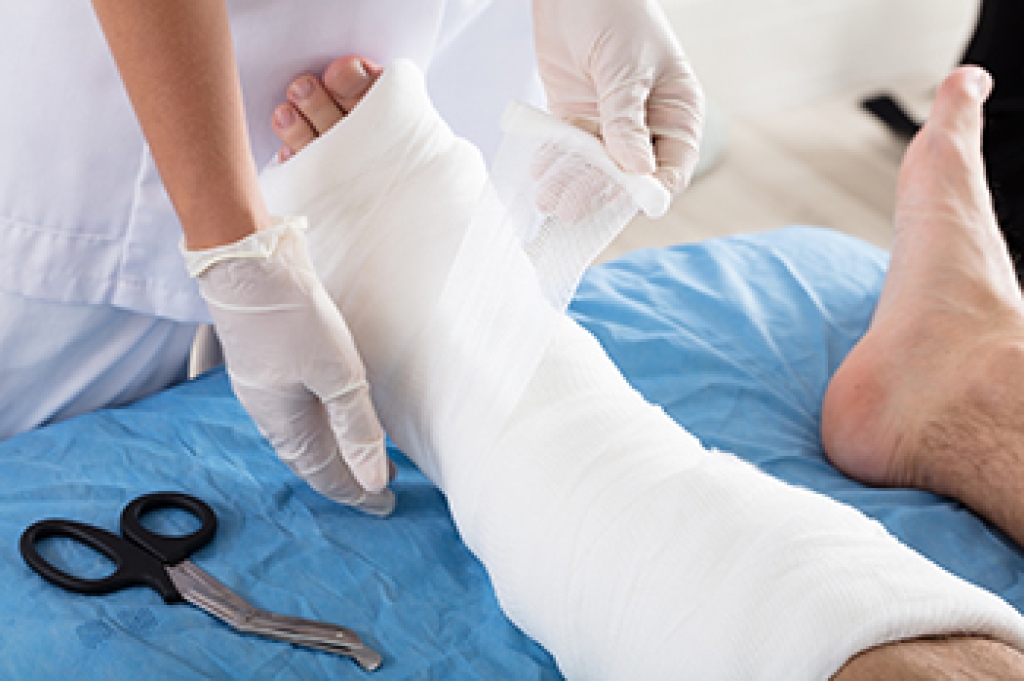
Offloading devices are used to reduce pressure on specific areas of the foot where ulcers have formed, helping to prevent further damage and support healing. Offloading devices typically shift body weight away from the wound, which decreases friction and mechanical stress. Total contact casts provide the highest level of pressure relief by fully immobilizing the foot and ankle, making them effective for deep or persistent ulcers. For patients needing more flexibility, removable cast walkers not only offer protection but also allow access for wound inspection. Custom orthotics and specialized shoes with cushioned soles are often used for less severe ulcers or during the later stages of healing. Offloading sandals and pneumatic boots may help with minor ulcers by offering light support and comfort for indoor use. Choosing the right device depends on the size and depth of the ulcer, the location on the foot, and the patient’s ability to move independently. If you have foot ulcers that require wound care, it is suggested that you schedule an appointment with a podiatrist to see if offloading devices may work for you.
Wound care is an important part in dealing with diabetes. If you have diabetes and a foot wound or would like more information about wound care for diabetics, consult with Jeffrey Radack, DPM from Texas Regional Foot & Ankle Clinics. Our doctor will assess your condition and provide you with quality foot and ankle treatment.
What Is Wound Care?
Wound care is the practice of taking proper care of a wound. This can range from the smallest to the largest of wounds. While everyone can benefit from proper wound care, it is much more important for diabetics. Diabetics often suffer from poor blood circulation which causes wounds to heal much slower than they would in a non-diabetic.
What Is the Importance of Wound Care?
While it may not seem apparent with small ulcers on the foot, for diabetics, any size ulcer can become infected. Diabetics often also suffer from neuropathy, or nerve loss. This means they might not even feel when they have an ulcer on their foot. If the wound becomes severely infected, amputation may be necessary. Therefore, it is of the upmost importance to properly care for any and all foot wounds.
How to Care for Wounds
The best way to care for foot wounds is to prevent them. For diabetics, this means daily inspections of the feet for any signs of abnormalities or ulcers. It is also recommended to see a podiatrist several times a year for a foot inspection. If you do have an ulcer, run the wound under water to clear dirt from the wound; then apply antibiotic ointment to the wound and cover with a bandage. Bandages should be changed daily and keeping pressure off the wound is smart. It is advised to see a podiatrist, who can keep an eye on it.
If you have any questions please contact our office located in McKinney and Coppell, TX . We offer the newest diagnostic and treatment technologies for all your foot and ankle needs.
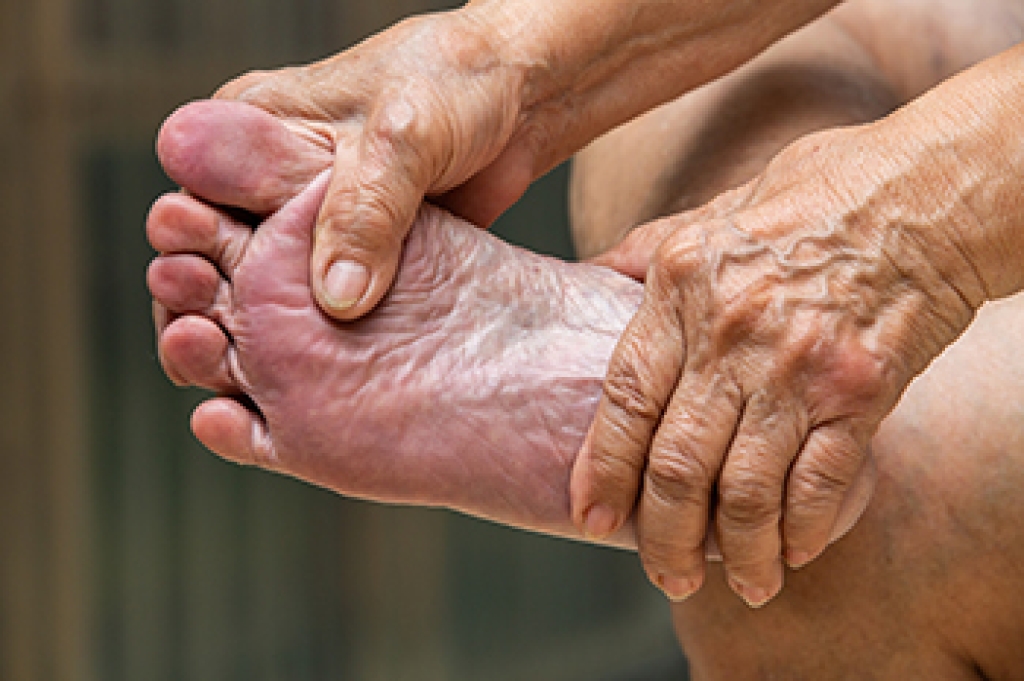
As the body ages, the fat pads on the feet undergo structural and functional changes that can affect comfort and mobility. Fat pad atrophy, a gradual thinning of the cushioning beneath the heel and forefoot, reduces shock absorption and increases sensitivity to pressure. The loss of elasticity in the skin and connective tissues further contributes to discomfort, making the feet more vulnerable to pain and injuries. Altered biomechanics, including changes in gait and posture, may develop as the body compensates for reduced cushioning. Increased pressure points can lead to calluses, soreness, and a higher risk of foot conditions. If you are elderly and have foot pain, it is suggested that you schedule an appointment with a podiatrist who can offer you effective relief methods.
If you need your feet checked, contact Jeffrey Radack, DPM of Texas Regional Foot & Ankle Clinics. Our doctor will attend to all of your foot and ankle needs and provide you with quality treatment.
Geriatrics and Podiatry
When people age, some common issues that may occur are bone density loss, dry skin, poor circulation, and rough brittle nails. These issues may also affect your foot health if the necessary steps are not taken to alleviate the problems.
It is important to take care of your feet because feet that are injured or diseased can affect your overall health. Having painful feet hinders your ability to do daily activities or may decrease your willingness to do the things that you need to do.
Visiting Your Geriatrician
As we age, health problems become more likely, so it is essential to visit your doctor for check-ups to ensure that you are doing the best you can to take care of your health. It is recommended to check your feet frequently for any possible cuts, bruises, swelling, corns or any other irregularities.
Taking Care of Elderly Feet
Cracked or dry feet can be treated by applying moisturizer often. It is also important not to wear old socks because the older the sock is, the higher the possibility there will be that there is bacteria there. Wear fresh socks and make sure they fit properly.
Proper foot health means that you can have a more active lifestyle and you will not be bogged down by pain. Foot health also leads to good circulation, which is paramount for overall health.
If you have any questions, please feel free to contact our office located in McKinney and Coppell, TX . We offer the newest diagnostic and treatment technologies for all your foot care needs.

Hard skin on the feet is caused by repeated friction or pressure. The heels, balls of the feet, and sides of the toes are especially prone to developing thickened skin due to constant rubbing against footwear. Wearing ill-fitting shoes, spending long hours on the feet, and having bunions or hammertoes, can also be factors causing hard skin on the feet. In some cases, medical conditions that affect circulation or nerve function may increase the risk of hard skin formation. While hardened skin generally serves as a protective barrier, an excessive buildup can lead to discomfort, cracks, or infections, if left untreated. A podiatrist can assess the cause of hardened skin, provide treatment to remove thickened areas safely, and recommend ways to prevent further irritation. If necessary, custom orthotics or other footwear modifications may be suggested to reduce pressure on vulnerable areas. If you have discomfort from hardened skin or any other type of malady on your feet, it is suggested that you schedule an appointment with a podiatrist for an exam, diagnosis, and treatment options.
Foot Pain
Foot pain can be extremely painful and debilitating. If you have a foot pain, consult with Jeffrey Radack, DPM from Texas Regional Foot & Ankle Clinics. Our doctor will assess your condition and provide you with quality foot and ankle treatment.
Causes
Foot pain is a very broad condition that could be caused by one or more ailments. The most common include:
Diagnosis
To figure out the cause of foot pain, podiatrists utilize several different methods. This can range from simple visual inspections and sensation tests to X-rays and MRI scans. Prior medical history, family medical history, and any recent physical traumatic events will all be taken into consideration for a proper diagnosis.
Treatment
Treatment depends upon the cause of the foot pain. Whether it is resting, staying off the foot, or having surgery; podiatrists have a number of treatment options available for foot pain.
If you have any questions, please feel free to contact our office located in McKinney and Coppell, TX . We offer the newest diagnostic and treatment technologies for all your foot care needs.
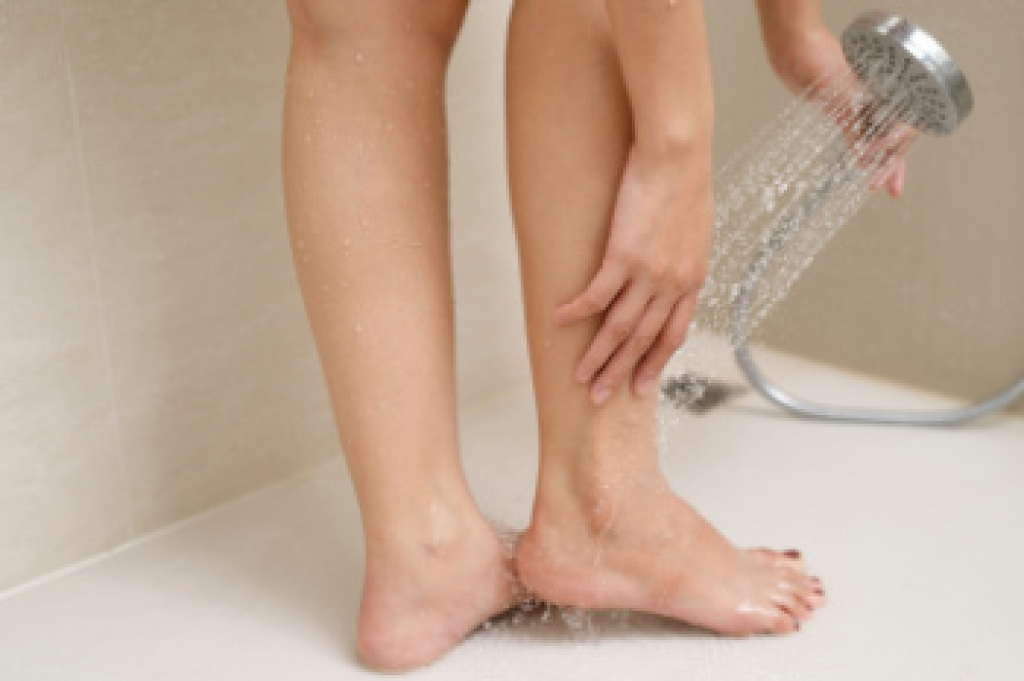
Taking care of your feet is essential for overall health and mobility. Washing them daily with warm water and mild soap helps prevent infections and removes dirt and sweat buildup. Moisturizing regularly keeps the skin soft and prevents dryness or cracking. Wearing properly fitted shoes with adequate support reduces pressure on the feet and minimizes discomfort. Proper toenail trimming is also important, as cutting nails straight across and avoiding cutting them too short helps prevent ingrown toenails. Regularly inspecting the feet for any cuts, blisters, or changes in skin texture can help detect potential problems early. Additionally, stretching and strengthening exercises improve circulation and foot flexibility. If you have developed any type of foot condition, it is suggested that you promptly contact a podiatrist who can offer effective treatment solutions, and guide you on additional everyday foot care tips.
Everyday foot care is very important to prevent infection and other foot ailments. If you need your feet checked, contact Jeffrey Radack, DPM from Texas Regional Foot & Ankle Clinics. Our doctor can provide the care you need to keep you pain-free and on your feet.
Everyday Foot Care
Often, people take care of their bodies, face and hair more so than they do for their feet. But the feet are a very important aspect of our bodies, and one that we should pay more attention to. Without our feet, we would not be able to perform most daily tasks.
It is best to check your feet regularly to make sure there are no new bruises or cuts that you may not have noticed before. For dry feet, moisturizer can easily be a remedy and can be applied as often as necessary to the affected areas. Wearing shoes that fit well can also help you maintain good foot health, as well as making it easier to walk and do daily activities without the stress or pain of ill-fitting shoes, high heels, or even flip flops. Wearing clean socks with closed shoes is important to ensure that sweat and bacteria do not accumulate within the shoe. Clean socks help to prevent Athlete’s foot, fungi problems, bad odors, and can absorb sweat.
If you have any questions, please feel free to contact our office located in McKinney and Coppell, TX . We offer the newest diagnostic and treatment technologies for all your foot care needs.

If you are suffering from tenderness, pain, or stiffness in the joints of your feet or ankles, call us to schedule an appointment.
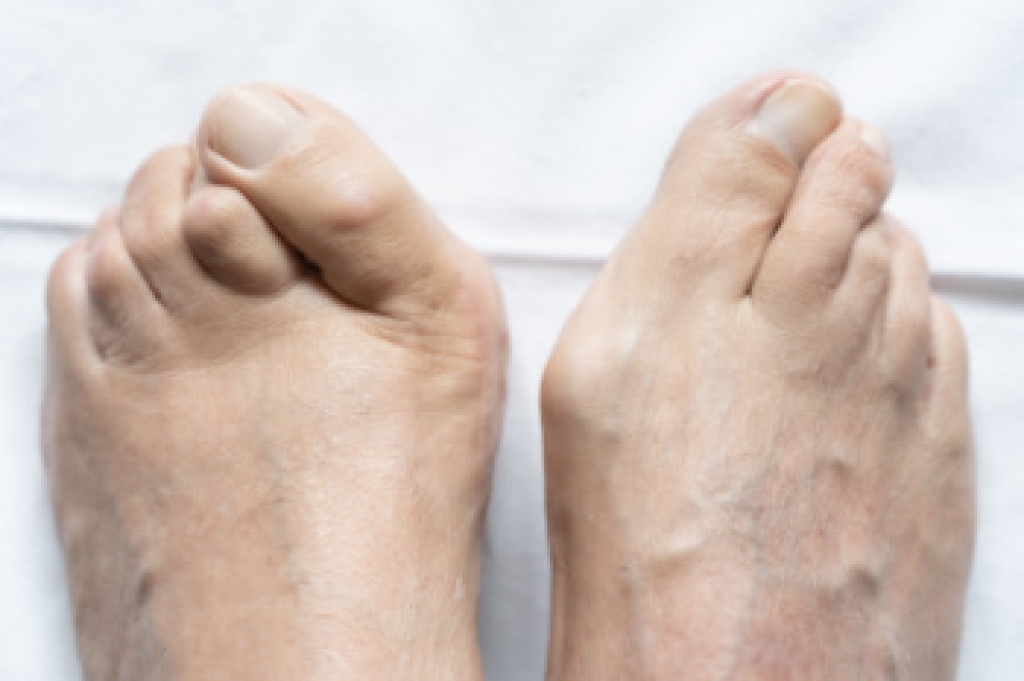
A bunion is a bony bump that forms when the big toe joint shifts out of alignment, often due to genetics, wearing improper footwear, flat feet, or arthritis. Over time, the joint becomes swollen, painful, and stiff, making walking uncomfortable. There are different types of bunions. The most common is the classic bunion, which develops on the inside of the foot at the base of the big toe. A tailor’s bunion, or bunionette, forms on the outside at the base of the little toe. A dorsal bunion occurs on the top of the big toe joint, often limiting movement and making shoe wear painful. Treatment varies based on severity. Wider shoes, padding, orthotics, and toe exercises can help, and severe cases may require injections or surgery. Since bunions worsen over time, it is suggested that you see a podiatrist for early intervention and to prevent complications.
If you are suffering from bunions, contact Jeffrey Radack, DPM of Texas Regional Foot & Ankle Clinics. Our doctor can provide the care you need to keep you pain-free and on your feet.
What Is a Bunion?
A bunion is formed of swollen tissue or an enlargement of boney growth, usually located at the base joint of the toe that connects to the foot. The swelling occurs due to the bones in the big toe shifting inward, which impacts the other toes of the foot. This causes the area around the base of the big toe to become inflamed and painful.
Why Do Bunions Form?
Genetics – Susceptibility to bunions are often hereditary
Stress on the feet – Poorly fitted and uncomfortable footwear that places stress on feet, such as heels, can worsen existing bunions
How Are Bunions Diagnosed?
Doctors often perform two tests – blood tests and x-rays – when trying to diagnose bunions, especially in the early stages of development. Blood tests help determine if the foot pain is being caused by something else, such as arthritis, while x-rays provide a clear picture of your bone structure to your doctor.
How Are Bunions Treated?
If you have any questions, please feel free to contact our office located in McKinney and Coppell, TX . We offer the newest diagnostic and treatment technologies for all your foot care needs.
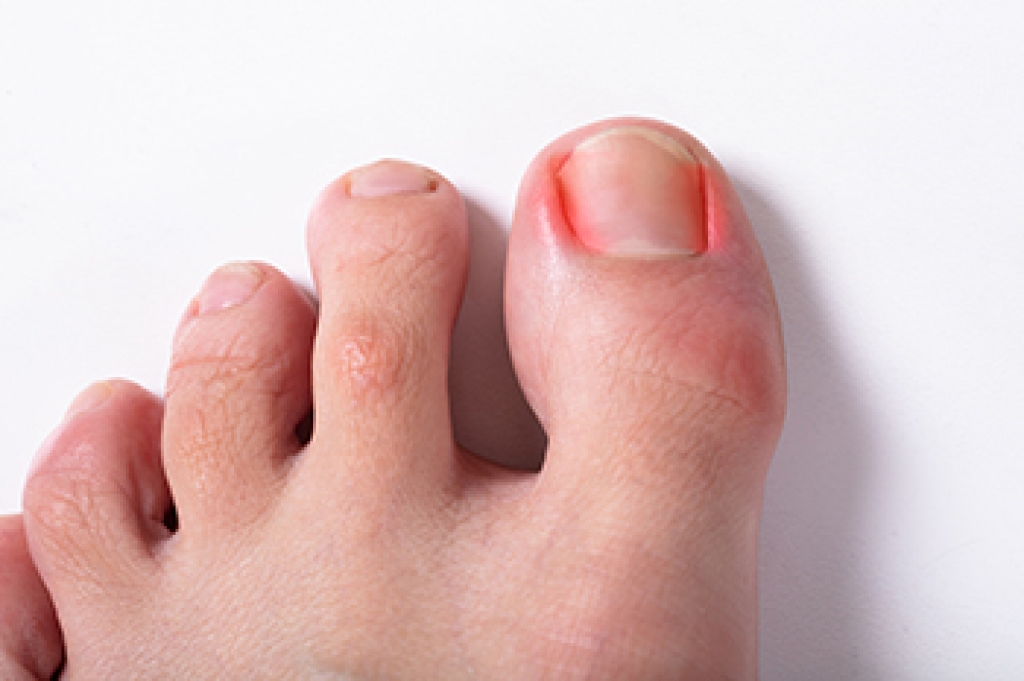
Ingrown toenails can become painful if they are not treated properly. For more information about ingrown toenails, contact Jeffrey Radack, DPM of Texas Regional Foot & Ankle Clinics. Our doctor can provide the care you need to keep you pain-free and on your feet.
Ingrown Toenails
Ingrown toenails occur when a toenail grows sideways into the bed of the nail, causing pain, swelling, and possibly infection.
Causes
Prevention
Because ingrown toenails are not something found outside of shoe-wearing cultures, going barefoot as often as possible will decrease the likeliness of developing ingrown toenails. Wearing proper fitting shoes and using proper cutting techniques will also help decrease your risk of developing ingrown toenails.
Treatment
Ingrown toenails are a very treatable foot condition. In minor cases, soaking the affected area in salt or antibacterial soaps will not only help with the ingrown nail itself, but also help prevent any infections from occurring. In more severe cases, surgery is an option. In either case, speaking to your podiatrist about this condition will help you get a better understanding of specific treatment options that are right for you.
If you have any questions, please feel free to contact our office located in McKinney and Coppell, TX . We offer the newest diagnostic and treatment technologies for all your foot care needs.
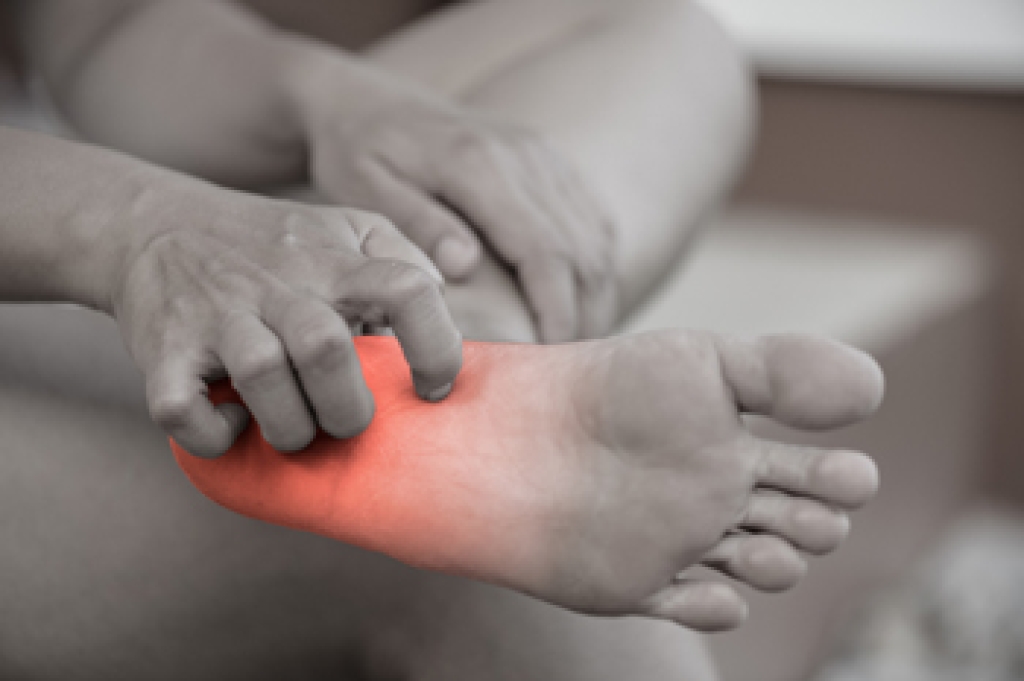
Peripheral neuropathy affects the nerves in the feet, leading to symptoms such as tingling, burning pain, numbness, and weakness. This occurs when the nerves that transmit signals between the brain and feet become damaged, disrupting normal sensation and muscle function. Common causes of peripheral neuropathy include diabetes, injury, infections, and certain medications. People with peripheral neuropathy may feel as if they are wearing socks when barefoot or experience difficulty maintaining balance. The condition often worsens at night, making foot pain more noticeable. Nerve damage can also weaken the muscles in the feet and ankles, leading to instability and increasing the risk of falling. If left untreated, neuropathy may contribute to foot ulcers or deformities due to a lack of sensation and pressure awareness. A podiatrist can assess your nerve function, identify underlying causes, and recommend treatment options to help manage symptoms and prevent complications. In severe cases, surgery may be necessary to relieve nerve compression. If you experience numbness and tingling in the feet, it is suggested that you promptly schedule an appointment with a podiatrist for an exam and appropriate treatment.
Neuropathy
Neuropathy can be a potentially serious condition, especially if it is left undiagnosed. If you have any concerns that you may be experiencing nerve loss in your feet, consult with Jeffrey Radack, DPM from Texas Regional Foot & Ankle Clinics. Our doctor will assess your condition and provide you with quality foot and ankle treatment for neuropathy.
What Is Neuropathy?
Neuropathy is a condition that leads to damage to the nerves in the body. Peripheral neuropathy, or neuropathy that affects your peripheral nervous system, usually occurs in the feet. Neuropathy can be triggered by a number of different causes. Such causes include diabetes, infections, cancers, disorders, and toxic substances.
Symptoms of Neuropathy Include:
Those with diabetes are at serious risk due to being unable to feel an ulcer on their feet. Diabetics usually also suffer from poor blood circulation. This can lead to the wound not healing, infections occurring, and the limb may have to be amputated.
Treatment
To treat neuropathy in the foot, podiatrists will first diagnose the cause of the neuropathy. Figuring out the underlying cause of the neuropathy will allow the podiatrist to prescribe the best treatment, whether it be caused by diabetes, toxic substance exposure, infection, etc. If the nerve has not died, then it’s possible that sensation may be able to return to the foot.
Pain medication may be issued for pain. Electrical nerve stimulation can be used to stimulate nerves. If the neuropathy is caused from pressure on the nerves, then surgery may be necessary.
If you have any questions, please feel free to contact our office located in McKinney and Coppell, TX . We offer the newest diagnostic and treatment technologies for all your foot care needs.
Connect With Us
