
Location and Causes of Foot Pain

Foot pain can originate from various areas, each indicating different potential causes. Generalized toe pain may suggest conditions like arthritis or improper footwear causing pressure. Pain in the big toe often points to gout or bunions, while discomfort in the ball of the foot may be due to metatarsalgia from high-impact activities or wearing high heels. Heel pain, commonly associated with plantar fasciitis, occurs due to inflammation of the ligament connecting the heel bone to the toes. Arch pain may signal conditions, such as flat feet or plantar fasciitis, where the arch support structure is strained. Identifying the precise location of foot pain helps determine appropriate treatments, such as rest, stretching exercises, or orthotic inserts. If you have any type of foot pain, it is suggested that you consult a podiatrist who can provide an accurate diagnosis and a tailored treatment plan.

Foot Pain

Foot pain can be extremely painful and debilitating. If you have a foot pain, consult with Jeffrey Radack, DPM from Texas Regional Foot & Ankle Clinics. Our doctor will assess your condition and provide you with quality foot and ankle treatment.

Causes

Foot pain is a very broad condition that could be caused by one or more ailments. The most common include:

  • Bunions
  • Hammertoes
  • Plantar Fasciitis
  • Bone Spurs
  • Corns
  • Tarsal Tunnel Syndrome
  • Ingrown Toenails
  • Arthritis (such as Gout, Rheumatoid, and Osteoarthritis)
  • Flat Feet
  • Injury (from stress fractures, broken toe, foot, ankle, Achilles tendon ruptures, and sprains)
  • And more

Diagnosis

To figure out the cause of foot pain, podiatrists utilize several different methods. This can range from simple visual inspections and sensation tests to X-rays and MRI scans. Prior medical history, family medical history, and any recent physical traumatic events will all be taken into consideration for a proper diagnosis.

Treatment

Treatment depends upon the cause of the foot pain. Whether it is resting, staying off the foot, or having surgery; podiatrists have a number of treatment options available for foot pain.

If you have any questions, please feel free to contact our office located in McKinney and Coppell, TX . We offer the newest diagnostic and treatment technologies for all your foot care needs.


Read more about Foot Pain

Heel Pain Can Be Treated!

Do you suffer from heel pain when you get up in the morning? If so, you should seek professional help and have a proper diagnosis performed. Heel pain can be caused by several different foot-related conditions.

The Importance of Safe Footwear at Work

Wearing safe footwear at work is vital for preventing various foot conditions and ensuring overall health and safety. Wearing ill-fitting or inappropriate shoes can lead to issues such as blisters, calluses, and bunions, causing discomfort and affecting productivity. More serious conditions can include plantar fasciitis, which results from inadequate arch support, and metatarsalgia, caused by excessive pressure on the ball of the foot. Additionally, workplace hazards like heavy objects or slippery surfaces increase the risk of injuries like fractures or sprains without proper footwear. Choosing shoes with adequate support, cushioning, and non-slip soles can prevent these problems. Investing in the right footwear enhances comfort, reduces fatigue, and minimizes the risk of chronic foot conditions and acute injuries, ensuring a safer and more productive work environment. If you have had one or more foot injuries from wearing the wrong shoes while at work, it is suggested that you confer with a podiatrist who can treat various foot conditions and educate you on appropriate shoes for your workday.

While working on the feet, it is important to take the proper care of them. For more information about working on your feet, contact Jeffrey Radack, DPM from Texas Regional Foot & Ankle Clinics. Our doctor will treat your foot and ankle needs.

Working on Your Feet

Standing on your feet for long periods of time can cause stress and pain in your feet. Your whole body may experience change in terms of posture, back pain, bunions, callouses and or plantar warts. There are ways to avoid these conditions with proper foot care, smart choices and correct posture.

Positive Changes

Negative heeled shoe – Choosing this shoe type places the heel slightly lower than the ball of the foot. These are great for overall foot health. Find shoes that fit you correctly.

Go barefoot – Our feet were not designed to be enclosed for all hours of the day. Try to periodically expose your feet to air.

Eliminate Pain

Foot Exercises – Performing simple exercises, incorporating yoga and doing stretches are beneficial. This will allow increased blood flow to the area and muscles of the foot.

Achilles tendon – Stretching the foot out flat on the floor will relax the calf muscles and tendon. These exercises can be performed almost anywhere. Make sure you add these exercises to your daily regimen. 

With a little bit of this information and knowing more about foot health, you will notice changes. Foot stretches and proper footwear will help with pain and prevent further issues.

If you have any questions please contact our office located in McKinney and Coppell, TX . We offer the newest diagnostic and treatment technologies for all your foot and ankle needs.

Read more about Working on Your Feet

Types and Causes of Ankle Pain

Ankle pain, a common complaint with various origins, can significantly impact daily activities and quality of life. Acute ankle pain often arises from sudden injuries, such as sprains or fractures, resulting from twists, falls, or impacts. Symptoms of these injuries include sharp pain, swelling, and bruising. Conversely, chronic ankle pain may develop gradually over time, due to repetitive stress or underlying conditions like tendonitis or arthritis. Such persistent discomfort may be accompanied by stiffness and weakness in the ankle joint. Overuse injuries, such as Achilles tendonitis or peroneal tendonitis, can lead to localized pain along the back or sides of the ankle. Contributing factors include improper footwear, biomechanical issues, and insufficient warm-up or conditioning. If you have developed ankle pain for any reason, it is suggested that you consult a podiatrist who can determine the cause and offer appropriate treatment options.

Ankle pain can have many different causes and the pain may potentially be serious. If you have ankle pain, consult with Jeffrey Radack, DPM from Texas Regional Foot & Ankle Clinics. Our doctor will assess your condition and provide you with quality foot and ankle treatment.

Ankle pain is any condition that causes pain in the ankle. Due to the fact that the ankle consists of tendons, muscles, bones, and ligaments, ankle pain can come from a number of different conditions.

Causes

The most common causes of ankle pain include:

  • Types of arthritis (rheumatoid, osteoarthritis, and gout)
  • Ankle sprains
  • Broken ankles
  • Achilles tendinitis
  • Achilles tendon rupture
  • Stress fractures
  • Tarsal tunnel syndrome
  • Plantar fasciitis

Symptoms

Symptoms of ankle injury vary based upon the condition. Pain may include general pain and discomfort, swelling, aching, redness, bruising, burning or stabbing sensations, and/or loss of sensation.

Diagnosis

Due to the wide variety of potential causes of ankle pain, podiatrists will utilize a number of different methods to properly diagnose ankle pain. This can include asking for personal and family medical histories and of any recent injuries. Further diagnosis may include sensation tests, a physical examination, and potentially x-rays or other imaging tests.

Treatment

Just as the range of causes varies widely, so do treatments. Some more common treatments are rest, ice packs, keeping pressure off the foot, orthotics and braces, medication for inflammation and pain, and surgery.

If you have any questions please feel free to contact our office located in McKinney and Coppell, TX . We offer the newest diagnostic tools and technology to treat your foot and ankle needs.

Read more about Various Causes of Ankle Pain

Definition and Symptoms of Plantar Warts

Plantar warts are common viral skin infections that occur on the soles of the feet, caused by the human papillomavirus, abbreviated HPV. These warts often appear as small, rough growths that can be painful when pressure is applied, such as during walking or standing. Characteristically, plantar warts may have tiny black dots on their surface, which are actually small, clotted blood vessels. The skin around the wart may become thickened or callused due to the constant friction and pressure. In some cases, plantar warts can cluster together to form mosaic warts, which can be particularly difficult to treat. Symptoms can include tenderness and discomfort, particularly when the wart is located on a weight-bearing area of the foot. The majority of people experience pain while walking with plantar warts. If this applies to you, it is suggested that you consult a podiatrist who can offer you effective relief and treatment solutions.

Plantar warts can be very uncomfortable. If you need your feet checked, contact Jeffrey Radack, DPM from Texas Regional Foot & Ankle Clinics. Our doctor will assist you with all of your foot and ankle needs.

About Plantar Warts

Plantar warts are the result of HPV, or human papillomavirus, getting into open wounds on the feet. They are mostly found on the heels or balls of the feet.

While plantar warts are generally harmless, those experiencing excessive pain or those suffering from diabetes or a compromised immune system require immediate medical care. Plantar warts are easily diagnosed, usually through scraping off a bit of rough skin or by getting a biopsy.

Symptoms

  • Lesions on the bottom of your feet, usually rough and grainy
  • Hard or thick callused spots
  • Wart seeds, which are small clotted blood vessels that look like little black spots
  • Pain, discomfort, or tenderness of your feet when walking or standing

Treatment

  • Freezing
  • Electric tool removal
  • Laser Treatment
  • Topical Creams (prescription only)
  • Over-the-counter medications

To help prevent developing plantar warts, avoid walking barefoot over abrasive surfaces that can cause cuts or wounds for HPV to get into. Avoiding direct contact with other warts, as well as not picking or rubbing existing warts, can help prevent the further spread of plantar warts. However, if you think you have developed plantar warts, speak to your podiatrist. He or she can diagnose the warts on your feet and recommend the appropriate treatment options.

If you have any questions, please feel free to contact our office located in McKinney and Coppell, TX . We offer the newest diagnostic and treatment technologies for all your foot care needs.

Read more about All About Plantar Warts

Recognizing Common Symptoms of a Broken Foot

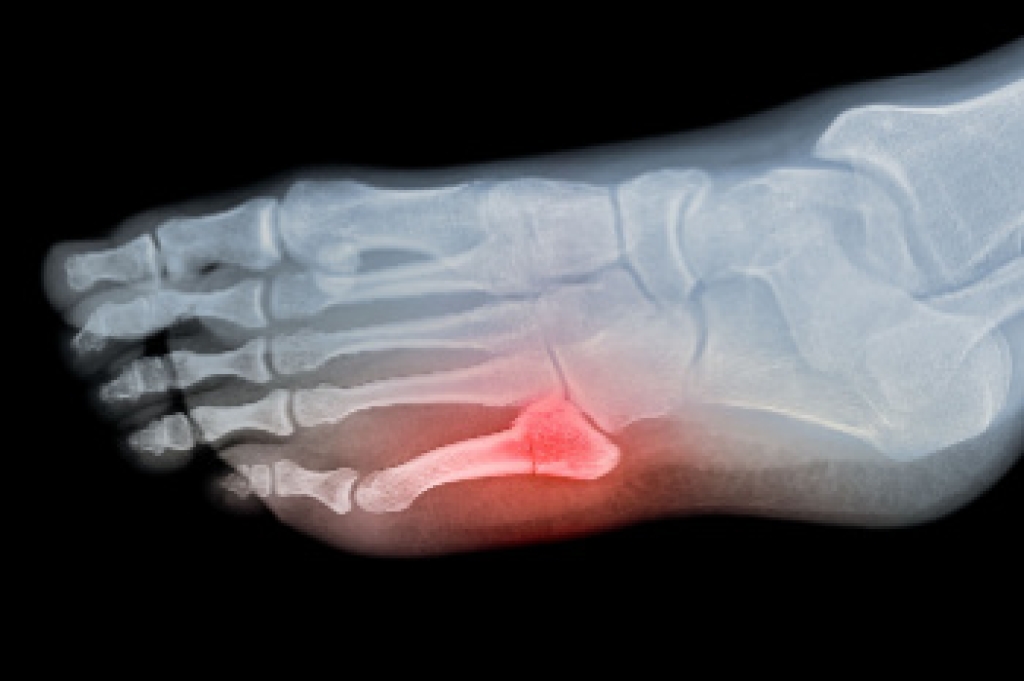
A broken foot can present with several clear symptoms, and it is vital to identify them for prompt treatment. One of the most telling signs is a sharp, severe pain that often worsens with movement or weight-bearing activities. A sensation of dislocated bones, where the foot feels misaligned or abnormal, is also common. Swelling and bruising typically develop rapidly around the affected area, indicating internal bleeding and inflammation. Visible deformities or an inability to move the foot or toes may also occur, in addition to a pronounced tenderness when touching the injured area. Treatment may include immobilization with a cast, use of crutches, and in severe cases, surgical intervention to realign the broken bones. If you feel you may have broken your foot, it is suggested that you consult a podiatrist who can accurately diagnose it and treat it accordingly.

A broken foot requires immediate medical attention and treatment. If you need your feet checked, contact Jeffrey Radack, DPM from Texas Regional Foot & Ankle Clinics. Our doctor can provide the care you need to keep you pain-free and on your feet.

Broken Foot Causes, Symptoms, and Treatment

A broken foot is caused by one of the bones in the foot typically breaking when bended, crushed, or stretched beyond its natural capabilities. Usually the location of the fracture indicates how the break occurred, whether it was through an object, fall, or any other type of injury. 

Common Symptoms of Broken Feet:

  • Bruising
  • Pain
  • Redness
  • Swelling
  • Blue in color
  • Numbness
  • Cold
  • Misshapen
  • Cuts
  • Deformities

Those that suspect they have a broken foot shoot seek urgent medical attention where a medical professional could diagnose the severity.

Treatment for broken bones varies depending on the cause, severity and location. Some will require the use of splints, casts or crutches while others could even involve surgery to repair the broken bones. Personal care includes the use of ice and keeping the foot stabilized and elevated.

If you have any questions, please feel free to contact our office located in McKinney and Coppell, TX . We offer the newest diagnostic and treatment technologies for all your foot care needs.

Read more about Causes, Symptoms, and Treatment for a Broken Foot

Relief for Acute Ankle Sprains

Acute ankle sprains are often caused by sudden twists that stretch or tear ligaments surrounding the ankle, causing pain, swelling, and difficulty while walking. Immediate treatment for an acute ankle sprain is important for effective recovery and to prevent long-term complications. Supportive measures include a lace-up brace, an air stirrup brace, or an elastic compression wrap to stabilize the injured ankle and promote faster healing. Early mobilization, as tolerated by pain levels, has been shown to aid in quicker recovery and reduce the risk of chronic ankle instability. Pain relief medications can help to manage inflammation and discomfort. Athletes and those prone to recurrent sprains may wish to consider using ankle supports during sports to prevent future injuries. If you have recently sprained your ankle or are experiencing persistent discomfort, it is suggested that you schedule an appointment with a podiatrist for a personalized treatment plan to ensure proper healing, and to minimize the chance of future ankle problems.

Although ankle sprains are common, they aren’t always minor injuries. If you need your ankle injury looked at, contact Jeffrey Radack, DPM from Texas Regional Foot & Ankle Clinics. Our doctor can provide the care you need to keep you pain-free and on your feet.

How Does an Ankle Sprain Occur?

Ankle sprains are the result of a tear in the ligaments within the ankle. These injuries may happen when you make a rapid shifting movement while your foot is planted. A less common way to sprain your ankle is when your ankle rolls inward while your foot turns outward.

What Are the Symptoms?

  • Pain at the sight of the tear
  • Bruising/Swelling
  • Ankle area is tender to touch
  • In severe cases, may hear/feel something tear
  • Skin discoloration

Preventing a Sprain

  • Wearing appropriate shoes for the occasion
  • Stretching before exercises and sports
  • Knowing your limits

Treatment of a Sprain

In many cases, the RICE method (Rest, Ice, Compression, and Elevate) is used to treat ankle sprains. However, you should see a podiatrist to see which treatment option would work best with your injury. In severe cases, surgery may be required.

It is important to ask your doctor about rehab options after you receive treatment for your injury. Stretching, strength training, and balance exercises may help the ankle heal while also preventing further injury.

If you have any questions, please feel free to contact our office located in McKinney and Coppell, TX . We offer the newest diagnostic and treatment technologies for all your foot care needs.
Read more about Ankle Sprains

It's Time for Beautiful Feet

You don't need an excuse to have beautiful nails. Step outside without worrying about the appearance of your feet.

Ankle Pain Can Interfere With Walking

Ankle pain while walking is a common issue that can arise from various conditions and injuries. This can be difficult just with regular movement, but particularly frustrating when you count walking as an important form of exercise in your life. The ankle is a complex joint connecting the foot to the leg, consisting of bones, ligaments, tendons, and muscles. Pain can result from sprains, strains, fractures, or conditions such as arthritis, tendinitis, and bursitis. Overuse, wearing improper footwear, and sudden changes in physical activity can also contribute to ankle pain. This pain can interfere with walking by causing discomfort, instability, and limited range of motion. Ankle pain may present as a sharp, stabbing sensation or a dull ache, often worsening with weight-bearing activities. Swelling, bruising, and stiffness are common symptoms accompanying the pain. To alleviate ankle pain, rest, compression, and elevation are effective initial treatments. Pain relievers and wearing supportive footwear can also help. Preventative measures include strengthening and stretching exercises, wearing appropriate shoes, and gradually increasing activity levels. If you have persistent or severe ankle pain, it is suggested that you schedule an appointment with a podiatrist for a proper diagnosis and treatment plan so you can walk comfortably again. 

Sports related foot and ankle injuries require proper treatment before players can go back to their regular routines. For more information, contact Jeffrey Radack, DPM of Texas Regional Foot & Ankle Clinics. Our doctor can provide the care you need to keep you pain-free and on your feet.

Sports Related Foot and Ankle Injuries

Foot and ankle injuries are a common occurrence when it comes to athletes of any sport. While many athletes dismiss the initial aches and pains, the truth is that ignoring potential foot and ankle injuries can lead to serious problems. As athletes continue to place pressure and strain the area further, a mild injury can turn into something as serious as a rupture and may lead to a permanent disability. There are many factors that contribute to sports related foot and ankle injuries, which include failure to warm up properly, not providing support or wearing bad footwear. Common injuries and conditions athletes face, including:

  • Plantar Fasciitis
  • Achilles Tendinitis
  • Achilles Tendon Rupture
  • Ankle Sprains

Sports related injuries are commonly treated using the RICE method. This includes rest, applying ice to the injured area, compression and elevating the ankle. More serious sprains and injuries may require surgery, which could include arthroscopic and reconstructive surgery. Rehabilitation and therapy may also be required in order to get any recovering athlete to become fully functional again. Any unusual aches and pains an athlete sustains must be evaluated by a licensed, reputable medical professional.

If you have any questions please contact our office located in McKinney and Coppell, TX . We offer the newest diagnostic and treatment technologies for all your foot and ankle needs.

Read more about Sports Related Foot And Ankle Injuries

Life Quality With Heel Pain

Plantar fasciitis significantly impacts quality of life, primarily due to persistent heel pain. This condition involves inflammation of the plantar fascia, a thick band of tissue running along the bottom of the foot, often resulting in stabbing pain, particularly during the first steps in the morning or after periods of inactivity. The pain can range from a dull ache to sharp discomfort, making walking, standing, and engaging in daily activities challenging. Symptoms can include heel pain, stiffness, and swelling. Common causes are overuse, wearing improper footwear, obesity, and excessive standing or walking on hard surfaces. Relief options include rest, stretching exercises, proper footwear, and orthotic devices to provide arch support. In severe cases, medical interventions such as corticosteroid injections or surgery might be necessary. If you suffer from plantar fasciitis, it is suggested that you schedule an appointment with a podiatrist to manage it and prevent further complications.

Plantar fasciitis can be very painful and inconvenient. If you are experiencing heel pain or symptoms of plantar fasciitis, contact Jeffrey Radack, DPM  from Texas Regional Foot & Ankle Clinics. Our doctor can provide the care you need to keep you pain-free and on your feet.

What Is Plantar Fasciitis?

Plantar fasciitis is the inflammation of the thick band of tissue that runs along the bottom of your foot, known as the plantar fascia, and causes mild to severe heel pain.

What Causes Plantar Fasciitis?

  • Excessive running
  • Non-supportive shoes
  • Overpronation
  • Repeated stretching and tearing of the plantar fascia

How Can It Be Treated?

  • Conservative measures – anti-inflammatories, ice packs, stretching exercises, physical therapy, orthotic devices
  • Shockwave therapy – sound waves are sent to the affected area to facilitate healing and are usually used for chronic cases of plantar fasciitis
  • Surgery – usually only used as a last resort when all else fails. The plantar fascia can be surgically detached from the heel

While very treatable, plantar fasciitis is definitely not something that should be ignored. Especially in severe cases, speaking to your doctor right away is highly recommended to avoid complications and severe heel pain. Your podiatrist can work with you to provide the appropriate treatment options tailored to your condition.

If you have any questions, please feel free to contact our office located in McKinney and Coppell, TX . We offer the newest diagnostic and treatment technologies for all your foot care needs.

Read more about Plantar Fasciitis

Connect With Us