
Surgical Options for Treating Flat Feet

Foot surgery for flat feet may be recommended when conservative treatments do not relieve pain or restore function. One common procedure, termed medial displacement calcaneal osteotomy, involves shifting the heel bone inward to improve foot alignment and support the arch. Lateral column lengthening is another technique that adds bone to the outer side of the foot, helping to restore proper structure and reduce flattening. The flexor digitorum longus transfer uses a nearby tendon to support the arch by reinforcing the weakened or damaged posterior tibial tendon. Each of these surgical methods aims to correct deformity, improve stability, and reduce pain. Recovery typically involves rest, rehabilitation, and a gradual return to activity. A podiatrist can determine the best approach based on the severity and cause of flat feet. If you have flat feet and are experiencing chronic discomfort, it is suggested that you contact a podiatrist who can help you determine if surgery is right for you.

Foot surgery is sometimes necessary to treat a foot ailment. To learn more, contact Jeffrey Radack, DPM of Texas Regional Foot & Ankle Clinics. Our doctor will assist you with all of your foot and ankle needs.

When Is Surgery Necessary?

Foot and ankle surgery is generally reserved for cases in which less invasive, conservative procedures have failed to alleviate the problem. Some of the cases in which surgery may be necessary include:

  • Removing foot deformities like bunions and bone spurs
  • Severe arthritis that has caused bone issues
  • Cosmetic reconstruction

What Types of Surgery Are There?

The type of surgery you receive will depend on the nature of the problem you have. Some of the possible surgeries include:

  • Bunionectomy for painful bunions
  • Surgical fusion for realignment of bones
  • Neuropathy decompression surgery to treat nerve damage

Benefits of Surgery

Although surgery is usually a last resort, it can provide more complete pain relief compared to non-surgical methods and may allow you to finally resume full activity.

Surgical techniques have also become increasingly sophisticated. Techniques like endoscopic surgery allow for smaller incisions and faster recovery times.

If you have any questions, please feel free to contact our office located in McKinney and Coppell, TX . We offer the newest diagnostic and treatment technologies for all your foot care needs.

Read more about Foot and Ankle Surgery

Common Pickleball Foot and Ankle Injuries

Pickleball has become a popular sport among people of all ages, but the quick lateral movements, abrupt stops, and sudden pivots can lead to various foot and ankle injuries. Common pickleball injuries include ankle sprains, tendon inflammation, plantar fasciitis, and fractures on the inner side of the ankle. These injuries often occur when a player twists the ankle or lands unevenly during play. Fractures involving the inner ankle may require immobilization or surgery, depending on the severity. A podiatrist can evaluate your injury through a physical exam and imaging tests to determine the appropriate course of treatment. Medical care may involve casting, supportive devices, or surgery to stabilize the bones and restore function. Without proper treatment, these injuries can lead to chronic pain or instability, especially in the ankle joint. If you have sustained a foot or ankle injury while playing pickleball, it is suggested that you seek treatment from a podiatrist.

Ankle and foot injuries are common among athletes and in many sports. They can be caused by several problems and may be potentially serious. If you are feeling pain or think you were injured in a sporting event or when exercising, consult with Jeffrey Radack, DPM from Texas Regional Foot & Ankle Clinics. Our doctor will assess your condition and provide you with quality foot and ankle treatment.

Common Injuries

The most common injuries that occur in sporting activities include:

  • Achilles Tendonitis
  • Achilles Tendon Rupture
  • Ankle Sprains
  • Broken Foot
  • Plantar Fasciitis
  • Stress Fractures
  • Turf Toe

Symptoms

Symptoms vary depending upon the injury and in some cases, there may be no symptoms at all. However, in most cases, some form of symptom is experienced. Pain, aching, burning, bruising, tenderness, tightness or stiffness, sensation loss, difficulty moving, and swelling are the most common symptoms.

Treatment

Just as symptoms vary depending upon the injury, so do treatment options. A common treatment method is known as the RICE method. This method involves rest, applying ice, compression and elevating the afflicted foot or ankle. If the injury appears to be more serious, surgery might be required, such as arthroscopic or reconstructive surgery. Lastly, rehabilitation or therapy might be needed to gain full functionality in the afflicted area. Any discomfort experienced by an athlete must be evaluated by a licensed, reputable medical professional.  

If you have any questions please contact our office located in McKinney and Coppell, TX . We offer the newest diagnostic and treatment technologies for all your foot and ankle needs.

Read more about Sports Related Foot and Ankle Injuries

Is My Heel Bruised or Broken?

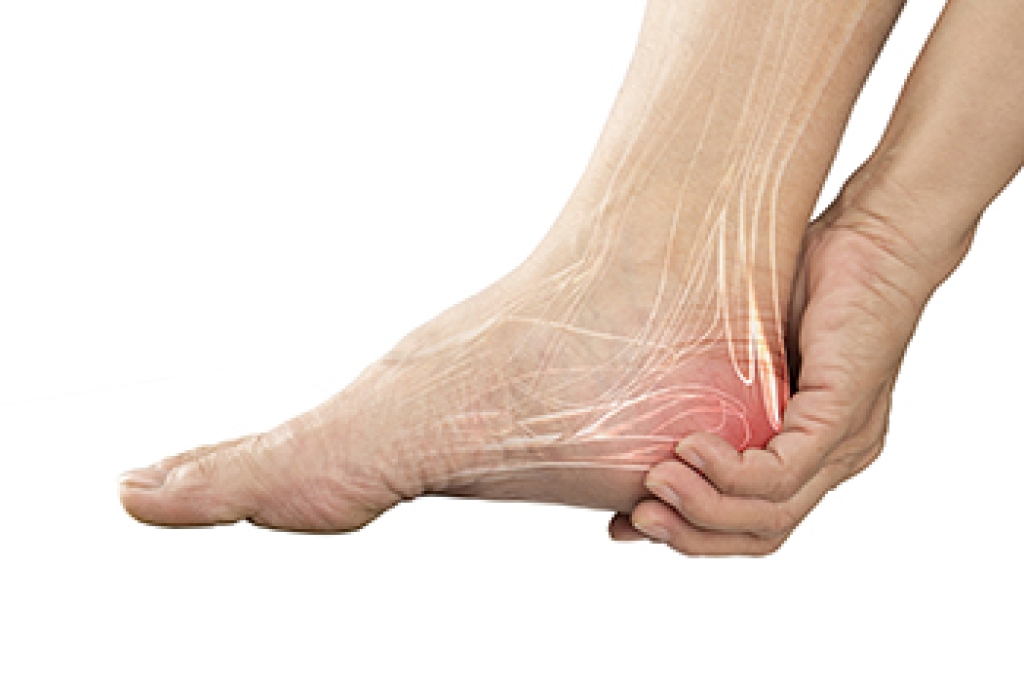
A bruised heel, also known as a heel contusion, occurs when the fat pad under your heel becomes damaged from repeated impact or a hard landing. Common causes include running on hard surfaces, jumping sports, or wearing shoes that lack proper support. It typically feels like a deep, dull ache or tenderness directly under the heel, especially when standing or walking. In contrast, a broken heel, or heel bone fracture, is much more severe, and often results from a traumatic injury like a fall from height or a car accident. Symptoms include intense pain, swelling, bruising, and difficulty bearing weight. Both conditions can make walking painful, but a broken heel usually requires more intensive treatment and a longer recovery period. A podiatrist can perform a physical exam and imaging tests to determine the cause of your heel pain and develop a personalized treatment plan that may include rest, orthotics, or targeted exercises. If you have heel pain, it is suggested that you schedule an appointment with a podiatrist.

Many people suffer from bouts of heel pain. For more information, contact Jeffrey Radack, DPM of Texas Regional Foot & Ankle Clinics. Our doctor can provide the care you need to keep you pain-free and on your feet.

Causes of Heel Pain

Heel pain is often associated with plantar fasciitis. The plantar fascia is a band of tissues that extends along the bottom of the foot. A rip or tear in this ligament can cause inflammation of the tissue.

Achilles tendonitis is another cause of heel pain. Inflammation of the Achilles tendon will cause pain from fractures and muscle tearing. Lack of flexibility is also another symptom.

Heel spurs are another cause of pain. When the tissues of the plantar fascia undergo a great deal of stress, it can lead to ligament separation from the heel bone, causing heel spurs.

Why Might Heel Pain Occur?

  • Wearing ill-fitting shoes                
  • Wearing non-supportive shoes
  • Weight change           
  • Excessive running

Treatments

Heel pain should be treated as soon as possible for immediate results. Keeping your feet in a stress-free environment will help. If you suffer from Achilles tendonitis or plantar fasciitis, applying ice will reduce the swelling. Stretching before an exercise like running will help the muscles. Using all these tips will help make heel pain a condition of the past.

If you have any questions, please feel free to contact our office located in McKinney and Coppell, TX . We offer the newest diagnostic and treatment technologies for all your foot care needs.

Read more about Heel Pain

Gout Pain Can Be Managed

Gout is a painful, inflammatory form of arthritis. Those affected will typically feel an intense stiffness in the joints of their feet, particularly in the big toe. Schedule a visit to learn about how gout can be managed and treated.

Why Toes Become Swollen or Discolored

Swollen or discolored toes can be alarming and uncomfortable, and they may point to a variety of underlying issues. These changes can result from something as simple as minor trauma, like stubbing a toe, or more serious problems such as infections, poor circulation, or inflammatory conditions. Blue or purple discoloration may indicate reduced blood flow or bruising, while redness and warmth could suggest an infection or gout. Swelling might also occur with arthritis or as a reaction to wearing ill-fitting shoes. In some cases, especially during colder months, conditions like chilblains or Raynaud’s phenomenon may cause color changes and discomfort. While some causes are temporary and harmless, others require prompt attention to avoid complications. If your toes are swollen, painful, or changing color without a clear reason, or if symptoms persist, it is suggested that you see a podiatrist to identify the cause and receive the right care.

Toe pain can disrupt your daily activities. If you have any concerns, contact Jeffrey Radack, DPM of Texas Regional Foot & Ankle Clinics. Our doctor can provide the care you need to keep you pain-free and on your feet.

What Causes Toe Pain?

Most severe toe pain is caused due to a sports injury, trauma from dropping something heavy on the toe, or bumping into something rigid. Other problems can develop over time for various reasons.

Toe pain can be caused by one or more ailments. The most common include:

  • Trauma
  • Sports injury
  • Wearing shoes that are too tight
  • Arthritis
  • Gout
  • Corns and calluses
  • Hammertoe
  • Bunions
  • Blisters
  • Ingrown toenails
  • Sprains
  • Fractures (broken bones)
  • Dislocations

When to See a Podiatrist

  • Severe pain
  • Persistent pain that lasts more than a week
  • Signs of infection
  • Continued swelling
  • Pain that prevents walking

Diagnosis

In many cases the cause of toe pain is obvious, but in others, a podiatrist may want to use more advanced methods to determine the problem. These can range from simple visual inspections and sensation tests to X-rays and MRI scans. Prior medical history, family medical history, and any recent physical traumatic events will all be taken into consideration for a proper diagnosis.

Treatment

Treatments for toe pain and injuries vary and may include shoe inserts, padding, taping, medicines, injections, and in some cases, surgery. If you believe that you have broken a toe, please see a podiatrist as soon as possible.

If you have any questions please contact our office located in McKinney and Coppell, TX . We offer the newest diagnostic and treatment technologies for all your foot and ankle needs.

Read more about Toe Pain

Connect With Us