Minor and Major Foot Wounds

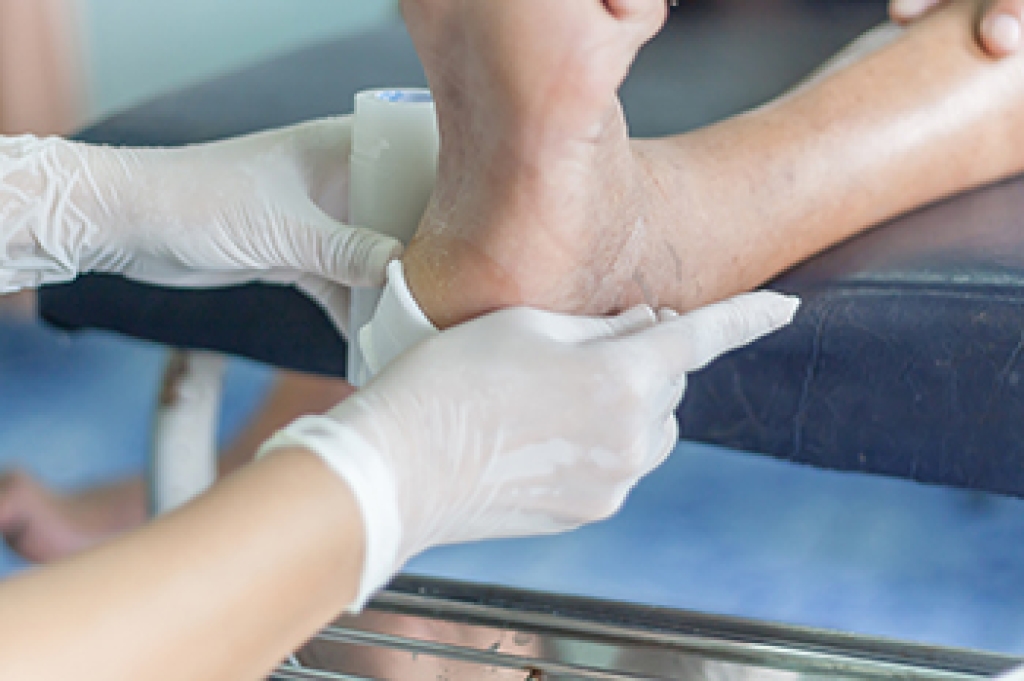
An open wound on the foot can be painful. It is defined as a break or cut in the skin, and in most cases, is found on the surface of the skin. More serious wounds affect the deeper tissues of the foot, and this can spread to the tendons, muscles, and nerves. Minor cuts are often treated by cleaning the wound, followed by covering it with a protective bandage. Stitches may be necessary to accelerate the healing process, in addition to possibly using an adhesive glue. For more serious wounds, medical attention is often sought for relief. The wound may become dirty, and this is the term that is used when germs have entered the wound. This can lead to a possible infection, and recovery instructions must be strictly followed to prevent scarring. If you have a wound on your foot, it is urgently suggested that you are under the care of a podiatrist who can provide the best treatment for the type of foot wound you have.

Wound care is an important part in dealing with diabetes. If you have diabetes and a foot wound or would like more information about wound care for diabetics, consult with Jeffrey Radack, DPM from Texas Regional Foot & Ankle Clinics. Our doctor will assess your condition and provide you with quality foot and ankle treatment.

What Is Wound Care?

Wound care is the practice of taking proper care of a wound. This can range from the smallest to the largest of wounds. While everyone can benefit from proper wound care, it is much more important for diabetics. Diabetics often suffer from poor blood circulation which causes wounds to heal much slower than they would in a non-diabetic. 

What Is the Importance of Wound Care?

While it may not seem apparent with small ulcers on the foot, for diabetics, any size ulcer can become infected. Diabetics often also suffer from neuropathy, or nerve loss. This means they might not even feel when they have an ulcer on their foot. If the wound becomes severely infected, amputation may be necessary. Therefore, it is of the upmost importance to properly care for any and all foot wounds.

How to Care for Wounds

The best way to care for foot wounds is to prevent them. For diabetics, this means daily inspections of the feet for any signs of abnormalities or ulcers. It is also recommended to see a podiatrist several times a year for a foot inspection. If you do have an ulcer, run the wound under water to clear dirt from the wound; then apply antibiotic ointment to the wound and cover with a bandage. Bandages should be changed daily and keeping pressure off the wound is smart. It is advised to see a podiatrist, who can keep an eye on it.

If you have any questions please contact our office located in McKinney and Coppell, TX . We offer the newest diagnostic and treatment technologies for all your foot and ankle needs.

Read more about Wound Care

Swollen Ankles and Feet Are Common During Pregnancy

One of the most common side effects many pregnant women complain about is swollen feet. It often starts in the second trimester, and they may start to become uncomfortable as the pregnancy progresses. It is considered to be a normal part of pregnancy and is generally caused by additional fluid and blood the body produces. This is the body’s natural method of providing proper nourishment to the growing fetus, and, as a result, the fluid may pool in the ankles and feet. Many women find it helpful to elevate their feet as often as possible, in addition to soaking their feet in warm water. Research has indicated that it may be beneficial to ensure that there are adequate amounts of potassium included in the daily consumption of food. Additionally, this may significantly contribute to possibly reducing high blood pressure. Drinking plenty of water daily is essential in controlling swollen ankles, and wearing compression socks may help to diminish some of the fluid in the ankles. If swollen ankles are bothersome during your pregnancy, and you would like additional remedies that can help you to find relief, please contact a podiatrist. 

Pregnant women with swollen feet can be treated with a variety of different methods that are readily available. For more information about other cures for swollen feet during pregnancy, consult with Jeffrey Radack, DPM from Texas Regional Foot & Ankle Clinics. Our doctor will attend to all of your foot and ankle needs.

What Foot Problems Can Arise During Pregnancy?

One problem that can occur is overpronation, which occurs when the arch of the foot flattens and tends to roll inward.  This can cause pain and discomfort in your heels while you’re walking or even just standing up, trying to support your baby.  

Another problem is edema, or swelling in the extremities. This often affects the feet during pregnancy but tends to occur in the later stages. 

How Can I Keep My Feet Healthy During Pregnancy?

  • Wearing orthotics can provide extra support for the feet and help distribute weight evenly
  • Minimize the amount of time spent walking barefoot
  • Wear shoes with good arch support
  • Wear shoes that allow for good circulation to the feet
  • Elevate feet if you experience swelling
  • Massage your feet
  • Get regular, light exercise, such as walking, to promote blood circulation to the feet

If you have any questions, please feel free to contact our office located in McKinney and Coppell, TX . We offer the newest diagnostic and treatment technologies for all your foot care needs.

Read more about Foot Care for Pregnant Women

How to Minimize Sore Feet From High Heels

There are many people who choose to frequently wear high heels, often producing sore feet at the end of the day. It is a common side effect that may be remedied by wearing high heels that have a lower heel. Some of the conditions that may occur from wearing high heels can be quite uncomfortable, including blisters, corns, and bunions. Additionally, the heel may be affected by plantar fasciitis, which can happen from having inadequate support in the arch area. Soaking the feet in warm water may help to relieve existing swelling and aching muscles. The feet can benefit from performing specific strengthening exercises, consisting of calf and heel stretches. People who continue to enjoy wearing high heels may also benefit from choosing a shoe that is well-cushioned and has maximum support for the entire foot. If you would like more information about what kind of high heels to wear that may help to minimize foot pain, please consult with a podiatrist.

High heels have a history of causing foot and ankle problems. If you have any concerns about your feet or ankles, contact Jeffrey Radack, DPM from Texas Regional Foot & Ankle Clinics. Our doctor can provide the care you need to keep you pain-free and on your feet.

Effects of High Heels on the Feet

High heels are popular shoes among women because of their many styles and societal appeal.  Despite this, high heels can still cause many health problems if worn too frequently.

Which Parts of My Body Will Be Affected by High Heels?

  • Ankle Joints
  • Achilles Tendon – May shorten and stiffen with prolonged wear
  • Balls of the Feet
  • Knees – Heels cause the knees to bend constantly, creating stress on them
  • Back – They decrease the spine’s ability to absorb shock, which may lead to back pain.  The vertebrae of the lower back may compress.

What Kinds of Foot Problems Can Develop from Wearing High Heels?

  • Corns
  • Calluses
  • Hammertoe
  • Bunions
  • Morton’s Neuroma
  • Plantar Fasciitis

How Can I Still Wear High Heels and Maintain Foot Health?

If you want to wear high heeled shoes, make sure that you are not wearing them every day, as this will help prevent long term physical problems.  Try wearing thicker heels as opposed to stilettos to distribute weight more evenly across the feet.  Always make sure you are wearing the proper shoes for the right occasion, such as sneakers for exercising.  If you walk to work, try carrying your heels with you and changing into them once you arrive at work.  Adding inserts to your heels can help cushion your feet and absorb shock. Full foot inserts or metatarsal pads are available. 

If you have any questions, please feel free to contact our office located in McKinney and Coppell, TX . We offer the newest diagnostic and treatment technologies for all your foot care needs.

Read more about Effect of High Heels on the Feet

Heel Pain in the Morning?

Heel pain can negatively affect your day-to-day life. Simple activities like walking can become incredibly uncomfortable or painful due to heel pain.

Don’t live with heel pain and get treated.

Plantar Fasciitis and Driving

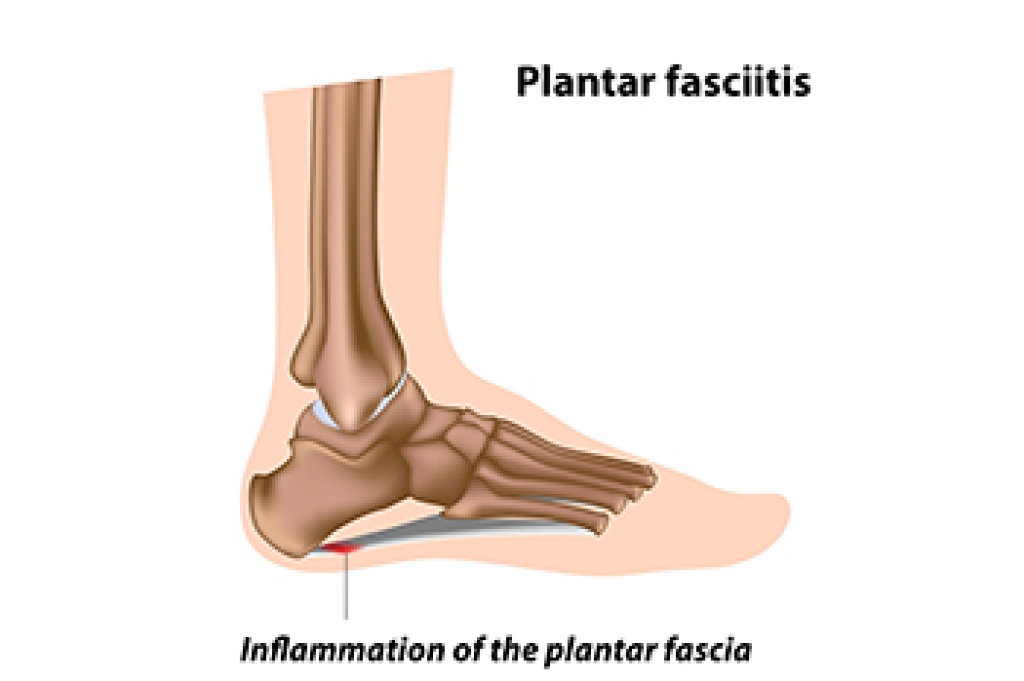
Plantar fasciitis is an extremely common type of heel pain that can develop in an individual when the plantar fascia, a band of tissue in the arch of the foot, becomes inflamed. Many different physical activities can cause plantar fasciitis. One of these overlooked causes can be driving repeatedly. Someone who is constantly driving may be increasing their susceptibility to plantar fasciitis in their right foot because this foot is needed to constantly press on and off of the gas and brake pedals. This repeated flexing of the foot is known as plantar flexion, and may exacerbate your plantar fasciitis. If you are an excessive driver, there are steps that you might consider taking to mitigate your foot condition. For example, you might be intentional about taking several breaks during car rides so that you may fully stretch your feet and legs. Contact a podiatrist today for more information.

Plantar fasciitis can be very painful and inconvenient. If you are experiencing heel pain or symptoms of plantar fasciitis, contact Jeffrey Radack, DPM  from Texas Regional Foot & Ankle Clinics. Our doctor can provide the care you need to keep you pain-free and on your feet.

What Is Plantar Fasciitis?

Plantar fasciitis is the inflammation of the thick band of tissue that runs along the bottom of your foot, known as the plantar fascia, and causes mild to severe heel pain.

What Causes Plantar Fasciitis?

  • Excessive running
  • Non-supportive shoes
  • Overpronation
  • Repeated stretching and tearing of the plantar fascia

How Can It Be Treated?

  • Conservative measures – anti-inflammatories, ice packs, stretching exercises, physical therapy, orthotic devices
  • Shockwave therapy – sound waves are sent to the affected area to facilitate healing and are usually used for chronic cases of plantar fasciitis
  • Surgery – usually only used as a last resort when all else fails. The plantar fascia can be surgically detached from the heel

While very treatable, plantar fasciitis is definitely not something that should be ignored. Especially in severe cases, speaking to your doctor right away is highly recommended to avoid complications and severe heel pain. Your podiatrist can work with you to provide the appropriate treatment options tailored to your condition.

If you have any questions, please feel free to contact our office located in McKinney and Coppell, TX . We offer the newest diagnostic and treatment technologies for all your foot care needs.

Read more about Plantar Fasciitis

Connect With Us