
Corns and Calluses Are Different

Although they share many symptoms including thick, rough, flaky, or dry skin and tenderness or pain, corns and calluses are different. Foot corns are small, raised lumps that usually feature a hard center surrounded by an area of inflamed skin. They are often found on top of or in between the toes and can be painful when pressure is applied to them. Calluses usually develop on the weight-bearing parts of your feet, namely on the soles of your feet, under the heels and balls. They vary in size, but are often large and are rarely painful. Treating corns and calluses at home by resting the feet, wearing more comfortable shoes, and soaking, exfoliating, and moisturizing hardened skin is often helpful. However, if you have painful or inflamed corns and calluses, or if you have diabetes or poor circulation, it is strongly suggested that you see a podiatrist for treatment. 

If you have any concerns regarding your feet and ankles, contact Jeffrey Radack, DPM of Texas Regional Foot & Ankle Clinics. Our doctor will treat your foot and ankle needs.

Corns: What Are They? and How Do You Get Rid of Them?
Corns can be described as areas of the skin that have thickened to the point of becoming painful or irritating. They are often layers and layers of the skin that have become dry and rough, and are normally smaller than calluses.

Ways to Prevent Corns
There are many ways to get rid of painful corns such as wearing:

  • Well-fitting socks
  • Comfortable shoes that are not tight around your foot
  • Shoes that offer support

Treating Corns
Treatment of corns involves removing the dead skin that has built up in the specific area of the foot. Consult with Our doctor to determine the best treatment option for your case of corns.

If you have any questions, please feel free to contact our office located in McKinney and Coppell, TX . We offer the newest diagnostic and treatment technologies for all your foot care needs.

Read more about Corns: What Are They, and How Do You Get Rid of Them

Treat Cracked Heels This Fall With the Help of Your Podiatrist

Fall weather can bring a drop in temperature and sudden, dry air. Combined with a lack of moisture, this can cause your skin to suffer and your feet to become dry.

Treat dry skin and cracked heels with the help of your foot doctor.

What Can Be Done to Treat an Ankle Sprain?

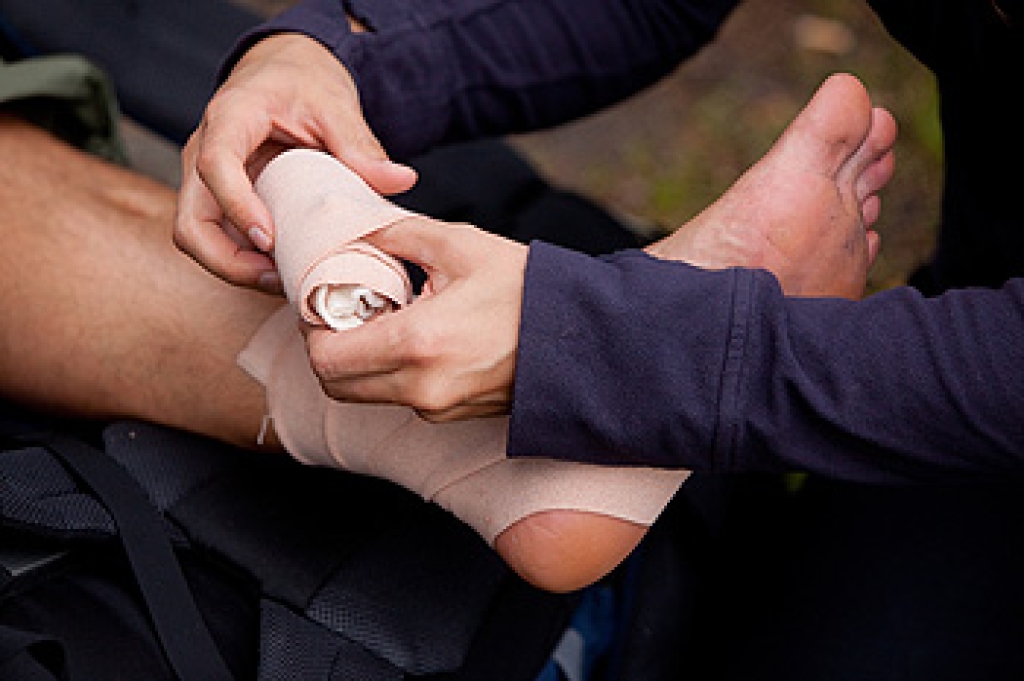
Ankle sprains can occur when one or more ligaments in the ankle are overstretched or torn, usually due to a sudden, twisting injury of the ankle. Sprains can range from mild to severe, but in all cases, a full recovery is vital to prevent future ankle injuries. For all ankle sprains, it is important to protect the sprained ankle from further injury by resting it. Applying ice, compressing, and elevating the injured ankle can help reduce swelling and inflammation. Taking over-the-counter anti-inflammatory drugs can be useful for pain management. Gentle stretching and strengthening exercises can help during the recovery process as well. Moderate to severe sprains will usually require further treatments to ensure proper healing. These may include footwear modifications, wearing orthotics, going to physical therapy, wearing an ankle brace or support, and in particularly severe cases, undergoing surgery to repair a torn ligament. If you have sprained your ankle, it is suggested that you seek the care of a podiatrist. 

Ankle sprains are common but need immediate attention. If you need your feet checked, contact Jeffrey Radack, DPM from Texas Regional Foot & Ankle Clinics. Our doctor can provide the care you need to keep you pain-free and on your feet.

How Does an Ankle Sprain Occur?

Ankle sprains take place when the ligaments in your ankle are torn or stretched beyond their limits. There are multiple ways that the ankle can become injured, including twisting or rolling over onto your ankle, putting undue stress on it, or causing trauma to the ankle itself.

What Are the Symptoms?

  • Mild to moderate bruising
  • Limited mobility
  • Swelling
  • Discoloration of the skin (depending on severity)

Preventing a Sprain

  • Wearing appropriate shoes for the occasion
  • Stretching before exercises and sports
  • Knowing your limits

Treatment of a Sprain

Treatment of a sprain depends on the severity.  Many times, people are told to rest and remain off their feet completely, while others are given an air cast. If the sprain is very severe, surgery may be required.

If you have suffered an ankle sprain previously, you may want to consider additional support such as a brace and regular exercises to strengthen the ankle.

If you have any questions please feel free to contact our office located in McKinney and Coppell, TX . We offer the newest diagnostic tools and technology to treat your foot and ankle needs.

Read more about Ankle Sprains

What Causes Burning Foot Pain?

A burning sensation in your feet can be extremely unpleasant and painful. Typically, burning pain is indicative of problems with the nerves in the feet. There are many potential causes for burning pain in the feet. Peripheral neuropathy, a condition in which the nerves of the feet are damaged, can cause burning pain, a pins and needles sensation, numbness, weakness, and altered balance. Symptoms tend to affect both feet and may come and go or progressively worsen. Morton’s neuroma is a condition that causes burning pain in the ball of the foot due to damage to a nerve between the toes. Charcot Marie Tooth disease is a genetic disorder that causes peripheral nerve damage and can affect foot structure and mobility. Other causes of burning pain include metatarsalgia, peripheral artery disease, tarsal tunnel syndrome, and diabetic neuropathy, among many others. If you have burning pain in your feet, it is strongly suggested that you seek the care of a podiatrist. 

Foot Pain

Foot pain can be extremely painful and debilitating. If you have a foot pain, consult with Jeffrey Radack, DPM from Texas Regional Foot & Ankle Clinics. Our doctor will assess your condition and provide you with quality foot and ankle treatment.

Causes

Foot pain is a very broad condition that could be caused by one or more ailments. The most common include:

  • Bunions
  • Hammertoes
  • Plantar Fasciitis
  • Bone Spurs
  • Corns
  • Tarsal Tunnel Syndrome
  • Ingrown Toenails
  • Arthritis (such as Gout, Rheumatoid, and Osteoarthritis)
  • Flat Feet
  • Injury (from stress fractures, broken toe, foot, ankle, Achilles tendon ruptures, and sprains)
  • And more

Diagnosis

To figure out the cause of foot pain, podiatrists utilize several different methods. This can range from simple visual inspections and sensation tests to X-rays and MRI scans. Prior medical history, family medical history, and any recent physical traumatic events will all be taken into consideration for a proper diagnosis.

Treatment

Treatment depends upon the cause of the foot pain. Whether it is resting, staying off the foot, or having surgery; podiatrists have a number of treatment options available for foot pain.

If you have any questions, please feel free to contact our office located in McKinney and Coppell, TX . We offer the newest diagnostic and treatment technologies for all your foot care needs.

Read more about Foot Pain

Charcot Marie Tooth Disease and the Feet

Charcot Marie Tooth (CMT) disease is a neurological condition characterized by a weakness and loss of sensation in the legs, hands, and feet due to nerve damage. This condition is genetic, affecting approximately 1 in every 2500 people. CMT develops gradually over time and progressively worsens. While there is no cure, a podiatrist can help you manage the symptoms of CMT in your feet. People with this condition may experience a change in the structure of their feet, developing high arches and hammertoes. Pain, muscle weakness, altered sensation, and muscle cramps are also common. Your podiatrist may recommend a treatment program consisting of foot strengthening and stretching exercises, orthotics, pain medication, and possibly surgery to reduce symptoms and maintain your mobility and quality of life. If you suffer from CMT disease, seeing a podiatrist can help. 

Neuropathy

Neuropathy can be a potentially serious condition, especially if it is left undiagnosed. If you have any concerns that you may be experiencing nerve loss in your feet, consult with Jeffrey Radack, DPM from Texas Regional Foot & Ankle Clinics. Our doctor will assess your condition and provide you with quality foot and ankle treatment for neuropathy.

What Is Neuropathy?

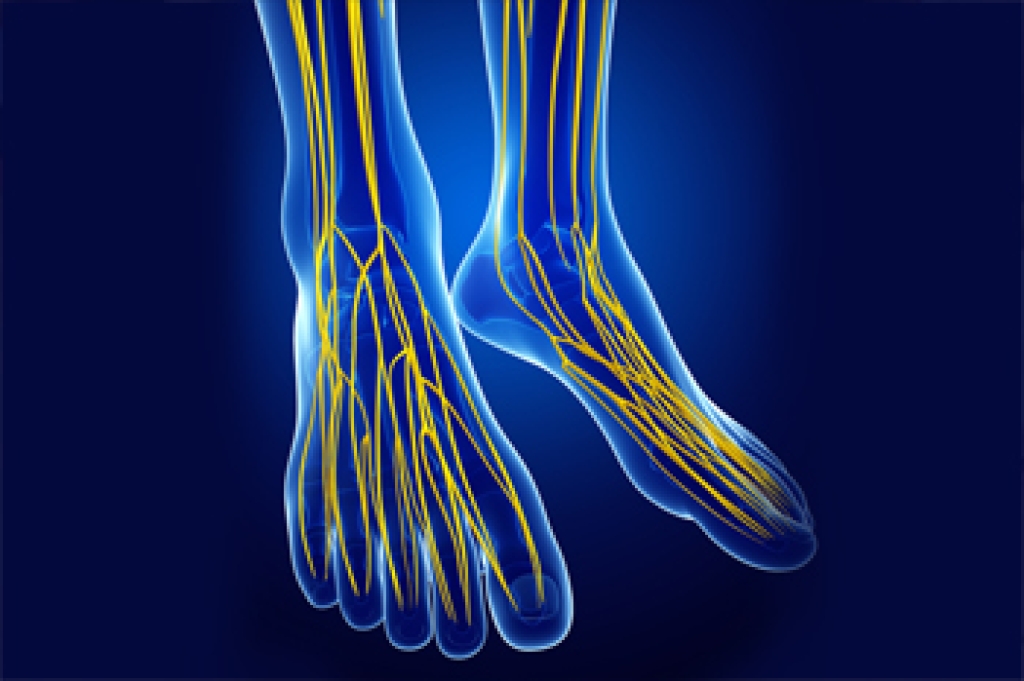
Neuropathy is a condition that leads to damage to the nerves in the body. Peripheral neuropathy, or neuropathy that affects your peripheral nervous system, usually occurs in the feet. Neuropathy can be triggered by a number of different causes. Such causes include diabetes, infections, cancers, disorders, and toxic substances.

Symptoms of Neuropathy Include:

  • Numbness
  • Sensation loss
  • Prickling and tingling sensations
  • Throbbing, freezing, burning pains
  • Muscle weakness

Those with diabetes are at serious risk due to being unable to feel an ulcer on their feet. Diabetics usually also suffer from poor blood circulation. This can lead to the wound not healing, infections occurring, and the limb may have to be amputated.

Treatment

To treat neuropathy in the foot, podiatrists will first diagnose the cause of the neuropathy. Figuring out the underlying cause of the neuropathy will allow the podiatrist to prescribe the best treatment, whether it be caused by diabetes, toxic substance exposure, infection, etc. If the nerve has not died, then it’s possible that sensation may be able to return to the foot.

Pain medication may be issued for pain. Electrical nerve stimulation can be used to stimulate nerves. If the neuropathy is caused from pressure on the nerves, then surgery may be necessary.

If you have any questions, please feel free to contact our office located in McKinney and Coppell, TX . We offer the newest diagnostic and treatment technologies for all your foot care needs.
Read more about Neuropathy

Connect With Us