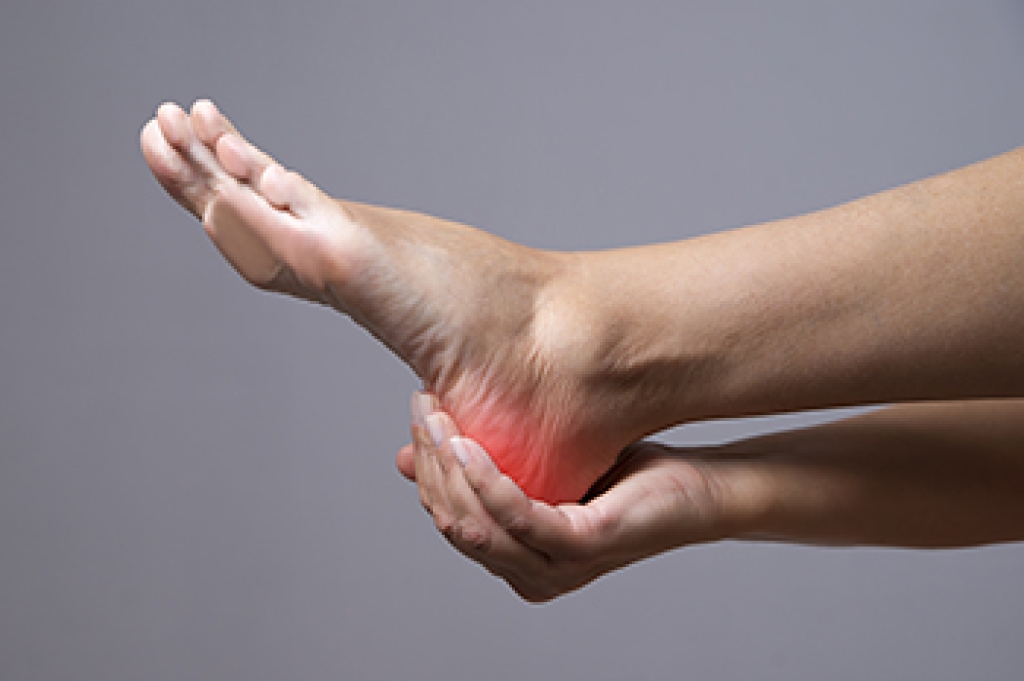
Common Causes of Heel Pain

Two common causes of heel pain are plantar fasciitis and heel spurs. Each foot has 28 bones, 30 joints, and more than 100 muscles, ligaments, and tendons. All of these structures work in tandem to provide weight-bearing and forward movement. The heel bone, or calcaneus, is the largest bone in the foot, and is a common site for injury as a result of walking style, or gait. Plantar fasciitis is caused by microtears in the connective tissue under the foot. This is typically caused by overstretching and can produce pain in the heel and arch areas of the foot. Pain is often worse in the morning when the first steps are taken. A heel spur is a bony overgrowth on the heel that can cause severe pain while standing or walking. Heel spurs can be common among those with plantar fasciitis. For a proper diagnosis and treatment of your heel pain, it is suggested that you consult with a podiatrist.

Many people suffer from bouts of heel pain. For more information, contact Jeffrey Radack, DPM of Texas Regional Foot & Ankle Clinics. Our doctor can provide the care you need to keep you pain-free and on your feet.

Causes of Heel Pain

Heel pain is often associated with plantar fasciitis. The plantar fascia is a band of tissues that extends along the bottom of the foot. A rip or tear in this ligament can cause inflammation of the tissue.

Achilles tendonitis is another cause of heel pain. Inflammation of the Achilles tendon will cause pain from fractures and muscle tearing. Lack of flexibility is also another symptom.

Heel spurs are another cause of pain. When the tissues of the plantar fascia undergo a great deal of stress, it can lead to ligament separation from the heel bone, causing heel spurs.

Why Might Heel Pain Occur?

  • Wearing ill-fitting shoes                
  • Wearing non-supportive shoes
  • Weight change           
  • Excessive running

Treatments

Heel pain should be treated as soon as possible for immediate results. Keeping your feet in a stress-free environment will help. If you suffer from Achilles tendonitis or plantar fasciitis, applying ice will reduce the swelling. Stretching before an exercise like running will help the muscles. Using all these tips will help make heel pain a condition of the past.

If you have any questions, please feel free to contact our office located in McKinney and Coppell, TX . We offer the newest diagnostic and treatment technologies for all your foot care needs.

Read more about Heel Pain

Do Flat Feet Hurt?

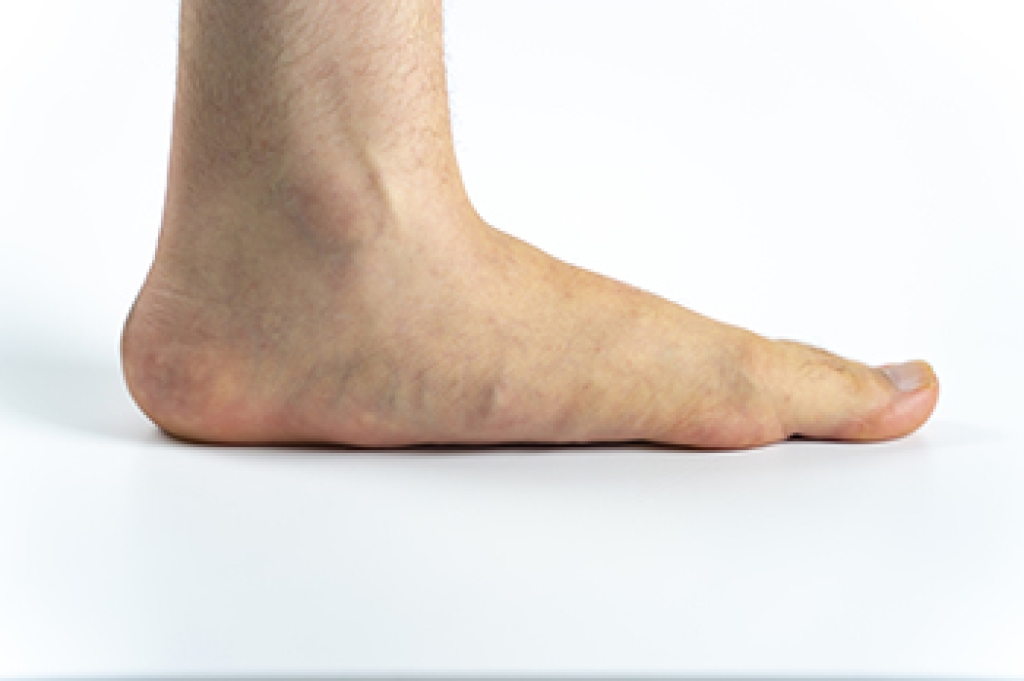
Flat feet can have various effects on people. Some patients will experience discomfort during everyday activities, and others wont have any pain. People who have flat feet have a low arch or none at all. Most babies are born with flat feet, and the arch generally develops during the teenage years. Flat feet fall into two categories. Patients with flexible flat feet will maintain an arch, but it disappears when the foot lies flat on the ground. With rigid flat feet, the arch is completely gone, with or without weight being exerted on the foot. Adults may be prone to developing flat feet if they have foot muscle weakness or ankle instability. There are stretches that can be performed to help reduce the achy sensation that sometimes accompanies flat feet. One example is standing on a step and lowering one heel at a time until a gentle stretch is felt. If you have flat feet, a podiatrist can provide you with additional stretches that can help to strengthen the foot and possibly diminish existing pain.

Flatfoot is a condition many people suffer from. If you have flat feet, contact Jeffrey Radack, DPM from Texas Regional Foot & Ankle Clinics. Our doctor will treat your foot and ankle needs.

What Are Flat Feet?

Flatfoot is a condition in which the arch of the foot is depressed and the sole of the foot is almost completely in contact with the ground. About 20-30% of the population generally has flat feet because their arches never formed during growth.

Conditions & Problems:

Having flat feet makes it difficult to run or walk because of the stress placed on the ankles.

Alignment – The general alignment of your legs can be disrupted, because the ankles move inward which can cause major discomfort.

Knees – If you have complications with your knees, flat feet can be a contributor to arthritis in that area.  

Symptoms

  • Pain around the heel or arch area
  • Trouble standing on the tip toe
  • Swelling around the inside of the ankle
  • Flat look to one or both feet
  • Having your shoes feel uneven when worn

Treatment

If you are experiencing pain and stress on the foot you may weaken the posterior tibial tendon, which runs around the inside of the ankle. 

If you have any questions, please feel free to contact our office located in McKinney and Coppell, TX . We offer the newest diagnostic and treatment technologies for all your foot care needs.
Read more about Flatfoot

Keep Your Feet Healthy So You Can Stay Active

Have your feet inspected by a professional before starting a new sport or physical activity. Taking charge of your foot health will keep you in good physical condition and can help you avoid a potential injury, such as a fracture or sprained ankle.

Prevent injuries and see a foot specialist.

Pronation and Supination Affect Foot Health

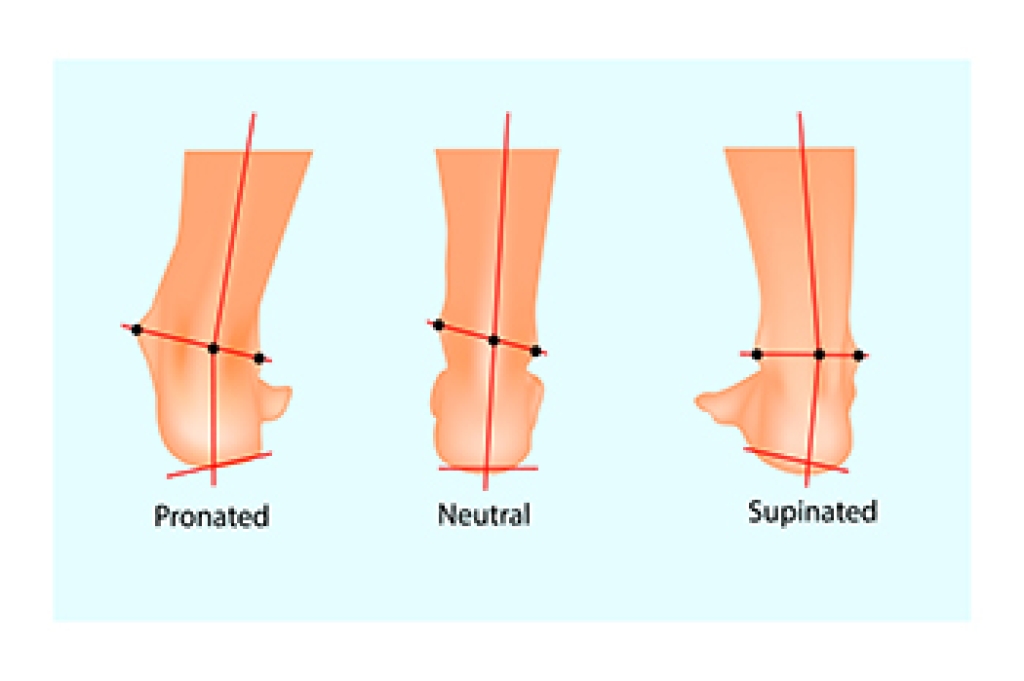
The way you walk can affect the health of your feet as well as other body parts, including the knees, hips, and back. When you take a step, the foot either rolls outward or inward. This is referred to as the running gait. When the foot rolls inward, it is termed pronation. When the foot rolls outward, it is termed supination. A certain amount of pronation and supination is considered normal. But if the foot rolls too far inward, called overpronation, the arch flattens out and causes damage to the tendons, ligaments, and muscles under the foot. In the case of supination, the foot rolls outward. Oversupination puts extra strain on the muscles and tendons in the ankle joint, causing instability. This action can result in an ankle sprain or ligament rupture. Overpronation and supination can also contribute to several other foot, heel, and ankle ailments, including plantar fasciitis, Achilles tendonitis, and flat feet. If you have experienced symptoms connected to overpronation or supination, please consult a podiatrist who can prescribe custom orthotics that may help to correct the problem.

If you have any concerns about your feet, contact Jeffrey Radack, DPM from Texas Regional Foot & Ankle Clinics. Our doctor can provide the care you need to keep you pain-free and on your feet.

Biomechanics in Podiatry

Podiatric biomechanics is a particular sector of specialty podiatry with licensed practitioners who are trained to diagnose and treat conditions affecting the foot, ankle and lower leg. Biomechanics deals with the forces that act against the body, causing an interference with the biological structures. It focuses on the movement of the ankle, the foot and the forces that interact with them.

A History of Biomechanics

  • Biomechanics dates back to the BC era in Egypt where evidence of professional foot care has been recorded.
  • In 1974, biomechanics gained a higher profile from the studies of Merton Root, who claimed that by changing or controlling the forces between the ankle and the foot, corrections or conditions could be implemented to gain strength and coordination in the area.

Modern technological improvements are based on past theories and therapeutic processes that provide a better understanding of podiatric concepts for biomechanics. Computers can provide accurate information about the forces and patterns of the feet and lower legs.

Understanding biomechanics of the feet can help improve and eliminate pain, stopping further stress to the foot.

If you have any questions please feel free to contact our office located in McKinney and Coppell, TX . We offer the newest diagnostic and treatment technologies for all your foot and ankle needs.

Read more about The Importance of Biomechanics in Podiatry

Foot Pain and Heart Disease

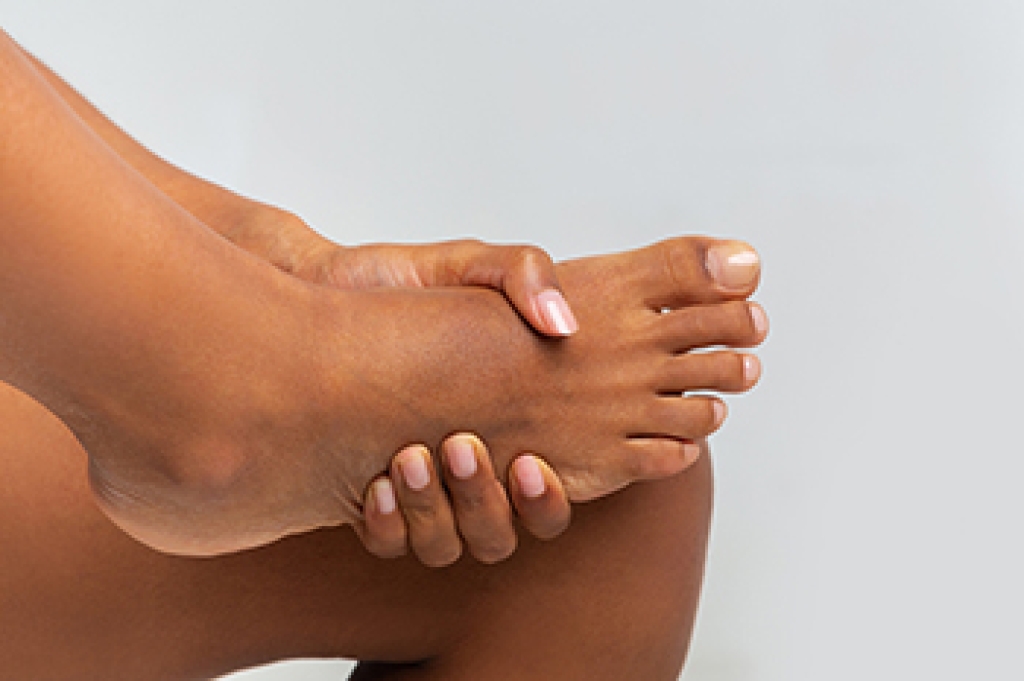
The feet are integral parts of the human body in their own right. However, the health of our feet can also tell us important things about our overall health and the health of other parts of our body. For example, the state of our feet can sometimes be an early warning sign for other health complications, such as heart disease. Specifically, pain in the muscles in the feet is sometimes associated with early signs of heart disease. This pain in the foot muscles might even travel up the calves and thighs. Besides foot pain, feelings of numbness in the feet when motionless might also indicate in some individuals a potential for experiencing heart disease. Additionally, swelling in the feet, which is also known as edema, can be associated with heart disease. If you are experiencing any of these symptoms and want to learn more about what they might mean, contact a podiatrist today for more information.


Foot Pain

Foot pain can be extremely painful and debilitating. If you have a foot pain, consult with Jeffrey Radack, DPM from Texas Regional Foot & Ankle Clinics. Our doctor will assess your condition and provide you with quality foot and ankle treatment.

Causes

Foot pain is a very broad condition that could be caused by one or more ailments. The most common include:

  • Bunions
  • Hammertoes
  • Plantar Fasciitis
  • Bone Spurs
  • Corns
  • Tarsal Tunnel Syndrome
  • Ingrown Toenails
  • Arthritis (such as Gout, Rheumatoid, and Osteoarthritis)
  • Flat Feet
  • Injury (from stress fractures, broken toe, foot, ankle, Achilles tendon ruptures, and sprains)
  • And more

Diagnosis

To figure out the cause of foot pain, podiatrists utilize several different methods. This can range from simple visual inspections and sensation tests to X-rays and MRI scans. Prior medical history, family medical history, and any recent physical traumatic events will all be taken into consideration for a proper diagnosis.

Treatment

Treatment depends upon the cause of the foot pain. Whether it is resting, staying off the foot, or having surgery; podiatrists have a number of treatment options available for foot pain.

If you have any questions, please feel free to contact our office located in McKinney and Coppell, TX . We offer the newest diagnostic and treatment technologies for all your foot care needs.
Read more about Foot Pain

Connect With Us