How Did I Hurt My Achilles Tendon?

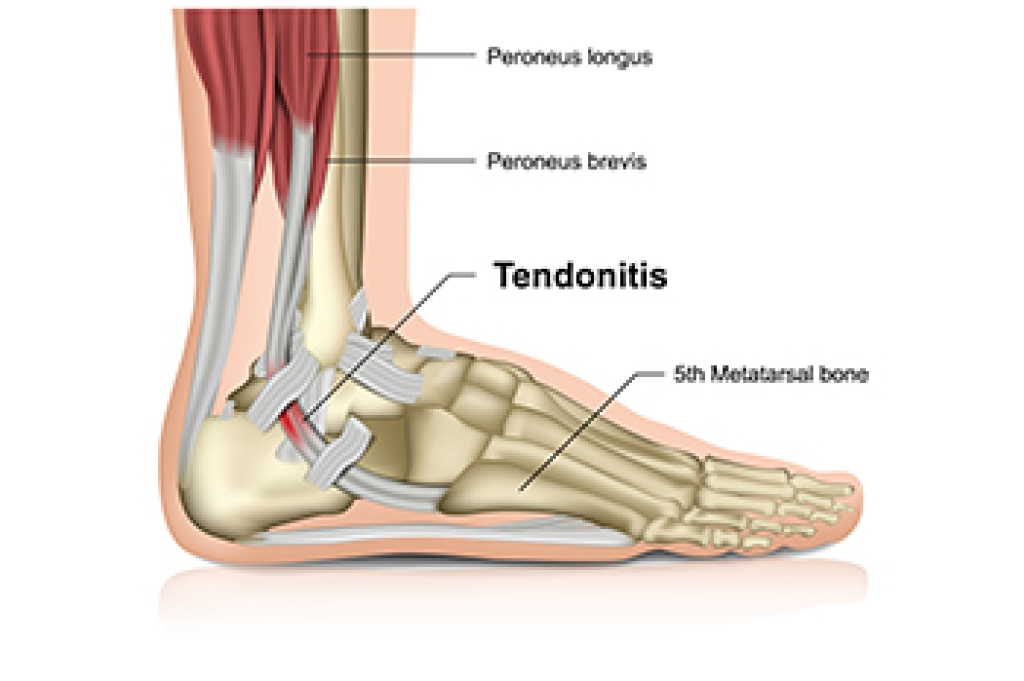
There is no mistaking the discomfort that can happen from enduring an Achilles tendon injury. It is often a sudden, sharp pain that occurs when this tendon becomes torn. It can happen to runners who increase speed and mileage too quickly, often without properly warming up. The Achilles tendon is located in the lower portion of the calf and connects the heel to the calf muscles. This type of injury may also happen while running on hard or uneven surfaces, or if the foot suddenly turns out. In addition to the intense pain this injury can cause, the affected foot may feel stiff in the morning, and is often painful when touched. Treatment often begins by stopping the activity that caused the injury, and a brace or cast may need to temporarily be worn that can provide stability as it heals. If you have had an Achilles tendon injury, it is strongly suggested that you consult with a podiatrist who can guide you toward treatment options that are correct for you.

Achilles tendon injuries need immediate attention to avoid future complications. If you have any concerns, contact Jeffrey Radack, DPM of Texas Regional Foot & Ankle Clinics. Our doctor can provide the care you need to keep you pain-free and on your feet.

What Is the Achilles Tendon?

The Achilles tendon is a tendon that connects the lower leg muscles and calf to the heel of the foot. It is the strongest tendon in the human body and is essential for making movement possible. Because this tendon is such an integral part of the body, any injuries to it can create immense difficulties and should immediately be presented to a doctor.

What Are the Symptoms of an Achilles Tendon Injury?

There are various types of injuries that can affect the Achilles tendon. The two most common injuries are Achilles tendinitis and ruptures of the tendon.

Achilles Tendinitis Symptoms

  • Inflammation
  • Dull to severe pain
  • Increased blood flow to the tendon
  • Thickening of the tendon

Rupture Symptoms

  • Extreme pain and swelling in the foot
  • Total immobility

Treatment and Prevention

Achilles tendon injuries are diagnosed by a thorough physical evaluation, which can include an MRI. Treatment involves rest, physical therapy, and in some cases, surgery. However, various preventative measures can be taken to avoid these injuries, such as:

  • Thorough stretching of the tendon before and after exercise
  • Strengthening exercises like calf raises, squats, leg curls, leg extensions, leg raises, lunges, and leg presses

If you have any questions please feel free to contact our office located in McKinney and Coppell, TX . We offer the newest diagnostic tools and technology to treat your foot and ankle needs.

Read more about What are Achilles Tendon Injuries

Why Are My Feet Swollen?

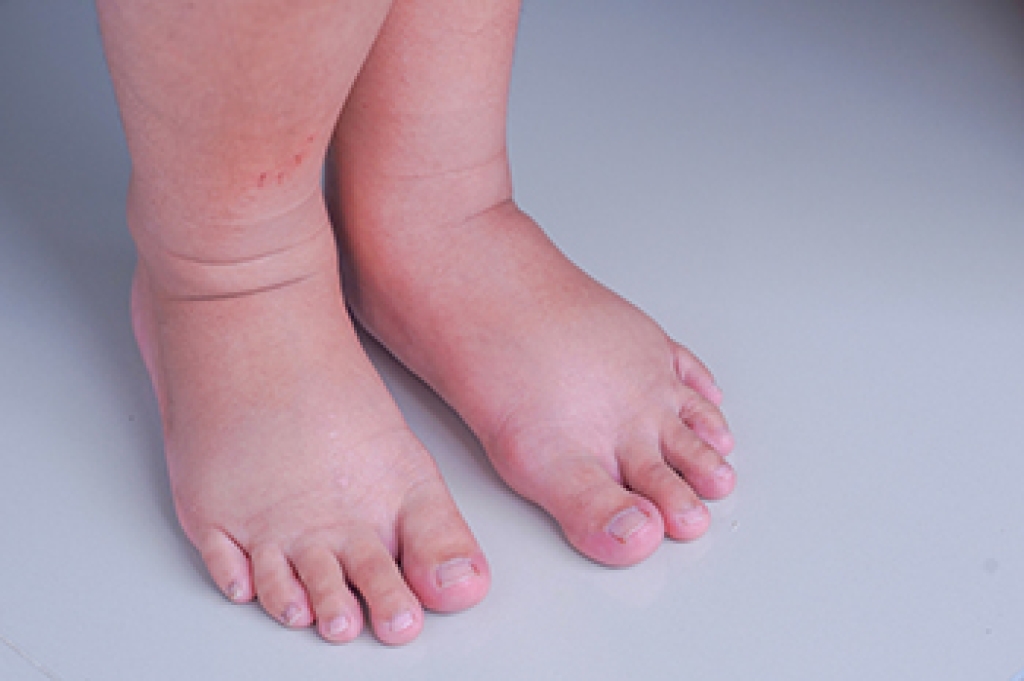
People who have swollen feet are often aware of the discomfort this condition can cause. It is common among pregnant women and generally begins in the second trimester. The medical term for swollen feet is edema, which is defined as fluid that becomes trapped in the body’s tissues. The feet and ankles are common areas for this to occur, and the fluids can pool in these areas as a result of gravity. Patients who have poor circulation may experience swollen feet, or it may happen to people who have endured a foot injury. Relief may be found when the feet are frequently elevated and compression stockings are worn. It is beneficial to reduce sodium intake, in addition to drinking plenty of water daily. If you have swollen feet, it is suggested that you speak with a podiatrist who can determine the cause and offer correct treatment options.

Swollen feet can be a sign of an underlying condition. If you have any concerns, contact Jeffrey Radack, DPM of Texas Regional Foot & Ankle Clinics. Our doctor can provide the care you need to keep you pain-free and on your feet.

Swollen feet are a common ailment among pregnant women and people who stand or sit for extended periods. Aging may increase the possibility of swollen feet and patients who are obese often notice when their feet are swelling too. There may be medical reasons why swollen feet occur:

  • Phlebitis - A condition that causes the veins to become inflamed and can also cause leg pain.
  • Liver disease - This may lead to low blood levels of albumin which is a protein. This can cause fluid in the blood to pass into the tissues and several areas of the body can become swollen.
  • Heart failure - When the heart doesn’t pump properly the blood that is normally pumped back to the heart can pool in the veins of the legs causing swollen feet.
  • Kidney disease - One of the main functions of the kidneys is releasing excess fluid in the body. This type of condition can make it difficult for the kidneys to function properly, and as a result the feet may become swollen.
  • Deep-vein thrombosis (DVT)- This is a serious condition where blood clots form in the veins of the legs. They can block the return of blood from the legs to the heart which may cause the feet to swell. It is important to be treated by a podiatrist if this condition is present.

Swollen feet can also be caused by bone and tendon conditions, including fractures, arthritis, and tendinitis. Additionally, there may be skin and toenail conditions and an infection may cause the feet to swell. Patients who take medicine to treat high blood pressure may be prone to getting swollen feet. 

Many patients elevate their feet to help relieve the swelling and this is generally a temporary remedy. When a podiatrist is consulted the reason behind the swelling can be uncovered and subsequently treated.

If you have any questions please contact our office located in McKinney and Coppell, TX . We offer the newest diagnostic and treatment technologies for all your foot and ankle needs.

Read more about Swelling of the Feet

Do You Suffer From Painful Feet?

Painful deformities, such as hammertoes, can be treated. Stop living with foot pain, and have beautiful feet again!

Peripheral Artery Disease Can Affect Your Feet

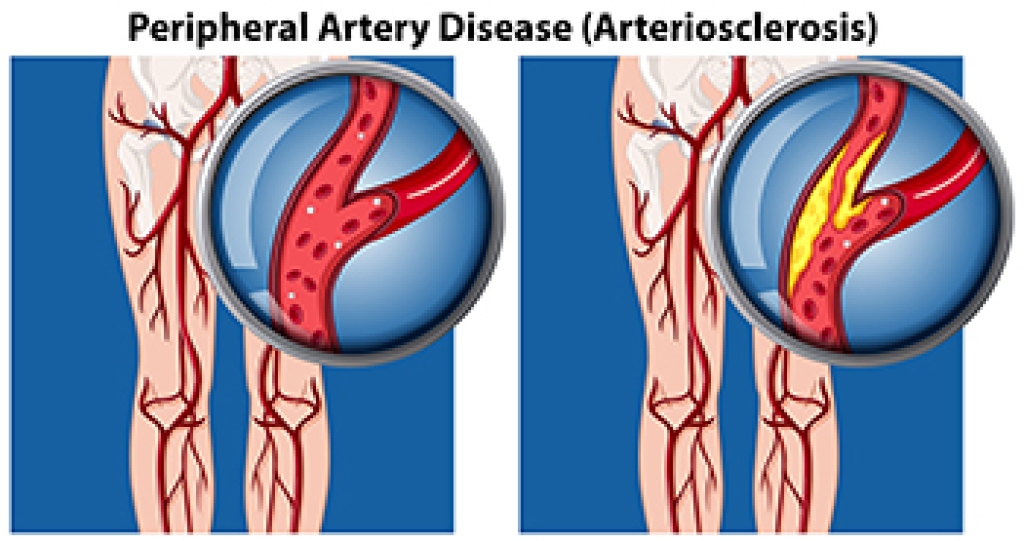
Peripheral artery disease is a cardiovascular condition that can seriously affect the health of your feet. When fatty deposits build up in the arteries that serve the legs, the flow of blood to the feet and toes can be restricted. Common symptoms of peripheral artery disease, or PAD, include hair loss and weakness in the legs and feet, brittle or slow-growing toenails, and numbness in the lower extremities. One of the more serious results of PAD is the increased inability of sores or cuts on the feet and ankles to heal normally. If these wounds are not noticed or left unattended, they can become ulcerous. This is a common side effect of diabetes as the result of high levels of blood sugar. Foot ulcers can become gangrenous and increase the danger of losing a limb. Eating a healthy diet, quitting smoking and drinking, along with losing weight can all help to reduce the effects of peripheral artery disease. For help with this condition as it affects the feet, it is suggested that you make an appointment with a podiatrist. 

Peripheral artery disease can pose a serious risk to your health. It can increase the risk of stroke and heart attack. If you have symptoms of peripheral artery disease, consult with Jeffrey Radack, DPM from Texas Regional Foot & Ankle Clinics. Our doctor will assess your condition and provide you with quality foot and ankle treatment.

Peripheral artery disease (PAD) is when arteries are constricted due to plaque (fatty deposits) build-up. This results in less blood flow to the legs and other extremities. The main cause of PAD is atherosclerosis, in which plaque builds up in the arteries.

Symptoms

Symptoms of PAD include:

  • Claudication (leg pain from walking)
  • Numbness in legs
  • Decrease in growth of leg hair and toenails
  • Paleness of the skin
  • Erectile dysfunction
  • Sores and wounds on legs and feet that won’t heal
  • Coldness in one leg

It is important to note that a majority of individuals never show any symptoms of PAD.

Diagnosis

While PAD occurs in the legs and arteries, Podiatrists can diagnose PAD. Podiatrists utilize a test called an ankle-brachial index (ABI). An ABI test compares blood pressure in your arm to you ankle to see if any abnormality occurs. Ultrasound and imaging devices may also be used.

Treatment

Fortunately, lifestyle changes such as maintaining a healthy diet, exercising, managing cholesterol and blood sugar levels, and quitting smoking, can all treat PAD. Medications that prevent clots from occurring can be prescribed. Finally, in some cases, surgery may be recommended.

If you have any questions, please feel free to contact our office located in McKinney and Coppell, TX . We offer the newest diagnostic and treatment technologies for all your foot care needs.

Read more about Peripheral Artery Disease

How the Foot Is Affected by Rheumatoid Arthritis

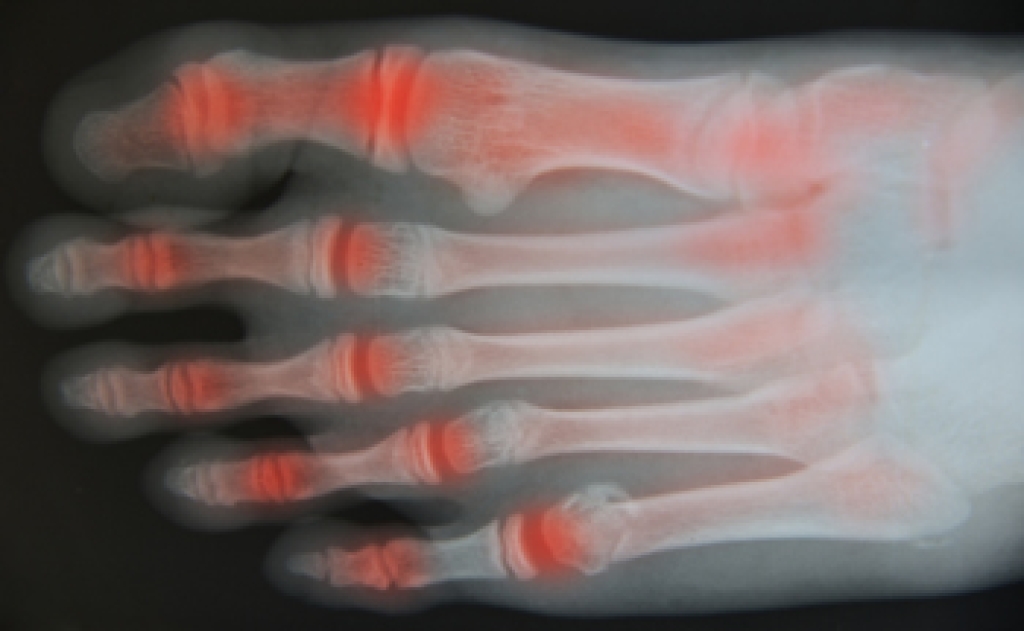
People who develop rheumatoid arthritis, or RA, are no strangers to the pain this condition can cause. The symptoms that often accompany this ailment can include stiffness, and the joints throughout the body may be swollen. The feet can be affected by rheumatoid arthritis, and it may be difficult to walk and complete daily activities. RA is considered to be an autoimmune disease, and it attacks the lining of the joints. Some patients can experience fevers, extreme fatigue, and possible weight loss. The components of the feet that are affected can include the cartilage, toe joints, and the joints that connect the foot and the ankle. Patients who are afflicted with RA look for relief, and may find it, by wearing custom-made orthotics, practicing a regular exercise routine, and maintaining a healthy weight. If you have foot pain, it is strongly suggested that you consult with a podiatrist who can diagnose and treat rheumatoid arthritis.

Because RA affects more than just your joints, including the joints in your feet and ankles, it is important to seek early diagnosis from your podiatrist if you feel like the pain in your feet might be caused by RA. For more information, contact Jeffrey Radack, DPM of Texas Regional Foot & Ankle Clinics. Our doctor will assist you with all of your podiatric concerns.

What Is Rheumatoid Arthritis?

Rheumatoid Arthritis (RA) is an autoimmune disorder in which the body’s own immune system attacks the membranes surrounding the joints. Inflammation of the lining and eventually the destruction of the joint’s cartilage and bone occur, causing severe pain and immobility.

Rheumatoid Arthritis of the Feet

Although RA usually attacks multiple bones and joints throughout the entire body, almost 90 percent of cases result in pain in the foot or ankle area.

Symptoms

  • Swelling and pain in the feet
  • Stiffness in the feet
  • Pain on the ball or sole of feet
  • Joint shift and deformation

Diagnosis

Quick diagnosis of RA in the feet is important so that the podiatrist can treat the area effectively. Your doctor will ask you about your medical history, occupation, and lifestyle to determine the origin of the condition. Rheumatoid Factor tests help to determine if someone is affected by the disease.

If you have any questions, please feel free to contact our office located in McKinney and Coppell, TX . We offer the newest diagnostic and treatment technologies for all your foot care needs.

Read more about Rheumatoid Arthritis in the Feet

Connect With Us