
Causes and Symptoms of Foot Blisters

Blisters, those tiny pockets of annoyance that can develop on the feet, are often the result of friction, heat, and moisture conspiring against our skin. Blisters form as a protective response, shielding the delicate layers of skin beneath from further damage. Ill-fitting footwear, especially new shoes that have not been properly broken in, are common culprits. Extended periods of walking, running, or any repetitive motion can exacerbate the friction, triggering blisters. Additionally, sweaty feet trapped in damp environments provide the ideal environment. The symptoms are tender, swollen patches of skin filled with clear fluid, which may eventually rupture, leaving raw skin exposed. While prevention through comfortable footwear and moisture-wicking socks is key, understanding the causes and symptoms equips you to treat blisters promptly and prevent their unwelcome intrusion. If you frequently develop blisters on your feet, it is suggested that you contact a podiatrist who can provide you with additional prevention techniques.

Blisters may appear as a single bubble or in a cluster. They can cause a lot of pain and may be filled with pus, blood, or watery serum. If your feet are hurting, contact Jeffrey Radack, DPM of Texas Regional Foot & Ankle Clinics. Our doctor can provide the care you need to keep you pain-free and on your feet.

Foot Blisters

Foot blisters are often the result of friction. This happens due to the constant rubbing from shoes, which can lead to pain.

What Are Foot Blisters?

A foot blister is a small fluid-filled pocket that forms on the upper-most layer of the skin. Blisters are filled with clear fluid and can lead to blood drainage or pus if the area becomes infected.

Symptoms

(Blister symptoms may vary depending on what is causing them)

  • Bubble of skin filled with fluid
  • Redness
  • Moderate to severe pain
  • Itching

Prevention & Treatment

In order to prevent blisters, you should be sure to wear comfortable shoes with socks that cushion your feet and absorb sweat. Breaking a blister open may increase your chances of developing an infection. However, if your blister breaks, you should wash the area with soap and water immediately and then apply a bandage to the affected area. If your blisters cause severe pain it is important that you call your podiatrist right away.

If you have any questions, please feel free to contact our office located in McKinney and Coppell, TX . We offer the newest diagnostic and treatment technologies for all your foot care needs.


Read more about Blisters on the Feet

Finding Relief for Foot Arthritis

Arthritis is a form of joint inflammation that can find its way into the feet, bringing discomfort and challenges to mobility. Osteoarthritis, often linked to wear and tear, can lead to pain and stiffness in the foot's joints. Rheumatoid arthritis, an autoimmune disorder, can cause painful swelling and deformities. Gout, characterized by sudden, intense pain, emerges from uric acid buildup. Relief options encompass a range of strategies. Wearing custom orthotics, which offer cushioning and support, can help to reduce pressure on affected areas. Stretches and exercises can enhance flexibility and strength. Medications, including anti-inflammatories, can be beneficial in providing relief. Lifestyle adjustments, such as weight management and choosing proper footwear, can also alleviate symptoms. Consulting a podiatrist ensures a tailored approach to managing arthritis in the feet. If you have any type of foot arthritis, it is suggested that you contact this type of doctor who can offer you effective relief options.

Arthritis can be a difficult condition to live with. If you are seeking treatment, contact Jeffrey Radack, DPM from Texas Regional Foot & Ankle Clinics. Our doctor can provide the care you need to keep you pain-free and on your feet.

Arthritic Foot Care  

Arthritis is a term that is commonly used to describe joint pain.  The condition itself can occur to anyone of any age, race, or gender, and there are over 100 types of it.  Nevertheless, arthritis is more commonly found in women compared to men, and it is also more prevalent in those who are overweight. The causes of arthritis vary depending on which type of arthritis you have. Osteoarthritis for example, is often caused by injury, while rheumatoid arthritis is caused by a misdirected immune system.

Symptoms

  • Swelling
  • Pain
  • Stiffness
  • Decreased Range of Motion

Arthritic symptoms range in severity, and they may come and go. Some symptoms stay the same for several years but could potentially get worse with time. Severe cases of arthritis can prevent its sufferers from performing daily activities and make walking difficult.

Risk Factors

  • Occupation – Occupations requiring repetitive knee movements have been linked to osteoarthritis
  • Obesity – Excess weight can contribute to osteoarthritis development
  • Infection – Microbial agents can infect the joints and trigger arthritis
  • Joint Injuries – Damage to joints may lead to osteoarthritis
  • Age – Risk increases with age
  • Gender –Most types are more common in women
  • Genetics – Arthritis can be hereditary

If you suspect your arthritis is affecting your feet, it is crucial that you see a podiatrist immediately. Your doctor will be able to address your specific case and help you decide which treatment method is best for you.

If you have any questions please feel free to contact our office located in McKinney and Coppell, TX . We offer the newest diagnostic tools and technology to treat your foot and ankle needs.

Read more about How to Care for Your Arthritic Foot

Causes, Symptoms, and Possible Relief Options for Plantar Fasciitis

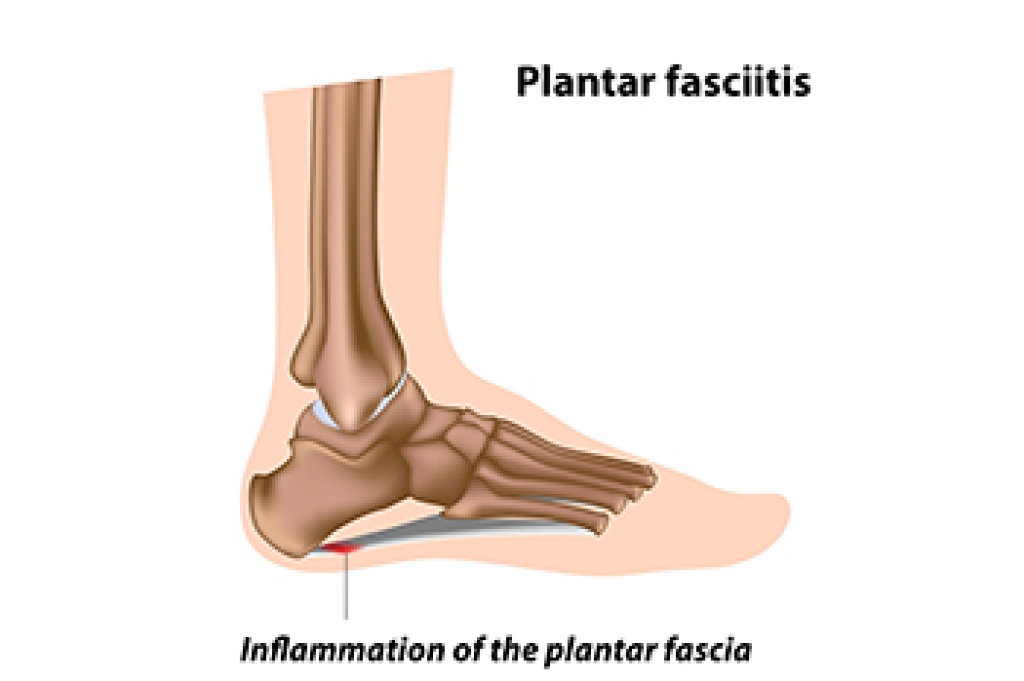
Plantar fasciitis, a common and often distressing foot condition, can disrupt daily routines with its sharp heel pain. This ailment arises from inflammation of the plantar fascia, which is the tissue connecting the heel bone to the toes. Causes can vary, including repetitive stress, wearing poor-fitting footwear, and obesity. Symptoms can manifest as intense pain upon waking or after periods of rest, and gradually easing with movement. Relief techniques can include performing stretching exercises targeting the calf muscles and plantar fascia, helping to relieve tension. Orthotic shoe inserts can provide support and distribute pressure. Taking anti-inflammatory medications can be beneficial, and for more severe cases, medical interventions such as surgery may be considered. By addressing the underlying triggers and adopting a combination of remedies, individuals can gradually step back into pain-free mobility. If you have heel pain, it is strongly suggested that you are under the care of a podiatrist who can effectively treat plantar fasciitis.

Plantar fasciitis is a common foot condition that is often caused by a strain injury. If you are experiencing heel pain or symptoms of plantar fasciitis, contact Jeffrey Radack, DPM from Texas Regional Foot & Ankle Clinics. Our doctor can provide the care you need to keep you pain-free and on your feet.

What Is Plantar Fasciitis?

Plantar fasciitis is one of the most common causes of heel pain. The plantar fascia is a ligament that connects your heel to the front of your foot. When this ligament becomes inflamed, plantar fasciitis is the result. If you have plantar fasciitis you will have a stabbing pain that usually occurs with your first steps in the morning. As the day progresses and you walk around more, this pain will start to disappear, but it will return after long periods of standing or sitting.

What Causes Plantar Fasciitis?

  • Excessive running
  • Having high arches in your feet
  • Other foot issues such as flat feet
  • Pregnancy (due to the sudden weight gain)
  • Being on your feet very often

There are some risk factors that may make you more likely to develop plantar fasciitis compared to others. The condition most commonly affects adults between the ages of 40 and 60. It also tends to affect people who are obese because the extra pounds result in extra stress being placed on the plantar fascia.

Prevention

  • Take good care of your feet – Wear shoes that have good arch support and heel cushioning.
  • Maintain a healthy weight
  • If you are a runner, alternate running with other sports that won’t cause heel pain

There are a variety of treatment options available for plantar fasciitis along with the pain that accompanies it. Additionally, physical therapy is a very important component in the treatment process. It is important that you meet with your podiatrist to determine which treatment option is best for you.

If you have any questions, please feel free to contact our office located in McKinney and Coppell, TX . We offer the newest diagnostic and treatment technologies for all your foot care needs.
 

Read more about Plantar Fasciitis

How Rheumatoid Arthritis Affects the Feet

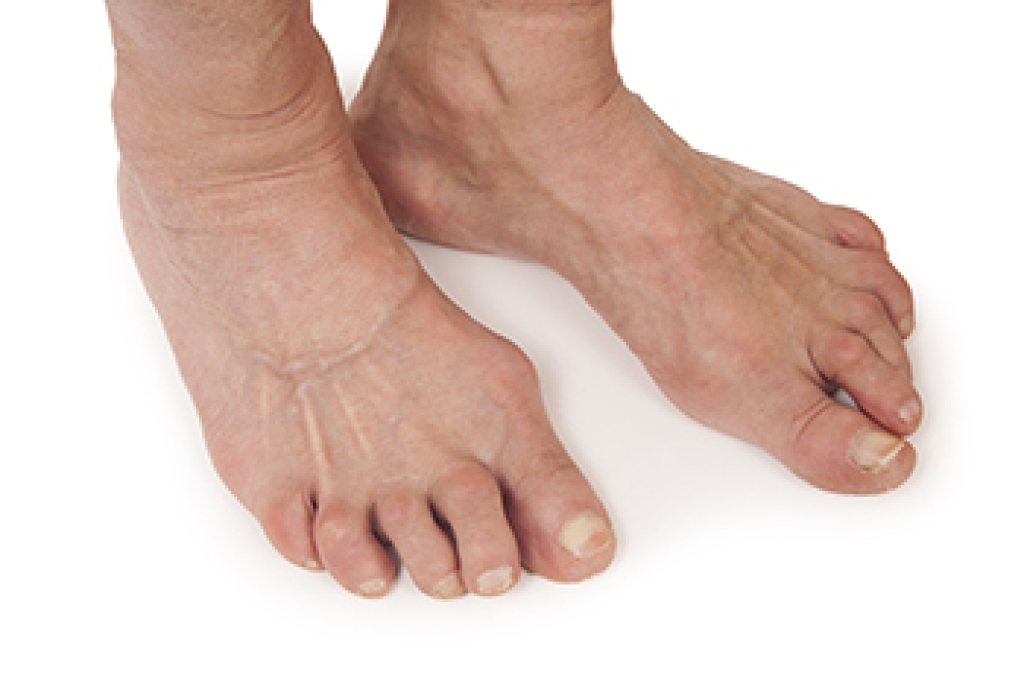
Rheumatoid arthritis, abbreviated RA, is a relentless autoimmune disorder that does not spare the feet from pain. The immune system's misguided attacks on the synovium, which is the protective lining of joints, lead to chronic inflammation in various parts of the body, including the feet. The small joints in the toes, the arch, and the ankle are frequent targets, causing swelling, stiffness, and pain. Over time, RA can lead to deformities, such as bunions, hammertoes, and collapsed arches, resulting in altered foot structure and gait. The chronic pain can impair mobility, leading to a reduced quality of life. Early diagnosis and prompt intervention are crucial to managing symptoms and slowing down the progression. A treatment approach involving medication, wearing orthotics, and incorporating lifestyle adjustments may help to alleviate the burden on the feet and enhance overall foot health for individuals with RA. If you have this condition, it is strongly suggested that you are under the care of a podiatrist who can offer you additional relief options.

Because RA affects more than just your joints, including the joints in your feet and ankles, it is important to seek early diagnosis from your podiatrist if you feel like the pain in your feet might be caused by RA. For more information, contact Jeffrey Radack, DPM of Texas Regional Foot & Ankle Clinics. Our doctor will assist you with all of your podiatric concerns.

What Is Rheumatoid Arthritis?

Rheumatoid Arthritis (RA) is an autoimmune disorder in which the body’s own immune system attacks the membranes surrounding the joints. Inflammation of the lining and eventually the destruction of the joint’s cartilage and bone occur, causing severe pain and immobility.

Rheumatoid Arthritis of the Feet

Although RA usually attacks multiple bones and joints throughout the entire body, almost 90 percent of cases result in pain in the foot or ankle area.

Symptoms

  • Swelling and pain in the feet
  • Stiffness in the feet
  • Pain on the ball or sole of feet
  • Joint shift and deformation

Diagnosis

Quick diagnosis of RA in the feet is important so that the podiatrist can treat the area effectively. Your doctor will ask you about your medical history, occupation, and lifestyle to determine the origin of the condition. Rheumatoid Factor tests help to determine if someone is affected by the disease.

If you have any questions, please feel free to contact our office located in McKinney and Coppell, TX . We offer the newest diagnostic and treatment technologies for all your foot care needs.
Read more about Rheumatoid Arthritis in the Feet

Connect With Us