Living With Hammertoe

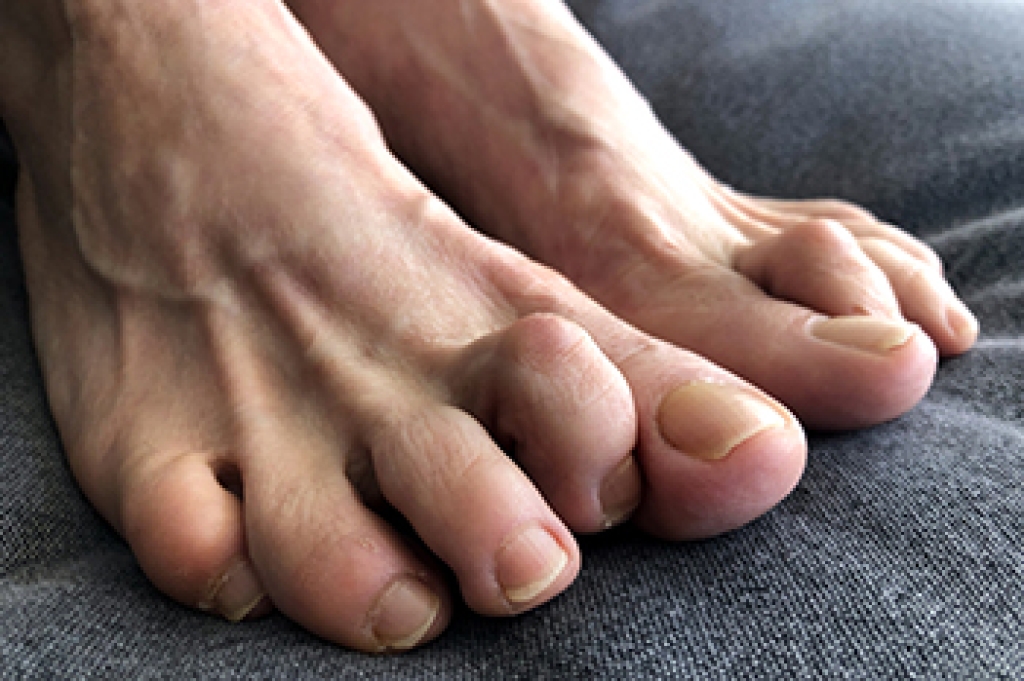
Hammertoe is a common foot deformity in which one or more of the smaller toes bend downward at the middle joint. Over time, the affected joints become stiff and difficult or even impossible to move. The tops of the affected toes can develop corns, blisters, and calluses from rubbing up against your shoes, causing pain and making it difficult to find proper footwear. Hammertoe is progressive, meaning it gets worse over time when it is left untreated. When caught in its earlier stages, hammertoe can be treated with conservative methods. These include wearing comfortable, properly fitted shoes, wearing orthotic inserts, and padding the affected toes to prevent skin irritation. For more information about hammertoe, please consult with a podiatrist. 

Hammertoe

Hammertoes can be a painful condition to live with. For more information, contact Jeffrey Radack, DPM from Texas Regional Foot & Ankle Clinics. Our doctor will answer any of your foot- and ankle-related questions.

Hammertoe is a foot deformity that affects the joints of the second, third, fourth, or fifth toes of your feet. It is a painful foot condition in which these toes curl and arch up, which can often lead to pain when wearing footwear.

Symptoms

  • Pain in the affected toes
  • Development of corns or calluses due to friction
  • Inflammation
  • Redness
  • Contracture of the toes

Causes

Genetics – People who are genetically predisposed to hammertoe are often more susceptible

Arthritis – Because arthritis affects the joints in your toes, further deformities stemming from arthritis can occur

Trauma – Direct trauma to the toes could potentially lead to hammertoe

Ill-fitting shoes – Undue pressure on the front of the toes from ill-fitting shoes can potentially lead to the development of hammertoe

Treatment

Orthotics – Custom made inserts can be used to help relieve pressure placed on the toes and therefore relieve some of the pain associated with it

Medications – Oral medications such as anti-inflammatories or NSAIDs could be used to treat the pain and inflammation hammertoes causes. Injections of corticosteroids are also sometimes used

Surgery – In more severe cases where the hammertoes have become more rigid, foot surgery is a potential option

If you have any questions, please feel free to contact our office located in McKinney and Coppell, TX . We offer the newest diagnostic and treatment technologies for all your foot care needs.

Read more about Hammertoe

Cuboid Syndrome Causes

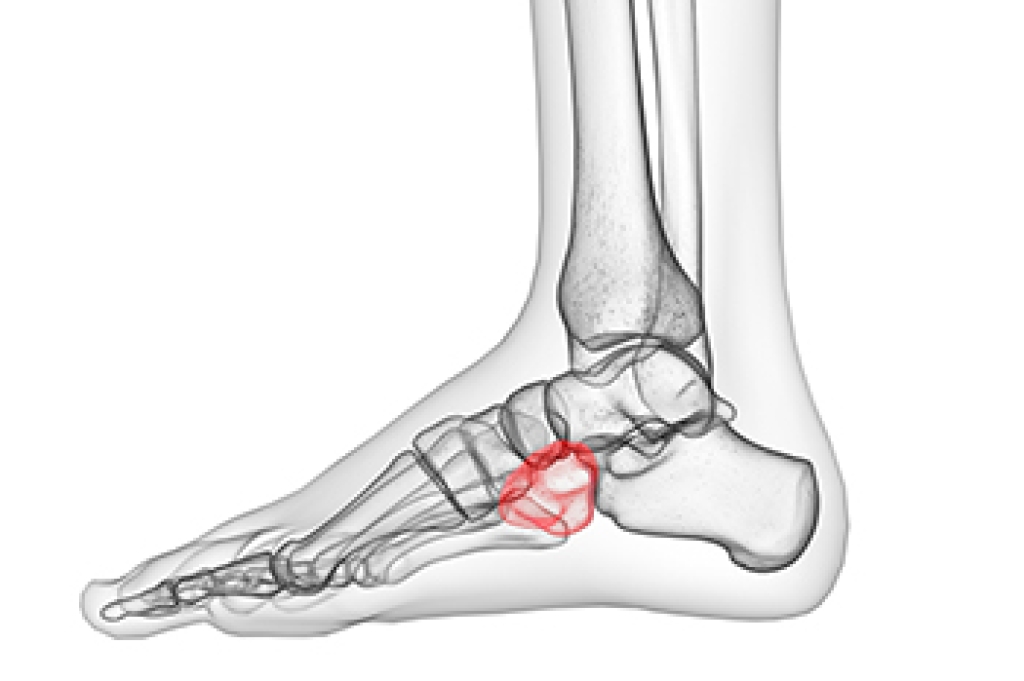
Cuboid syndrome is a condition that is caused by a partial dislocation of the cuboid bone, located in the center of the foot. When this bone is knocked out of place during an injury, it can cause symptoms such as pain along the outside of the foot, swelling, sensitivity, difficulty walking, and a reduced range of motion. Cuboid syndrome is most frequently caused by repetitive overuse during athletic activities, like tennis, basketball, or dancing. When excessive stress is placed on the feet over and over, cuboid syndrome is more likely to occur. This condition is often associated with sprained ankles. Having altered foot biomechanics, a pronated gait,or a tendency to wear ill-fitting shoes can also increase your risk of injuring the cuboid bone. If you are experiencing the symptoms of cuboid syndrome, it is suggested that you seek the care of a podiatrist.  

Cuboid syndrome, also known as cuboid subluxation, occurs when the joints and ligaments near the cuboid bone in the foot become torn. If you have cuboid syndrome, consult with Jeffrey Radack, DPM from Texas Regional Foot & Ankle Clinics. Our doctor will assess your condition and provide you with quality foot and ankle treatment.

Cuboid syndrome is a common cause of lateral foot pain, which is pain on the outside of the foot. The condition may happen suddenly due to an ankle sprain, or it may develop slowly overtime from repetitive tension through the bone and surrounding structures.

Causes

The most common causes of cuboid syndrome include:

  • Injury – The most common cause of this ailment is an ankle sprain.
  • Repetitive Strain – Tension placed through the peroneus longus muscle from repetitive activities such as jumping and running may cause excessive traction on the bone causing it to sublux.
  • Altered Foot Biomechanics – Most people suffering from cuboid subluxation have flat feet.

Symptoms

A common symptom of cuboid syndrome is pain along the outside of the foot which can be felt in the ankle and toes. This pain may create walking difficulties and may cause those with the condition to walk with a limp.

Diagnosis

Diagnosis of cuboid syndrome is often difficult, and it is often misdiagnosed. X-rays, MRIs and CT scans often fail to properly show the cuboid subluxation. Although there isn’t a specific test used to diagnose cuboid syndrome, your podiatrist will usually check if pain is felt while pressing firmly on the cuboid bone of your foot.

Treatment

Just as the range of causes varies widely, so do treatments. Some more common treatments are ice therapy, rest, exercise, taping, and orthotics.

If you have any questions, please feel free to contact our office located in McKinney and Coppell, TX . We offer the newest diagnostic and treatment technologies for all your foot care needs.
Read more about Cuboid Syndrome

Solutions for Sweaty Feet

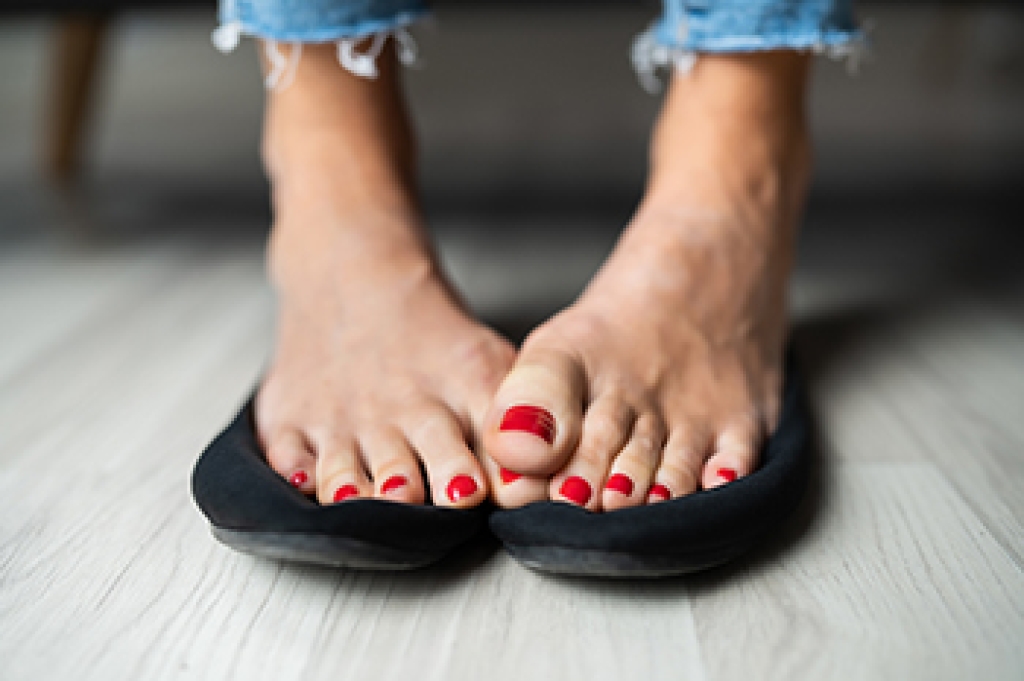
Do you regularly soak through your socks and shoes, regardless of the weather? Are you worried about leaving behind wet footprints when you walk around barefoot? Excessively sweaty feet may be a sign of a condition called plantar hyperhidrosis. In addition to being potentially embarrassing, this condition also increases your risk of various foot problems, such as fungal infections and injuries due to your feet slipping as you walk. Fortunately, various treatments are available for plantar hyperhidrosis. These include topical antiperspirants, iontophoresis, and botox injections into the foot. There are also special powders and shoe inserts that you can wear to absorb excess moisture. To learn more about treatments for plantar hyperhidrosis, and to find the right one for you, it’s suggested that you consult with a podiatrist.  

If you are suffering from hyperhidrosis contact Jeffrey Radack, DPM of Texas Regional Foot & Ankle Clinics. Our doctor can provide the care you need to attend to all of your foot and ankle needs.

Hyperhidrosis of the Feet

Hyperhidrosis is a rare disorder that can cause people to have excessive sweating of their feet. This can usually occur all on its own without rigorous activity involved. People who suffer from hyperhidrosis may also experience sweaty palms.

Although it is said that sweating is a healthy process meant to cool down the body temperature and to maintain a proper internal temperature, hyperhidrosis may prove to be a huge hindrance on a person’s everyday life.

Plantar hyperhidrosis is considered to be the main form of hyperhidrosis. Secondary hyperhidrosis can refer to sweating that occurs in areas other than the feet or hands and armpits. Often this may be a sign of it being related to another medical condition such as menopause, hyperthyroidism and even Parkinson’s disease.

In order to alleviate this condition, it is important to see your doctor so that they may prescribe the necessary medications so that you can begin to live a normal life again. If this is left untreated, it is said that it will persist throughout an individual’s life.

A last resort approach would be surgery, but it is best to speak with your doctor to find out what may be the best treatment for you.

If you have any questions, please feel free to contact our office located in McKinney and Coppell, TX . We offer the newest diagnostic and treatment technologies for all your foot care needs.
Read more about Hyperhidrosis of the Feet

Signs and Symptoms of Gout

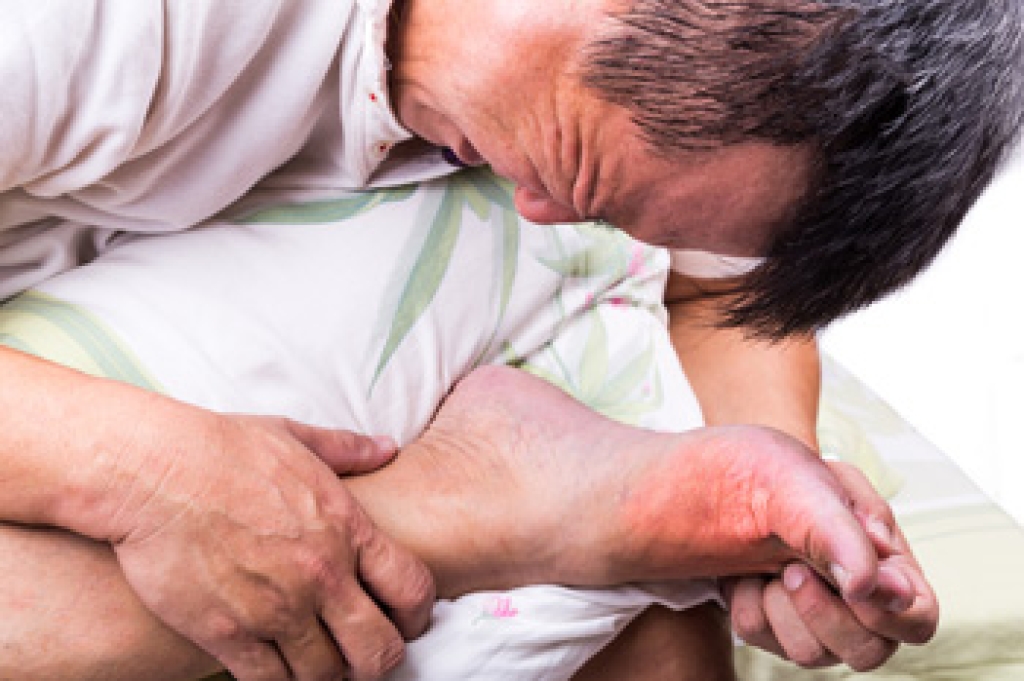
If you feel pain in the big toe that is accompanied with a burning sensation or reddened skin, you may be afflicted with a condition known as gout. The pain associated with gout tends to be the strongest when you are resting or lying down, but it may subside when you are actively moving around. Eventually, untreated gout can make it more and more difficult to perform everyday tasks that include standing, walking, or climbing stairs. Gout is a type of arthritis that occurs when there is too much uric acid in the body (hyperuricemia). Needle-like crystals form in the joints causing them to become red, swollen, or inflamed. This condition typically begins in the base of the big toe but can spread to other joints like the ankles and knees. Symptoms can last from one day up to a few months, but with the elimination of certain foods and other lifestyle changes, they can be managed. If you think you have gout it is suggested that you contact a podiatrist as soon as possible to receive a proper diagnosis and a medical treatment plan. 

Gout is a painful condition that can be treated. If you are seeking treatment, contact Jeffrey Radack, DPM from Texas Regional Foot & Ankle Clinics. Our doctor will treat your foot and ankle needs.

What Is Gout?

Gout is a form of arthritis that is characterized by sudden, severe attacks of pain, redness, and tenderness in the joints. The condition usually affects the joint at the base of the big toe. A gout attack can occur at any random time, such as the middle of the night while you are asleep.

Symptoms

  • Intense Joint Pain - Usually around the large joint of your big toe, and it most severe within the first four to twelve hours
  • Lingering Discomfort - Joint discomfort may last from a few days to a few weeks
  • Inflammation and Redness -Affected joints may become swollen, tender, warm and red
  • Limited Range of Motion - May experience a decrease in joint mobility

Risk Factors

  • Genetics - If family members have gout, you’re more likely to have it
  • Medications - Diuretic medications can raise uric acid levels
  • Gender/Age - Gout is more common in men until the age of 60. It is believed that estrogen protects women until that point
  • Diet - Eating red meat and shellfish increases your risk
  • Alcohol - Having more than two alcoholic drinks per day increases your risk
  • Obesity - Obese people are at a higher risk for gout

Prior to visiting your podiatrist to receive treatment for gout, there are a few things you should do beforehand. If you have gout you should write down your symptoms--including when they started and how often you experience them, important medical information you may have, and any questions you may have. Writing down these three things will help your podiatrist in assessing your specific situation so that he or she may provide the best route of treatment for you.

If you have any questions, please feel free to contact our office located in McKinney and Coppell, TX . We offer the newest diagnostic and treatment technologies for all your foot care needs.

Read more about Gout

Connect With Us