What Is Foot Overpronation?

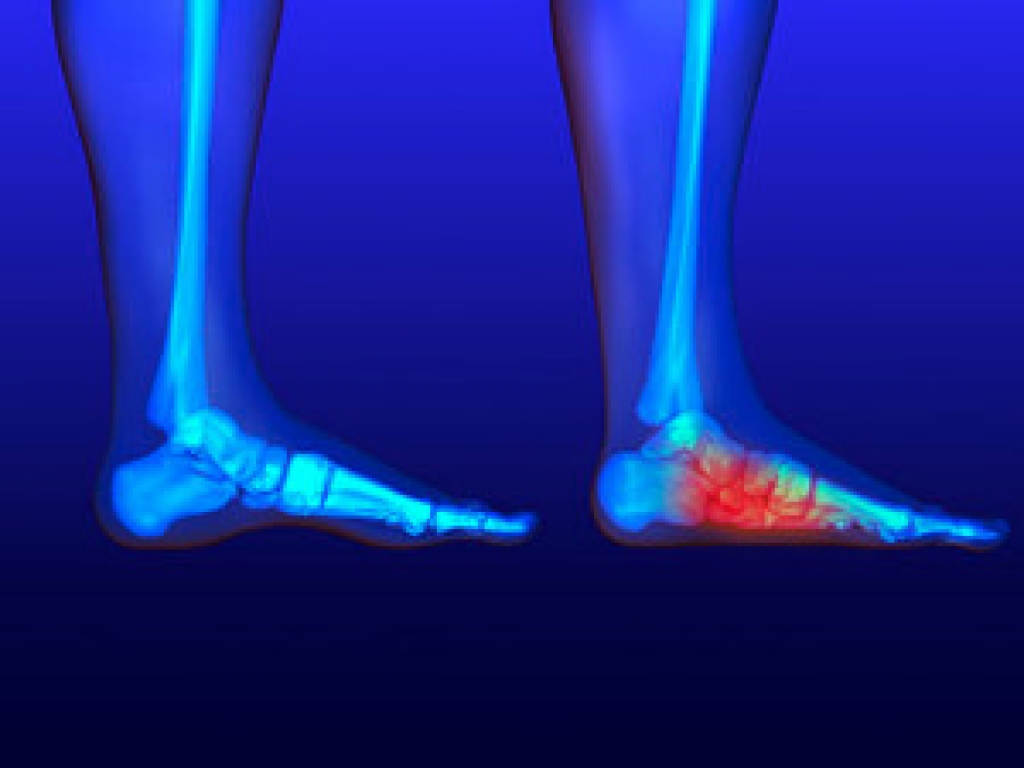
Pronation refers to the foot turning downward or inward as you walk or run. This is a normal component of a gait or walking pattern. In some people, however, the foot turns downward or inward too much, resulting in overpronation. This is a biomechanical problem that is particularly common among people with flat feet and can lead to foot and ankle problems such as plantar fasciitis and Achilles tendonitis. Runners and other athletes who have an overpronated gait are at an increased risk of foot and ankle injuries and often require specialized footwear or orthotics to help correct their gait and prevent injuries. If you suspect you may have an overpronated gait, a podiatrist can perform a gait analysis and determine the right course of treatment for you.

If you have any concerns about your feet, contact Jeffrey Radack, DPM from Texas Regional Foot & Ankle Clinics. Our doctor can provide the care you need to keep you pain-free and on your feet.

Biomechanics in Podiatry

Podiatric biomechanics is a particular sector of specialty podiatry with licensed practitioners who are trained to diagnose and treat conditions affecting the foot, ankle and lower leg. Biomechanics deals with the forces that act against the body, causing an interference with the biological structures. It focuses on the movement of the ankle, the foot and the forces that interact with them.

A History of Biomechanics

  • Biomechanics dates back to the BC era in Egypt where evidence of professional foot care has been recorded.
  • In 1974, biomechanics gained a higher profile from the studies of Merton Root, who claimed that by changing or controlling the forces between the ankle and the foot, corrections or conditions could be implemented to gain strength and coordination in the area.

Modern technological improvements are based on past theories and therapeutic processes that provide a better understanding of podiatric concepts for biomechanics. Computers can provide accurate information about the forces and patterns of the feet and lower legs.

Understanding biomechanics of the feet can help improve and eliminate pain, stopping further stress to the foot.

If you have any questions please feel free to contact our office located in McKinney and Coppell, TX . We offer the newest diagnostic and treatment technologies for all your foot and ankle needs.

Read more about The Importance of Biomechanics in Podiatry

Achilles Tendonitis Can Turn Into Tendonosis

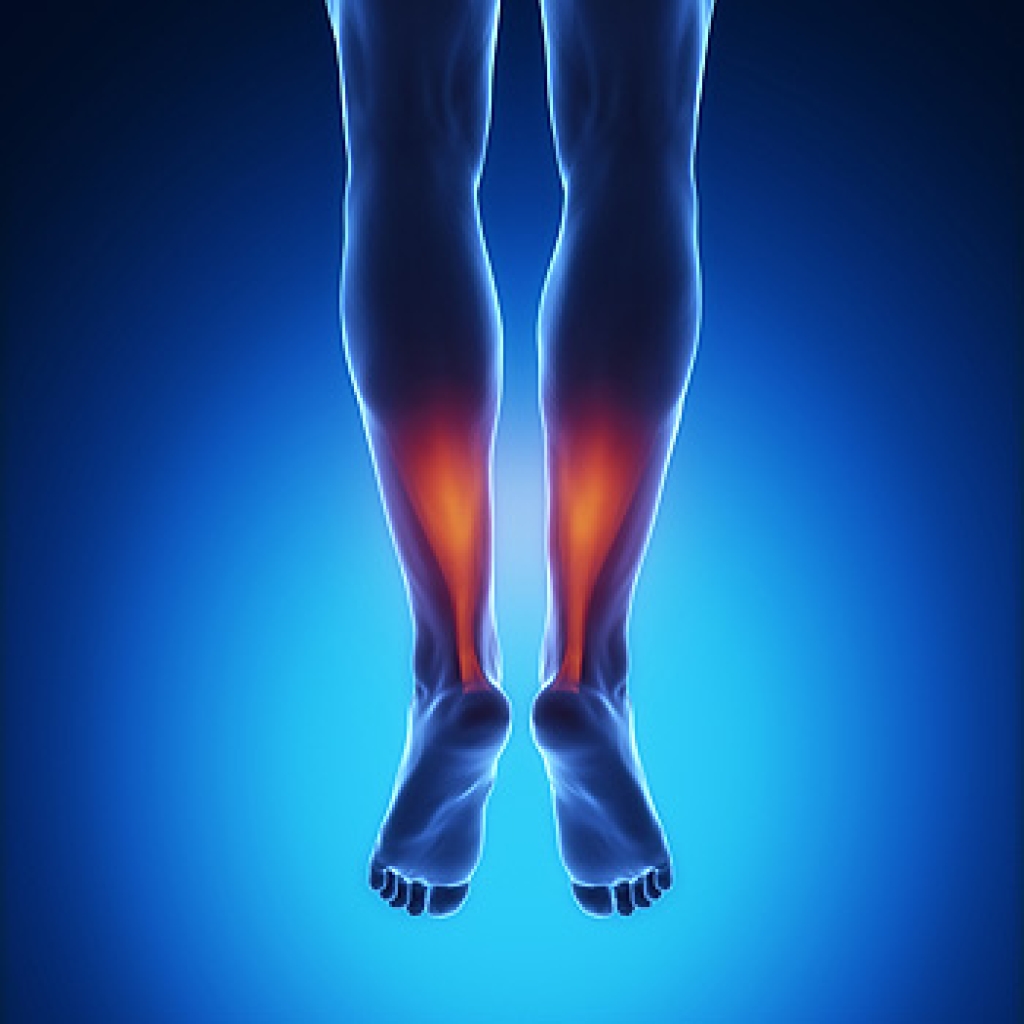
The Achilles tendon is a thick band of fibrous tissue located at the back of the lower leg. It connects the calf muscle to the heel bone and allows us to walk by raising the heel off of the ground. Repetitive stress placed on this tendon during activities such as running, playing high impact sports, and working on your feet can cause the tendon to become injured. Initially, the Achilles tendon may become inflamed in a condition known as Achilles tendonitis. An inflamed Achilles tendon can be painful, tender, and stiff. If left untreated, Achilles tendonitis could become chronic and lead to a degeneration of the tendon known as Achilles tendonosis. This condition makes the tendon lose its organized structure and makes it more likely to develop microscopic tears that cause chronic pain and may restrict mobility. Achilles tendonosis can also make a full rupture more likely. If you experience pain in your calf muscles, it is strongly suggested that you seek the care of a podiatrist who can diagnose and treat your condition and prevent further injury.

Achilles tendon injuries need immediate attention to avoid future complications. If you have any concerns, contact Jeffrey Radack, DPM of Texas Regional Foot & Ankle Clinics. Our doctor can provide the care you need to keep you pain-free and on your feet.

What Is the Achilles Tendon?

The Achilles tendon is a tendon that connects the lower leg muscles and calf to the heel of the foot. It is the strongest tendon in the human body and is essential for making movement possible. Because this tendon is such an integral part of the body, any injuries to it can create immense difficulties and should immediately be presented to a doctor.

What Are the Symptoms of an Achilles Tendon Injury?

There are various types of injuries that can affect the Achilles tendon. The two most common injuries are Achilles tendinitis and ruptures of the tendon.

Achilles Tendinitis Symptoms

  • Inflammation
  • Dull to severe pain
  • Increased blood flow to the tendon
  • Thickening of the tendon

Rupture Symptoms

  • Extreme pain and swelling in the foot
  • Total immobility

Treatment and Prevention

Achilles tendon injuries are diagnosed by a thorough physical evaluation, which can include an MRI. Treatment involves rest, physical therapy, and in some cases, surgery. However, various preventative measures can be taken to avoid these injuries, such as:

  • Thorough stretching of the tendon before and after exercise
  • Strengthening exercises like calf raises, squats, leg curls, leg extensions, leg raises, lunges, and leg presses

If you have any questions please feel free to contact our office located in McKinney and Coppell, TX . We offer the newest diagnostic tools and technology to treat your foot and ankle needs.

Read more about What are Achilles Tendon Injuries

An Overview of Morton's Neuroma

Morton's neuroma is a swollen, inflamed nerve in the foot. It usually occurs on the nerves between the toes. Symptoms of this condition include sharp, burning pains on the bottom of the foot, and numbness that can radiate to nearby toes. The pain of a Morton’s neuroma usually increases with activity and decreases at rest or when massaging the foot. Conservative treatments such as resting and icing the foot, taking anti-inflammatory medications, and modifying activities and footwear can alleviate symptoms. Surgery may be an option in severe or chronic cases. If you are experiencing the symptoms of Morton’s neuroma, please seek the care of a podiatrist.

Morton’s neuroma is a very uncomfortable condition to live with. If you think you have Morton’s neuroma, contact Jeffrey Radack, DPM of Texas Regional Foot & Ankle Clinics. Our doctor will attend to all of your foot care needs and answer any of your related questions.  

Morton’s Neuroma

Morton's neuroma is a painful foot condition that commonly affects the areas between the second and third or third and fourth toe, although other areas of the foot are also susceptible. Morton’s neuroma is caused by an inflamed nerve in the foot that is being squeezed and aggravated by surrounding bones.

What Increases the Chances of Having Morton’s Neuroma?

  • Ill-fitting high heels or shoes that add pressure to the toe or foot
  • Jogging, running or any sport that involves constant impact to the foot
  • Flat feet, bunions, and any other foot deformities

Morton’s neuroma is a very treatable condition. Orthotics and shoe inserts can often be used to alleviate the pain on the forefront of the feet. In more severe cases, corticosteroids can also be prescribed. In order to figure out the best treatment for your neuroma, it’s recommended to seek the care of a podiatrist who can diagnose your condition and provide different treatment options.

If you have any questions, please feel free to contact our office located in McKinney and Coppell, TX . We offer the newest diagnostic and treatment technologies for all your foot care needs.

Read more about Morton's Neuroma

How Contagious Is Athlete’s Foot?

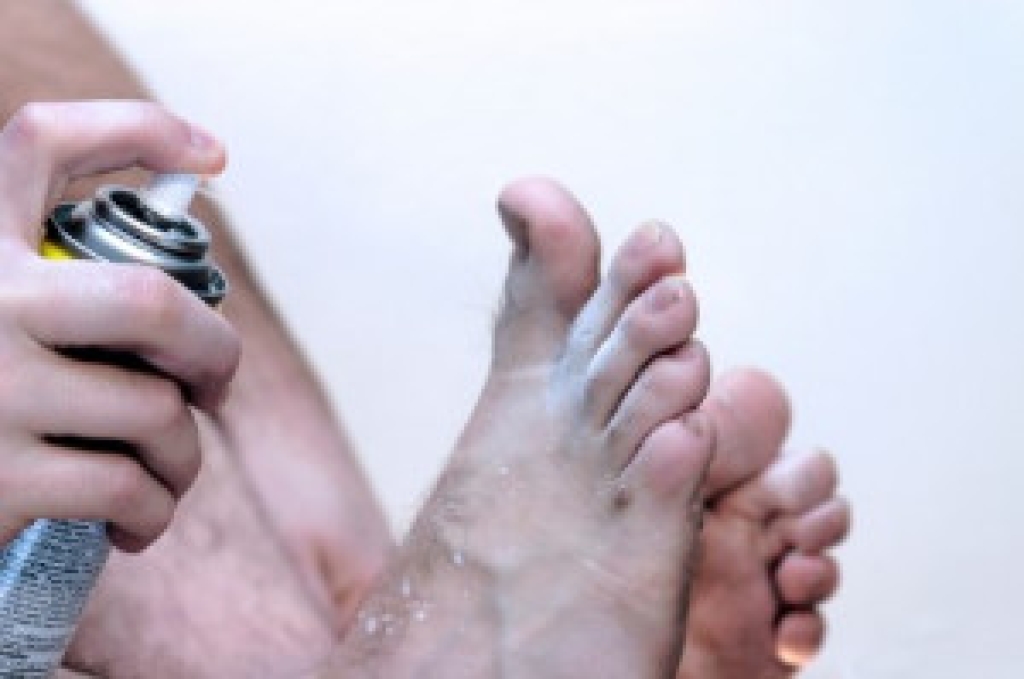
Athlete’s foot is a very contagious fungal infection that causes the feet to become itchy, cracked, dry and flaky. Because Athlete’s foot thrives in warm and moist environments, these infections are usually spread in showers, gym locker rooms, and swimming pools from towels, floors, and even clothing. It can also spread from direct contact with an infected person. If it is left untreated, it can spread to all of the toes and into the toenails causing them to become thicker and yellow. The infection can also spread to other parts of the body. Patients who believe that they have Athlete’s foot should consult with a podiatrist who can provide a diagnosis and treatment.

Athlete’s foot is an inconvenient condition that can be easily reduced with the proper treatment. If you have any concerns about your feet and ankles, contact Jeffrey Radack, DPM from Texas Regional Foot & Ankle Clinics.  Our doctor will treat your foot and ankle needs.

Athlete’s Foot: The Sole Story

Athlete's foot, also known as tinea pedis, can be an extremely contagious foot infection. It is commonly contracted in public changing areas and bathrooms, dormitory style living quarters, around locker rooms and public swimming pools, or anywhere your feet often come into contact with other people.

Solutions to Combat Athlete’s Foot

  • Hydrate your feet by using lotion
  • Exfoliate
  • Buff off nails
  • Use of anti-fungal products
  • Examine your feet and visit your doctor if any suspicious blisters or cuts develop

Athlete’s foot can cause many irritating symptoms such as dry and flaking skin, itching, and redness. Some more severe symptoms can include bleeding and cracked skin, intense itching and burning, and even pain when walking. In the worst cases, Athlete’s foot can cause blistering as well. Speak to your podiatrist for a better understanding of the different causes of Athlete’s foot, as well as help in determining which treatment options are best for you.

If you have any questions please feel free to contact our office located in McKinney and Coppell, TX . We offer the newest diagnostic and treatment technologies for all your foot and ankle needs.

Read more about Athlete’s Foot

Keep Your Feet Healthy So You Can Stay Active

Have your feet inspected by a professional before starting a new sport or physical activity. Taking charge of your foot health will keep you in good physical condition and can help you avoid a potential injury, such as a fracture or sprained ankle.

Prevent injuries and see a foot specialist.

Connect With Us