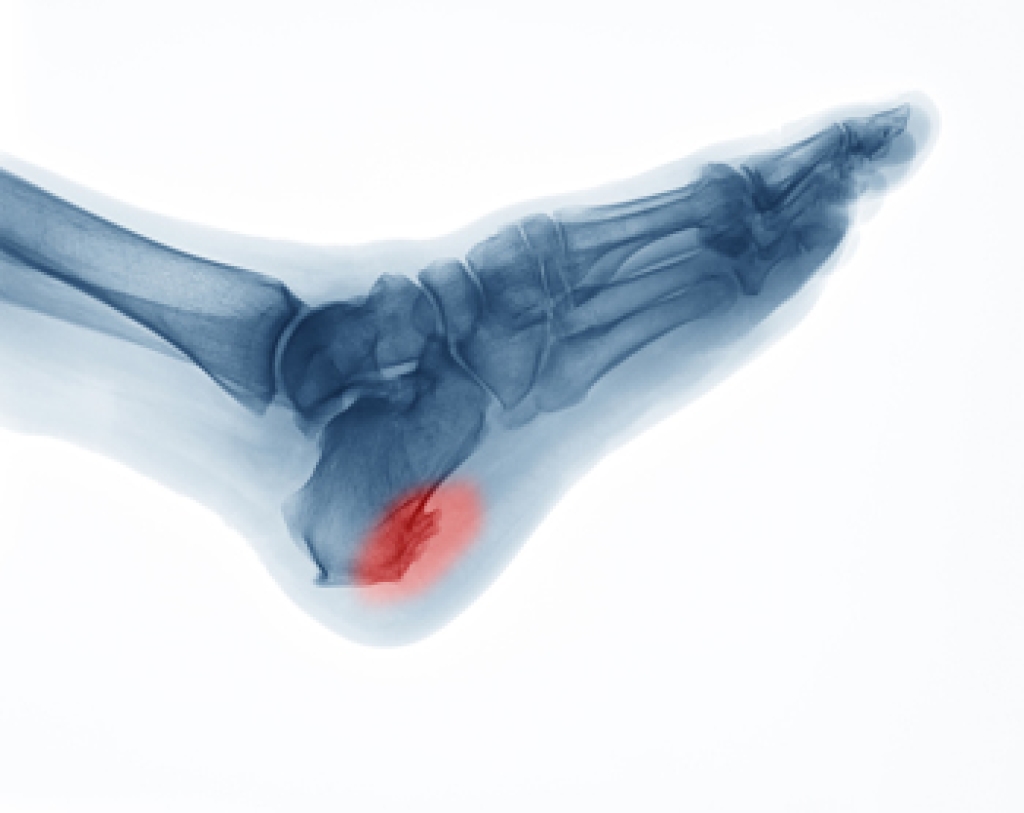
Pain From Heel Spurs

Heel spurs are a bony growth that can develop on the underside of the heel bone, pointing towards the toes. Like many foot conditions, pain is a symptom linked to heel spurs. However, not all patients with heel spurs feel pain. Interestingly, only a fraction of those living with heel spurs experience pain. Often, heel spurs may be associated with plantar fasciitis, in which case pain can be felt at the bottom of the foot. Pain from heel spurs and plantar fasciitis can be more pronounced in the morning. If you are living with heel spurs, then it is suggested that you schedule an appointment with a podiatrist who can help you treat your condition. 

Heel spurs can be incredibly painful and sometimes may make you unable to participate in physical activities. To get medical care for your heel spurs, contact Jeffrey Radack, DPM from Texas Regional Foot & Ankle Clinics. Our doctor will do everything possible to treat your condition.

Heels Spurs

Heel spurs are formed by calcium deposits on the back of the foot where the heel is. This can also be caused by small fragments of bone breaking off one section of the foot, attaching onto the back of the foot. Heel spurs can also be bone growth on the back of the foot and may grow in the direction of the arch of the foot.

Older individuals usually suffer from heel spurs and pain sometimes intensifies with age. One of the main condition's spurs are related to is plantar fasciitis.

Pain

The pain associated with spurs is often because of weight placed on the feet. When someone is walking, their entire weight is concentrated on the feet. Bone spurs then have the tendency to affect other bones and tissues around the foot. As the pain continues, the feet will become tender and sensitive over time.

Treatments

There are many ways to treat heel spurs. If one is suffering from heel spurs in conjunction with pain, there are several methods for healing. Medication, surgery, and herbal care are some options.

If you have any questions, please feel free to contact our office located in McKinney and Coppell, TX . We offer the newest diagnostic and treatment technologies for all your foot care needs.

Read more about Heel Spurs

Hammertoe Deformities

A hammertoe is caused by the misalignment in one of the toe joints which results in the toe developing a Z-shaped deformity. It can develop from rheumatoid arthritis, neurologic foot disorders, or other causes. Typically, the second toe is affected, and this happens because of an elongated second metatarsal and pressure from a bunion on the big toe. Corns can progress on the hammertoe deformity and can be an additional source of pain. When one has a hammertoe, it is important to wear shoes with a wider toe box so the toes have enough room to move freely, as well as to accommodate the foot deformity. Toe pads and orthotics might also help those with hammertoes. If these conservative measures are not helpful, speak to your podiatrist and see if surgery is an option. If you suffer with a hammertoe, it is suggested that you visit a podiatrist for an examination and treatment.

Hammertoes can be a painful condition to live with. For more information, contact Jeffrey Radack, DPM of Texas Regional Foot & Ankle Clinics. Our doctor will answer any of your foot- and ankle-related questions.

Hammertoe

Hammertoe is a foot deformity that occurs due to an imbalance in the muscles, tendons, or ligaments that normally hold the toe straight. It can be caused by the type of shoes you wear, your foot structure, trauma, and certain disease processes.

Symptoms

  • Painful and/or difficult toe movement
  • Swelling
  • Joint stiffness
  • Calluses/Corns
  • Physical deformity

Risk Factors

  • Age – The risk of hammertoe increases with age
  • Sex – Women are more likely to have hammertoe compared to men
  • Toe Length – You are more likely to develop hammertoe if your second toe is longer than your big toe
  • Certain Diseases – Arthritis and diabetes may make you more likely to develop hammertoe

Treatment

If you have hammertoe, you should change into a more comfortable shoe that provides enough room for your toes. Exercises such as picking up marbles may strengthen and stretch your toe muscles. Nevertheless, it is important to seek assistance from a podiatrist in order to determine the severity of your hammertoe and see which treatment option will work best for you.

If you have any questions, please feel free to contact our office located in McKinney and Coppell, TX . We offer the newest diagnostic and treatment technologies for all your foot care needs.
Read more about Hammertoe

Get Professional Care for a Broken Foot or Ankle

Constant care and regular evaluation are important for a foot or ankle fracture. If left untreated, foot or ankle fractures can worsen over time and create more serious problems.

Don't wait to be examined if you believe you've experienced a foot or ankle fracture.

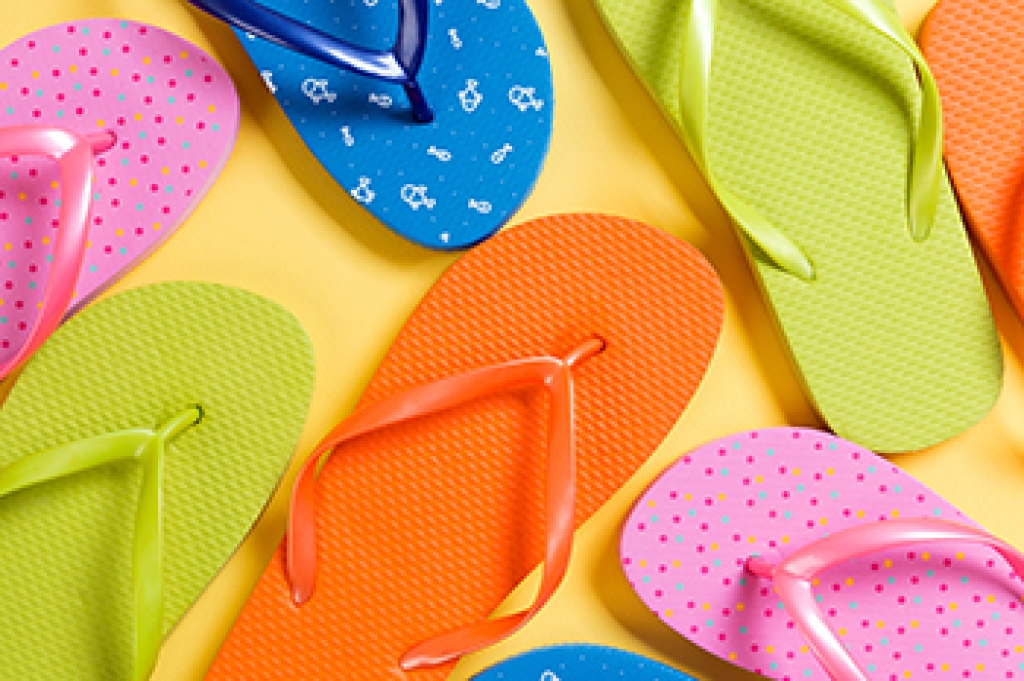
Flip Flops and Posture Problems

Flip flops may seem like the perfect summer shoe, however, they can wreak havoc on the health of your feet if worn for long periods of time. The negative health effects of flip flops are well known and documented, ranging from heel pain to nerve damage. Additionally, flip flops can cause an individual to develop problems with their posture. There are many different reasons for this. For example, since the feet are essentially the building blocks of the body’s posture, when we wear shoes that are not supportive, such as flip flops, the posture can collapse. Poorly supported feet can ultimately lead to misalignment, which results in bad posture throughout the body. If you are someone who enjoys wearing flip flops during the summer months, it is suggested that you schedule an appointment with a podiatrist who can provide you with knowledge about the pros and cons of wearing this type of shoe.

Flip-flops are not always the best choice of footwear. If you have any concerns about your feet or ankles, contact Jeffrey Radack, DPM from Texas Regional Foot & Ankle Clinics. Our doctor will assist you with all of your foot and ankle needs.

Flip-Flops and Feet

When the weather starts warming up, people enjoy wearing flip-flops.  Flip-flops are comfortable, stylish, and easy to slip on and off; they're perfect for any summer beach goer.  However, these shoes can cause harm to the feet.

How Can Flip-Flops Affect Me Long-Term?

  • Ankle problems
  • Hip problems
  • Lower back problems
  • Pain in the balls of the feet
  • Problems with foot arches
  • Changes in the way you walk

Are There Injuries Associated with Flip-Flops?

Yes.  Since flip-flops are relatively weak and do not provide the same amount of support as sneakers, people who wear flip-flops regularly are more susceptible to injuries. On top of that, the open nature of the shoe makes your feet more prone to other problems, such as cuts and even infections.  Common injuries and ailments include:

  • Sprained ankles
  • Blisters
  • Infections
  • Cuts and Scrapes

I like Wearing Flip-Flops. Are There Safe Alternatives?

When buying flip-flops, try to find ones that have sturdy soles and that are made of high-quality materials that will support for your feet.  These flip-flops will cost more but will also last longer as a result.

If you have any questions, please feel free to contact our office located in McKinney and Coppell, TX . We offer the newest diagnostic and treatment technologies for all your foot care needs.
Read more about Flip Flops and Feet

Changes in Children's Feet

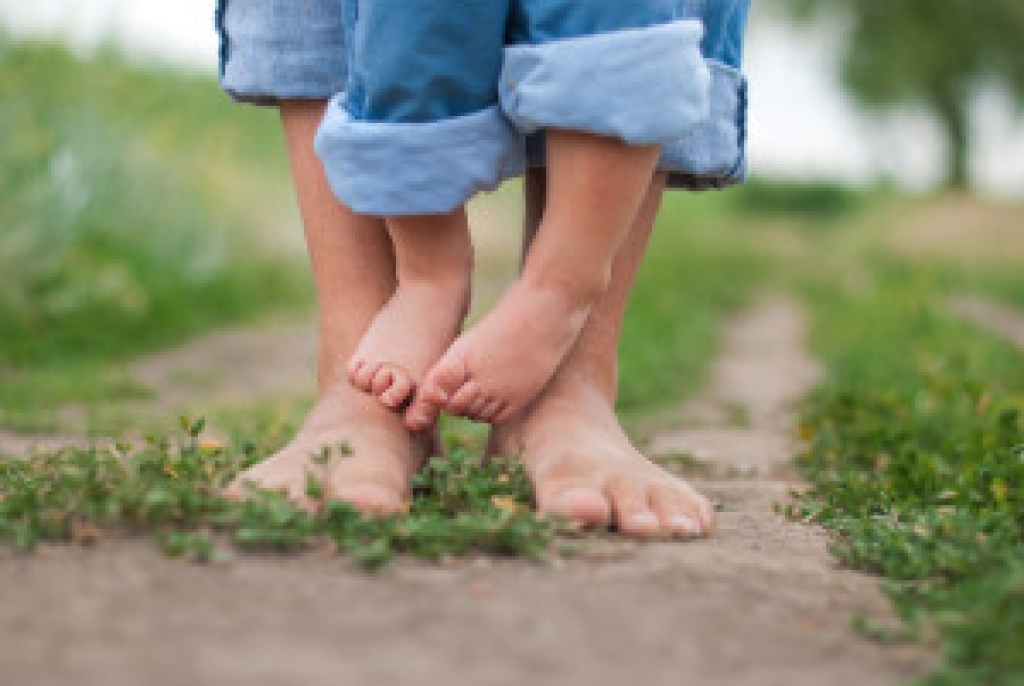
Children’s feet differ greatly from adult feet. When comparing the two, the shapes are different. In the first year, the cartilage is soft, and there are additional fat pads on the soles. This can give the feet added flexibility that may diminish as one ages and the bones become stronger. Research has shown it may be beneficial for the child to walk barefoot while indoors, which may help to strengthen the overall foot. It is desirable for children to wear shoes while walking outside, and this can help to protect the feet. When it is time for the first pair of shoes to be purchased, many parents will buy shoes that are lightweight and have flexible soles. A child’s foot changes during the first five years. It is helpful to properly measure their feet often during this time, as different size shoes are often needed. Many parents notice the average life of a pair of shoes is approximately four months, and this can vary, depending upon the quality of the shoes. If you have questions about your child’s foot health, it is suggested that you consult with a podiatrist who can provide you with the knowledge you are seeking.

The health of a child’s feet is vital to their overall well-being. If you have any questions regarding foot health, contact Jeffrey Radack, DPM of Texas Regional Foot & Ankle Clinics. Our doctor can provide the care you need to keep you pain-free and on your feet.

Tips for Keeping Children's Feet Healthy

  • Make sure their shoes fit properly
  • Look for any signs of in-toeing or out-toeing
  • Check to see if they have Clubfoot (condition that affects your child’s foot and ankle, twisting the heel and toes inward) which is one of the most common nonmajor birth defects.
  • Lightly cover your baby’s feet (Tight covers may keep your baby from moving their feet freely, and could prevent normal development)
  • Allow your toddler to go shoeless (Shoes can be restricting for a young child’s foot)
  • Cut toenails straight across to avoid ingrown toenails
  • Keep your child’s foot clean and dry
  • Cover cuts and scrapes. Wash any scratches with soap and water and cover them with a bandage until they’ve healed.

If you have any questions, please feel free to contact our office located in McKinney and Coppell, TX . We offer the newest diagnostic and treatment technologies for all your foot care needs.

Read more about How to Care for Your Child's Feet

Connect With Us