
You don't need an excuse to have beautiful nails. Step outside without worrying about the appearance of your feet.
You don't need an excuse to have beautiful nails. Step outside without worrying about the appearance of your feet.
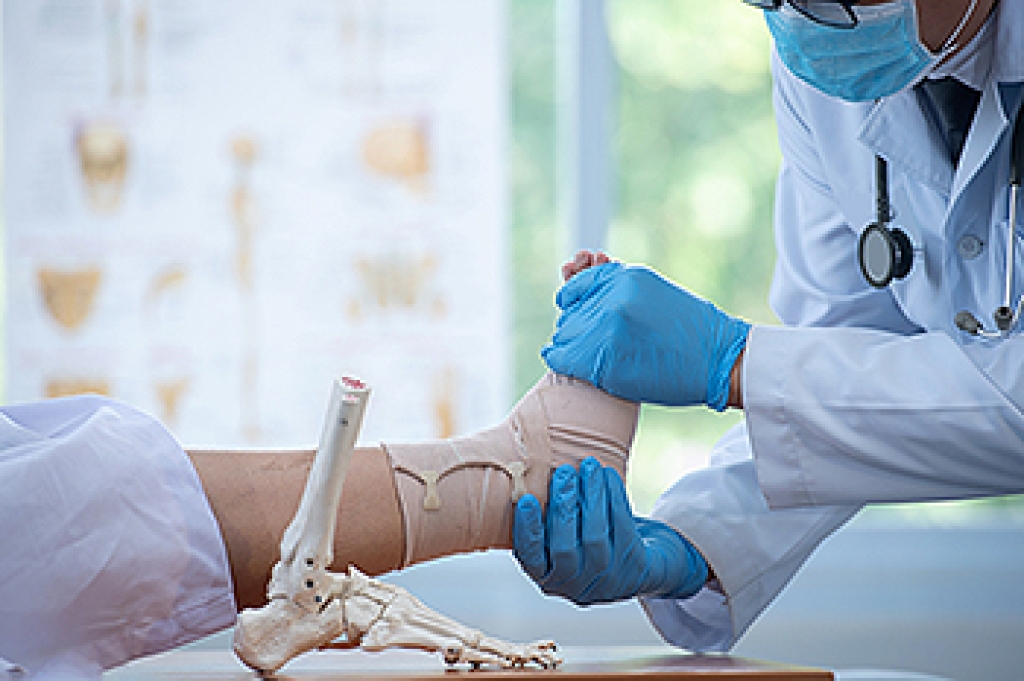
A broken ankle is a serious injury that can cause immense pain. The tissues surrounding a broken ankle may be affected by this injury. Additionally, there are nerves, tendons, ligaments, and muscles that may be damaged, and the entire foot must recover for daily activities to resume. There are things that can be controlled that may help to accelerate healing. These can include stopping smoking, controlling existing medical conditions like diabetes, and reevaluating medication that may slow down the healing process. A specific type of ankle fracture is referred to as an ankle avulsion. This type of break can happen as a result of a small piece of the ankle bone being pulled away from the surrounding ligament or tendon. This generally happens from a sudden injury, and typically causes pain and discomfort. Swelling can be part of the healing process and can change daily based on the type of activity that is pursued, the time of day, and the position the foot is in. The swelling can be eased when the foot is frequently elevated, and the amount of rest and activity are balanced as desired. A broken ankle requires the expert medical attention of a podiatrist, and it is suggested that you consult with this type of doctor who can offer you the best treatment methods.
Broken ankles need immediate treatment. If you are seeking treatment, contact Jeffrey Radack, DPM from Texas Regional Foot & Ankle Clinics. Our doctor can provide the care you need to keep you pain-free and on your feet.
Broken Ankles
A broken ankle is experienced when a person fractures their tibia or fibula in the lower leg and ankle area. Both of these bones are attached at the bottom of the leg and combine to form what we know to be our ankle.
When a physician is referring to a break of the ankle, he or she is usually referring to a break in the area where the tibia and fibula are joined to create our ankle joint. Ankles are more prone to fractures because the ankle is an area that suffers a lot of pressure and stress. There are some obvious signs when a person experiences a fractured ankle, and the following symptoms may be present.
Symptoms of a Fractured Ankle
If you suspect an ankle fracture, it is recommended to seek treatment as soon as possible. The sooner you have your podiatrist diagnose the fracture, the quicker you’ll be on the way towards recovery.
If you have any questions, please feel free to contact our office located in McKinney and Coppell, TX . We offer the newest diagnostic and treatment technologies for all your foot care needs.
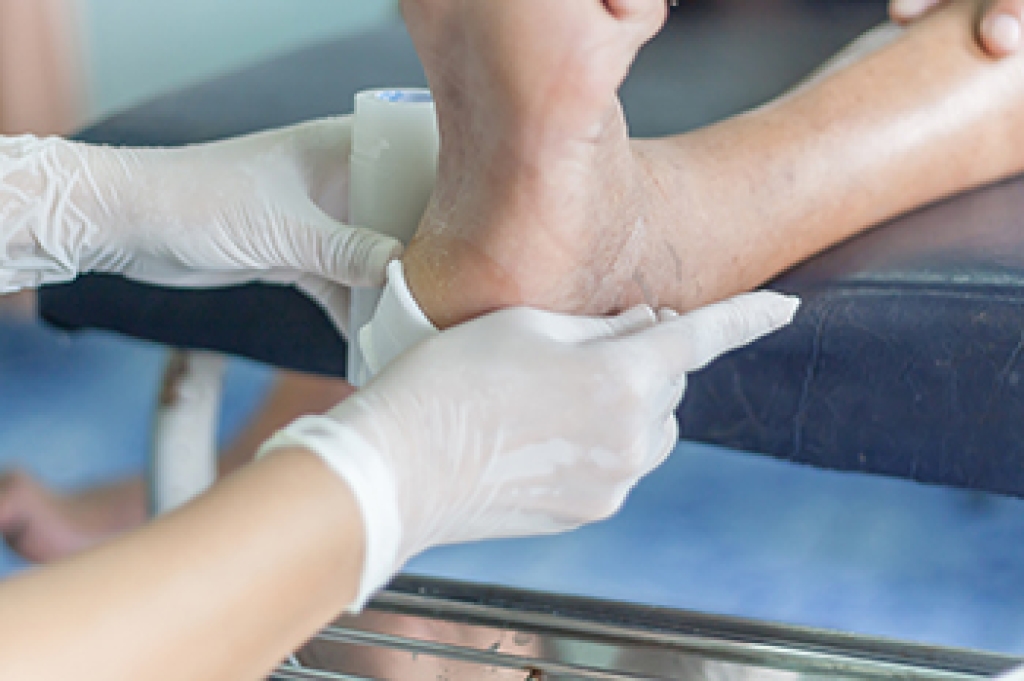
An open wound on the foot can be painful. It is defined as a break or cut in the skin, and in most cases, is found on the surface of the skin. More serious wounds affect the deeper tissues of the foot, and this can spread to the tendons, muscles, and nerves. Minor cuts are often treated by cleaning the wound, followed by covering it with a protective bandage. Stitches may be necessary to accelerate the healing process, in addition to possibly using an adhesive glue. For more serious wounds, medical attention is often sought for relief. The wound may become dirty, and this is the term that is used when germs have entered the wound. This can lead to a possible infection, and recovery instructions must be strictly followed to prevent scarring. If you have a wound on your foot, it is urgently suggested that you are under the care of a podiatrist who can provide the best treatment for the type of foot wound you have.
Wound care is an important part in dealing with diabetes. If you have diabetes and a foot wound or would like more information about wound care for diabetics, consult with Jeffrey Radack, DPM from Texas Regional Foot & Ankle Clinics. Our doctor will assess your condition and provide you with quality foot and ankle treatment.
What Is Wound Care?
Wound care is the practice of taking proper care of a wound. This can range from the smallest to the largest of wounds. While everyone can benefit from proper wound care, it is much more important for diabetics. Diabetics often suffer from poor blood circulation which causes wounds to heal much slower than they would in a non-diabetic.
What Is the Importance of Wound Care?
While it may not seem apparent with small ulcers on the foot, for diabetics, any size ulcer can become infected. Diabetics often also suffer from neuropathy, or nerve loss. This means they might not even feel when they have an ulcer on their foot. If the wound becomes severely infected, amputation may be necessary. Therefore, it is of the upmost importance to properly care for any and all foot wounds.
How to Care for Wounds
The best way to care for foot wounds is to prevent them. For diabetics, this means daily inspections of the feet for any signs of abnormalities or ulcers. It is also recommended to see a podiatrist several times a year for a foot inspection. If you do have an ulcer, run the wound under water to clear dirt from the wound; then apply antibiotic ointment to the wound and cover with a bandage. Bandages should be changed daily and keeping pressure off the wound is smart. It is advised to see a podiatrist, who can keep an eye on it.
If you have any questions please contact our office located in McKinney and Coppell, TX . We offer the newest diagnostic and treatment technologies for all your foot and ankle needs.

One of the most common side effects many pregnant women complain about is swollen feet. It often starts in the second trimester, and they may start to become uncomfortable as the pregnancy progresses. It is considered to be a normal part of pregnancy and is generally caused by additional fluid and blood the body produces. This is the body’s natural method of providing proper nourishment to the growing fetus, and, as a result, the fluid may pool in the ankles and feet. Many women find it helpful to elevate their feet as often as possible, in addition to soaking their feet in warm water. Research has indicated that it may be beneficial to ensure that there are adequate amounts of potassium included in the daily consumption of food. Additionally, this may significantly contribute to possibly reducing high blood pressure. Drinking plenty of water daily is essential in controlling swollen ankles, and wearing compression socks may help to diminish some of the fluid in the ankles. If swollen ankles are bothersome during your pregnancy, and you would like additional remedies that can help you to find relief, please contact a podiatrist.
Pregnant women with swollen feet can be treated with a variety of different methods that are readily available. For more information about other cures for swollen feet during pregnancy, consult with Jeffrey Radack, DPM from Texas Regional Foot & Ankle Clinics. Our doctor will attend to all of your foot and ankle needs.
What Foot Problems Can Arise During Pregnancy?
One problem that can occur is overpronation, which occurs when the arch of the foot flattens and tends to roll inward. This can cause pain and discomfort in your heels while you’re walking or even just standing up, trying to support your baby.
Another problem is edema, or swelling in the extremities. This often affects the feet during pregnancy but tends to occur in the later stages.
How Can I Keep My Feet Healthy During Pregnancy?
If you have any questions, please feel free to contact our office located in McKinney and Coppell, TX . We offer the newest diagnostic and treatment technologies for all your foot care needs.

There are many people who choose to frequently wear high heels, often producing sore feet at the end of the day. It is a common side effect that may be remedied by wearing high heels that have a lower heel. Some of the conditions that may occur from wearing high heels can be quite uncomfortable, including blisters, corns, and bunions. Additionally, the heel may be affected by plantar fasciitis, which can happen from having inadequate support in the arch area. Soaking the feet in warm water may help to relieve existing swelling and aching muscles. The feet can benefit from performing specific strengthening exercises, consisting of calf and heel stretches. People who continue to enjoy wearing high heels may also benefit from choosing a shoe that is well-cushioned and has maximum support for the entire foot. If you would like more information about what kind of high heels to wear that may help to minimize foot pain, please consult with a podiatrist.
High heels have a history of causing foot and ankle problems. If you have any concerns about your feet or ankles, contact Jeffrey Radack, DPM from Texas Regional Foot & Ankle Clinics. Our doctor can provide the care you need to keep you pain-free and on your feet.
Effects of High Heels on the Feet
High heels are popular shoes among women because of their many styles and societal appeal. Despite this, high heels can still cause many health problems if worn too frequently.
Which Parts of My Body Will Be Affected by High Heels?
What Kinds of Foot Problems Can Develop from Wearing High Heels?
How Can I Still Wear High Heels and Maintain Foot Health?
If you want to wear high heeled shoes, make sure that you are not wearing them every day, as this will help prevent long term physical problems. Try wearing thicker heels as opposed to stilettos to distribute weight more evenly across the feet. Always make sure you are wearing the proper shoes for the right occasion, such as sneakers for exercising. If you walk to work, try carrying your heels with you and changing into them once you arrive at work. Adding inserts to your heels can help cushion your feet and absorb shock. Full foot inserts or metatarsal pads are available.
If you have any questions, please feel free to contact our office located in McKinney and Coppell, TX . We offer the newest diagnostic and treatment technologies for all your foot care needs.

Heel pain can negatively affect your day-to-day life. Simple activities like walking can become incredibly uncomfortable or painful due to heel pain.
Don’t live with heel pain and get treated.
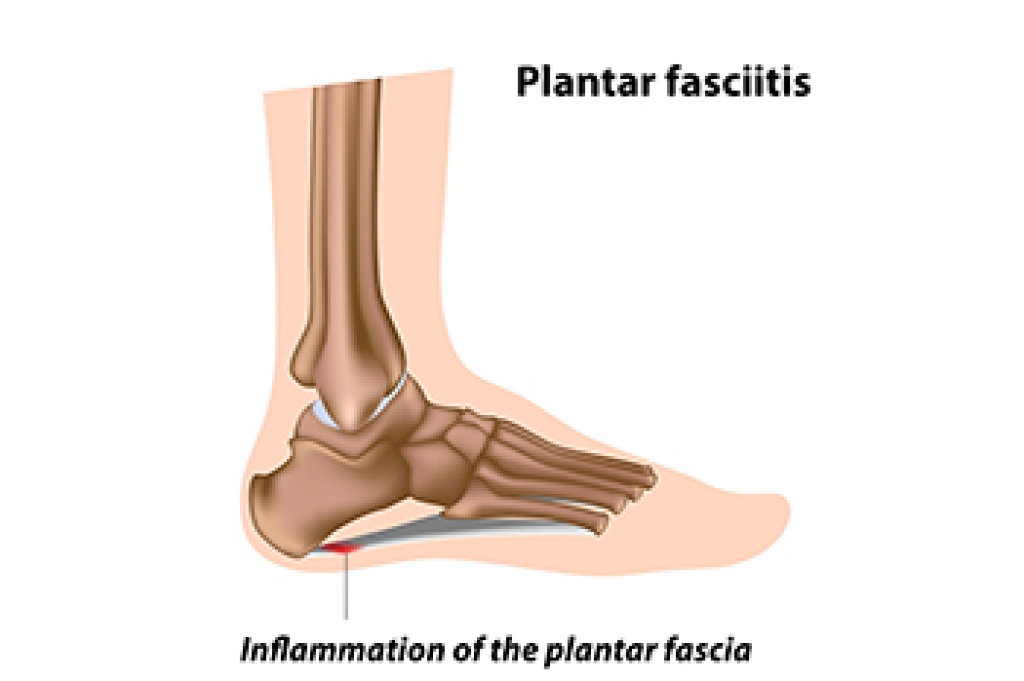
Plantar fasciitis is an extremely common type of heel pain that can develop in an individual when the plantar fascia, a band of tissue in the arch of the foot, becomes inflamed. Many different physical activities can cause plantar fasciitis. One of these overlooked causes can be driving repeatedly. Someone who is constantly driving may be increasing their susceptibility to plantar fasciitis in their right foot because this foot is needed to constantly press on and off of the gas and brake pedals. This repeated flexing of the foot is known as plantar flexion, and may exacerbate your plantar fasciitis. If you are an excessive driver, there are steps that you might consider taking to mitigate your foot condition. For example, you might be intentional about taking several breaks during car rides so that you may fully stretch your feet and legs. Contact a podiatrist today for more information.
Plantar fasciitis can be very painful and inconvenient. If you are experiencing heel pain or symptoms of plantar fasciitis, contact Jeffrey Radack, DPM from Texas Regional Foot & Ankle Clinics. Our doctor can provide the care you need to keep you pain-free and on your feet.
What Is Plantar Fasciitis?
Plantar fasciitis is the inflammation of the thick band of tissue that runs along the bottom of your foot, known as the plantar fascia, and causes mild to severe heel pain.
What Causes Plantar Fasciitis?
How Can It Be Treated?
While very treatable, plantar fasciitis is definitely not something that should be ignored. Especially in severe cases, speaking to your doctor right away is highly recommended to avoid complications and severe heel pain. Your podiatrist can work with you to provide the appropriate treatment options tailored to your condition.
If you have any questions, please feel free to contact our office located in McKinney and Coppell, TX . We offer the newest diagnostic and treatment technologies for all your foot care needs.
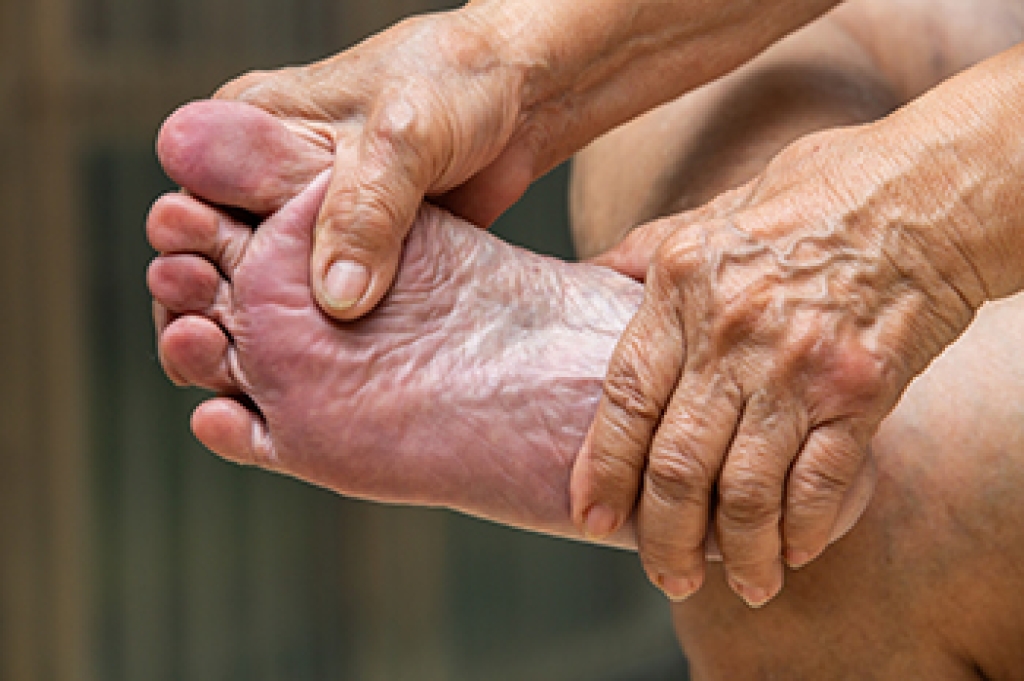
Aging feet have endured years of wear and tear. It is therefore not surprising that foot problems are common among seniors. Plantar fasciitis is when the plantar fascia, the thick fibrous band of tissue that connects the heel to the toes, becomes inflamed from overuse or improper support. There can be a pain in the heel and the arch of the foot with this condition, which is more apt to be felt upon arising after rest. After walking some, the pain can subside only to resurface. Resting the affected foot, wearing orthotics, and performing stretching exercises can help this condition. Bunions form when the joint of the big toe moves out of place due to pressure. This causes a bump to develop on the side of the toe, and the toe to point inward towards the smaller toes. Swelling, redness, or soreness can develop on the joint, as well as calluses around the second toe. Bunions can cause persistent foot pain. Medications, bunion pads, splints, and wearing proper footwear that has sufficient room in the toe box can help. If you are older or take care of someone elderly who has developed a painful foot condition or wants to learn how to prevent these from happening, consult with a podiatrist who can help you.
If you need your feet checked, contact Jeffrey Radack, DPM of Texas Regional Foot & Ankle Clinics. Our doctor will attend to all of your foot and ankle needs and provide you with quality treatment.
Geriatrics and Podiatry
When people age, some common issues that may occur are bone density loss, dry skin, poor circulation, and rough brittle nails. These issues may also affect your foot health if the necessary steps are not taken to alleviate the problems.
It is important to take care of your feet because feet that are injured or diseased can affect your overall health. Having painful feet hinders your ability to do daily activities or may decrease your willingness to do the things that you need to do.
Visiting Your Geriatrician
As we age, health problems become more likely, so it is essential to visit your doctor for check-ups to ensure that you are doing the best you can to take care of your health. It is recommended to check your feet frequently for any possible cuts, bruises, swelling, corns or any other irregularities.
Taking Care of Elderly Feet
Cracked or dry feet can be treated by applying moisturizer often. It is also important not to wear old socks because the older the sock is, the higher the possibility there will be that there is bacteria there. Wear fresh socks and make sure they fit properly.
Proper foot health means that you can have a more active lifestyle and you will not be bogged down by pain. Foot health also leads to good circulation, which is paramount for overall health.
If you have any questions, please feel free to contact our office located in McKinney and Coppell, TX . We offer the newest diagnostic and treatment technologies for all your foot care needs.

There are individual needs and wants for the majority of shoes, and running shoes are no exception. There are two general categories for these types of shoes, consisting of neutral or stable. Shoes that have limited structure are considered to be neutral, enabling the foot to flex and move freely. They can provide comfort, and the majority of runners prefer to wear these types of running shoes. People who have excessive pronation may choose a stability shoe, and this may provide a more controlled run. Patients who have flat feet may feel more comfortable when they purchase a shoe for stability. Research has shown that people who run long distances may desire shoes that have extra cushioning, providing additional comfort. There are numerous sub-categories for running shoes, and if you would like more information about how to choose the right running shoe, it is advised that you consult with a podiatrist.
You should always make sure your running shoes fit properly in order to avoid injury. For more information, contact Jeffrey Radack, DPM from Texas Regional Foot & Ankle Clinics. Our doctor can provide the care you need to keep you pain-free and on your feet.
Choosing the Right Running Shoe for Your Foot Type
Improper shoe sizing can cause a myriad of problems for your feet. Shoes that don’t fit you properly can lead to muscular imbalances in your body, which can result in foot, knee, and hip injuries.
Tips for Finding the Right Running Shoe
If you have any questions, please feel free to contact our office located in McKinney and Coppell, TX . We offer the newest diagnostic and treatment technologies for all your foot care needs.
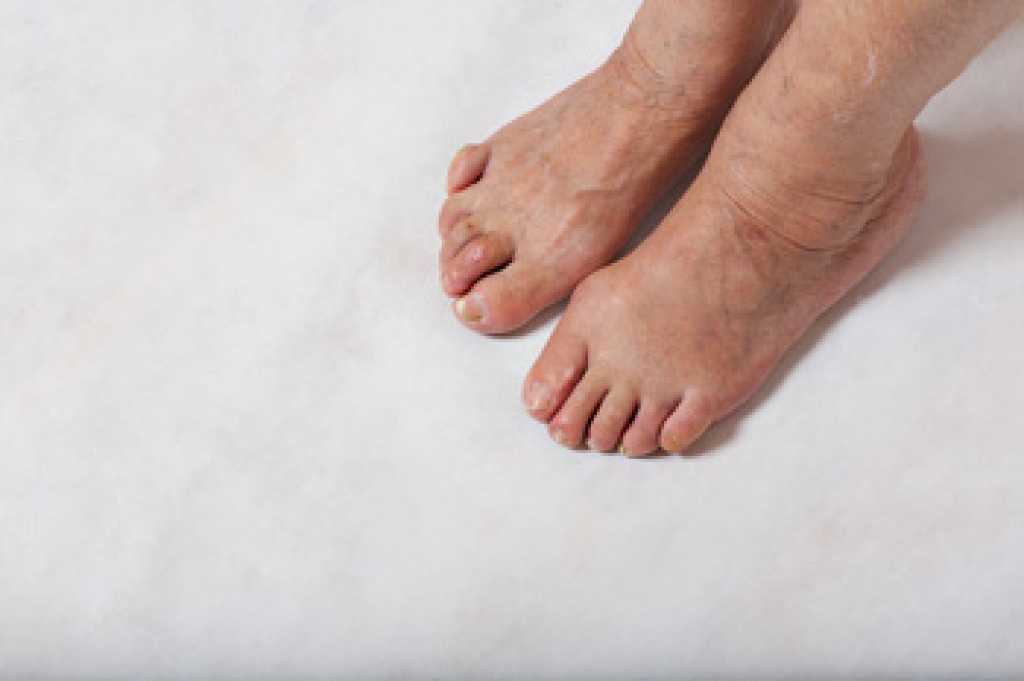
A hammertoe gets its name from a deformity of the toe that has the appearance of a hammer. The deformed toe gets curled because of a bend that occurs in the middle joint of the affected toe. This often happens due to wearing improperly fitting footwear, such as high heels or shoes that do not have sufficient room in the toe box. The toes are forced to move into a space that is too small or that does not allow for them to lie flat comfortably. This process causes the muscles to tighten and tendons to contract. Other factors that can cause hammertoes include genetics, a broken toe, a sedentary lifestyle, and diseases that inhibit blood flow to the foot. The affected toe(s) may become painful to move and, due to their odd positions, might rub against the inside of shoes causing corns and calluses to form. Often changing footwear and getting orthotics is enough to relieve pain, but if that does not help or the toe has become inflexible or rigid, surgery might be required. Risks of hammertoe surgery include pain and swelling at the site of the operation. If the pain radiates to other parts of the foot, the surgery may have caused nerve damage. Other complications can be numbness, limited range of motion, and infection. The surgery and side effects often depend on the severity of the condition. If you have a hammertoe, it is advised that you see a podiatrist as soon as possible. Tending to this early may help prevent the need for surgery and any complications that could arise.
Hammertoe
Hammertoes can be a painful condition to live with. For more information, contact Jeffrey Radack, DPM from Texas Regional Foot & Ankle Clinics. Our doctor will answer any of your foot- and ankle-related questions.
Hammertoe is a foot deformity that affects the joints of the second, third, fourth, or fifth toes of your feet. It is a painful foot condition in which these toes curl and arch up, which can often lead to pain when wearing footwear.
Symptoms
Causes
Genetics – People who are genetically predisposed to hammertoe are often more susceptible
Arthritis – Because arthritis affects the joints in your toes, further deformities stemming from arthritis can occur
Trauma – Direct trauma to the toes could potentially lead to hammertoe
Ill-fitting shoes – Undue pressure on the front of the toes from ill-fitting shoes can potentially lead to the development of hammertoe
Treatment
Orthotics – Custom made inserts can be used to help relieve pressure placed on the toes and therefore relieve some of the pain associated with it
Medications – Oral medications such as anti-inflammatories or NSAIDs could be used to treat the pain and inflammation hammertoes causes. Injections of corticosteroids are also sometimes used
Surgery – In more severe cases where the hammertoes have become more rigid, foot surgery is a potential option
If you have any questions, please feel free to contact our office located in McKinney and Coppell, TX . We offer the newest diagnostic and treatment technologies for all your foot care needs.
Connect With Us
