Falling Has Increased Across the Globe

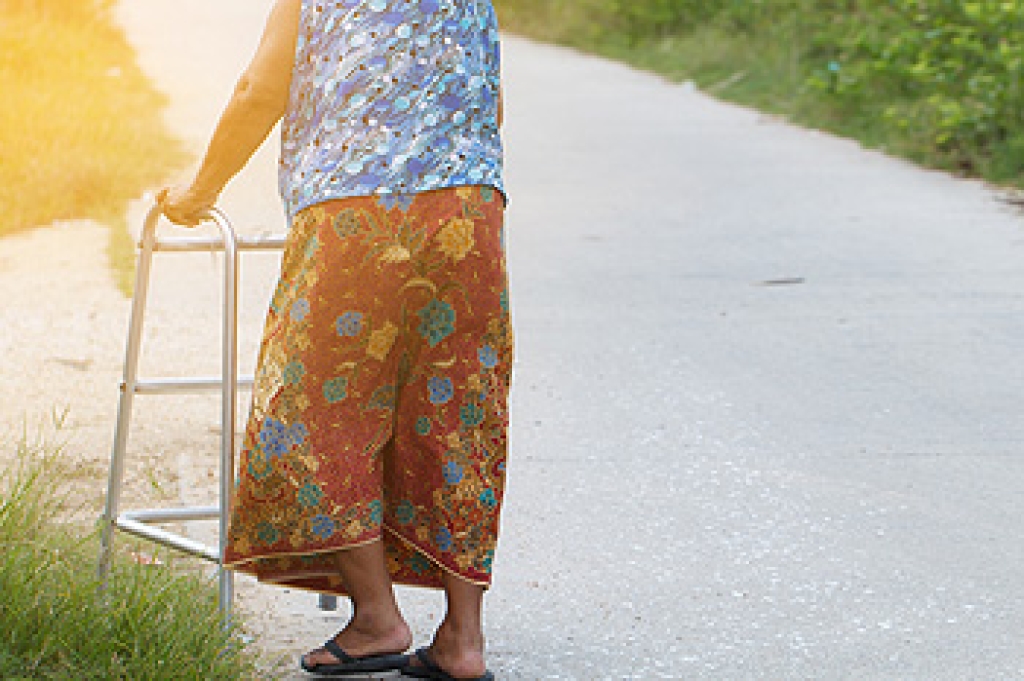
Research has shown millions of people fall every year, which could lead to disabilities or even death. Over the last 20 years the number of falls has increased more rapidly than any other type of injury, according to world health experts. It is beneficial to have programs in place that can teach balance and strength training to older individuals. Tai chi and yoga, which can fall into these categories, may improve overall health in addition to preventing falls. Many falls happen in the home, and installing grab bars in the toilet and shower areas may help to reduce these accidents. Additionally, it can help to replace worn rugs and improve lighting in the living areas. Falling can affect the feet, and it is crucial to avoid injuring the toes or feet. If you would like to learn more about effective fall prevention techniques, it is suggested that you speak with a podiatrist. 

Preventing falls among the elderly is very important. If you are older and have fallen or fear that you are prone to falling, consult with Jeffrey Radack, DPM from Texas Regional Foot & Ankle Clinics. Our doctor will assess your condition and provide you with quality advice and care.

Every 11 seconds, an elderly American is being treated in an emergency room for a fall related injury. Falls are the leading cause of head and hip injuries for those 65 and older. Due to decreases in strength, balance, senses, and lack of awareness, elderly persons are very susceptible to falling. Thankfully, there are a number of things older persons can do to prevent falls.

How to Prevent Falls

Some effective methods that older persons can do to prevent falls include:

  • Enrolling in strength and balance exercise program to increase balance and strength
  • Periodically having your sight and hearing checked
  • Discuss any medications you have with a doctor to see if it increases the risk of falling
  • Clearing the house of falling hazards and installing devices like grab bars and railings
  • Utilizing a walker or cane
  • Wearing shoes that provide good support and cushioning
  • Talking to family members about falling and increasing awareness

Falling can be a traumatic and embarrassing experience for elderly persons; this can make them less willing to leave the house, and less willing to talk to someone about their fears of falling. Doing such things, however, will increase the likelihood of tripping or losing one’s balance. Knowing the causes of falling and how to prevent them is the best way to mitigate the risk of serious injury.  

If you have any questions, please feel free to contact our office located in McKinney and Coppell, TX . We offer the newest diagnostic and treatment technologies for all your foot care needs.

Read more about Falls Prevention

Stretching the Feet Before Playing Pickleball

People may enjoy playing pickleball instead of tennis as it is less demanding on the body. It is wise to properly stretch the feet and ankles before engaging in this sport, which may help prevent chronic or acute injuries. Acute pain can be traumatic and is generally caused by a single event, such as falling and bracing the body with one hand. This may lead to incurring a broken wrist. Repeated stress over time may point to developing a chronic injury. An example of this can be reaching down to hit a low ball and repeating it several times throughout the match. A common injury people can get while playing pickleball can affect the Achilles tendon. This is located in the lower back of the leg and connects the heels to the calf muscles. This injury may be acute or chronic, and the Achilles tendon can become completely or partially torn. It is beneficial to stretch the heels and calf muscles before beginning to play pickleball, in addition to wearing proper shoes for this type of sport. If you would like more information about how the feet can be affected by a pickleball injury, it is suggested that you consult with a podiatrist. 

Ankle and foot injuries are common among athletes and in many sports. They can be caused by several problems and may be potentially serious. If you are feeling pain or think you were injured in a sporting event or when exercising, consult with Jeffrey Radack, DPM from Texas Regional Foot & Ankle Clinics. Our doctor will assess your condition and provide you with quality foot and ankle treatment.

Common Injuries

The most common injuries that occur in sporting activities include:

  • Achilles Tendonitis
  • Achilles Tendon Rupture
  • Ankle Sprains
  • Broken Foot
  • Plantar Fasciitis
  • Stress Fractures
  • Turf Toe

Symptoms

Symptoms vary depending upon the injury and in some cases, there may be no symptoms at all. However, in most cases, some form of symptom is experienced. Pain, aching, burning, bruising, tenderness, tightness or stiffness, sensation loss, difficulty moving, and swelling are the most common symptoms.

Treatment

Just as symptoms vary depending upon the injury, so do treatment options. A common treatment method is known as the RICE method. This method involves rest, applying ice, compression and elevating the afflicted foot or ankle. If the injury appears to be more serious, surgery might be required, such as arthroscopic or reconstructive surgery. Lastly, rehabilitation or therapy might be needed to gain full functionality in the afflicted area. Any discomfort experienced by an athlete must be evaluated by a licensed, reputable medical professional.  

If you have any questions please contact our office located in McKinney and Coppell, TX . We offer the newest diagnostic and treatment technologies for all your foot and ankle needs.

Read more about Sports Related Foot and Ankle Injuries

How Did I Hurt My Achilles Tendon?

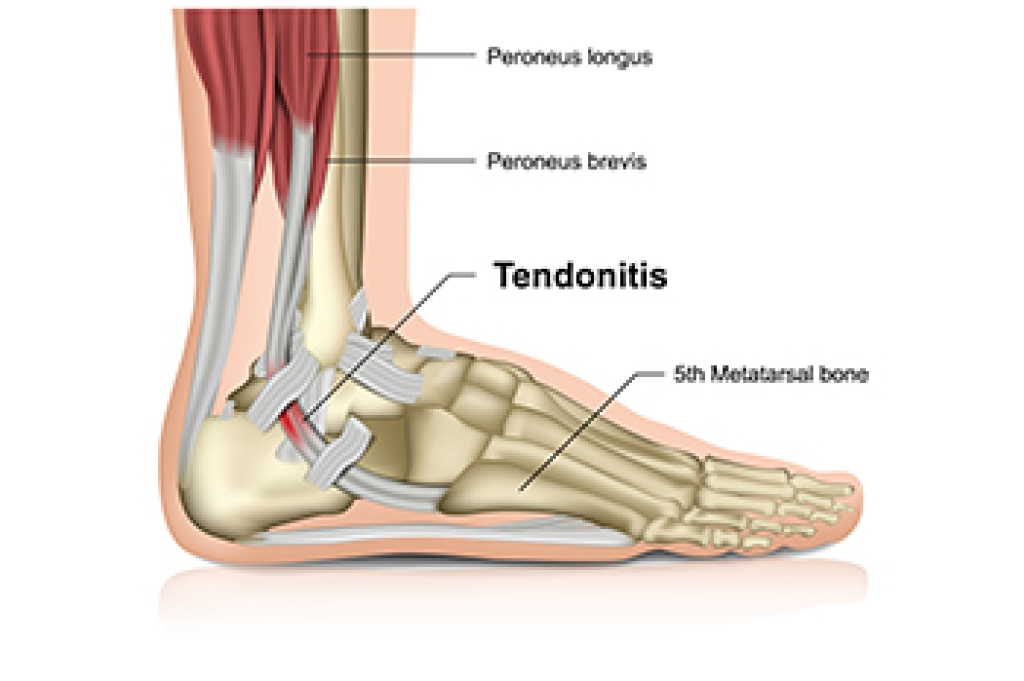
There is no mistaking the discomfort that can happen from enduring an Achilles tendon injury. It is often a sudden, sharp pain that occurs when this tendon becomes torn. It can happen to runners who increase speed and mileage too quickly, often without properly warming up. The Achilles tendon is located in the lower portion of the calf and connects the heel to the calf muscles. This type of injury may also happen while running on hard or uneven surfaces, or if the foot suddenly turns out. In addition to the intense pain this injury can cause, the affected foot may feel stiff in the morning, and is often painful when touched. Treatment often begins by stopping the activity that caused the injury, and a brace or cast may need to temporarily be worn that can provide stability as it heals. If you have had an Achilles tendon injury, it is strongly suggested that you consult with a podiatrist who can guide you toward treatment options that are correct for you.

Achilles tendon injuries need immediate attention to avoid future complications. If you have any concerns, contact Jeffrey Radack, DPM of Texas Regional Foot & Ankle Clinics. Our doctor can provide the care you need to keep you pain-free and on your feet.

What Is the Achilles Tendon?

The Achilles tendon is a tendon that connects the lower leg muscles and calf to the heel of the foot. It is the strongest tendon in the human body and is essential for making movement possible. Because this tendon is such an integral part of the body, any injuries to it can create immense difficulties and should immediately be presented to a doctor.

What Are the Symptoms of an Achilles Tendon Injury?

There are various types of injuries that can affect the Achilles tendon. The two most common injuries are Achilles tendinitis and ruptures of the tendon.

Achilles Tendinitis Symptoms

  • Inflammation
  • Dull to severe pain
  • Increased blood flow to the tendon
  • Thickening of the tendon

Rupture Symptoms

  • Extreme pain and swelling in the foot
  • Total immobility

Treatment and Prevention

Achilles tendon injuries are diagnosed by a thorough physical evaluation, which can include an MRI. Treatment involves rest, physical therapy, and in some cases, surgery. However, various preventative measures can be taken to avoid these injuries, such as:

  • Thorough stretching of the tendon before and after exercise
  • Strengthening exercises like calf raises, squats, leg curls, leg extensions, leg raises, lunges, and leg presses

If you have any questions please feel free to contact our office located in McKinney and Coppell, TX . We offer the newest diagnostic tools and technology to treat your foot and ankle needs.

Read more about What are Achilles Tendon Injuries

Why Are My Feet Swollen?

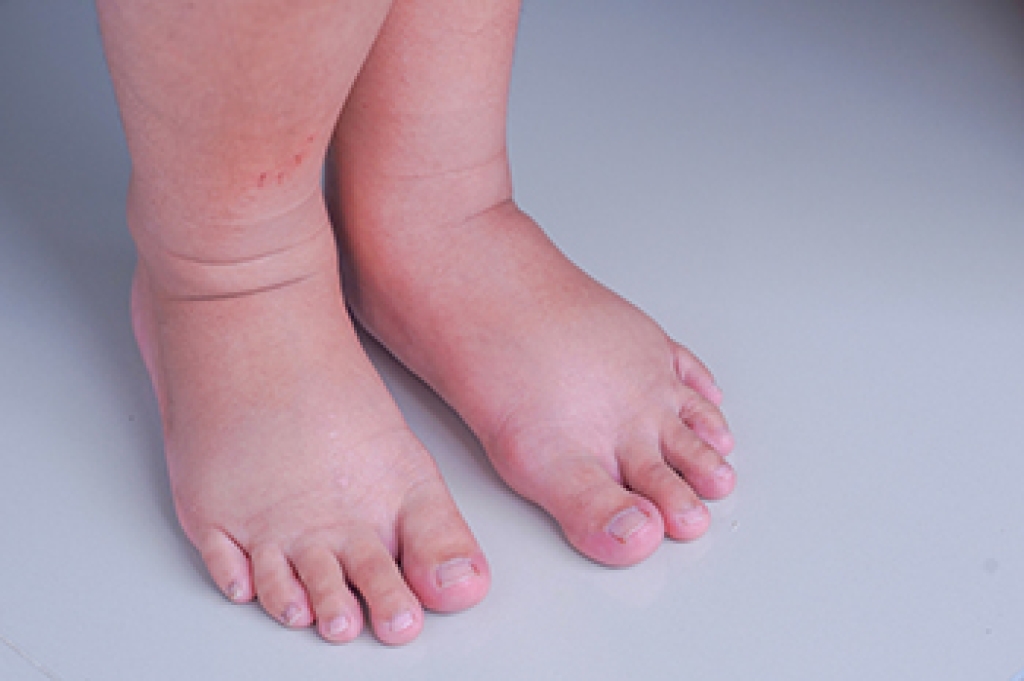
People who have swollen feet are often aware of the discomfort this condition can cause. It is common among pregnant women and generally begins in the second trimester. The medical term for swollen feet is edema, which is defined as fluid that becomes trapped in the body’s tissues. The feet and ankles are common areas for this to occur, and the fluids can pool in these areas as a result of gravity. Patients who have poor circulation may experience swollen feet, or it may happen to people who have endured a foot injury. Relief may be found when the feet are frequently elevated and compression stockings are worn. It is beneficial to reduce sodium intake, in addition to drinking plenty of water daily. If you have swollen feet, it is suggested that you speak with a podiatrist who can determine the cause and offer correct treatment options.

Swollen feet can be a sign of an underlying condition. If you have any concerns, contact Jeffrey Radack, DPM of Texas Regional Foot & Ankle Clinics. Our doctor can provide the care you need to keep you pain-free and on your feet.

Swollen feet are a common ailment among pregnant women and people who stand or sit for extended periods. Aging may increase the possibility of swollen feet and patients who are obese often notice when their feet are swelling too. There may be medical reasons why swollen feet occur:

  • Phlebitis - A condition that causes the veins to become inflamed and can also cause leg pain.
  • Liver disease - This may lead to low blood levels of albumin which is a protein. This can cause fluid in the blood to pass into the tissues and several areas of the body can become swollen.
  • Heart failure - When the heart doesn’t pump properly the blood that is normally pumped back to the heart can pool in the veins of the legs causing swollen feet.
  • Kidney disease - One of the main functions of the kidneys is releasing excess fluid in the body. This type of condition can make it difficult for the kidneys to function properly, and as a result the feet may become swollen.
  • Deep-vein thrombosis (DVT)- This is a serious condition where blood clots form in the veins of the legs. They can block the return of blood from the legs to the heart which may cause the feet to swell. It is important to be treated by a podiatrist if this condition is present.

Swollen feet can also be caused by bone and tendon conditions, including fractures, arthritis, and tendinitis. Additionally, there may be skin and toenail conditions and an infection may cause the feet to swell. Patients who take medicine to treat high blood pressure may be prone to getting swollen feet. 

Many patients elevate their feet to help relieve the swelling and this is generally a temporary remedy. When a podiatrist is consulted the reason behind the swelling can be uncovered and subsequently treated.

If you have any questions please contact our office located in McKinney and Coppell, TX . We offer the newest diagnostic and treatment technologies for all your foot and ankle needs.

Read more about Swelling of the Feet

Do You Suffer From Painful Feet?

Painful deformities, such as hammertoes, can be treated. Stop living with foot pain, and have beautiful feet again!

Connect With Us