The Treadmill and Foot Injuries

Countless Americans utilize the treadmill everyday as a way for them to burn their daily calories. Individuals can use the treadmill to run, jog, or simply walk. This versatility adds to the appeal of the treadmill. However, if an individual is not careful, the use of the treadmill may potentially put your feet at risk of developing an injury. For example, if an individual is not running, jogging, or walking with proper form, they could endure foot pain and/or a foot condition. These can also occur if an individual misuses the treadmill by perhaps setting the treadmill to an inappropriate incline and speed. If you are someone that frequently relies on the treadmill to get your daily dose of exercise, it is highly suggested that you contact a podiatrist who will be able to offer you individualized care and advice.

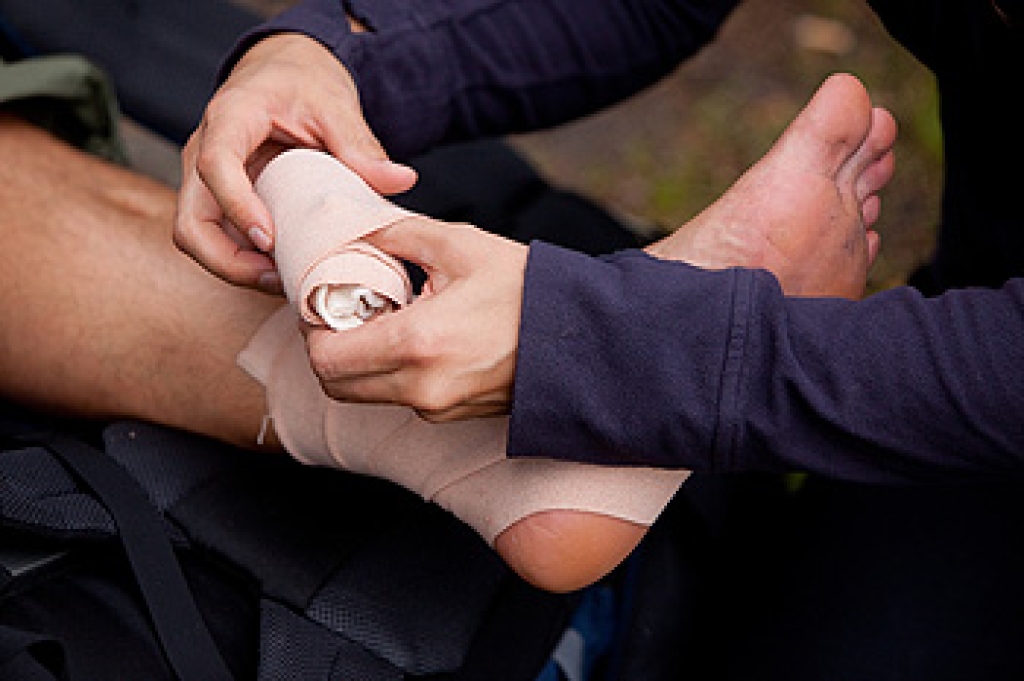
Sports related foot and ankle injuries require proper treatment before players can go back to their regular routines. For more information, contact Jeffrey Radack, DPM of Texas Regional Foot & Ankle Clinics. Our doctor can provide the care you need to keep you pain-free and on your feet.

Sports Related Foot and Ankle Injuries

Foot and ankle injuries are a common occurrence when it comes to athletes of any sport. While many athletes dismiss the initial aches and pains, the truth is that ignoring potential foot and ankle injuries can lead to serious problems. As athletes continue to place pressure and strain the area further, a mild injury can turn into something as serious as a rupture and may lead to a permanent disability. There are many factors that contribute to sports related foot and ankle injuries, which include failure to warm up properly, not providing support or wearing bad footwear. Common injuries and conditions athletes face, including:

  • Plantar Fasciitis
  • Achilles Tendinitis
  • Achilles Tendon Rupture
  • Ankle Sprains

Sports related injuries are commonly treated using the RICE method. This includes rest, applying ice to the injured area, compression and elevating the ankle. More serious sprains and injuries may require surgery, which could include arthroscopic and reconstructive surgery. Rehabilitation and therapy may also be required in order to get any recovering athlete to become fully functional again. Any unusual aches and pains an athlete sustains must be evaluated by a licensed, reputable medical professional.

If you have any questions please contact our office located in McKinney and Coppell, TX . We offer the newest diagnostic and treatment technologies for all your foot and ankle needs.

Read more about Sports Related Foot And Ankle Injuries

Stress Fracture Risk Factors

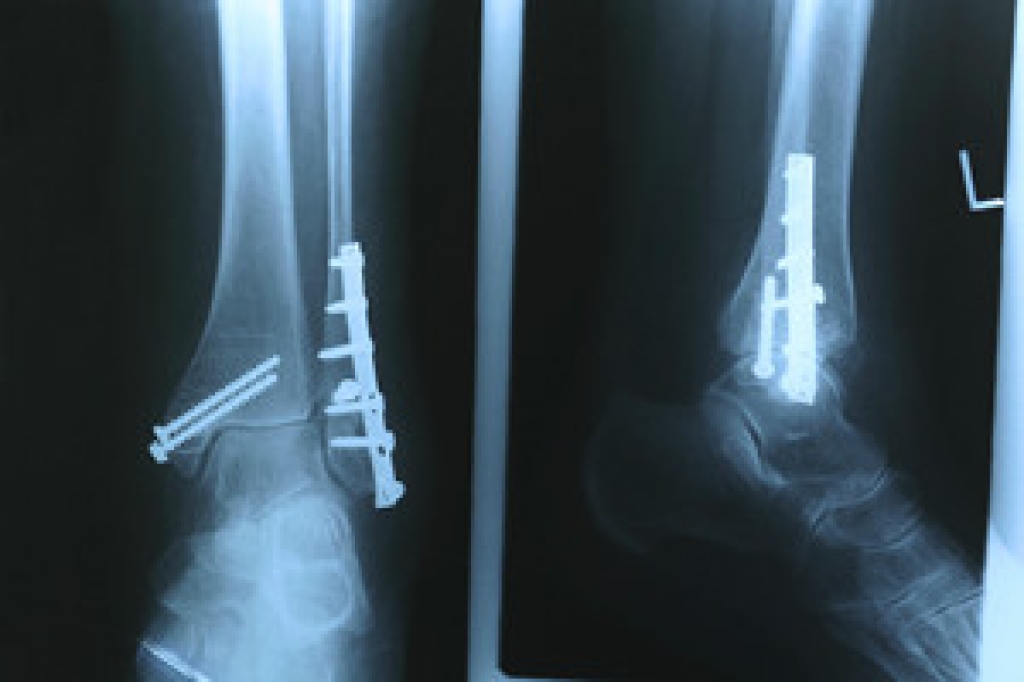
A stress fracture in the foot essentially occurs when microdamage accumulates and the bones develop small breaks. If you are an athlete or a runner, then you might be particularly interested in preventing the onset of a stress fracture in the foot. There are certain factors that might put athletes at an increased risk of developing stress fractures of some kind. For example, if an athlete has a particularly high running mileage or especially if they are wearing inappropriate footwear, then a stress fracture might be more likely.  Also, other risk factors for runners and athletes include training errors and leg length discrepancies. If you are someone that runs frequently and are concerned about developing a stress fracture, it is suggested that you contact a podiatrist. 

Activities where too much pressure is put on the feet can cause stress fractures. To learn more, contact Jeffrey Radack, DPM from Texas Regional Foot & Ankle Clinics. Our doctor can provide the care you need to keep your pain free and on your feet.

Dealing with Stress Fractures of the Foot and Ankle

Stress fractures occur in the foot and ankle when muscles in these areas weaken from too much or too little use.  The feet and ankles then lose support when walking or running from the impact of the ground. Since there is no protection, the bones receive the full impact of each step. Stress on the feet can cause cracks to form in the bones, thus creating stress fractures.

What Are Stress Fractures?

Stress fractures occur frequently in individuals whose daily activities cause great impact on the feet and ankles. Stress factors are most common among:

  • Runners                                
  • People affected with Osteoporosis
  • Tennis or basketball players
  • Gymnasts
  • High impact workouts

Symptoms

Pain from the fractures occur in the area of the fractures and can be constant or intermittent. It will often cause sharp or dull pain with swelling and tenderness. Engaging in any kind of activity which involves high impact will aggravate pain.

If you have any questions please contact our office located in McKinney and Coppell, TX . We offer the newest diagnostic and treatment technologies for all your foot and ankle needs.
Read more about Dealing with Stress Fractures of the Foot and Ankle

Common Causes of Heel Pain

Two common causes of heel pain are plantar fasciitis and heel spurs. Each foot has 28 bones, 30 joints, and more than 100 muscles, ligaments, and tendons. All of these structures work in tandem to provide weight-bearing and forward movement. The heel bone, or calcaneus, is the largest bone in the foot, and is a common site for injury as a result of walking style, or gait. Plantar fasciitis is caused by microtears in the connective tissue under the foot. This is typically caused by overstretching and can produce pain in the heel and arch areas of the foot. Pain is often worse in the morning when the first steps are taken. A heel spur is a bony overgrowth on the heel that can cause severe pain while standing or walking. Heel spurs can be common among those with plantar fasciitis. For a proper diagnosis and treatment of your heel pain, it is suggested that you consult with a podiatrist.

Many people suffer from bouts of heel pain. For more information, contact Jeffrey Radack, DPM of Texas Regional Foot & Ankle Clinics. Our doctor can provide the care you need to keep you pain-free and on your feet.

Causes of Heel Pain

Heel pain is often associated with plantar fasciitis. The plantar fascia is a band of tissues that extends along the bottom of the foot. A rip or tear in this ligament can cause inflammation of the tissue.

Achilles tendonitis is another cause of heel pain. Inflammation of the Achilles tendon will cause pain from fractures and muscle tearing. Lack of flexibility is also another symptom.

Heel spurs are another cause of pain. When the tissues of the plantar fascia undergo a great deal of stress, it can lead to ligament separation from the heel bone, causing heel spurs.

Why Might Heel Pain Occur?

  • Wearing ill-fitting shoes                
  • Wearing non-supportive shoes
  • Weight change           
  • Excessive running

Treatments

Heel pain should be treated as soon as possible for immediate results. Keeping your feet in a stress-free environment will help. If you suffer from Achilles tendonitis or plantar fasciitis, applying ice will reduce the swelling. Stretching before an exercise like running will help the muscles. Using all these tips will help make heel pain a condition of the past.

If you have any questions, please feel free to contact our office located in McKinney and Coppell, TX . We offer the newest diagnostic and treatment technologies for all your foot care needs.

Read more about Heel Pain

Do Flat Feet Hurt?

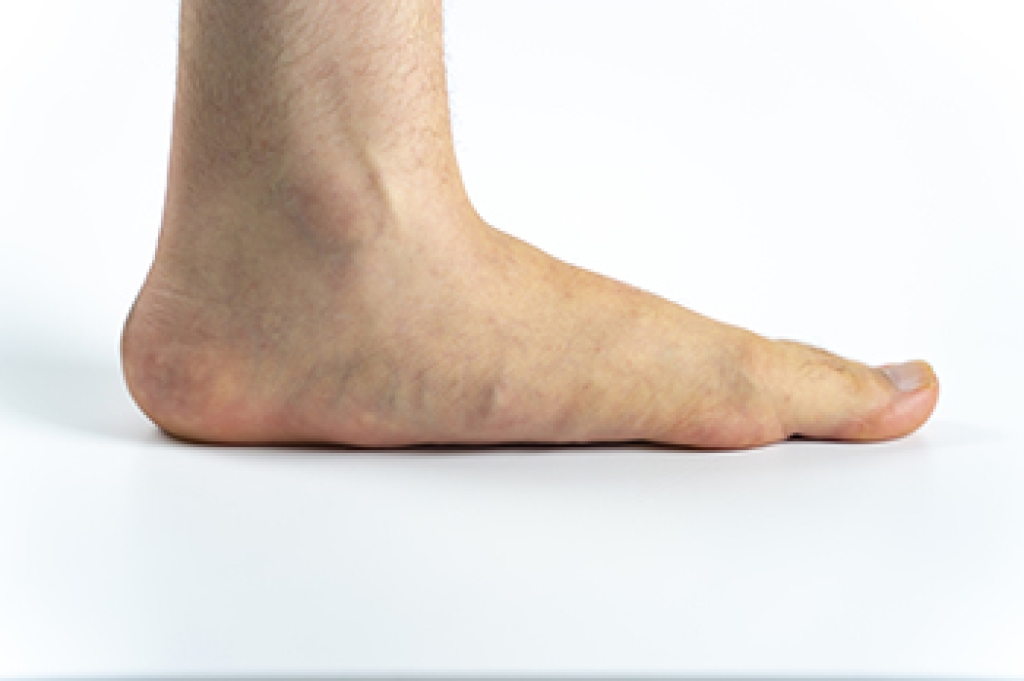
Flat feet can have various effects on people. Some patients will experience discomfort during everyday activities, and others wont have any pain. People who have flat feet have a low arch or none at all. Most babies are born with flat feet, and the arch generally develops during the teenage years. Flat feet fall into two categories. Patients with flexible flat feet will maintain an arch, but it disappears when the foot lies flat on the ground. With rigid flat feet, the arch is completely gone, with or without weight being exerted on the foot. Adults may be prone to developing flat feet if they have foot muscle weakness or ankle instability. There are stretches that can be performed to help reduce the achy sensation that sometimes accompanies flat feet. One example is standing on a step and lowering one heel at a time until a gentle stretch is felt. If you have flat feet, a podiatrist can provide you with additional stretches that can help to strengthen the foot and possibly diminish existing pain.

Flatfoot is a condition many people suffer from. If you have flat feet, contact Jeffrey Radack, DPM from Texas Regional Foot & Ankle Clinics. Our doctor will treat your foot and ankle needs.

What Are Flat Feet?

Flatfoot is a condition in which the arch of the foot is depressed and the sole of the foot is almost completely in contact with the ground. About 20-30% of the population generally has flat feet because their arches never formed during growth.

Conditions & Problems:

Having flat feet makes it difficult to run or walk because of the stress placed on the ankles.

Alignment – The general alignment of your legs can be disrupted, because the ankles move inward which can cause major discomfort.

Knees – If you have complications with your knees, flat feet can be a contributor to arthritis in that area.  

Symptoms

  • Pain around the heel or arch area
  • Trouble standing on the tip toe
  • Swelling around the inside of the ankle
  • Flat look to one or both feet
  • Having your shoes feel uneven when worn

Treatment

If you are experiencing pain and stress on the foot you may weaken the posterior tibial tendon, which runs around the inside of the ankle. 

If you have any questions, please feel free to contact our office located in McKinney and Coppell, TX . We offer the newest diagnostic and treatment technologies for all your foot care needs.

Read more about Flatfoot

Keep Your Feet Healthy So You Can Stay Active

Have your feet inspected by a professional before starting a new sport or physical activity. Taking charge of your foot health will keep you in good physical condition and can help you avoid a potential injury, such as a fracture or sprained ankle.

Prevent injuries and see a foot specialist.

Connect With Us