
Bunion Surgery May Be Necessary

Bunions may be prevented from developing. A bunion is defined as a bony protrusion on the side of the big toe and can gradually occur from wearing shoes that do not fit correctly. In severe cases, the bunion can cause the other toes to overlap, and this may cause difficulty in walking and completing daily activities. Some of the suggested ways to prevent bunions from developing can include wearing shoes that have adequate room for the toes to move freely as well as avoiding high heels. It can be beneficial to frequently rest the feet as this can provide the opportunity to stretch the toes. If the bunion is painful, it may feel better to wear a protective pad on top of it which may aid in reducing the pressure against the shoe. When a bunion is severe, surgery may be a necessary option for permanent relief. If you notice the beginning stages of a developing bunion, it is suggested that you contact a podiatrist who can offer the correct treatment options. 

If you are suffering from bunions, contact Jeffrey Radack, DPM of Texas Regional Foot & Ankle Clinics. Our doctor can provide the care you need to keep you pain-free and on your feet.

What Is a Bunion?

A bunion is formed of swollen tissue or an enlargement of boney growth, usually located at the base joint of the toe that connects to the foot. The swelling occurs due to the bones in the big toe shifting inward, which impacts the other toes of the foot. This causes the area around the base of the big toe to become inflamed and painful.

Why Do Bunions Form?

Genetics – Susceptibility to bunions are often hereditary

Stress on the feet – Poorly fitted and uncomfortable footwear that places stress on feet, such as heels, can worsen existing bunions

How Are Bunions Diagnosed?

Doctors often perform two tests – blood tests and x-rays – when trying to diagnose bunions, especially in the early stages of development. Blood tests help determine if the foot pain is being caused by something else, such as arthritis, while x-rays provide a clear picture of your bone structure to your doctor.

How Are Bunions Treated?

  • Refrain from wearing heels or similar shoes that cause discomfort
  • Select wider shoes that can provide more comfort and reduce pain
  • Anti-inflammatory and pain management drugs
  • Orthotics or foot inserts
  • Surgery

If you have any questions, please feel free to contact our office located in McKinney and Coppell, TX . We offer the newest diagnostic and treatment technologies for all your foot care needs.

Read more about What Are Bunions?

Toeing the Line on Toe Pain

The toes are instrumental in everyday movements like walking and running—not to mention athletic activities. Toes are therefore more susceptible to injury which can result in pain. Toe pain can also be caused by a variety of factors including dysfunction in tissues, bones, nerves, skin, and other parts of the toes. It may also be the result of conditions such as hammertoe, arthritis (including gout), ingrown toenails, bunions, blisters, corns, calluses, tumors, infection, and inflammation (dactylitis). Pain in the toes can be accompanied by feelings of warmth, numbness, as well as other symptoms. If you are experiencing any of these symptoms in your toes, contact a podiatrist who will be able to discover the underlying cause of your toe pain and treat it accordingly.

Foot Pain

Foot pain can be extremely painful and debilitating. If you have a foot pain, consult with Jeffrey Radack, DPM from Texas Regional Foot & Ankle Clinics. Our doctor will assess your condition and provide you with quality foot and ankle treatment.

Causes

Foot pain is a very broad condition that could be caused by one or more ailments. The most common include:

  • Bunions
  • Hammertoes
  • Plantar Fasciitis
  • Bone Spurs
  • Corns
  • Tarsal Tunnel Syndrome
  • Ingrown Toenails
  • Arthritis (such as Gout, Rheumatoid, and Osteoarthritis)
  • Flat Feet
  • Injury (from stress fractures, broken toe, foot, ankle, Achilles tendon ruptures, and sprains)
  • And more

Diagnosis

To figure out the cause of foot pain, podiatrists utilize several different methods. This can range from simple visual inspections and sensation tests to X-rays and MRI scans. Prior medical history, family medical history, and any recent physical traumatic events will all be taken into consideration for a proper diagnosis.

Treatment

Treatment depends upon the cause of the foot pain. Whether it is resting, staying off the foot, or having surgery; podiatrists have a number of treatment options available for foot pain.

If you have any questions, please feel free to contact our office located in McKinney and Coppell, TX . We offer the newest diagnostic and treatment technologies for all your foot care needs.

Read more about Foot Pain

Are You Suffering From Ingrown Toenails?

If left untreated, an ingrown toenail can lead to more serious concerns, such as an infection. Knowing proper nail care can help in the prevention of an ingrown toenail. Give us a call, and get treated!

Relief for Sore Feet

We all have sore feet from time to time. After all, our feet do a lot of work for us and put in long hours. There are a variety of ways to soothe sore feet at home. Generally, using a combination of treatments work best to revitalize sore feet. Warm foot baths using Epsom salts can relieve swollen, painful feet. Stretching the toes and heels can aid with foot pain by increasing flexibility and preventing cramping. Foot pain can be avoided by strengthening and resistance exercises to help keep feet strong and limber. Orthotics or arch supports can help stabilize the feet and eliminate discomfort. Simple icing of aching feet can reduce inflammation that may be caused by soreness. Wearing night splints can help with keeping feet stretched properly to avoid or control foot pain. If you have painful, achy feet or tingling or numbness in your feet, a podiatrist should be consulted and treatment prescribed.

Foot therapy is often necessary for those recovering from either foot deformities or foot injuries. If you have concerns regarding therapy, consult with Jeffrey Radack, DPM from Texas Regional Foot & Ankle Clinics. Our doctor can provide the care you need to keep you pain-free and on your feet.

Most Common Injuries

People who are active or athletes are prone to a variety of injuries. Therefore, it is often important to take part in physical therapy in order to quickly get back on the right track. 

What to Do When Injured

Physical Therapy – This specialized treatment will focus on the affected area, speeding up recovery and the overall healing process. It is a proven method that has helped millions of people return from any injury.

During physical therapy you will undergo regimented training to get back into full form. Training is often very difficult, especially at first when the foot feels weak. Physical therapy often involves:

Basic stretching and twisting exercises – getting the feet’s mobility and flexibility up.

Massaging – the therapist will massage the injured area in order to activate the muscles and relax them.

Strengthening Exercises – this allows the muscles in the affected area to regain their full strength, a vital step towards full recovery.

If you have any questions, please feel free to contact our office located in McKinney and Coppell, TX . We offer the newest diagnostic and treatment technologies for all your foot care needs.
Read more about Foot Therapy for Sports Injuries

Facts About Morton’s Neuroma

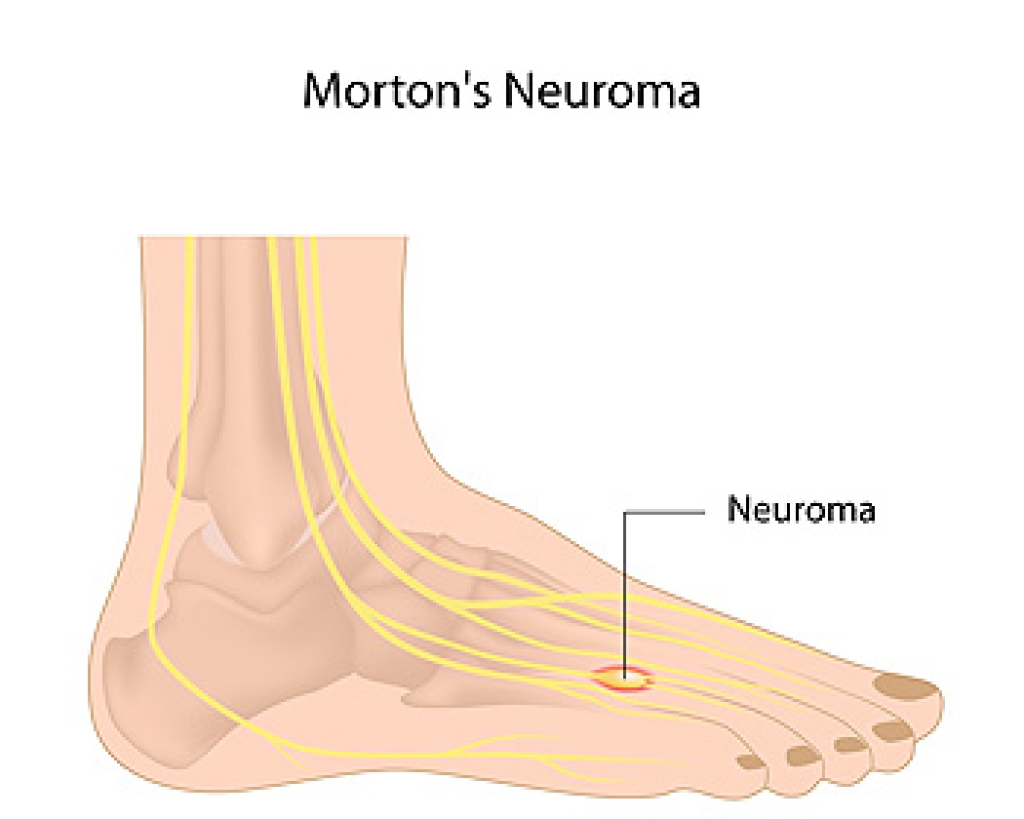
If you experience a burning sensation or sharp pain on the bottom of the foot, just under the toes, you may have developed a Morton’s neuroma. This condition, which many believe is caused by wearing shoes that are too tight, is the result of an inflamed nerve. Morton’s neuroma is usually located between the 2nd and 3rd metatarsal bones at the ball of the foot and has been described as having a stone or pebble in your shoe. Pain caused by compression of the nerves can get worse when you walk or if your toes are squeezed too tightly within the shoe. An MRI or ultrasound can be used to diagnose the condition. Several ways to ease the pain of Morton’s neuroma include resting the foot, wearing better fitting shoes with a wider toe box and lower heel, taking anti-inflammatory medicine, and icing the foot. If pain is persistent, despite these measures, you may wish to consult a podiatrist for a full examination and diagnosis. In more severe cases a podiatrist may recommend cortisone injections, and in even worse cases surgery to remove damaged nerve tissue may be an option.  

Morton’s neuroma is a very uncomfortable condition to live with. If you think you have Morton’s neuroma, contact Jeffrey Radack, DPM of Texas Regional Foot & Ankle Clinics. Our doctor will attend to all of your foot care needs and answer any of your related questions.  

Morton’s Neuroma

Morton's neuroma is a painful foot condition that commonly affects the areas between the second and third or third and fourth toe, although other areas of the foot are also susceptible. Morton’s neuroma is caused by an inflamed nerve in the foot that is being squeezed and aggravated by surrounding bones.

What Increases the Chances of Having Morton’s Neuroma?

  • Ill-fitting high heels or shoes that add pressure to the toe or foot
  • Jogging, running or any sport that involves constant impact to the foot
  • Flat feet, bunions, and any other foot deformities

Morton’s neuroma is a very treatable condition. Orthotics and shoe inserts can often be used to alleviate the pain on the forefront of the feet. In more severe cases, corticosteroids can also be prescribed. In order to figure out the best treatment for your neuroma, it’s recommended to seek the care of a podiatrist who can diagnose your condition and provide different treatment options.

If you have any questions, please feel free to contact our office located in McKinney and Coppell, TX . We offer the newest diagnostic and treatment technologies for all your foot care needs.

Read more about Morton's Neuroma

Connect With Us