
Have your child's feet been examined lately? Healthy feet are happy feet. If your child is complaining of foot pain, it may be a sign of underlying problems.
Have your child's feet been examined lately? Healthy feet are happy feet. If your child is complaining of foot pain, it may be a sign of underlying problems.

Trail running shoes are designed to provide support and protection on uneven and rugged terrain, and selecting the right pair is essential for foot health. Key qualities include appropriate stack height for cushioning, lug length, or how tall or deep the rubber protrusions are on the sole or traction, and proper shoe width to accommodate foot shape. Wearing trail shoes that do not fit correctly or provide adequate support can lead to blisters, plantar fasciitis, ankle sprains, or other injuries. A podiatrist can help evaluate your foot structure, recommend suitable trail running shoes, and provide guidance on orthotics or preventive strategies to reduce risk of injury. If you have foot pain from wearing the wrong type of running shoes, it is suggested that you consult a podiatrist who can treat various foot conditions and guide you on proper footwear choices for your running style.
You should always make sure your running shoes fit properly in order to avoid injury. For more information, contact Jeffrey Radack, DPM from Texas Regional Foot & Ankle Clinics. Our doctor can provide the care you need to keep you pain-free and on your feet.
Choosing the Right Running Shoe for Your Foot Type
Improper shoe sizing can cause a myriad of problems for your feet. Shoes that don’t fit you properly can lead to muscular imbalances in your body, which can result in foot, knee, and hip injuries.
Tips for Finding the Right Running Shoe
If you have any questions, please feel free to contact our office located in McKinney and Coppell, TX . We offer the newest diagnostic and treatment technologies for all your foot care needs.
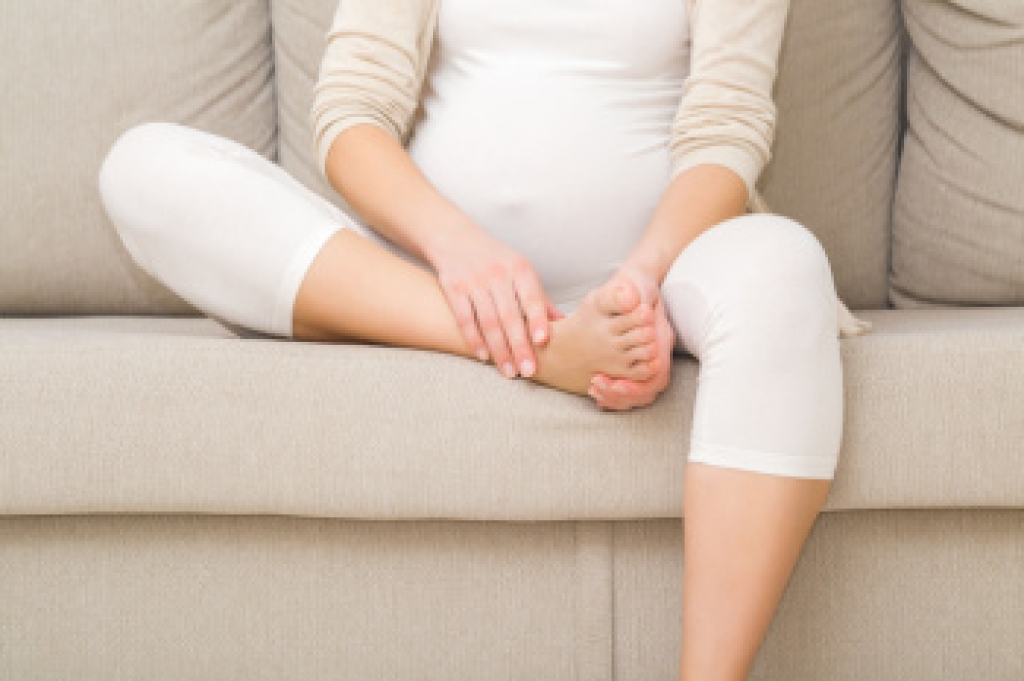
During pregnancy, many women experience noticeable changes in their feet due to natural physical and hormonal adjustments. Feet may increase in size as ligaments loosen, arches may flatten, and additional weight can increase pressure on joints, often reducing overall foot stability. These changes can lead to discomfort or difficulty with mobility. Choosing the right footwear is essential for support and comfort. Shoes with a wide toe box, proper arch support, cushioned heels, adjustable fit, and breathable materials can help reduce pain and improve balance. A podiatrist can provide personalized guidance, treatments, and support throughout pregnancy. If you have developed foot pain during your pregnancy, it is suggested that you consult a podiatrist who can treat various foot conditions, and guide you on additional relief tactics.
Pregnant women with swollen feet can be treated with a variety of different methods that are readily available. For more information about other cures for swollen feet during pregnancy, consult with Jeffrey Radack, DPM from Texas Regional Foot & Ankle Clinics. Our doctor will attend to all of your foot and ankle needs.
What Foot Problems Can Arise During Pregnancy?
One problem that can occur is overpronation, which occurs when the arch of the foot flattens and tends to roll inward. This can cause pain and discomfort in your heels while you’re walking or even just standing up, trying to support your baby.
Another problem is edema, or swelling in the extremities. This often affects the feet during pregnancy but tends to occur in the later stages.
How Can I Keep My Feet Healthy During Pregnancy?
If you have any questions, please feel free to contact our office located in McKinney and Coppell, TX . We offer the newest diagnostic and treatment technologies for all your foot care needs.

Athlete’s foot is a fungal infection that affects the skin of the feet, often developing between the toes. It thrives in warm and moist environments, making locker rooms, around pools, and tight footwear common sources of exposure. Symptoms include itching, burning, redness, peeling skin, and sometimes blisters or cracked areas that can become painful. Risk factors include excessive sweating, walking barefoot in public places, or wearing shoes that do not allow the feet to breathe. A podiatrist can diagnose the condition, provide effective anti-fungal treatments, and recommend prevention strategies to keep feet healthy. If you are experiencing signs of athlete’s foot, it is suggested that you consult a podiatrist who can provide effective treatment solutions, which may include prescribed medication.
Athlete’s Foot
Athlete’s foot is often an uncomfortable condition to experience. Thankfully, podiatrists specialize in treating athlete’s foot and offer the best treatment options. If you have any questions about athlete’s foot, consult with Jeffrey Radack, DPM from Texas Regional Foot & Ankle Clinics. Our doctor will assess your condition and provide you with quality treatment.
What Is Athlete’s Foot?
Tinea pedis, more commonly known as athlete’s foot, is a non-serious and common fungal infection of the foot. Athlete’s foot is contagious and can be contracted by touching someone who has it or infected surfaces. The most common places contaminated by it are public showers, locker rooms, and swimming pools. Once contracted, it grows on feet that are left inside moist, dark, and warm shoes and socks.
Prevention
The most effective ways to prevent athlete’s foot include:
Symptoms
Athlete’s foot initially occurs as a rash between the toes. However, if left undiagnosed, it can spread to the sides and bottom of the feet, toenails, and if touched by hand, the hands themselves. Symptoms include:
Diagnosis and Treatment
Diagnosis is quick and easy. Skin samples will be taken and either viewed under a microscope or sent to a lab for testing. Sometimes, a podiatrist can diagnose it based on simply looking at it. Once confirmed, treatment options include oral and topical antifungal medications.
If you have any questions, please feel free to contact our office located in McKinney and Coppell, TX . We offer the newest diagnostic and treatment technologies for all your foot care needs.
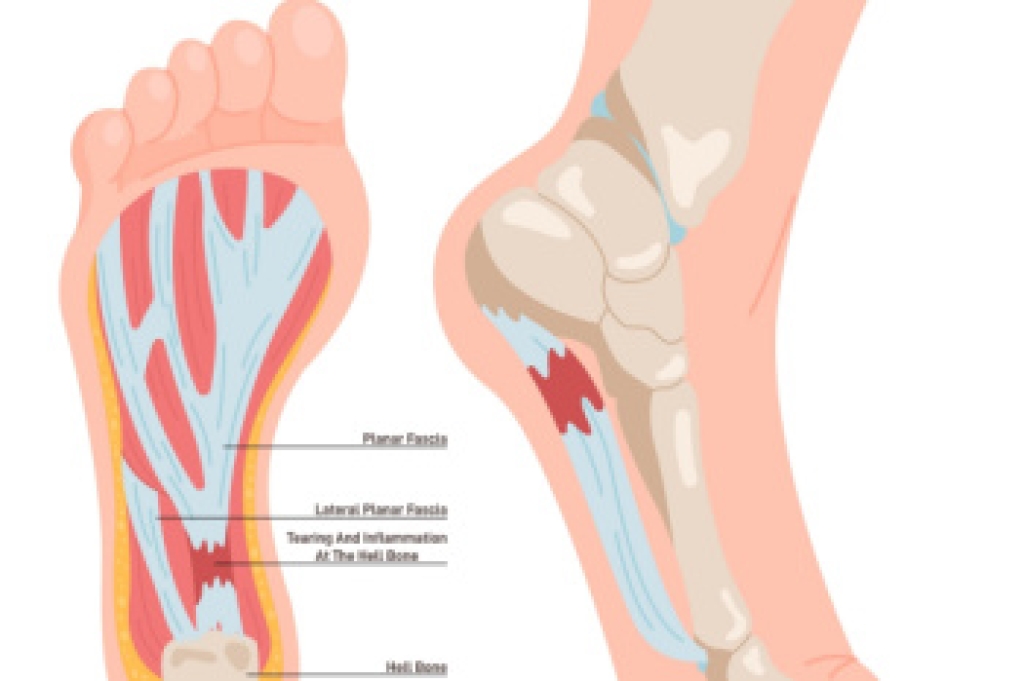
Plantar fasciitis is a common foot condition characterized by inflammation of the thick band of tissue that runs along the bottom of the foot, connecting the heel to the toes. It often develops from training on improper surfaces, suddenly increasing athletic activity, or failing to properly warm up before exercise. Symptoms typically include sharp heel pain, stiffness in the arch, and discomfort that is usually worse in the morning or after periods of rest. A podiatrist can evaluate the condition, recommend stretching exercises, provide custom orthotics, and suggest footwear modifications to relieve pain and prevent recurrence. If you are experiencing persistent heel or arch pain, it is suggested that you promptly visit a podiatrist who can effectively treat plantar fasciitis.
Plantar fasciitis is a common foot condition that is often caused by a strain injury. If you are experiencing heel pain or symptoms of plantar fasciitis, contact Jeffrey Radack, DPM from Texas Regional Foot & Ankle Clinics. Our doctor can provide the care you need to keep you pain-free and on your feet.
What Is Plantar Fasciitis?
Plantar fasciitis is one of the most common causes of heel pain. The plantar fascia is a ligament that connects your heel to the front of your foot. When this ligament becomes inflamed, plantar fasciitis is the result. If you have plantar fasciitis you will have a stabbing pain that usually occurs with your first steps in the morning. As the day progresses and you walk around more, this pain will start to disappear, but it will return after long periods of standing or sitting.
What Causes Plantar Fasciitis?
There are some risk factors that may make you more likely to develop plantar fasciitis compared to others. The condition most commonly affects adults between the ages of 40 and 60. It also tends to affect people who are obese because the extra pounds result in extra stress being placed on the plantar fascia.
Prevention
There are a variety of treatment options available for plantar fasciitis along with the pain that accompanies it. Additionally, physical therapy is a very important component in the treatment process. It is important that you meet with your podiatrist to determine which treatment option is best for you.
If you have any questions, please feel free to contact our office located in McKinney and Coppell, TX . We offer the newest diagnostic and treatment technologies for all your foot care needs.
Connect With Us
