What Can Cause a Bunion?

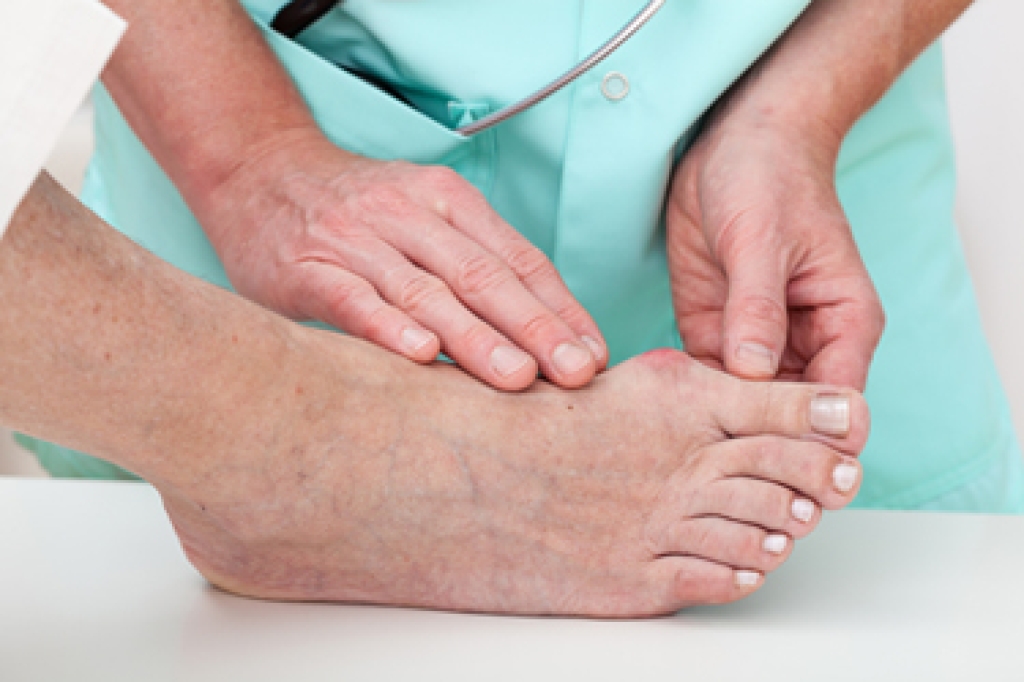
A bunion is a bony bump that forms at the main joint of the big toe because the joint was pulled out of alignment. This causes the big toe to be turned towards the rest of the toes. This condition gradually develops over time and becomes more and more painful around the base of the big toe. There are a variety of factors that can lead to the formation of bunions. Biomechanical factors such as overpronation or flat feet can lead to the development of a bunion. Footwear also plays a huge role in the formation of bunions because shoes that are too tight can put pressure on the toe, and the narrow toe box of high heels can also cause bunions to form. Age can play a role in the development of bunions because the ligaments in the toes lose strength over time. Patients who are struggling with bunion pain should visit a podiatrist for a proper treatment plan that may include orthotics or surgery. 

If you are suffering from bunions, contact Jeffrey Radack, DPM of Texas Regional Foot & Ankle Clinics. Our doctor can provide the care you need to keep you pain-free and on your feet.

What Is a Bunion?

A bunion is formed of swollen tissue or an enlargement of boney growth, usually located at the base joint of the toe that connects to the foot. The swelling occurs due to the bones in the big toe shifting inward, which impacts the other toes of the foot. This causes the area around the base of the big toe to become inflamed and painful.

Why Do Bunions Form?

Genetics – Susceptibility to bunions are often hereditary

Stress on the feet – Poorly fitted and uncomfortable footwear that places stress on feet, such as heels, can worsen existing bunions

How Are Bunions Diagnosed?

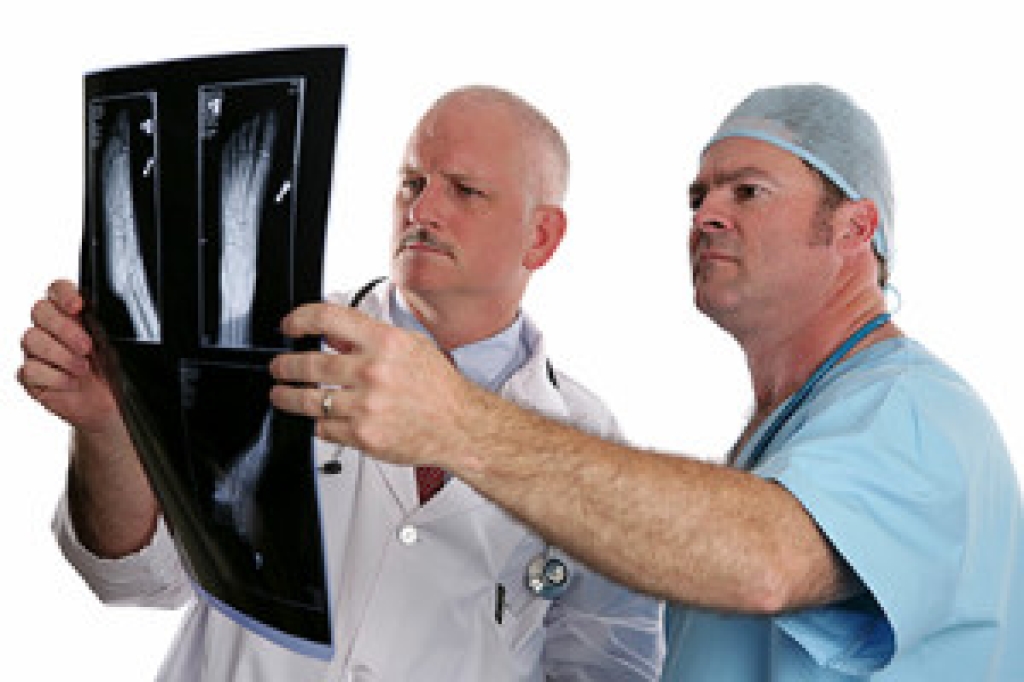
Podiatrists often perform two tests – blood tests and x-rays – when trying to diagnose bunions, especially in the early stages of development. Blood tests help determine if the foot pain is being caused by something else, such as arthritis, while x-rays provide a clear picture of your bone structure to your provider.

How Are Bunions Treated?

  • Refrain from wearing heels or similar shoes that cause discomfort
  • Select wider shoes that can provide more comfort and reduce pain
  • Anti-inflammatory and pain management drugs
  • Orthotics or foot inserts
  • Surgery

If you have any questions, please feel free to contact our office located in McKinney and Coppell, TX . We offer the newest diagnostic and treatment technologies for all your foot care needs.


Read more about Bunions

Is Clubfoot Considered Curable?

Clubfoot is a congenital disorder in which a child’s foot (or feet) twist down and inward, due to tight Achilles tendons and calf muscles. This condition is said to affect nearly 200,000 newborns annually. Although there is no known cause, research points to infants being more predisposed to clubfoot if a family member or parent was previously affected. Clubfoot is considered by many to be curable if diagnosed early enough and treated properly. There are various techniques to reposition the child’s feet including casting, taping, bracing, or surgery in advanced cases. If you believe your child may have clubfoot, contact a podiatrist for a thorough examination and to discuss treatment options.

Making sure that your children maintain good foot health is very important as they grow. If you have any questions, contact Jeffrey Radack, DPM of Texas Regional Foot & Ankle Clinics. Our doctor can provide the care you need to keep you pain-free and on your feet.

Keeping Children's Feet Healthy

Having healthy feet during childhood can help prevent medical problems later in life, namely in the back and legs. As children grow, their feet require different types of care. Here are some things to consider...

Although babies do not walk yet, it is still very important to take care of their feet.

Avoid putting tight shoes or socks on his or her feet.

Allow the baby to stretch and kick his or her feet to feel comfortable.

As a toddler, kids are now on the move and begin to develop differently. At this age, toddlers are getting a feel for walking, so don’t be alarmed if your toddler is unsteady or ‘walks funny’. 

As your child gets older, it is important to teach them how to take care of their feet.

Show them proper hygiene to prevent infections such as fungus.

Be watchful for any pain or injury.

Have all injuries checked by a doctor as soon as possible.

Comfortable, protective shoes should always be worn, especially at play.

If you have any questions, please feel free to contact our office located in McKinney and Coppell, TX . We offer the newest diagnostic and treatment technologies for all your foot care needs.

Read more about What to Do to Keep Your Child’s Feet Healthy

What Is Turf Toe?

Turf toe occurs when the joint at the base of the big toe gets sprained as a result of a vigorous upward bend of the affected toe. It commonly occurs while playing sports such as football. When players are on artificial turf, the foot grips the ground, but the body goes forward and causes the toe to bend beyond its normal range. Signs you may have turf toe can include pain and swelling at the base of the big toe, pain and tenderness when stretching the ligament, and tenderness in the ball of the foot when pressing on it. Depending on the severity of the injury, recovery from turf toe can take approximately 3-4 weeks. Athletes who believe that they have turf toe should consult with a podiatrist for proper treatment.

Sports related foot and ankle injuries require proper treatment before players can go back to their regular routines. For more information, contact Jeffrey Radack, DPM of Texas Regional Foot & Ankle Clinics. Our doctor can provide the care you need to keep you pain-free and on your feet.

Sports Related Foot and Ankle Injuries

Foot and ankle injuries are a common occurrence when it comes to athletes of any sport. While many athletes dismiss the initial aches and pains, the truth is that ignoring potential foot and ankle injuries can lead to serious problems. As athletes continue to place pressure and strain the area further, a mild injury can turn into something as serious as a rupture and may lead to a permanent disability. There are many factors that contribute to sports related foot and ankle injuries, which include failure to warm up properly, not providing support or wearing bad footwear. Common injuries and conditions athletes face, including:

  • Plantar Fasciitis
  • Achilles Tendinitis
  • Achilles Tendon Rupture
  • Ankle Sprains

Sports related injuries are commonly treated using the RICE method. This includes rest, applying ice to the injured area, compression and elevating the ankle. More serious sprains and injuries may require surgery, which could include arthroscopic and reconstructive surgery. Rehabilitation and therapy may also be required in order to get any recovering athlete to become fully functional again. Any unusual aches and pains an athlete sustains must be evaluated by a licensed, reputable medical professional.

If you have any questions please contact our office located in McKinney and Coppell, TX . We offer the newest diagnostic and treatment technologies for all your foot and ankle needs.

Read more about Sports Related Foot And Ankle Injuries

High Heel Side Effects

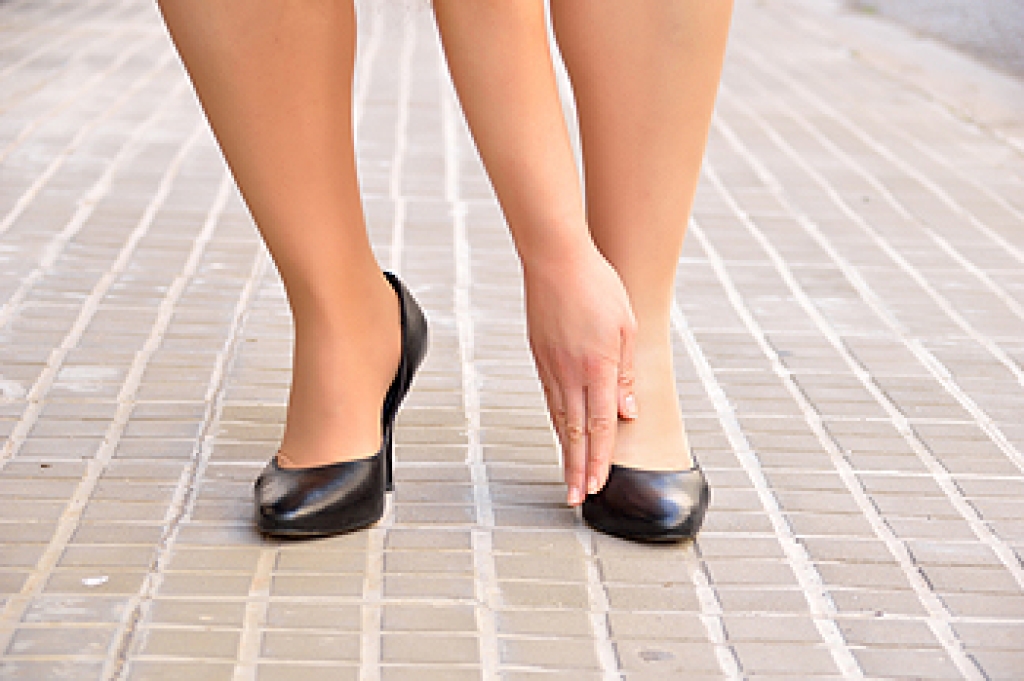
High heels may be stylish, but unfortunately they are not ideal for the health of your feet or ankles. Frequently wearing high heels can lead to sore calves, foot pain, weakened ligaments, and deformed toes. These problems are magnified if the shoes are also ill-fitting, too tight, unsupportive, or have a narrow toe box. High heels may also increase your risk of incurring an ankle sprain or falling. Further up in the body, wearing high heels may lead to knee pain, lower back pain, and changes to your posture over time. Even with the risks mentioned, if you don’t want to permanently ban high heels from your shoe closet there are things you can do to lower your chances of foot pain, deformity, and injury. Wear high heels less frequently, choose shoes that fit properly and have a wide low heel, as well as plenty of room in the toe area to wiggle your toes. For more information about the relationship between footwear and proper foot health, please consult with a podiatrist.

High heels have a history of causing foot and ankle problems. If you have any concerns about your feet or ankles, contact Jeffrey Radack, DPM from Texas Regional Foot & Ankle Clinics. Our doctor can provide the care you need to keep you pain-free and on your feet.

Effects of High Heels on the Feet

High heels are popular shoes among women because of their many styles and societal appeal.  Despite this, high heels can still cause many health problems if worn too frequently.

Which Parts of My Body Will Be Affected by High Heels?

  • Ankle Joints
  • Achilles Tendon – May shorten and stiffen with prolonged wear
  • Balls of the Feet
  • Knees – Heels cause the knees to bend constantly, creating stress on them
  • Back – They decrease the spine’s ability to absorb shock, which may lead to back pain.  The vertebrae of the lower back may compress.

What Kinds of Foot Problems Can Develop from Wearing High Heels?

  • Corns
  • Calluses
  • Hammertoe
  • Bunions
  • Morton’s Neuroma
  • Plantar Fasciitis

How Can I Still Wear High Heels and Maintain Foot Health?

If you want to wear high heeled shoes, make sure that you are not wearing them every day, as this will help prevent long term physical problems.  Try wearing thicker heels as opposed to stilettos to distribute weight more evenly across the feet.  Always make sure you are wearing the proper shoes for the right occasion, such as sneakers for exercising.  If you walk to work, try carrying your heels with you and changing into them once you arrive at work.  Adding inserts to your heels can help cushion your feet and absorb shock. Full foot inserts or metatarsal pads are available. 

If you have any questions, please feel free to contact our office located in McKinney and Coppell, TX . We offer the newest diagnostic and treatment technologies for all your foot care needs.

Read more about Why High Heels Are Not Ideal for Healthy Feet

All About Toenail Fungus

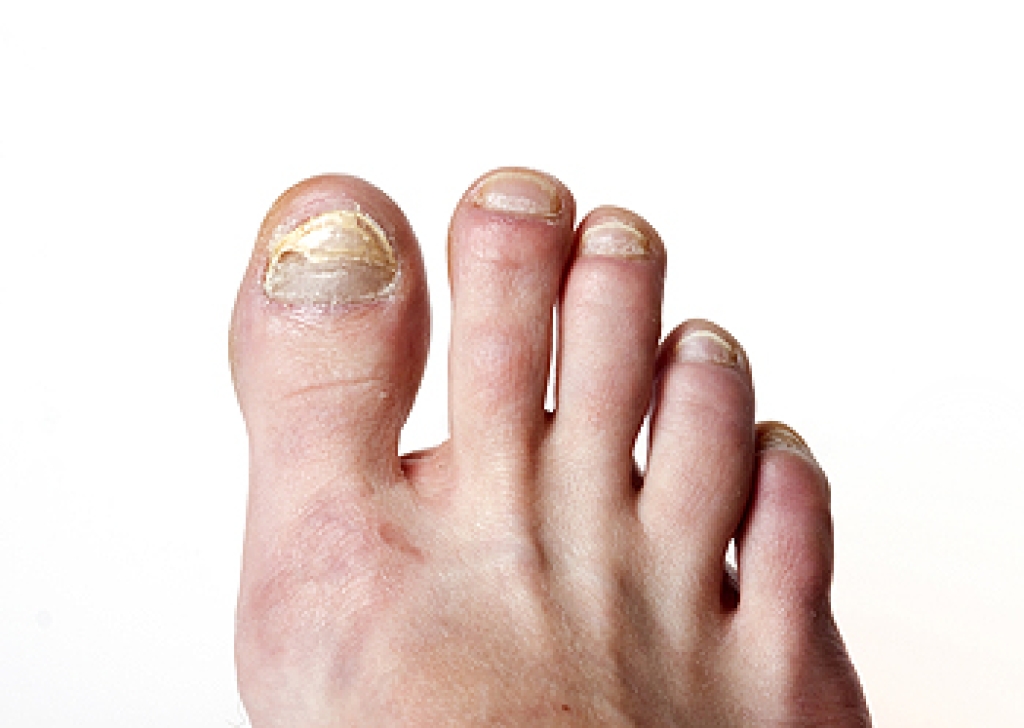
If your toenails thicken, change shape, or become brittle or discolored, you may have nail fungus (onychomycosis). In some cases, the fungus will display as white patches or dots, or the infected parts of the nail will detach from the toe and become painful. The big toe is often the nail that becomes infected, and signs of infection typically occur at the tip, or sides, of the nail. Fungi called dermatophytes are the typical culprit, however an infection may also be caused by mold or yeast. Risk factors for toenail fungus include genetics, going barefoot in public swimming pools and locker rooms, wearing tight shoes, having athlete’s foot, damaged nails, circulation problems, a weakened immune system, or psoriasis. It takes a long time for toenail fungal infections to go away—particularly without the professional assistance of a podiatrist.

For more information about treatment, contact Jeffrey Radack, DPM of Texas Regional Foot & Ankle Clinics. Our doctor can provide the care you need to keep you pain-free and on your feet.

Toenail Fungus Treatment

Toenail fungus is a condition that affects many people and can be especially hard to get rid of. Fortunately, there are several methods to go about treating and avoiding it.

Antifungals & Deterrence

Oral antifungal medicine has been shown to be effective in many cases. It is important to consult with a podiatrist to determine the proper regiment for you, or potentially explore other options.

Applying foot powder on the feet and shoes helps keep the feet free of moisture and sweat.

Sandals or open toed shoes – Wearing these will allow air movement and help keep feet dry. They also expose your feet to light, which fungus cannot tolerate. Socks with moisture wicking material also help as well.

If you have any questions please contact our office located in McKinney and Coppell, TX . We offer the newest diagnostic and treatment technologies for all your foot and ankle needs.

Read more about Toenail Fungus

Get Professional Care for a Broken Foot or Ankle

Constant care and regular evaluation are important for a foot or ankle fracture. If left untreated, foot or ankle fractures can worsen over time and create more serious problems.

Don't wait to be examined if you believe you've experienced a foot or ankle fracture.

Pumice Stones for Cracked Heels

Pumice stones are light but abrasive stones that are formed from a mixture of lava and water. They are frequently used to remove dead, dry skin from the feet, especially on the heels. To exfoliate dry heels with a pumice stone, soak your heels in warm water for 5 to 10 minutes. Next, remove your heels from the water and dry them. Wet the pumice stone and then rub the abrasive side of the stone on the dry skin, in a circular motion with light pressure, for approximately two minutes or until the dry skin has been removed. When finished, rinse the pumice stone and apply moisturizer to your feet. Avoid rubbing the pumice stone with too much pressure, as this can injure your feet and lead to cuts, bleeding, and infection. If you have diabetes or other foot problems, you should not use a pumice stone to exfoliate without an okay from your doctor. To learn more about foot care, please consult with a podiatrist. 

Cracked heels are unsightly and can cause further damage to your shoes and feet. If you have any concerns, contact Jeffrey Radack, DPM from Texas Regional Foot & Ankle Clinics. Our doctor can provide the care you need to keep you pain-free and on your feet.

Cracked Heels

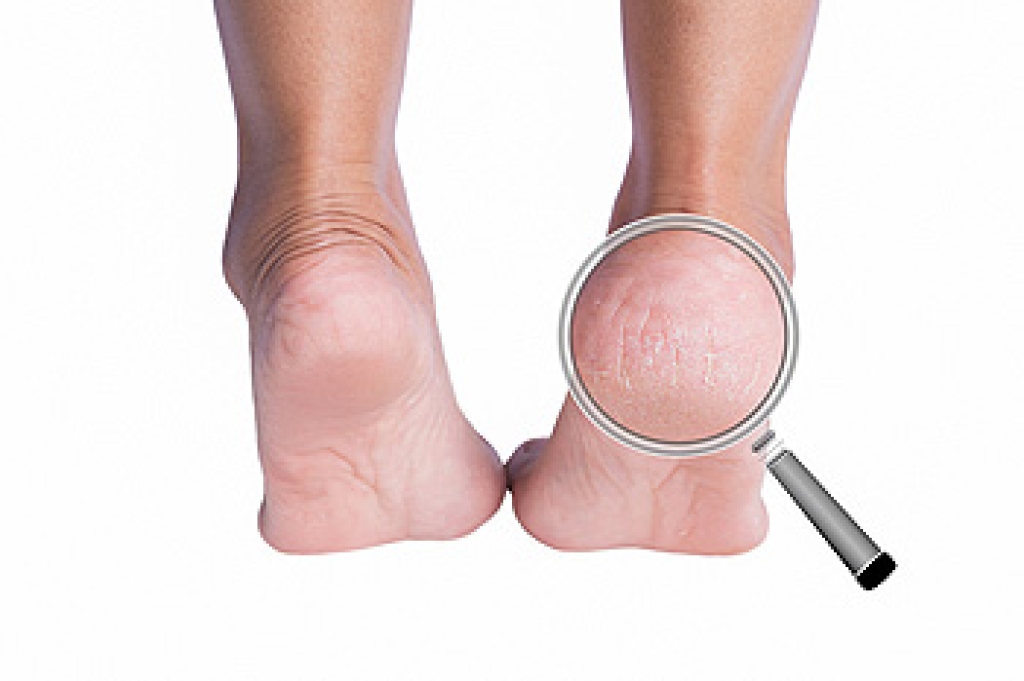
Cracked heels appear unappealing and can make it harder for you walk around in sandals. Aside from looking unpleasant, cracked heels can also tear stockings, socks, and wear out your shoes. There are several methods to help restore a cracked heel and prevent further damage.

How Do You Get Them?

Dry skin is the number one culprit in creating cracked heels. Many athletes, walkers, joggers, and even swimmers suffer from cracked heels. Age and skin oil production play a role to getting cracked heels as well.

Promote Healing

Over the counter medicines can help, especially for those that need instant relief or who suffer from chronic dry feet.

Wear Socks – Wearing socks with medicated creams helps lock in moisture.

Moisturizers – Applying both day and night will help alleviate dryness which causes cracking.

Pumice Stones – These exfoliate and remove dead skin, which allows for smoother moisturizer application and better absorption into the skin. 

Change in Diet

Eating healthy with a well-balanced diet will give the skin a fresh and radiant look. Your body responds to the kinds of food you ingest. Omega-3 fatty acids and zinc supplements can also revitalize skin tissue.

Most importantly, seek professional help if unsure how to proceed in treating cracked heels. A podiatrist will help you with any questions or information needed. 

If you have any questions, please feel free to contact our office located in McKinney and Coppell, TX . We offer the newest diagnostic and treatment technologies for all your foot care needs.

Read more about Solutions for Cracked Heels

How to Trim Toenails

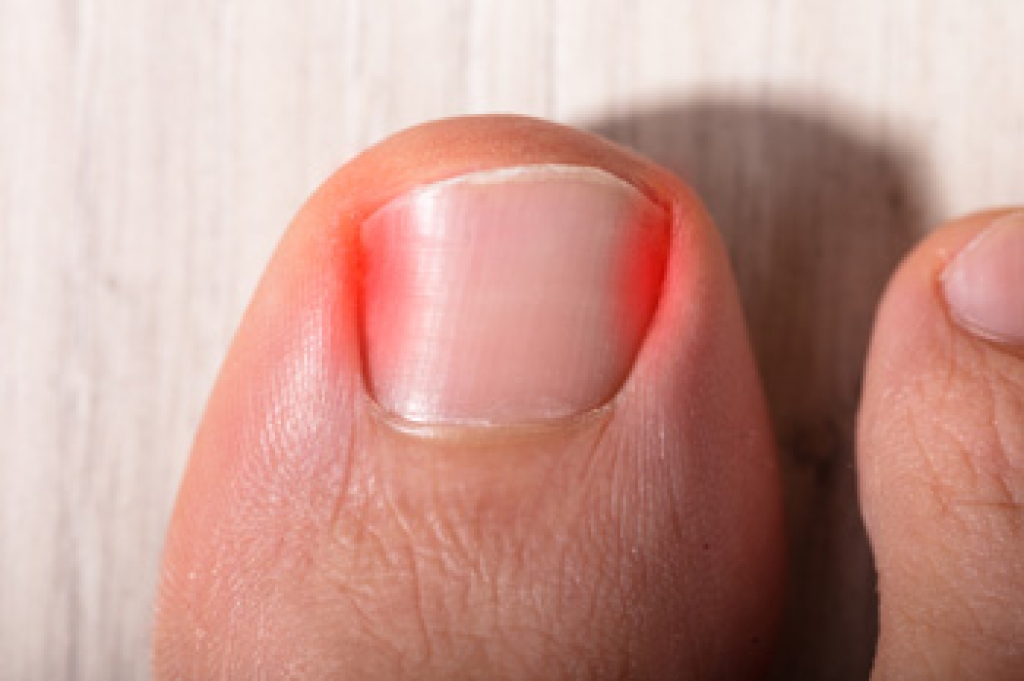
Ingrown toenails are a common and sometimes painful condition in which the edges of a nail grow into the surrounding skin instead of over it. This leads to tenderness, swelling, redness, and pain. In some cases, the area can even become infected. One of the main causes of ingrown toenails is trimming the toenails incorrectly. When you trim your toenails, you should use a nail clipper rather than scissors. Trim the nails straight across and not too short. Though it may be tempting for aesthetic reasons, do not round the edges of your toenails with clippers, scissors, or a nail file. Rounded edges make ingrown nails more likely. To complement your properly trimmed toenails, wear comfortable shoes with a wide toe box. Tight, narrow, or pointy-toed shoes can squish the toes together and push the nails into the surrounding skin. To learn more about how to prevent ingrown toenails, please speak with a podiatrist. 

Ingrown toenails can become painful if they are not treated properly. For more information about ingrown toenails, contact Jeffrey Radack, DPM of Texas Regional Foot & Ankle Clinics. Our doctor can provide the care you need to keep you pain-free and on your feet.

Ingrown Toenails

Ingrown toenails occur when a toenail grows sideways into the bed of the nail, causing pain, swelling, and possibly infection.

Causes

  • Bacterial infections
  • Improper nail cutting such as cutting it too short or not straight across
  • Trauma to the toe, such as stubbing, which causes the nail to grow back irregularly
  • Ill-fitting shoes that bunch the toes too close together
  • Genetic predisposition

Prevention

Because ingrown toenails are not something found outside of shoe-wearing cultures, going barefoot as often as possible will decrease the likeliness of developing ingrown toenails. Wearing proper fitting shoes and using proper cutting techniques will also help decrease your risk of developing ingrown toenails.

Treatment

Ingrown toenails are a very treatable foot condition. In minor cases, soaking the affected area in salt or antibacterial soaps will not only help with the ingrown nail itself, but also help prevent any infections from occurring. In more severe cases, surgery is an option. In either case, speaking to your podiatrist about this condition will help you get a better understanding of specific treatment options that are right for you.

If you have any questions, please feel free to contact our office located in McKinney and Coppell, TX . We offer the newest diagnostic and treatment technologies for all your foot care needs.

Read more about Ingrown Toenails

What Podiatrists Can Do

Podiatrists are doctors that specialize in treating conditions that affect the feet of children, adults, and seniors. They can treat infections, provide pain relief, correct deformities, and help to heal broken bones. Podiatrists help treat specific conditions such as diabetes, ingrown toenails, flat feet, bunions, heel pain, blisters, athlete’s foot, cracked heels and so much more. Podiatrists are also able to prescribe orthotics, which are typically custom made shoe inserts, in order to relieve pressure from problem areas on the feet. Podiatrists can help you pick proper footwear to prevent a variety of foot and ankle conditions from developing. They can also help you choose the correct walking or running shoe too. If you have a foot problem that you are unsure about or are experiencing any type of foot pain, a podiatrist is trained to help find a diagnosis and provide proper treatment for your specific condition.

If you are experiencing pain in the feet or ankles, don’t join the stubborn majority refusing treatment. Feel free to contact Jeffrey Radack, DPM from Texas Regional Foot & Ankle Clinics. Our doctor can provide the care you need to keep you pain-free and on your feet.

What Is a Podiatrist?

Someone would seek the care of a podiatrist if they have suffered a foot injury or have common foot ailments such as heal spurs, bunions, arch problems, deformities, ingrown toenails, corns, foot and ankle problems, etc.

Podiatric Treatment

A podiatrist will treat the problematic areas of the feet, ankle or lower leg by prescribing the following:

  • Physical therapy
  • Drugs
  • Orthotic inserts or soles
  • Surgery on lower extremity fractures

A common podiatric procedure a podiatrist will use is a scanner or force plate which will allow the podiatrist to know the designs of orthotics. Patients are then told to follow a series of tasks to complete the treatment. The computer will scan the foot a see which areas show weight distribution and pressure points. The podiatrist will read the analysis and then determine which treatment plans are available.

If you have any questions, please feel free to contact our office located in McKinney and Coppell, TX . We offer the newest diagnostic and treatment technologies for all your foot care needs.

Read more about What is a Podiatrist?

Sesamoid Bones and Injuries

The sesamoids are two small, pea-shaped bones found just under the base of the big toe. The sesamoids are embedded in a tendon, allowing you to move the big toes and acting as shock absorbers in the foot while you walk and run. Though these bones are quite small, they can be easily injured. The area around the sesamoid bones may become inflamed due to injury or overuse, leading to sesamoiditis. Over time, these bones may become unable to bear the load placed on them and could even develop tiny stress fractures. A sudden injury to the bones can cause them to fully fracture. If you have pain, swelling, or bruising in the ball of your foot, schedule an appointment with a podiatrist who can diagnose and treat various sesamoid injuries. 

Sesamoiditis is an unpleasant foot condition characterized by pain in the balls of the feet. If you think you’re struggling with sesamoiditis, contact Jeffrey Radack, DPM of Texas Regional Foot & Ankle Clinics. Our doctor will treat your condition thoroughly and effectively.

Sesamoiditis

Sesamoiditis is a condition of the foot that affects the ball of the foot. It is more common in younger people than it is in older people. It can also occur with people who have begun a new exercise program, since their bodies are adjusting to the new physical regimen. Pain may also be caused by the inflammation of tendons surrounding the bones. It is important to seek treatment in its early stages because if you ignore the pain, this condition can lead to more serious problems such as severe irritation and bone fractures.

Causes of Sesamoiditis

  • Sudden increase in activity
  • Increase in physically strenuous movement without a proper warm up or build up
  • Foot structure: those who have smaller, bonier feet or those with a high arch may be more susceptible

Treatment for sesamoiditis is non-invasive and simple. Doctors may recommend a strict rest period where the patient forgoes most physical activity. This will help give the patient time to heal their feet through limited activity. For serious cases, it is best to speak with your doctor to determine a treatment option that will help your specific needs.

If you have any questions, please feel free to contact our office located in McKinney and Coppell, TX . We offer the newest diagnostic and treatment technologies for all your foot care needs.

Read more about Sesamoiditis

Connect With Us