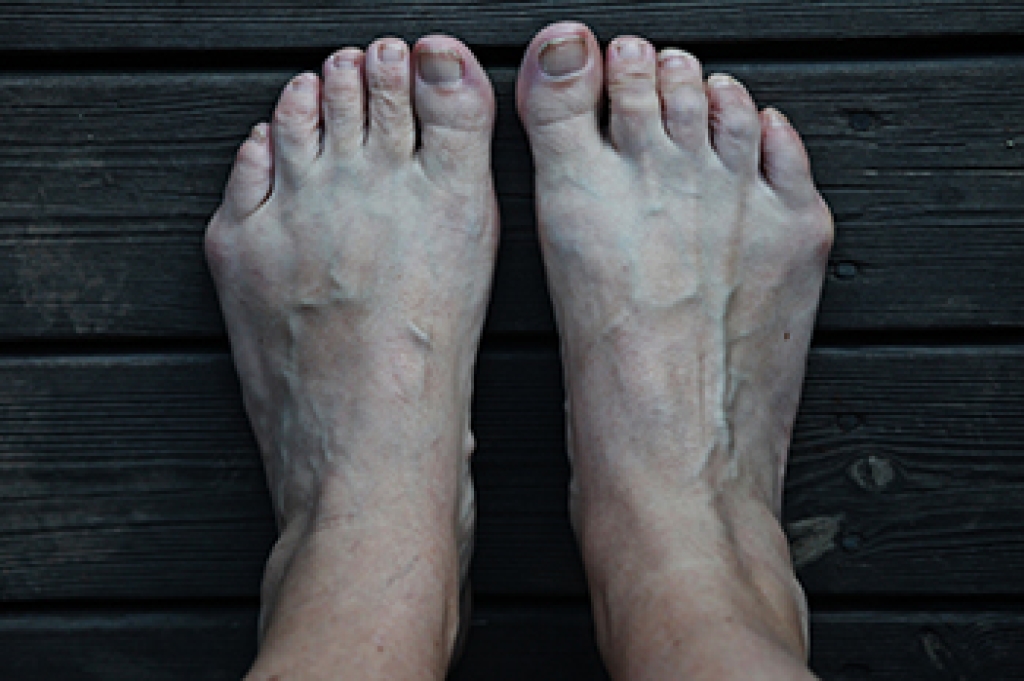
How a Tailor’s Bunion Can Affect Daily Life

A tailor’s bunion, which forms on the outer side of the foot near the little toe, can interfere with comfort and mobility more than many people expect. As the area becomes irritated or swollen, wearing regular shoes may feel increasingly difficult, leading to constant friction and aching during routine activities. People often change the way they walk to avoid pressure, which can create new problems in the ankles, knees, or back. Social activities, exercise, and even short errands may feel limited when every step causes discomfort. Sleep can also be disrupted if the area remains sore at night. With proper evaluation, treatment such as footwear adjustments, padding, orthotics, or targeted care can reduce symptoms and improve function. It is suggested that you see a podiatrist if a tailor’s bunion is affecting your comfort or quality of life.

If you are suffering from bunion pain, contact Jeffrey Radack, DPM of Texas Regional Foot & Ankle Clinics. Our doctor can provide the care you need to keep you pain-free and on your feet.

What Is a Bunion?

Bunions are painful bony bumps that usually develop on the inside of the foot at the joint of the big toe. As the deformity increases over time, it may become painful to walk and wear shoes. Women are more likely to exacerbate existing bunions since they often wear tight, narrow shoes that shift their toes together. Bunion pain can be relieved by wearing wider shoes with enough room for the toes.

Causes

  • Genetics – some people inherit feet that are more prone to bunion development
  • Inflammatory Conditions - rheumatoid arthritis and polio may cause bunion development

Symptoms

  • Redness and inflammation
  • Pain and tenderness
  • Callus or corns on the bump
  • Restricted motion in the big toe

In order to diagnose your bunion, your podiatrist may ask about your medical history, symptoms, and general health. Your doctor might also order an x-ray to take a closer look at your feet. Nonsurgical treatment options include orthotics, padding, icing, changes in footwear, and medication. If nonsurgical treatments don’t alleviate your bunion pain, surgery may be necessary.

If you have any questions, please feel free to contact our office located in McKinney and Coppell, TX . We offer the newest diagnostic and treatment technologies for all your foot care needs.
Read more about Bunions

Clubfoot and Podiatric Care

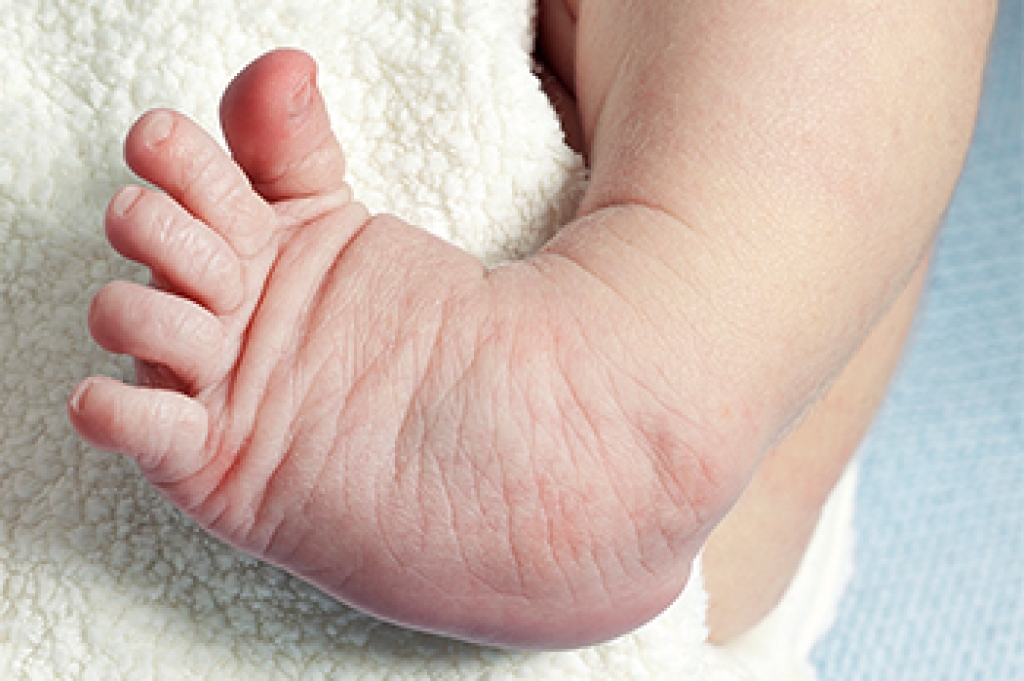
Clubfoot is a congenital foot deformity in which a baby is born with one or both feet twisted inward and downward. The condition affects the bones, muscles, tendons, and ligaments, causing the foot to appear stiff and misaligned. Causes are not always known, but genetics, neuromuscular conditions, and developmental factors during pregnancy may play a role. Symptoms include an abnormal foot position, limited range of motion, differences in foot size, and difficulty bearing weight as a child grows. Without treatment, clubfoot can lead to pain and problems with walking. A podiatrist can help by diagnosing the condition early and coordinating appropriate care. Treatment may include gentle stretching, casting, bracing, and long-term monitoring to support proper development. If your child shows signs of clubfoot or abnormal foot positioning, it is strongly suggested that you include a podiatrist on your health care team to ensure an effective growth and mobility.

Congenital foot problems require immediate attention to avoid future complications. If you have any concerns, contact Jeffrey Radack, DPM of Texas Regional Foot & Ankle Clinics. Our doctor can provide the care you need to keep you pain-free and on your feet.

Congenital foot problems are deformities affecting the feet, toes, and/or ankles that children are born with. Some of these conditions have a genetic cause while others just happen. Some specific foot ailments that children may be born with include clubfeet, polydactyly/macrodactyly, and cleft foot. There are several other foot anomalies that can occur congenitally. What all of these conditions have in common is that a child may experience difficulty walking or performing everyday activities, as well as trouble finding footwear that fits their foot deformity. Some of these conditions are more serious than others. Consulting with a podiatrist as early as possible will help in properly diagnosing a child’s foot condition while getting the necessary treatment underway.

What are Causes of Congenital Foot Problem?

A congenital foot problem is one that happens to a child at birth. These conditions can be caused by a genetic predisposition, developmental or positional abnormalities during gestation, or with no known cause.

What are Symptoms of Congenital Foot Problems?

Symptoms vary by the congenital condition. Symptoms may consist of the following:

  • Clubfoot, where tendons are shortened, bones are shaped differently, and the Achilles tendon is tight, causing the foot to point in and down. It is also possible for the soles of the feet to face each other.
  • Polydactyly, which usually consists of a nubbin or small lump of tissue without a bone, a toe that is partially formed but has no joints, or an extra toe.
  • Vertical talus, where the talus bone forms in the wrong position causing other bones in the foot to line up improperly, the front of the foot to point up, and the bottom of the foot to stiffen, with no arch, and to curve out.
  • Tarsal coalition, when there is an abnormal connection of two or more bones in the foot leading to severe, rigid flatfoot.
  • Cleft foot, where there are missing toes, a V-shaped cleft, and other anatomical differences.
  • Macrodactyly, when the toes are abnormally large due to overgrowth of the underlying bone or soft tissue.

Treatment and Prevention

While there is nothing one can do to prevent congenital foot problems, raising awareness and receiving neonatal screenings are important. Early detection by taking your child to a podiatrist leads to the best outcome possible.

If you have any questions, please feel free to contact our office located in McKinney and Coppell, TX . We offer the newest diagnostic and treatment technologies for all your foot care needs.

Read more about Congenital Foot Problems

Contagious Toenail Fungus

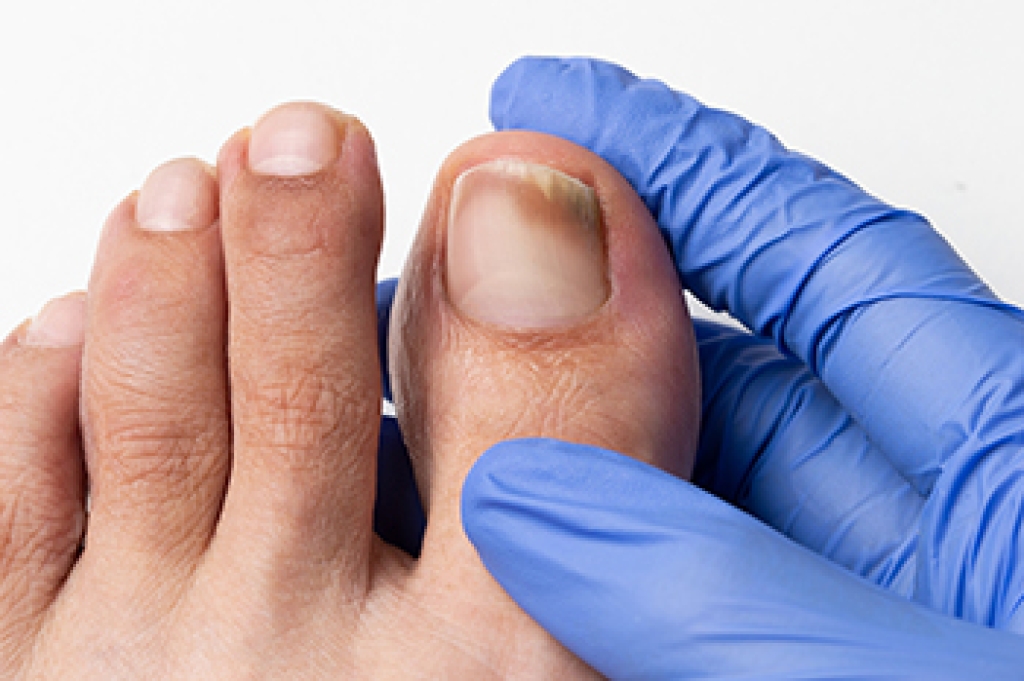
Toenail fungus can cause the toenails to become brittle and yellow. They can gradually harden and become thicker, causing difficulty in having them properly trimmed. This unsightly foot condition is caused by a fungal infection, and is considered to be contagious. This type of fungus lives and thrives in warm and moist environments, consisting of shower room floors, public swimming pools, and similar areas. The fungus can enter the body through tiny cracks in the skin, and it is beneficial to wear appropriate shoes while in these types of areas. A diagnosis is performed by extracting a small sample of the nail. After confirmation is received, treatment can begin. There are various methods that can accomplish this, and it is strongly suggested a podiatrist is contacted as quickly as possible who can prescribe proper medication.

For more information about treatment, contact Jeffrey Radack, DPM of Texas Regional Foot & Ankle Clinics. Our doctor can provide the care you need to keep you pain-free and on your feet.

Toenail Fungus Treatment

Toenail fungus is a condition that affects many people and can be especially hard to get rid of. Fortunately, there are several methods to go about treating and avoiding it.

Antifungals & Deterrence

Oral antifungal medicine has been shown to be effective in many cases. It is important to consult with a podiatrist to determine the proper regiment for you, or potentially explore other options.

Applying foot powder on the feet and shoes helps keep the feet free of moisture and sweat.

Sandals or open toed shoes – Wearing these will allow air movement and help keep feet dry. They also expose your feet to light, which fungus cannot tolerate. Socks with moisture wicking material also help as well.

If you have any questions please contact our office located in McKinney and Coppell, TX . We offer the newest diagnostic and treatment technologies for all your foot and ankle needs.

Read more about Toenail Fungus

The Strain That Long Hours on Your Feet Can Create

Spending most of the day standing can place steady pressure on the feet, ankles, and lower legs. Over time, this constant load may lead to aching arches, heel discomfort, swelling, or tight calf muscles. Some individuals also develop calluses, changes in posture, or fatigue that spreads into the knees or lower back. Hard floors, wearing unsupportive shoes, and limited opportunities to rest add to the strain and make recovery slower. Small changes such as choosing footwear with cushioning, taking brief seated breaks, and stretching during the day can help reduce stress on the feet. Paying attention to early signs of discomfort allows you to address concerns before they interfere with work or daily routines. If soreness becomes persistent or affects your movement, it is suggested that you schedule an appointment with a podiatrist for personalized care.

While working on the feet, it is important to take the proper care of them. For more information about working on your feet, contact Jeffrey Radack, DPM from Texas Regional Foot & Ankle Clinics. Our doctor will treat your foot and ankle needs.

Working on Your Feet

Standing on your feet for long periods of time can cause stress and pain in your feet. Your whole body may experience change in terms of posture, back pain, bunions, callouses and or plantar warts. There are ways to avoid these conditions with proper foot care, smart choices and correct posture.

Positive Changes

Negative heeled shoe – Choosing this shoe type places the heel slightly lower than the ball of the foot. These are great for overall foot health. Find shoes that fit you correctly.

Go barefoot – Our feet were not designed to be enclosed for all hours of the day. Try to periodically expose your feet to air.

Eliminate Pain

Foot Exercises – Performing simple exercises, incorporating yoga and doing stretches are beneficial. This will allow increased blood flow to the area and muscles of the foot.

Achilles tendon – Stretching the foot out flat on the floor will relax the calf muscles and tendon. These exercises can be performed almost anywhere. Make sure you add these exercises to your daily regimen. 

With a little bit of this information and knowing more about foot health, you will notice changes. Foot stretches and proper footwear will help with pain and prevent further issues.

If you have any questions please contact our office located in McKinney and Coppell, TX . We offer the newest diagnostic and treatment technologies for all your foot and ankle needs.

Read more about How to Handle a Long Work Day on Your Feet

Heel Pain in the Morning?

Heel pain can negatively affect your day-to-day life. Simple activities like walking can become incredibly uncomfortable or painful due to heel pain.

Don’t live with heel pain and get treated.

Connect With Us